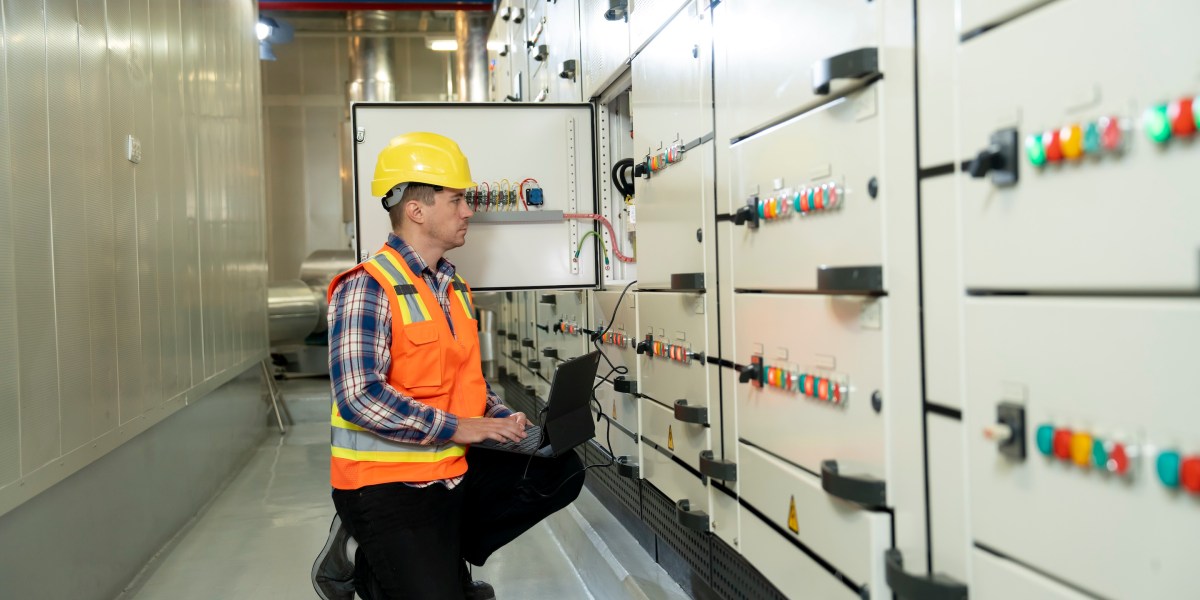
The most expensive technology buildout in history is running headfirst into a problem Silicon Valley can’t code its way out of: there aren’t enough electricians, linemen, and tradespeople to build the physical world that AI needs to exist in.
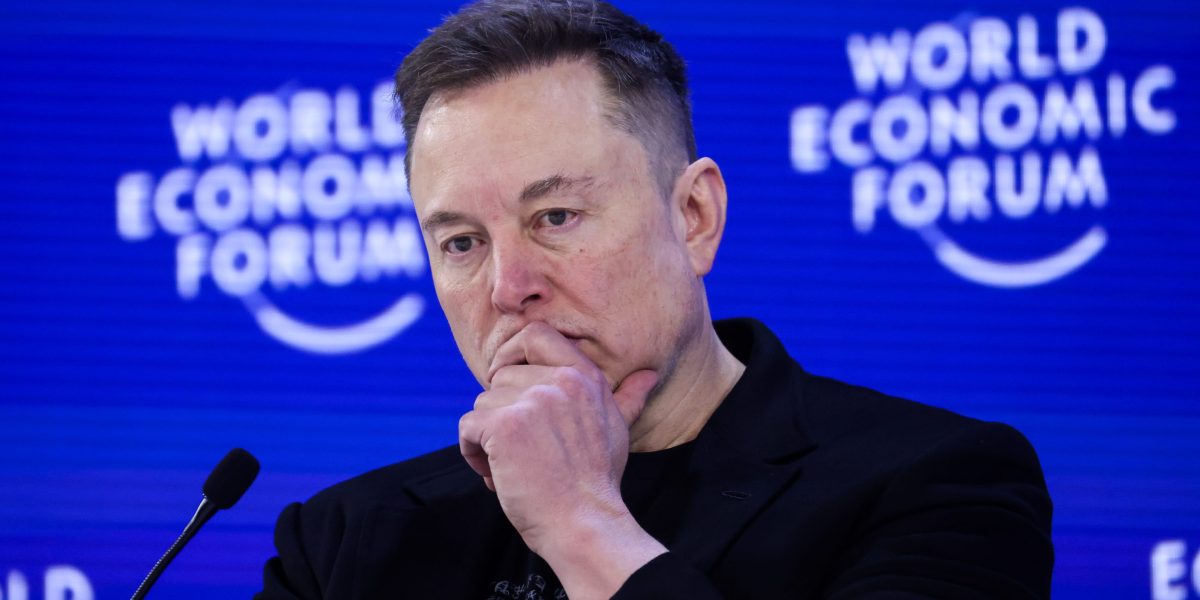
Ford CEO Jim Farley has been blunt about it. The data center boom, he told Fortune, is already mutating into an energy crisis—and the energy crisis is really a labor crisis. “Even if the data centers get built, there’s still a huge question mark about how the energy sector will support them. And there’s obviously going to be large shortages.” The U.S., in his telling, is in “the second or third inning” of taking this seriously.
In a new investment perspectives paper, Goldman Sachs Alternatives, which manages more than $625 billion in alternative assets, argues that the companies capturing roughly 90% of AI’s profit pools today—chip designers, memory manufacturers, and semiconductor fabs—represent none of the physical bottlenecks that will determine whether artificial intelligence can actually scale. Power generation, grid infrastructure, high-voltage components, advanced cooling, and mission-critical services collectively account for about 10% of AI-related earnings, Goldman says, but 100% of the chokepoints.