https://arab.news/rzdn4
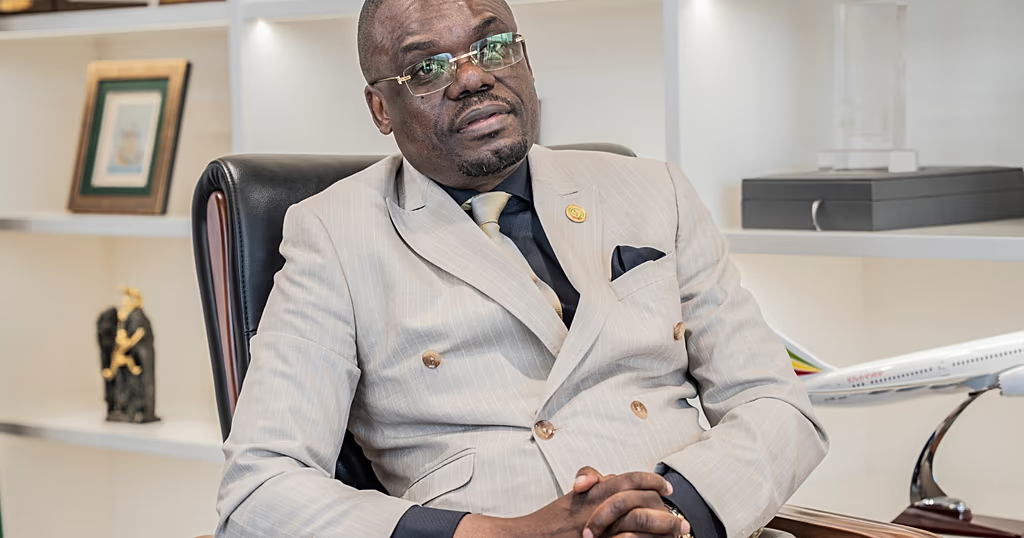
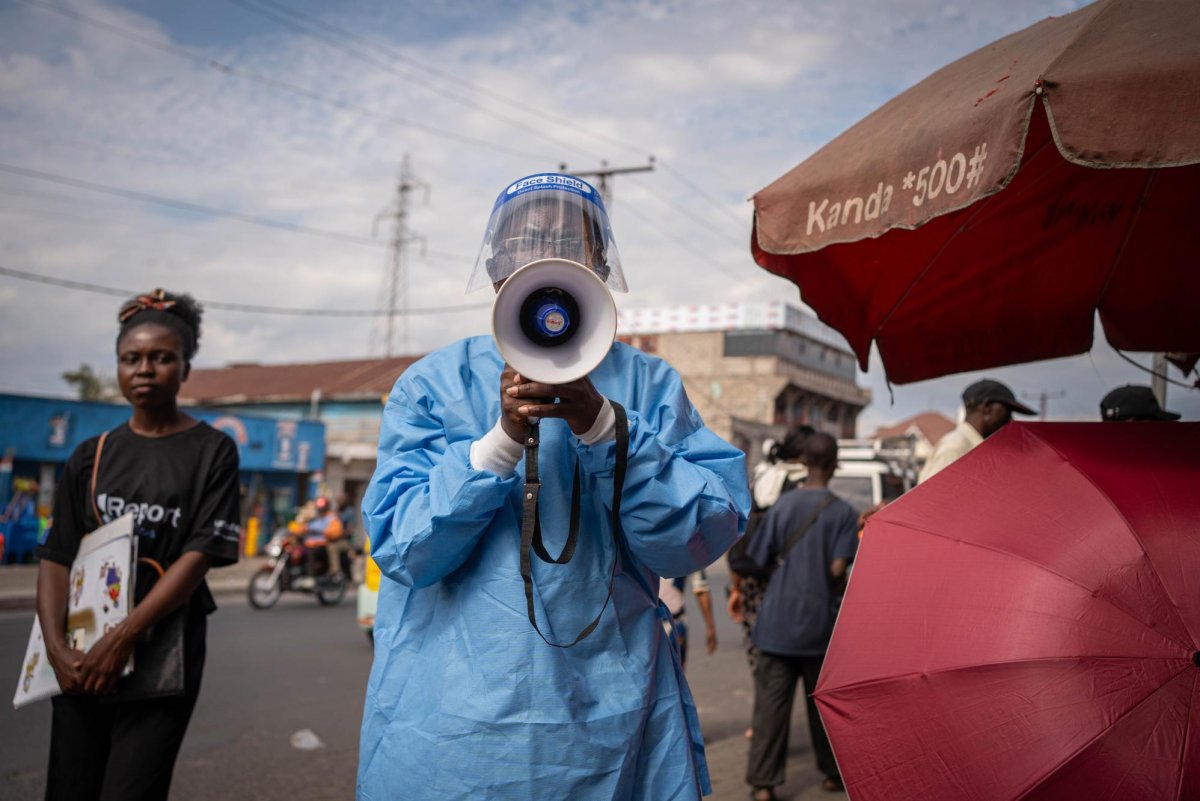
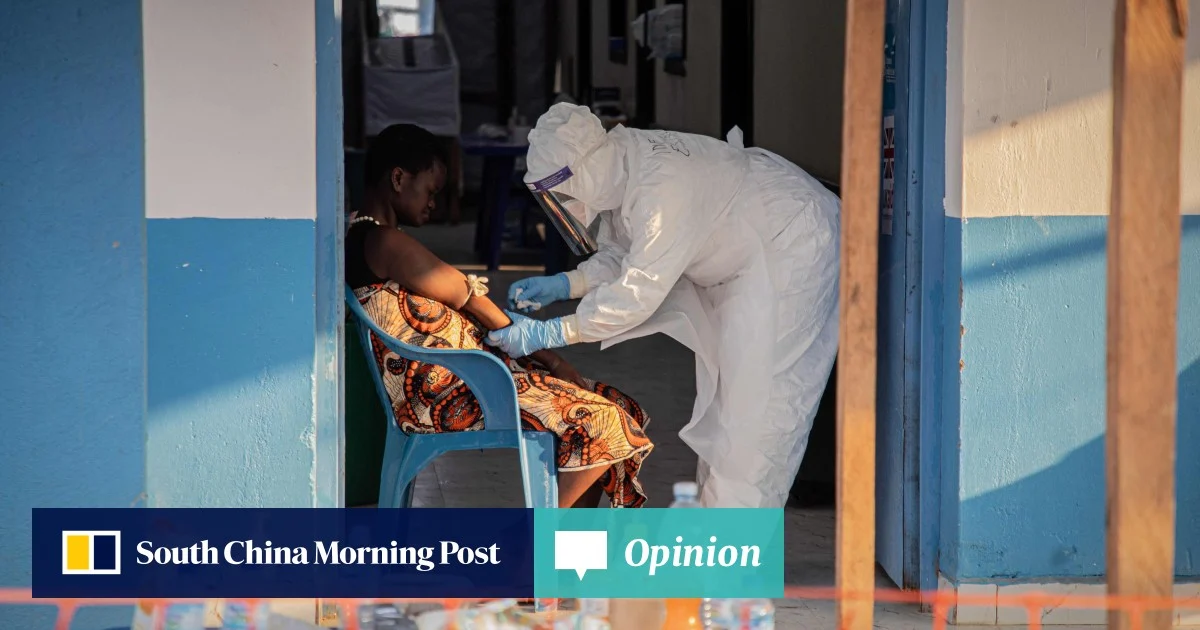
The first reports of an unknown respiratory infection spreading in Wuhan, China, came during the quiet days between Christmas and New Year’s Eve in 2019. At the time, I was director of the Africa Centres for Disease Control, the African Union’s public health agency, and was trying to recharge after months spent fighting a deadly Ebola outbreak in Congo. But, recognizing the severity and urgency of this new virus, I summoned the Africa CDC team back to headquarters in Addis Ababa.
The Africa CDC had never confronted a crisis of this scale. Early worst-case projections from the UN Economic Commission for Africa suggested that up to 1.2 billion Africans could be infected and over 3 million could die from the disease now known as COVID-19. Coordinating a response for 55 African Union member states, with a population of more than 1 billion people, required using all the expertise and skills at our disposal.
At first, we trained medical staff in the African countries with direct flights to China and created working groups led by African experts on laboratory medicine, public health, data science and genomics. As COVID-19 spread, young epidemiologists who had been fighting Ebola in Congo deployed to West Africa.