The US president has twisted the 1823 doctrine to suit his quest for domination. It originally had a very different vision for the Americas
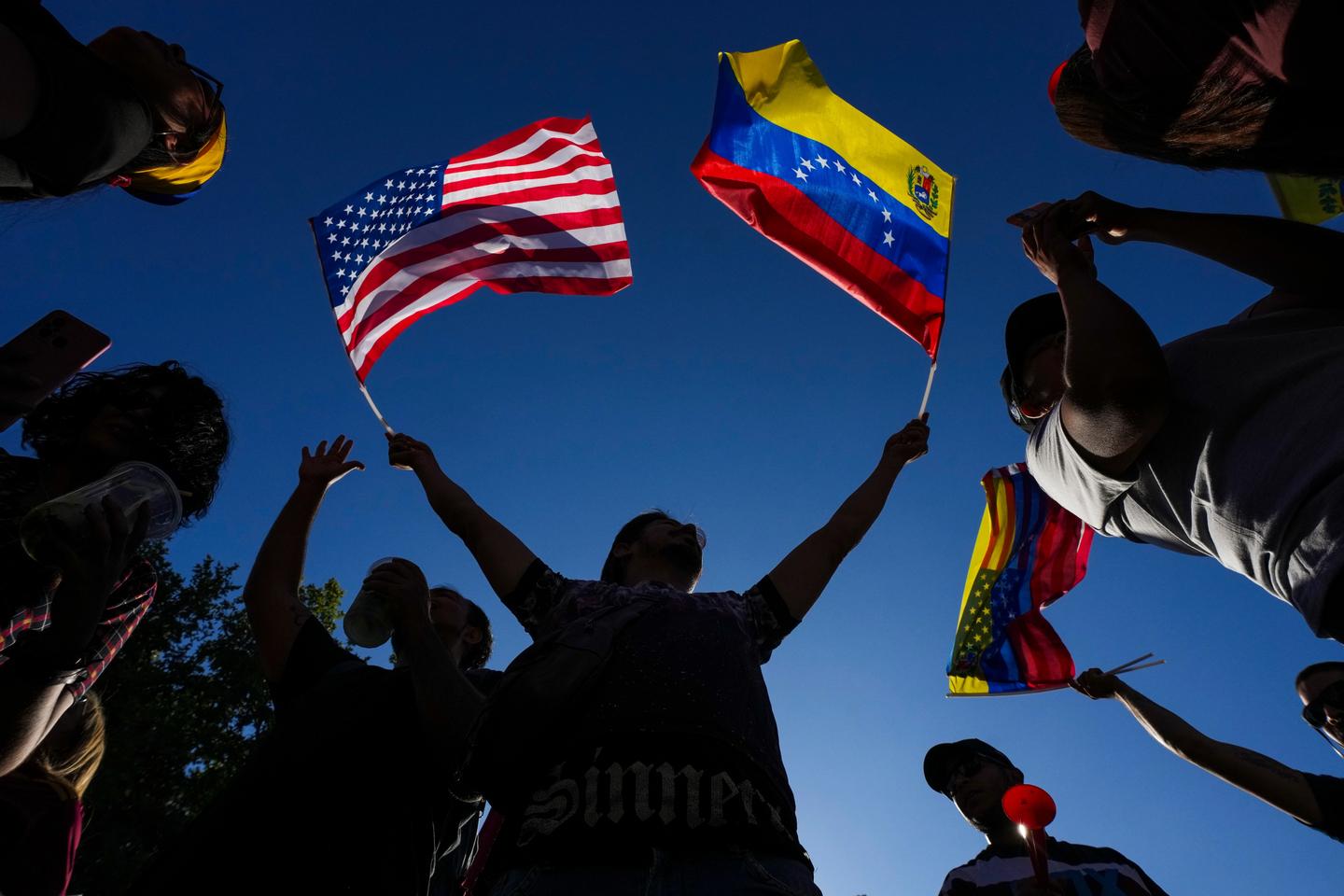
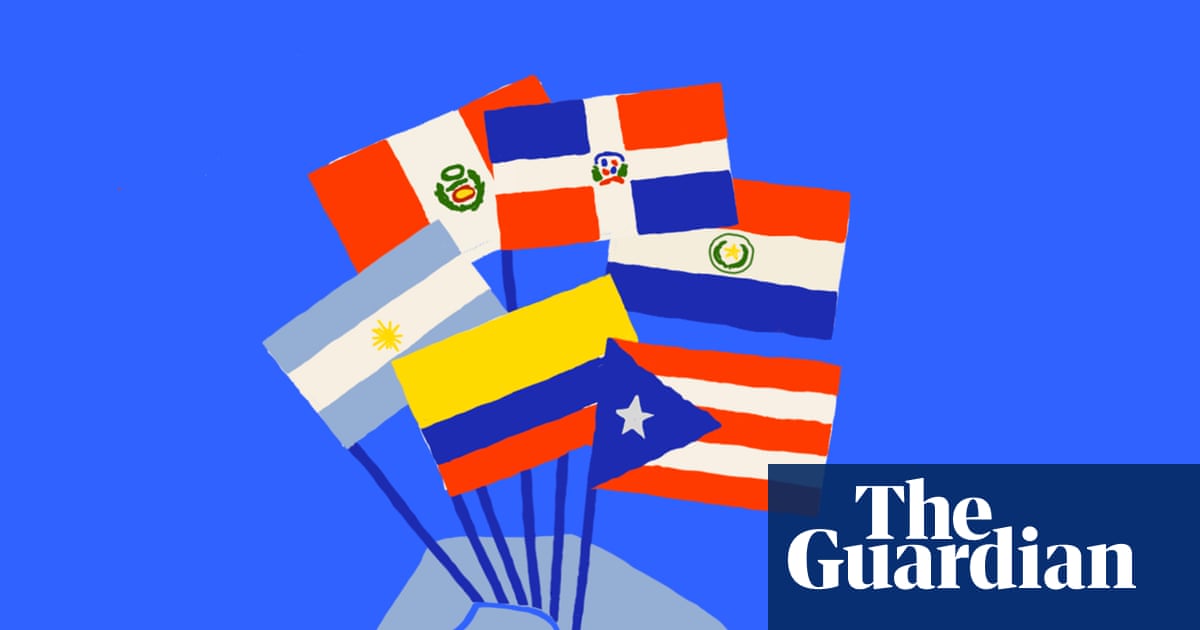
Throughout Bad Bunny’s mesmerizing performance during the Super Bowl, the word “America” kept expanding, like an accordion, stretching out to embrace people of all nationalities. “Together we are all America,” his football read, and he obviously meant it, in the largest, most hemispheric sense. Near the end, after shouting “God bless America” (his only words in English), Bad Bunny ran through a long list of countries in the western hemisphere.
That inclusiveness enraged Donald Trump, who erupted on social media, and tried to take the word back, declaring the half-time show “an affront to the greatness of America”. By which, of course, he meant the United States.
It was refreshing to encounter this greater America – or more accurately, to welcome it back. It has always been there, since the word “America” first appeared, hovering over Brazil in a 1507 map.
Ever since he was inaugurated, Trump has acted as if he owns the word “America”. Throughout his second inaugural address, he used it as a synonym for the US. (“America will soon be greater, stronger, and far more exceptional than ever before.”) His “America first” foreign policy assumes the right to take possession of any part of the hemisphere he wants, whether it’s the oilfields of Venezuela or the frozen tundra of Greenland.