Grant Gee’s film thoroughly inhabits the creative and personal torment experienced by the American pianist – with a terrific supporting Bill Pullman turn
T
his elusive, ruminative and very absorbing movie presents its successive scenes like a sequence of unresolved chords carrying the listener on a journey without a destination – and is, incidentally, one of those rare films featuring a wonderful supporting turn that does not undermine or upstage the rest. It’s a film about music. Particularly, about what remains when a musician cannot play and is left to consider the terrible sacrifices made, without conscious consent, to this all-consuming vocation that creates family pain and jealousy almost as a toxic byproduct. It’s a drama to put you in mind of Glenn Gould and Hilary du Pré, sister of Jacqueline.
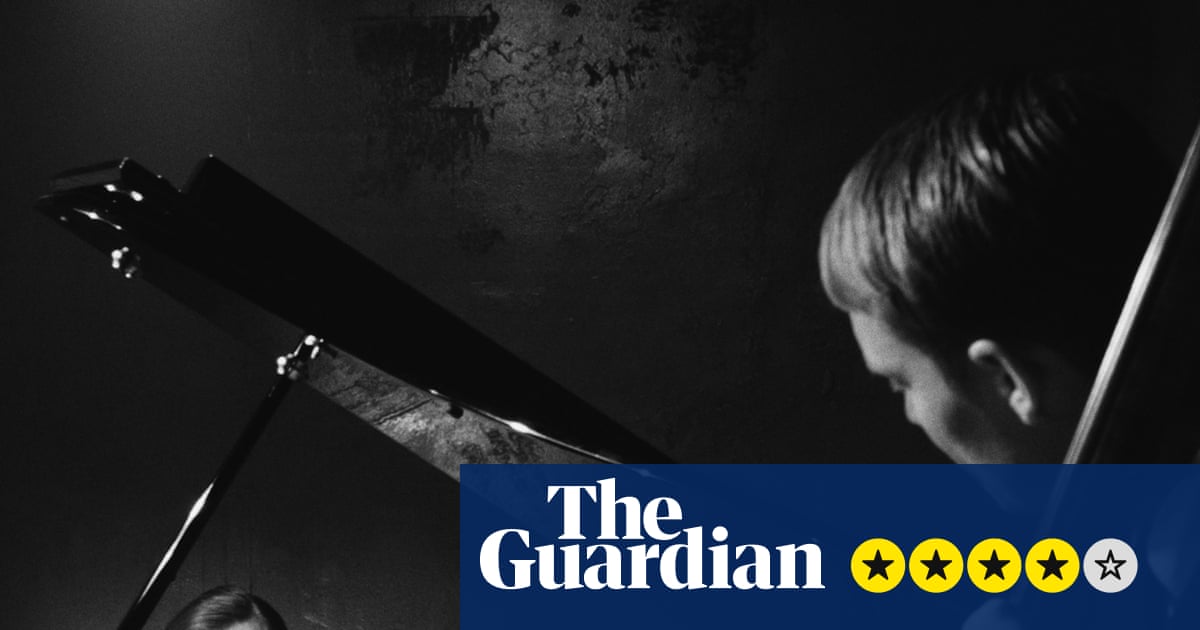
Screenwriter Mark O’Halloran has adapted the 2013 novel Intermission by Owen Martell about renowned jazz pianist Bill Evans. It focuses on a period of emotional devastation for Evans, when no music was possible – perhaps a restorative intermission, perhaps the start of a calamitous new aridity – when his close friend and bassist Scott LaFaro was killed in a car crash in his 20s.
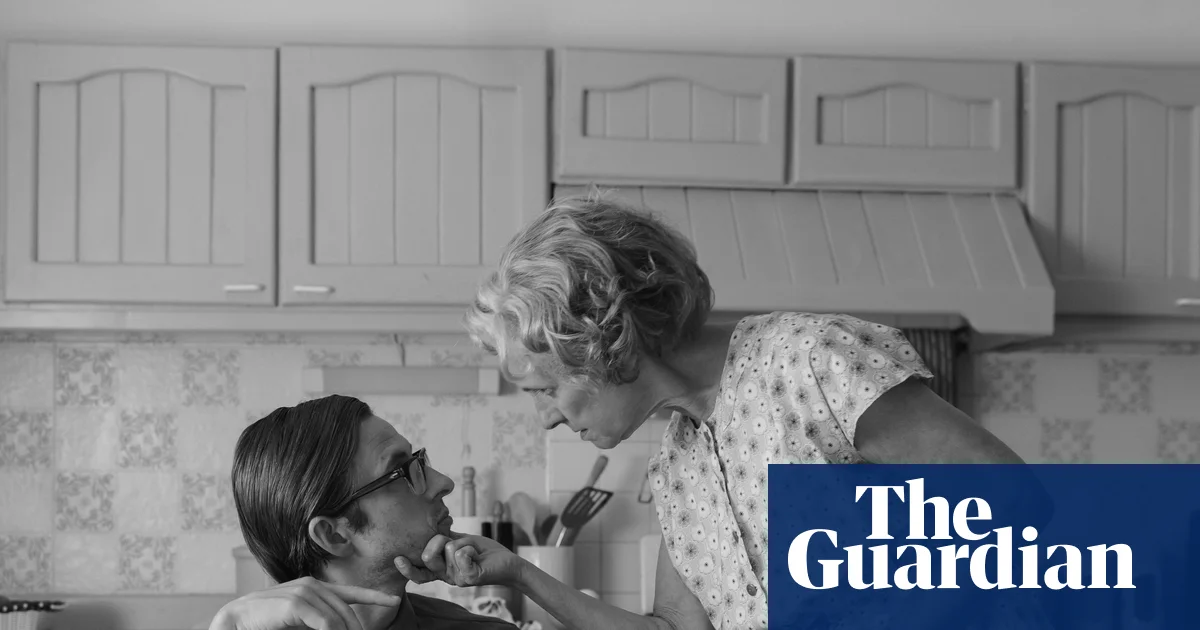
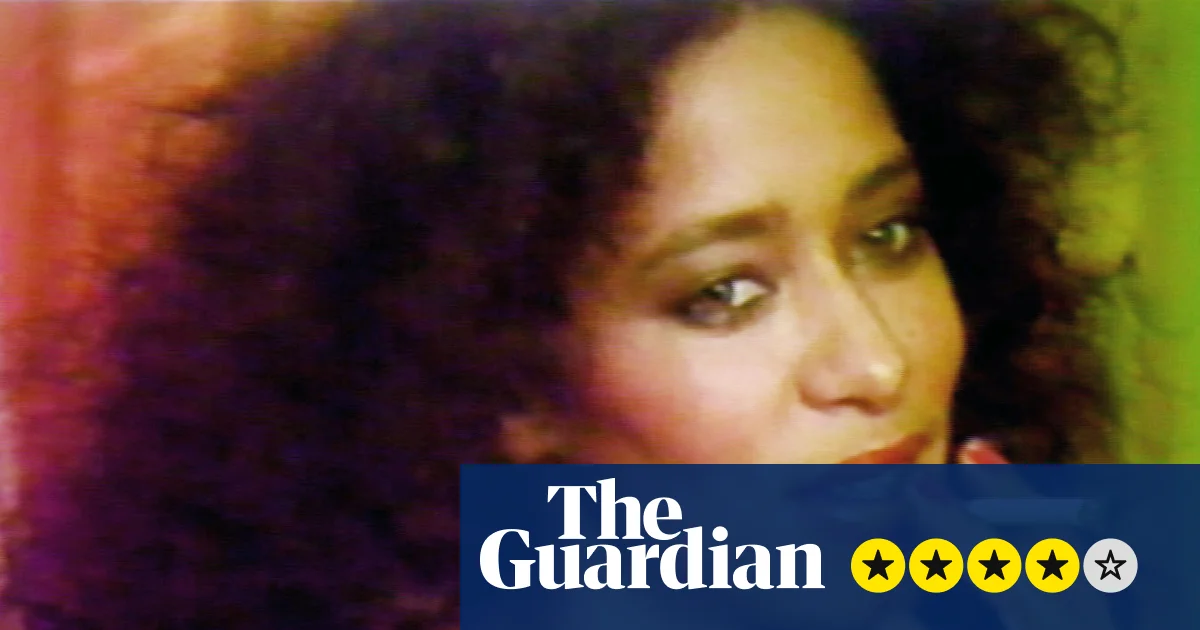
The director is Grant Gee, who made the wonderful documentary Innocence of Memories about Orhan Pamuk. Cinematographer Piers McGrail has shot the film in a smoky high-contrast monochrome, switching to garish colour for three flashforward segments of 1973, 1979 and 1980; these show three other deaths, including Evans’s own, for each of which LaFaro was a kind of forerunner, and each attributable to his musical life.