From ‘honour’ killings to nuclear war, some screen works have led directly legislative action – despite what jury head Wenders suggested at the Berlin film festival
S
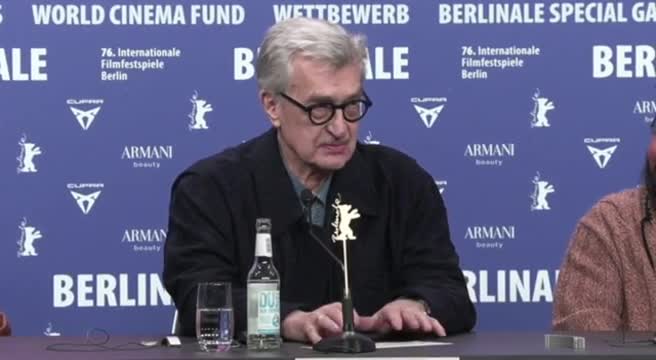
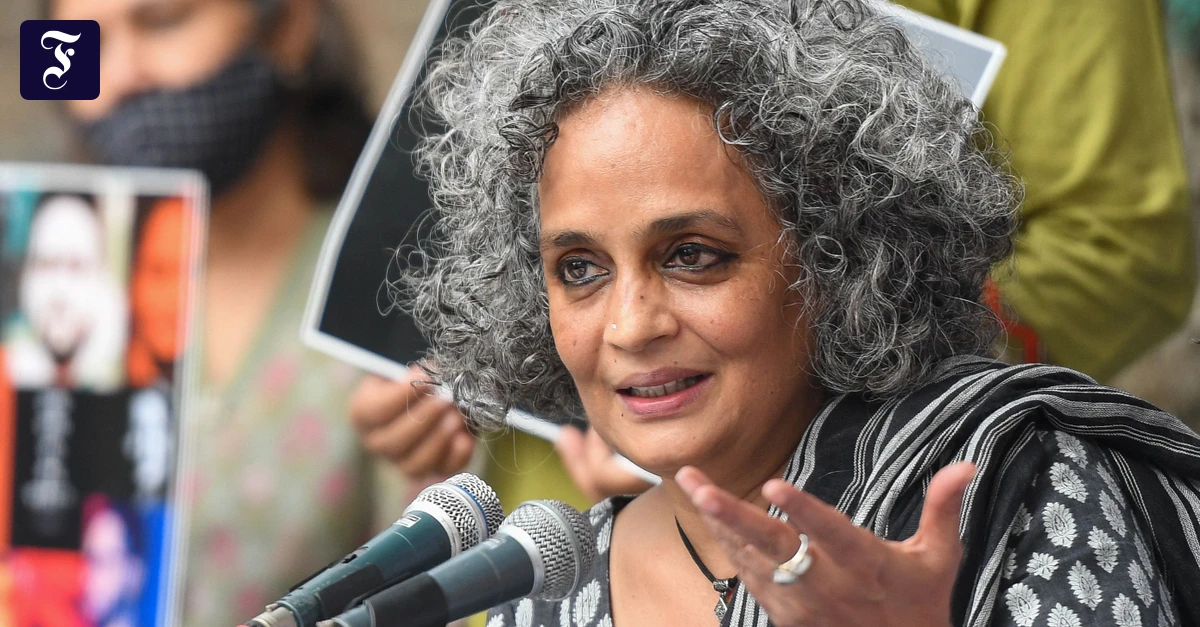
hould film festivals be more than just screenings and red carpets? Should they prompt us to think about the role cinema plays in the world? Novelist Arundhati Roy certainly thinks so. She pulled out of the jury at the Berlin festival in protest at jury president Wim Wenders’ claim that films should “stay out of politics”; she said Wenders’ stance was “unconscionable”, and that to “hear [him] say that art should not be political is jaw-dropping.”
Wenders had suggested that cinema is a way to build empathy, but not directly change politicians’ minds. However this is simply not true. Some films – both documentary and narrative – have not only changed public opinion about social issues but led directly to legislation. Despite evidence to the contrary, politicians are people too. They can be moved. And sometimes they are even moved to action.
Sebastián Lelio’s 2017 drama about a transgender woman fighting to be accepted by her dead partner’s family was a huge success internationally, winning the best foreign language film Oscar. But it was in Chile, where it was filmed and set, that it had the biggest impact. Lelio was invited to the presidential palace by Chile’s then-president Michelle Bachelet, who tweeted: “It was an honor to have the team of A Fantastic Woman here in La Moneda, the people’s house.” The film helped change the political climate in Chile and led to the passing of its gender identity law, which had been stuck in congress for five years.