T
here was just a very narrow window to push through an immensely important piece of legislation. On Thursday, February 12, Prime Minister Sébastien Lecornu took advantage of a brief political lull to reveal and then publish, by decree, France's third multi-year energy plan (PPE3), a strategic document that had fallen victim to misguided political maneuvers and populist pressure for over two years.
France had been due to present this planbefore July 1, 2023, but successive governments repeatedly pushed the deadline back, either because they lacked a majority to pass a law on the plan in the Assemblée Nationale or out of fear of being blocked by the far-right Rassemblement National (RN) party.
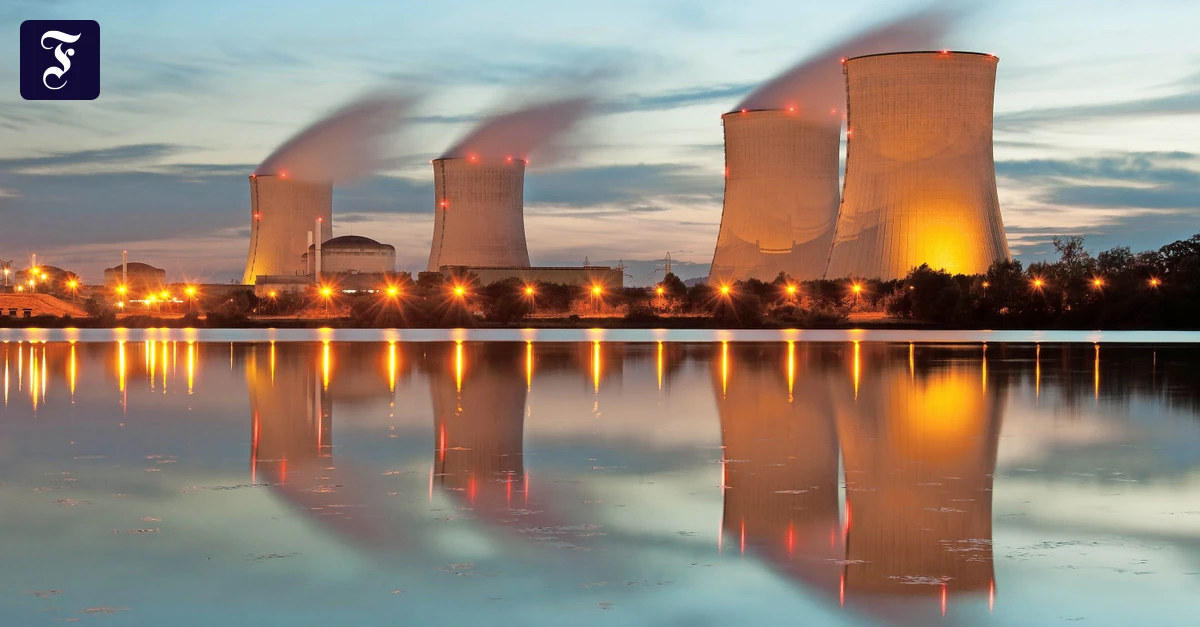
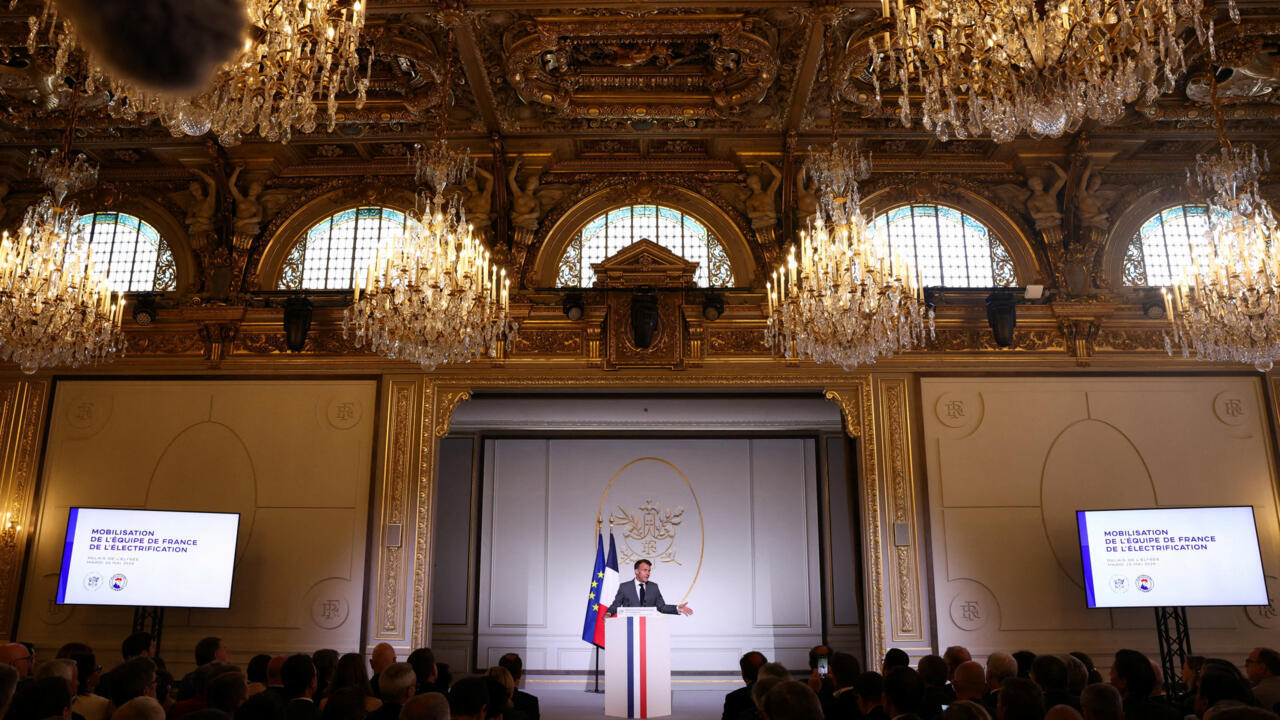
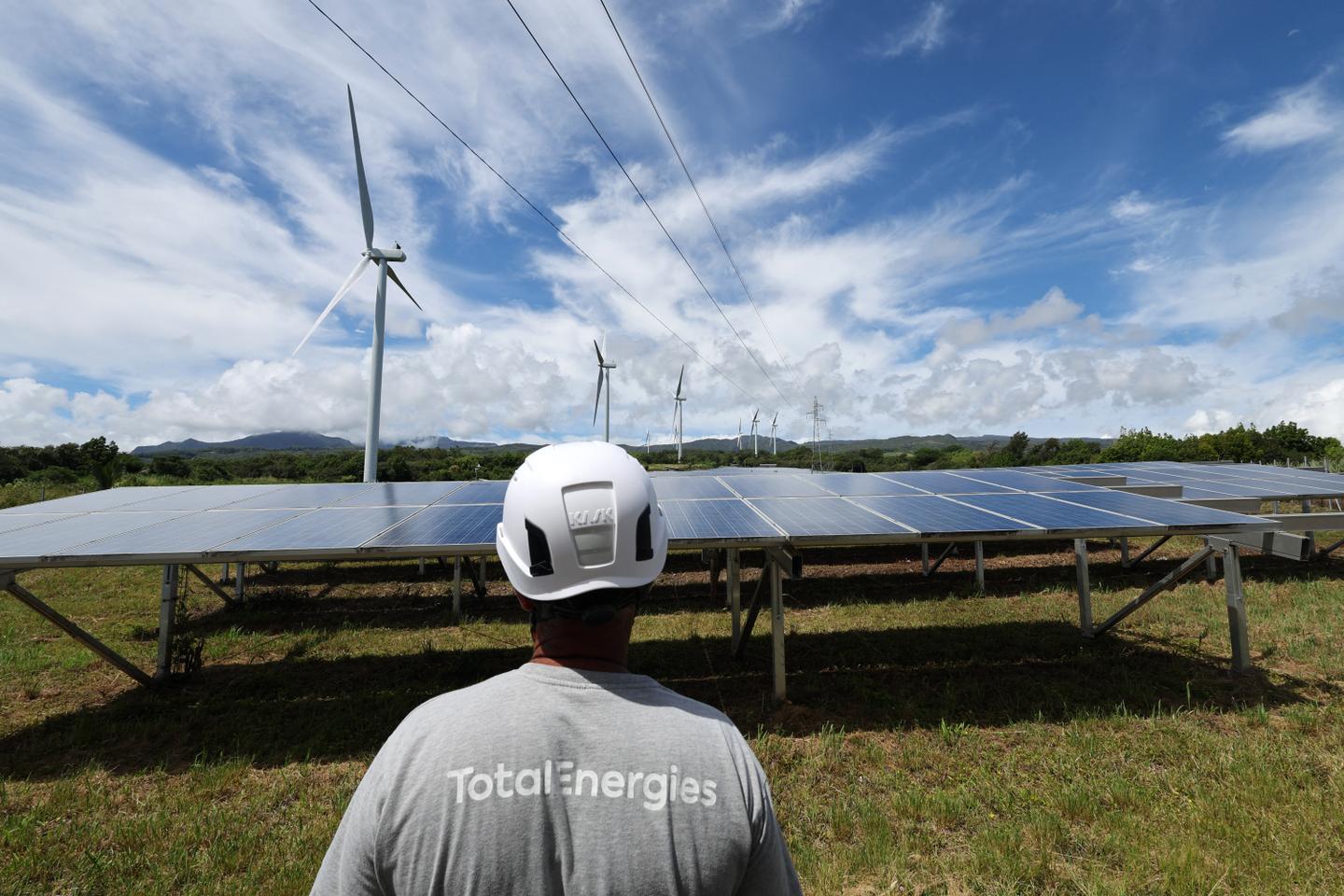
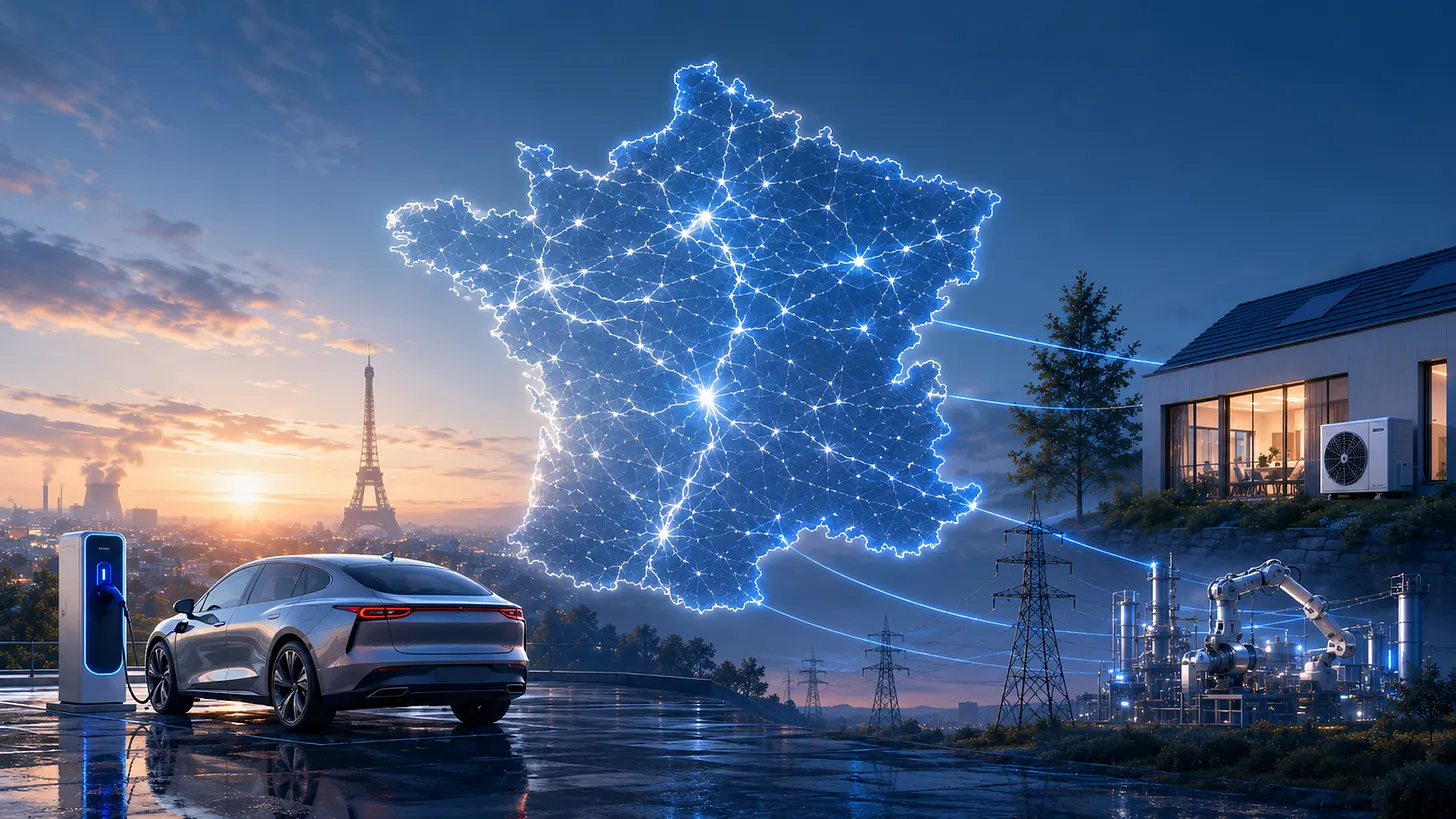
The PPE3 had been long awaited by many industrial sectors, though it does not differ from the main framework that President Emmanuel Macron set out on February 2022, in a speech in the eastern city of Belfort: Over the next 10 years, France is set to primarily rely on nuclear-generated electricity, with the construction of six new EPR reactors and the option to build eight more. However, the plan's renewable energy targets were partially reduced, with a significant slowdown in onshore wind and solar power development.