T
his fall, much of the political debate is focused on the future of France's pension system. However, future generations may be far more critical of another broken promise. Since 2023, planning on environmental issues has come to a halt, and the transition to a greener society has seen significant setbacks.
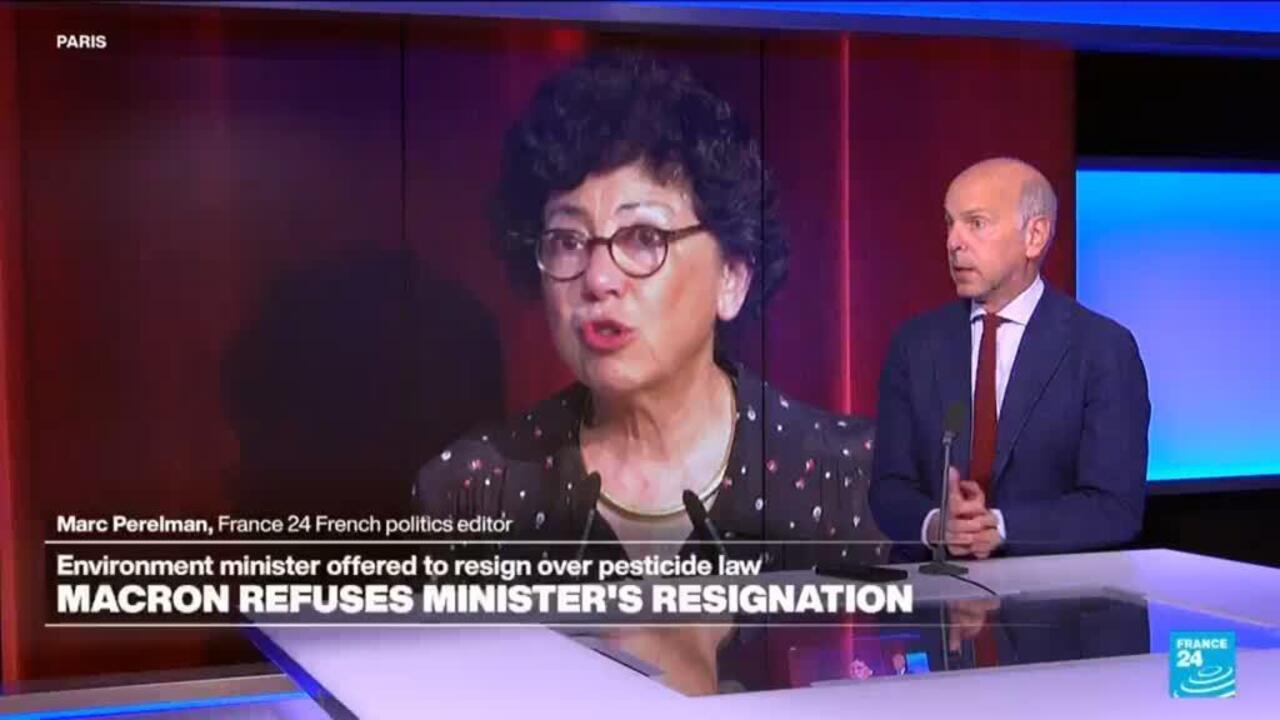
In the spring, lawmakers voted to reintroduce acetamiprid, a neonicotinoid insecticide, before the Constitutional Council ruled the measure unconstitutional. Measures in the 2021 Climate and Resilience Act, such as low-emission zones and the zero net land take policy, have been unraveled. Greenhouse gas emissions have been dropping more and more slowly, and even increased in the first quarter of 2025. Ten years after the Paris Agreement, France is increasingly uncertain it will be able to cut emissions by 55% by 2030 compared to 1990 levels – a vital step in order to achieve carbon neutrality by 2050.
During the period between the two rounds of the 2022 presidential election, Emmanuel Macron promised to introduce a range of environmental policies to win what he called "the fight of the century." Many of his opponents saw this only as an electoral tactic aimed at attracting left-wing voters. In the months following his election, the Elysée laid the groundwork. The prime minister's office was made officially responsible for the mission, with two dedicated ministries (one for the environmental transition and one for the energy transition), and a general secretariat for environmental planning was established. That organization laid out decarbonization plans for every sector through 2030. Even Bercy, France's finance ministry, created a new Treasury sub-directorate responsible for climate issues.