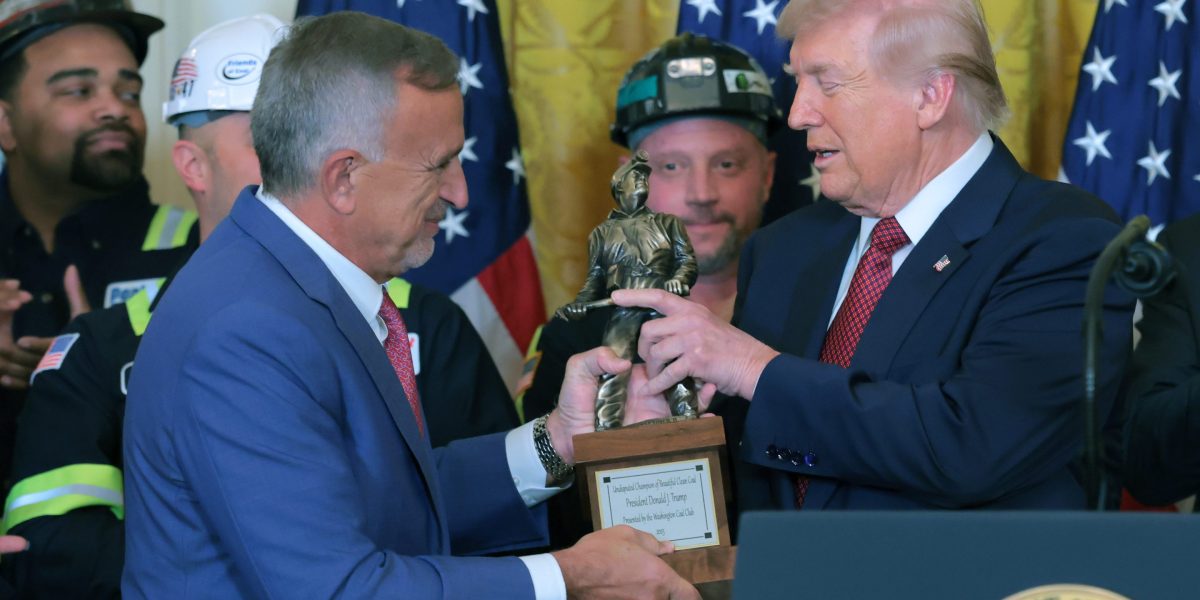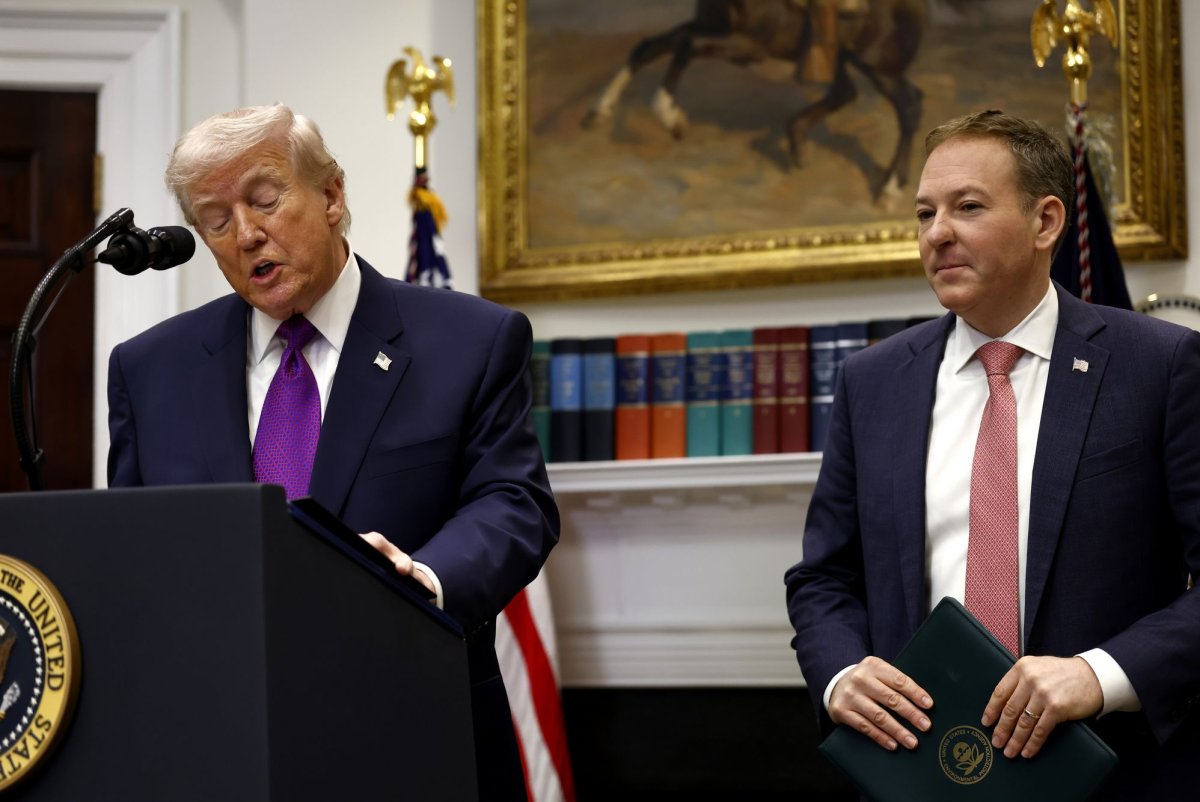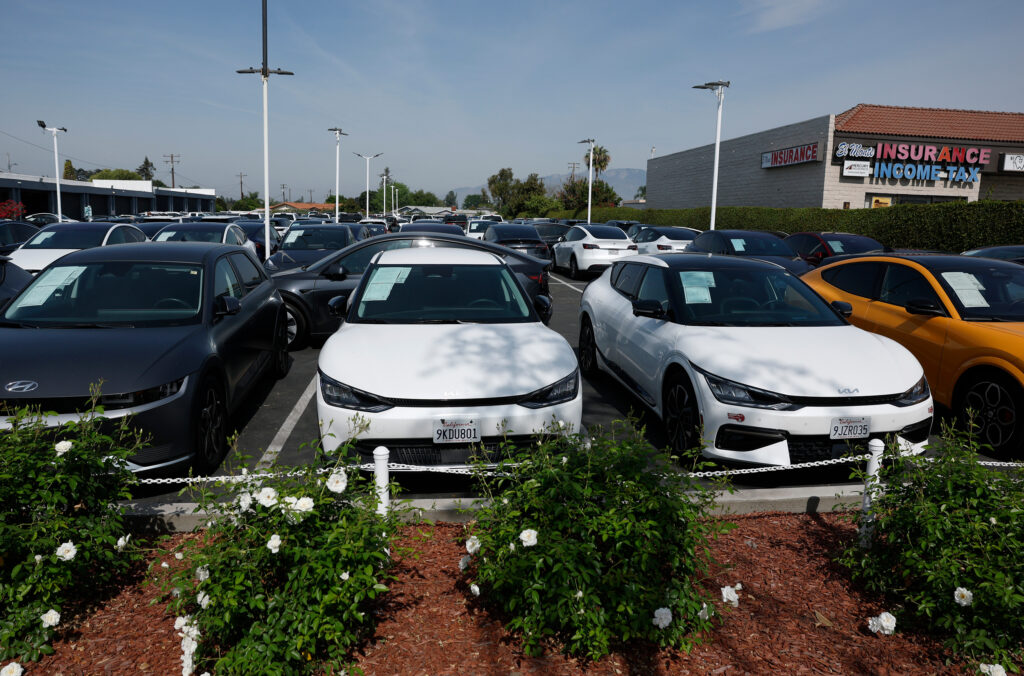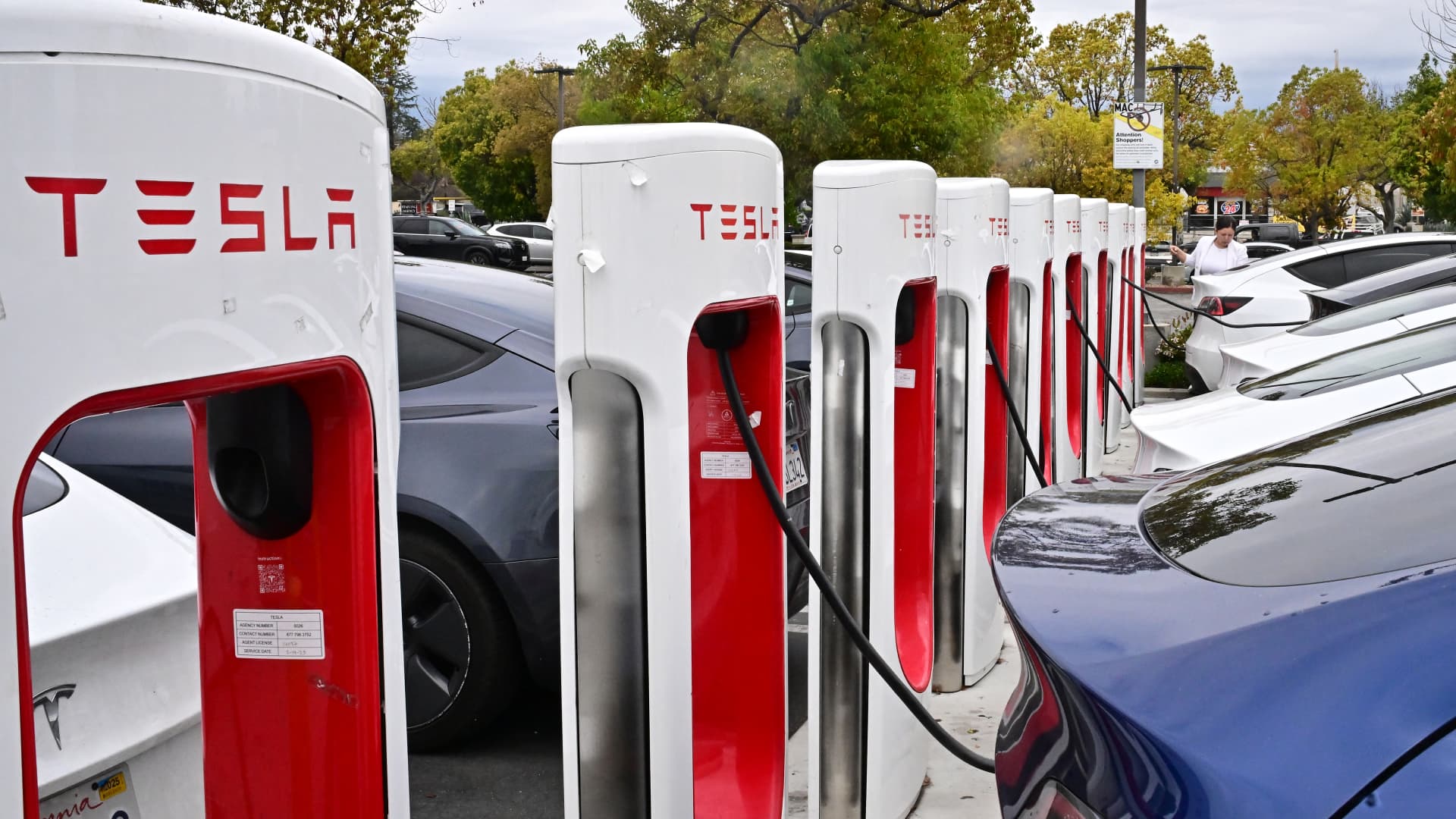
The Environmental Protection Agency’s decision to reverse its findings on the harms caused by greenhouse gases might look like a win for big gas-guzzling vehicles and a disaster for the U.S. electric vehicle market. But critics of the move and some industry analysts argue that the American auto industry can’t afford to back away too much from fuel-efficient cars and EVs.
The EPA is reconsidering a legal framework known as the endangerment finding for several reasons, but chief among them is its conclusion that the Clean Air Act of 1970 gave the agency the authority to regulate airborne toxins that pose a direct threat to human health, not greenhouse gases, which may indirectly cause harm through the effects of climate change.
This finding helped formed the basis of subsequent fuel-efficiency targets, EV incentives and a host of other federal and state policies and programs meant to decarbonize transportation.
The EPA’s reversal is the latest move by the Trump administration and Congress to undo rules and incentives intended to steer automakers and buyers away from fuel-burning vehicles and toward low or zero emission vehicles — most notably EVs.
Last year, Congress removed federal tax credits for EVs of up to $7,500 for a new car, or up to $4,000 for a used vehicle. Sales dropped dramatically in October, the month after the credits went away, according to Cox Automotive.