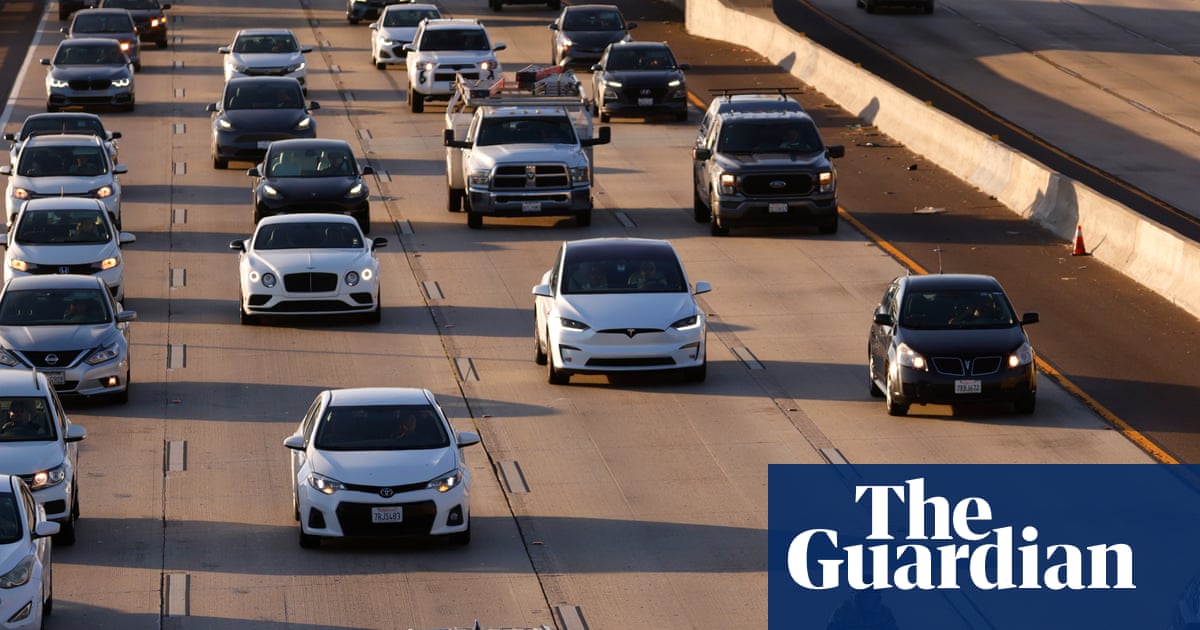
The Trump administration is framing its decision to repeal the landmark legal finding that’s used for the regulation of greenhouse gas emissions—for everything from automobiles to power plants—as the “largest deregulatory action in American history.” And it is indeed a sizable policy shift—but the practical implications won’t change much for the shorter-term operations of the energy and auto sectors, legal experts and industry analysts from across the ideological spectrum said.
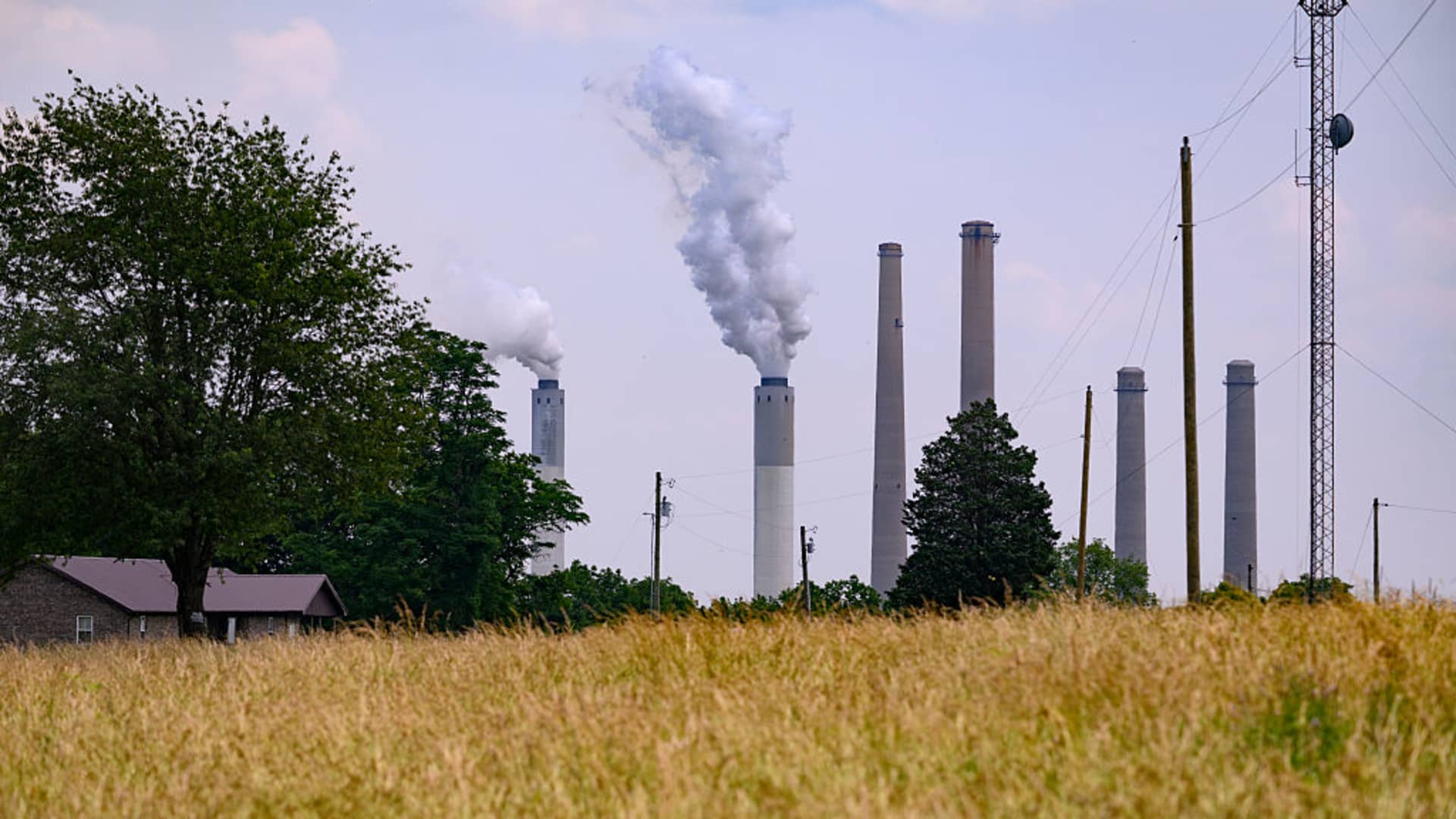
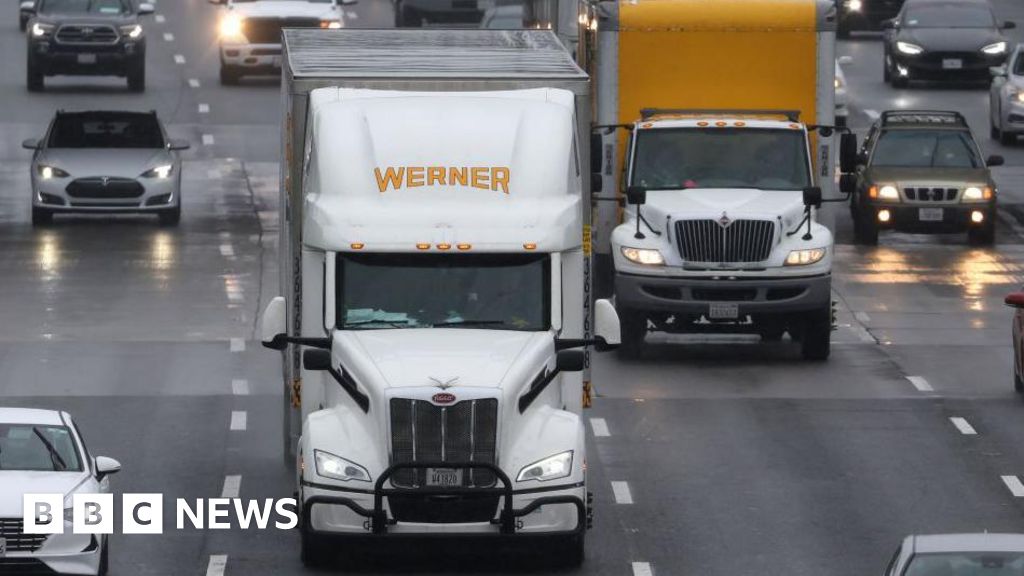
While rescinding the Environmental Protection Agency’s 2009 endangerment finding about climate change may help extend the lives of existing coal plants and of internal combustion engine vehicles, existing regulations largely remain intact as industries continue to move toward safer and cleaner technologies overall, they said. And nobody is building new coal-fired plants.
“We don’t have a bunch of fedora-wearing fat cats sitting around going, ‘I can’t wait until the endangerment finding gets repealed, so I can crank the CO₂ all the way up,’” said Eric Groten, senior partner for environmental and natural resources law at Vinson & Elkins, which represents energy clients. “The idea that suddenly we’re going to have unregulated power is a false fear. We’ll be unwinding very little that has already been put in place.” Groten also said that the repeal would prevent “irrational overregulation” under Democrats.