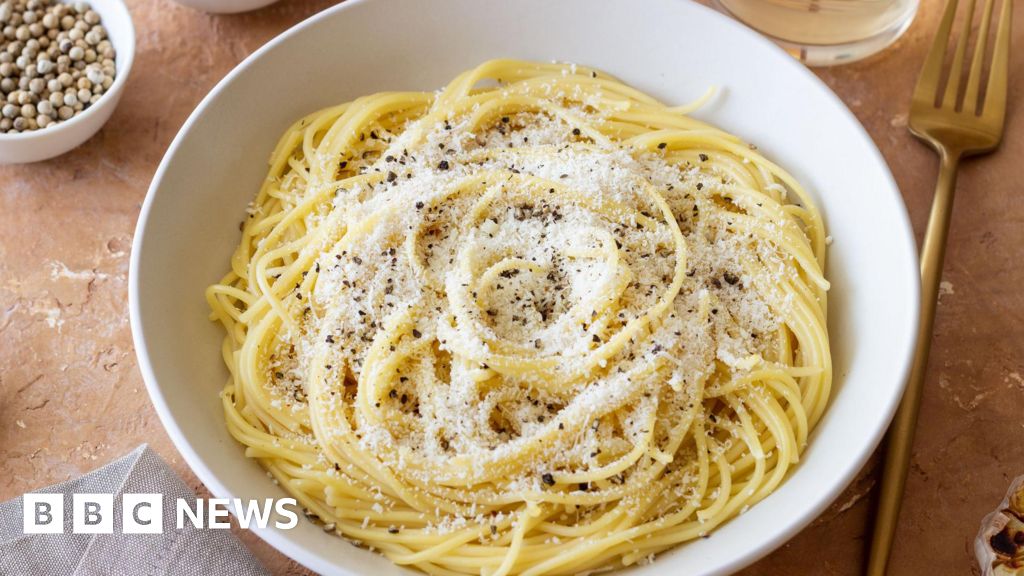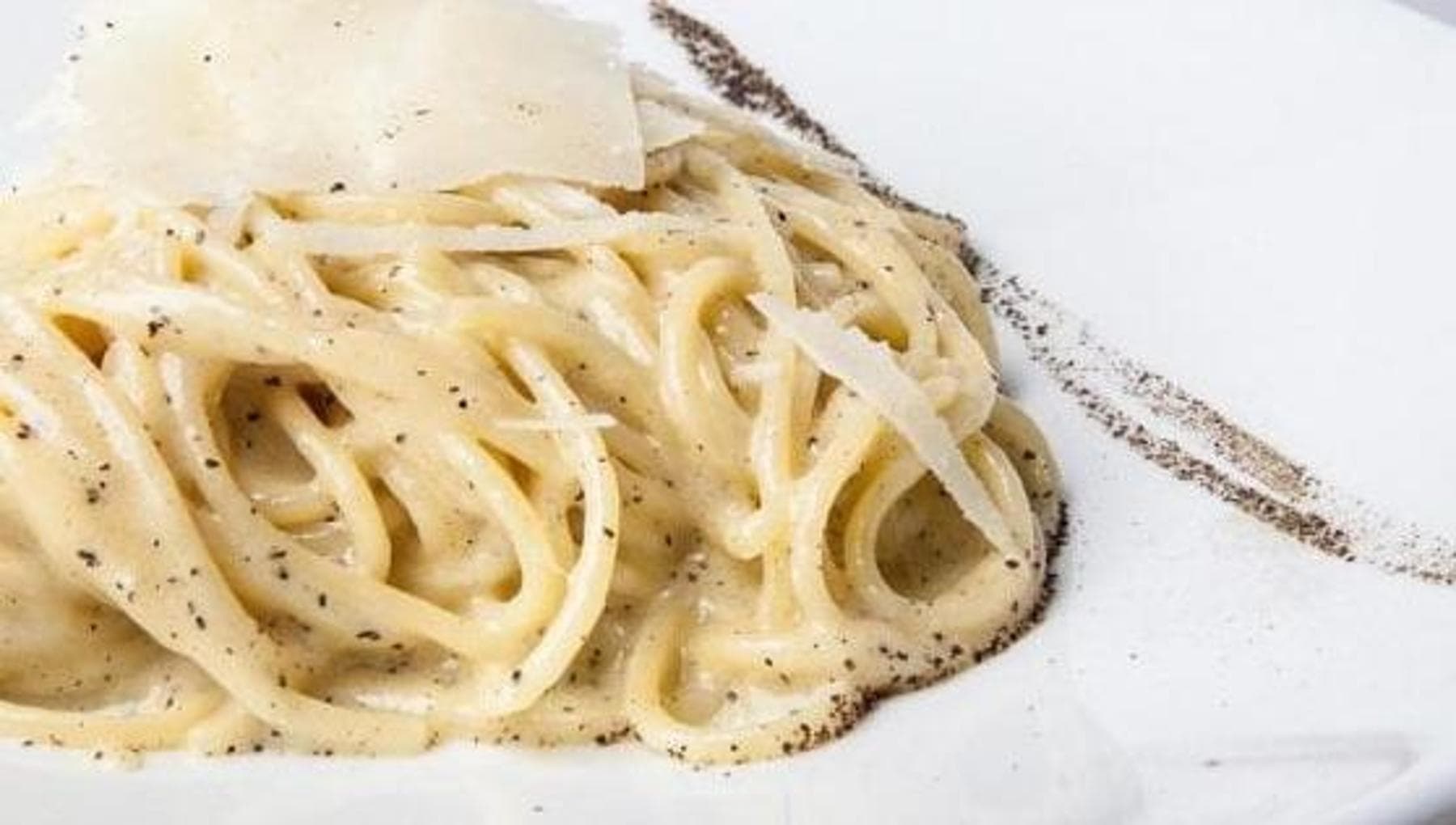
Shaken and rubbed in a cloth, this simple Italian classic has never tasted better
N
ightclubs, mechanics, restaurants, a theatre, a wholesale butcher and an Apostolic church occupy some of the network of caves and tunnels that, over the centuries, were burrowed into Monte Testaccio, an ancient rubbish dump hill in the middle of Rome that’s made entirely of broken amphorae. Some places make a feature of their situation, revealing sections of pots not dissimilar to the cross section of snapped wafer biscuits, while others have smoothed the curves with plaster.
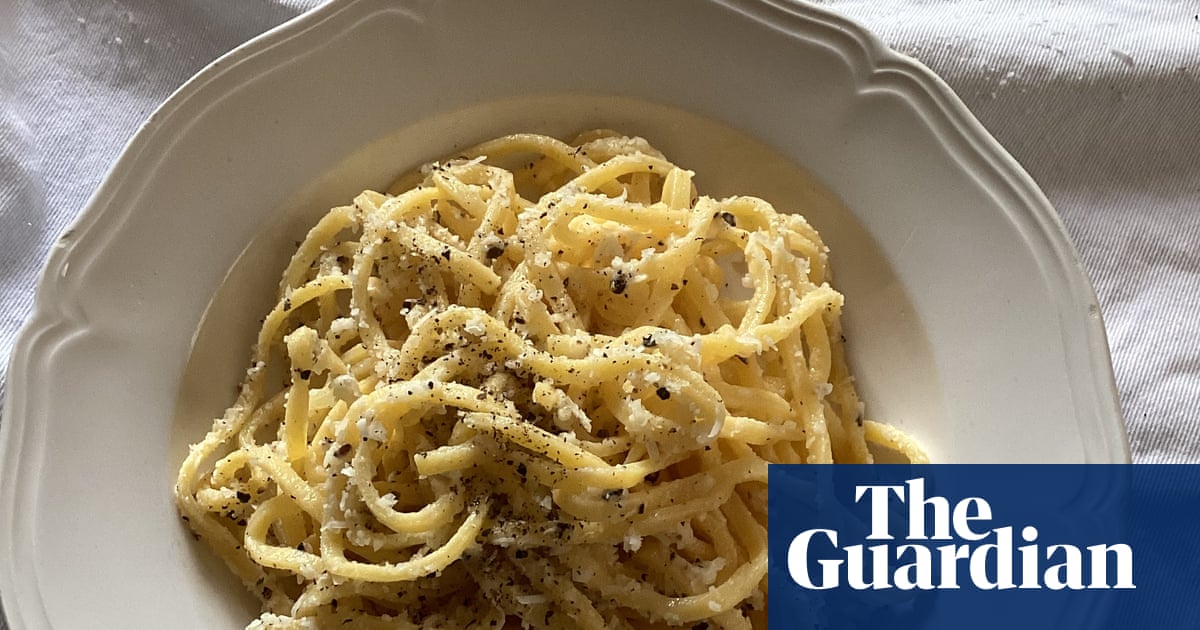
A few use the caves as originally intended – that is, as natural warehouses offering steady low temperatures and good humidity. In short: the ideal temperature for storing certain foods and wine. Most recently, Vincenzo Mancini, whose project DOL distributes artisanal products from small agricultural realities in Lazio, has taken over a deep cave behind door 93, reclaiming it as an urban ageing space for cheese and cured meat. I visited a few months ago with the chefs from Trullo in London, to do a cheese tasting – and to eat an unexpected cacio e pepe.
Cacio and formaggio: two words for cheese. The older of the two is cacio, from the Latin word caseus, which may well come from cohaesus (cohesive), describing the transformation of milk into curds. Formaggio came later, from the medieval Latin formaticum (form), which in turn comes from the Greek φόρμος, the name given to the wicker container in which curdled milk was placed in order to drain and shape.