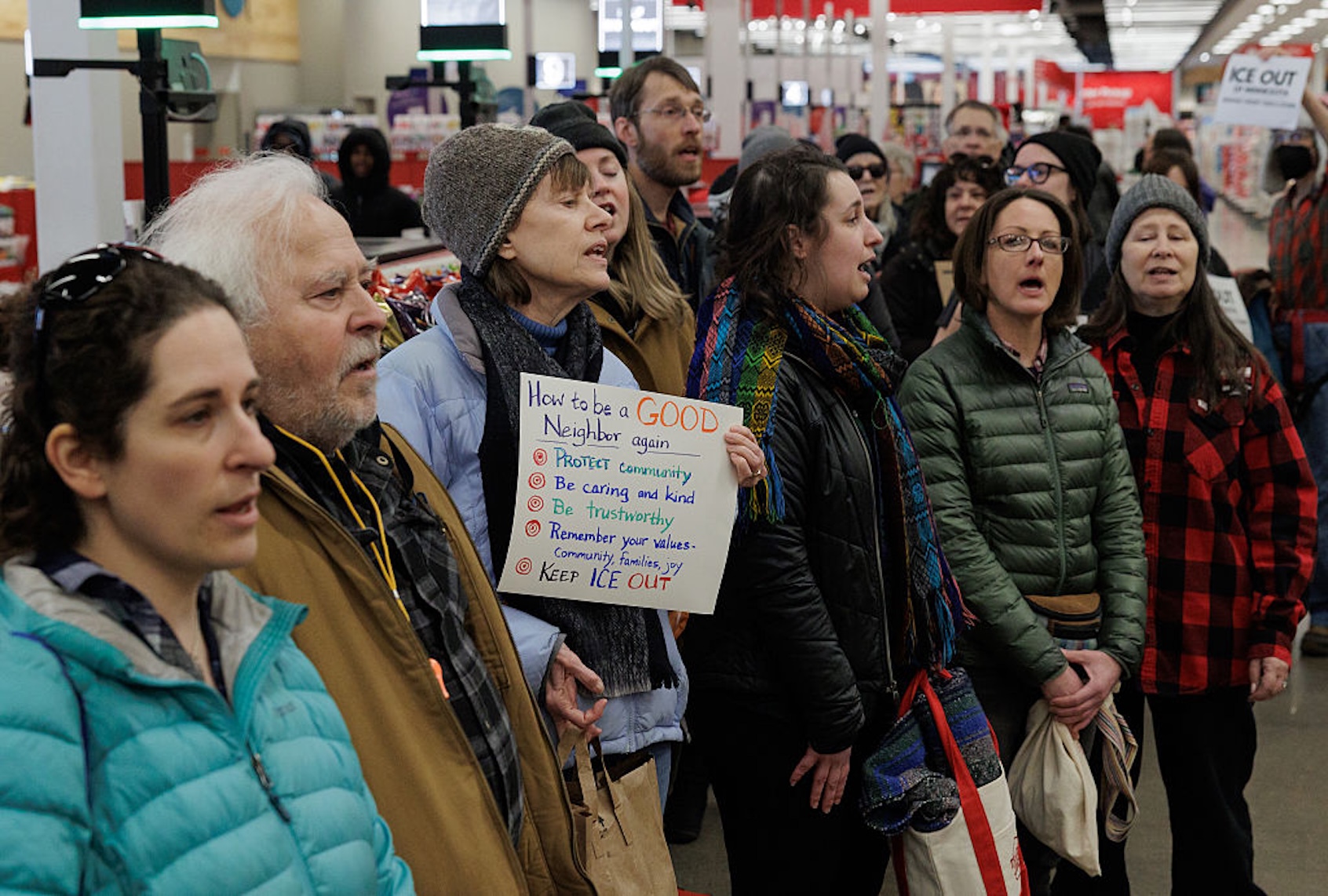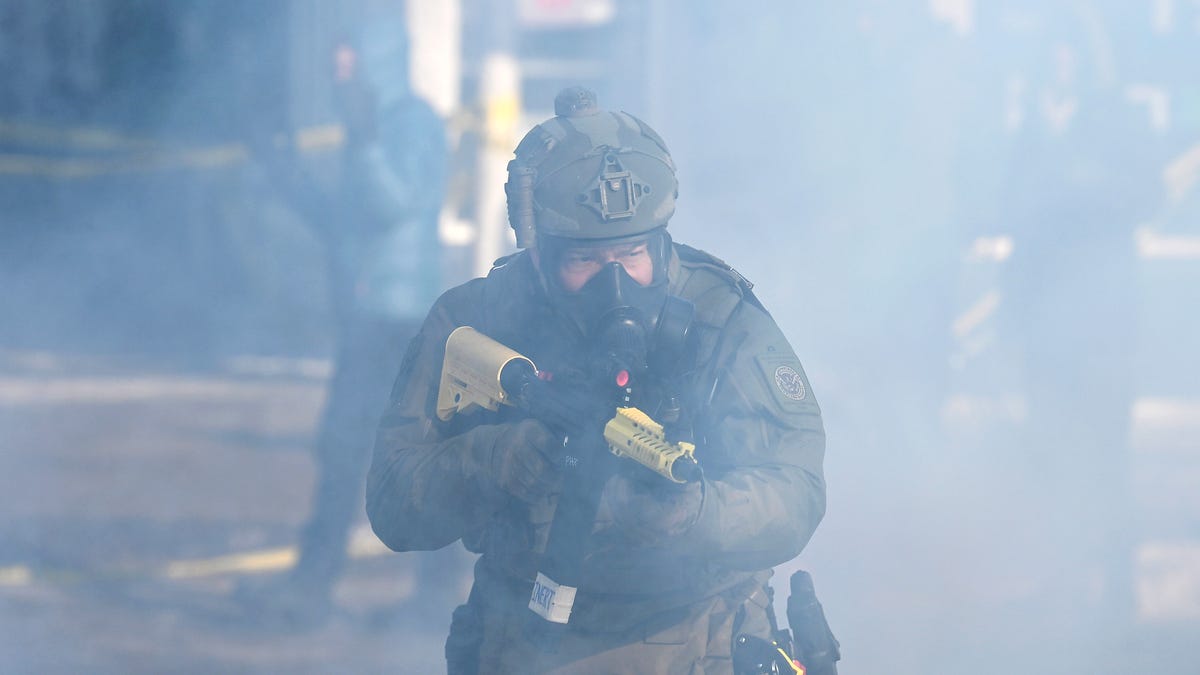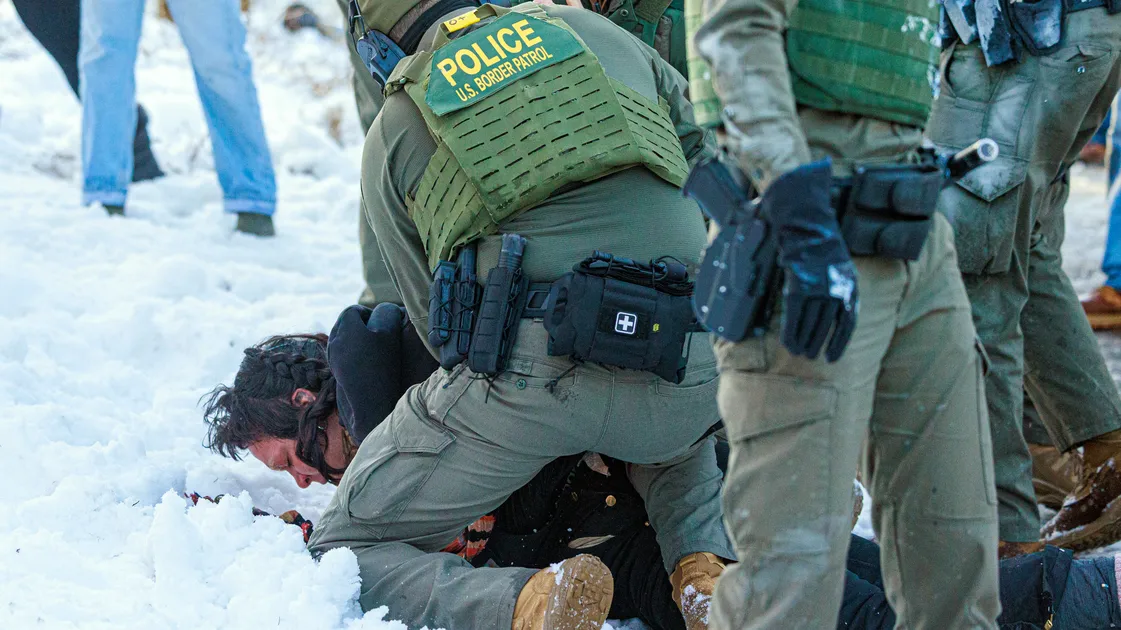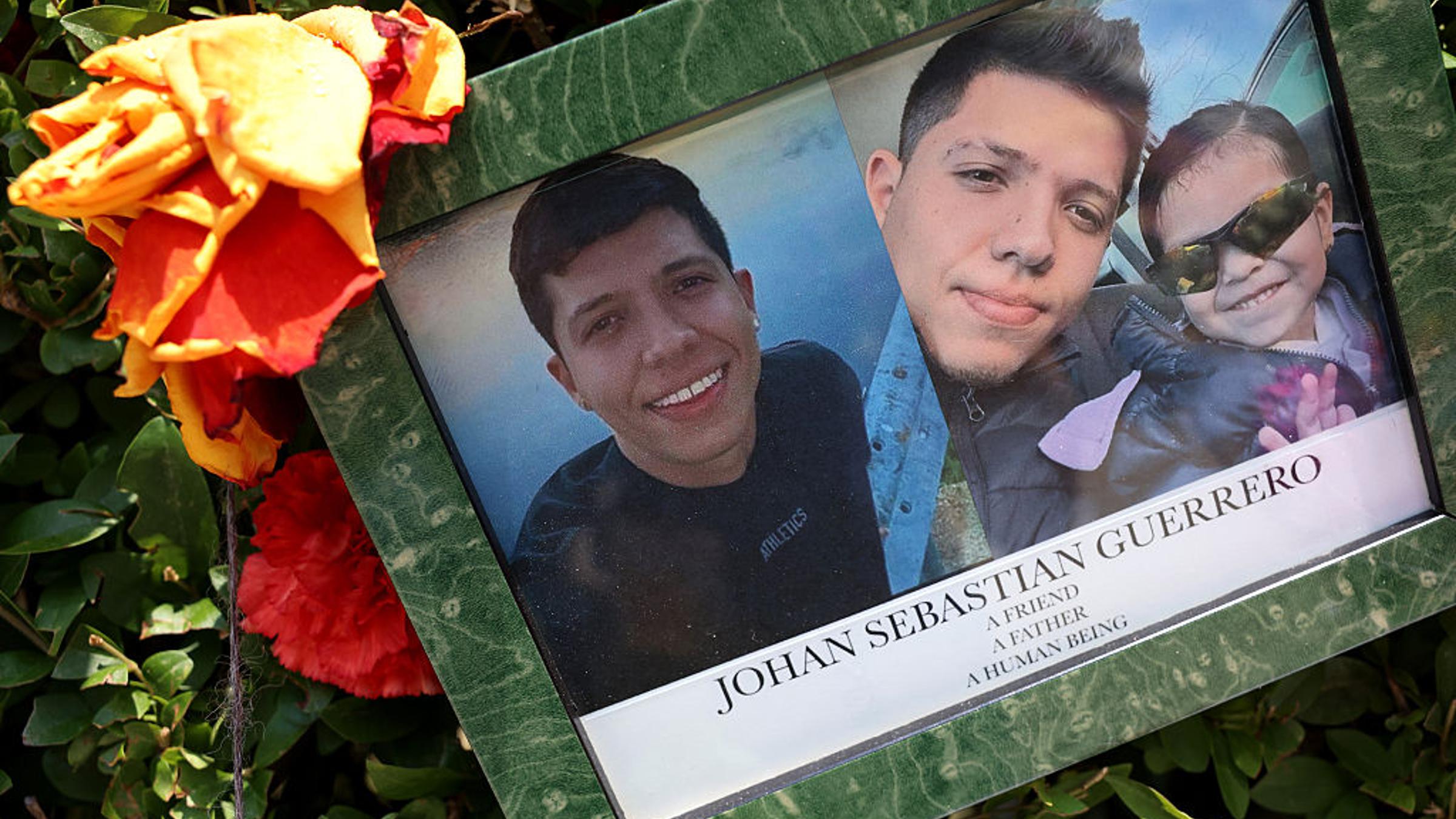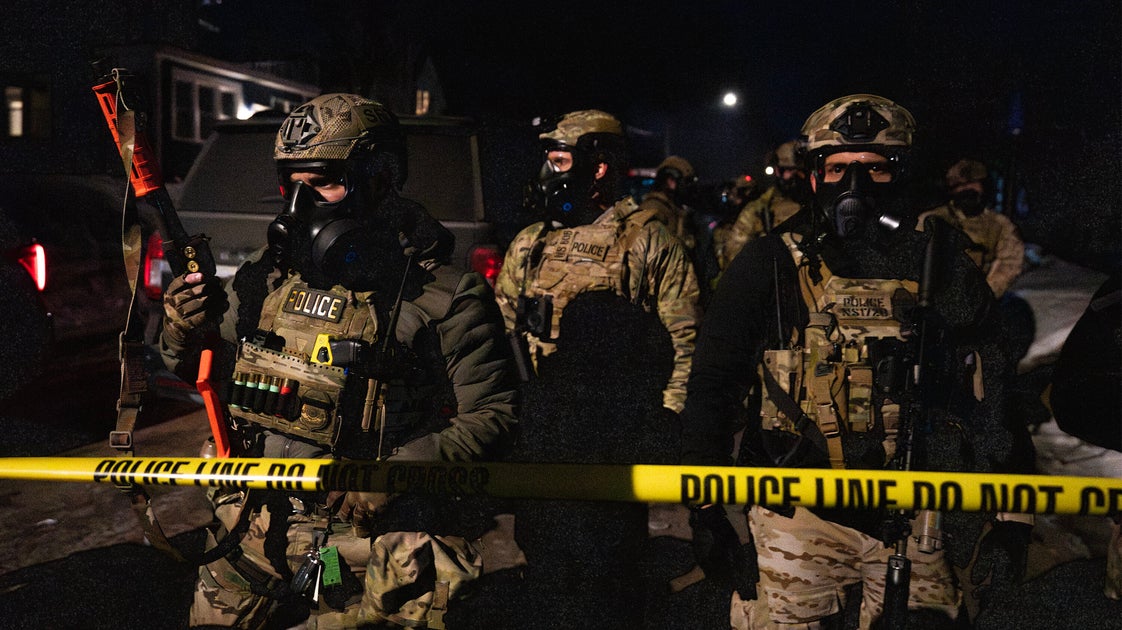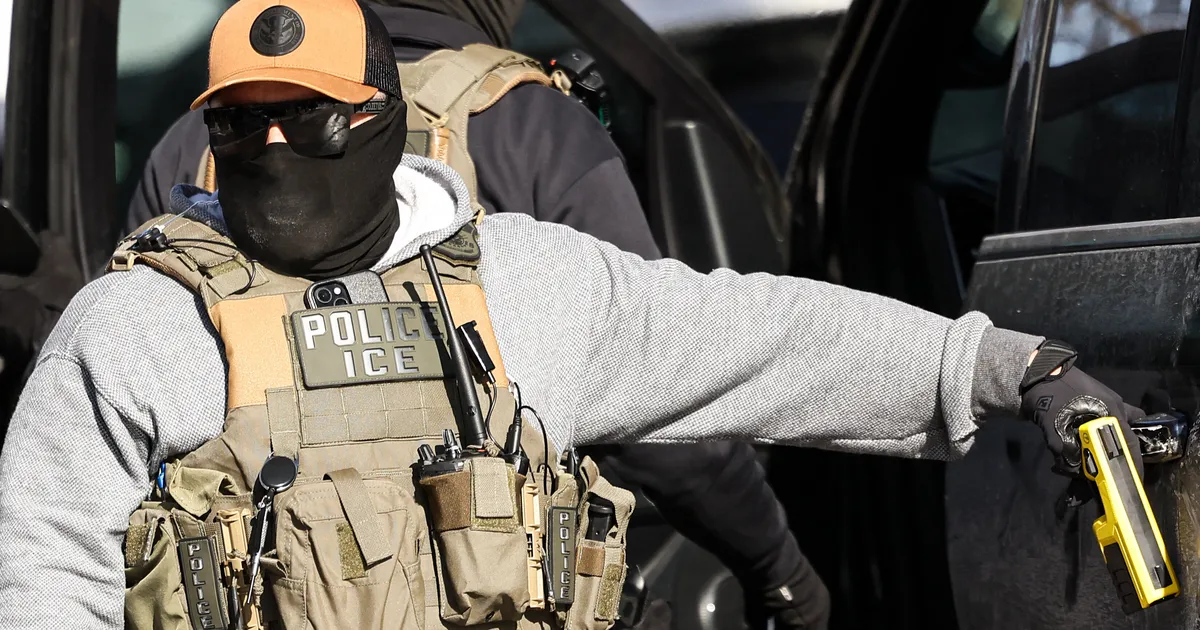
For many Americans, the killings of Reneé Good and Alex Pretti in Minnesota at the hands of federal immigration officials are eliciting a new empathy for victims of state-sanctioned violence. As evidenced in recent “SNL” skits, WaPo illustrations and maybe even your own group chats, some people are just now learning that these types of deaths were possible — or, rather, that they could happen to someone who looked like them. For them, the realization that authorities can harm the very people they are designed to protect and serve is a new awakening. But those Americans who look like me already knew this ugly truth. We’ve been through this moment (many times) before. If you chanted the name George Floyd at a protest following his murder in May 2020 or watched in a trance the 2016 video of Philando Castile slowly dying after being shot during a routine traffic stop, then you have already seen what the metro Minneapolis area has been contending with for a decade. But even before those police killings, for generations, communities of color everywhere have experienced overly aggressive policing and repressive policies. That’s why so many of us warned the rest of America that this was a likely outcome of voting a self-proclaimed dictator into office. From his early “lighthearted jokes” on “thugs,” family separations and sexism, we could hear the canary in the coal mine singing loudly.So how do you cope? How do you mourn? How do you fight back? The author (left) pictured on April 29, 2025, at the 25 Hour Speakout on Columbia's campus that she co-organized with Susan Witte (right).Photo Courtesy Of Riana Elyse AndersonAs a licensed clinical and community psychologist and researcher, I’ve been observing the psychological warfare being waged against our country over the last year. It is important to me to share what Black Americans know about how to preserve our minds, bodies and peace based on the centuries of oppression waged against them and other people of color in this country.Indeed, there are several tools and strategies that we have passed down, and, importantly, that science also supports, to help you process the disbelief, denial and distress you may be experiencing for the first time.1. Don’t watch the videos. At present, there are millions of views on videos showing the violent deaths of Renee Good and Alex Pretti. Don’t watch (or re-watch) the videos. This is not about avoidance; it’s about protecting your mental health. Research shows that watching the footage can contribute to increased anxiety and trauma, neither of which brings our neighbors back. Sadly, this is advice I’ve had to share before. After the killing of Tyre Nichols in Memphis, both the Nichols family and authorities insisted on releasing the video. But there is nothing to be gained from observing such a violent loss of life. In fact, his family also released other videos of him experiencing joy, being a great dad and living his life freely, encouraging video seekers to watch those instead. So know that there are other ways of protecting your peace and rejecting the urge to normalize what is categorically not normal.2. Protest anyway.When the state uses force to repress its people, it is meant to silence our voices and stifle our activism. It’s even happening to our journalists, like Don Lemon, who was just arrested by federal authorities for reporting on a demonstration against ICE. Protest anyway. Protesting is not only about the outcome, but also the process. Science backs this up. Psychological studies show that engaging in purposeful actions can boost our efficacy, sense of empowerment and collective action. So, even if it seems difficult, or time-consuming or even potentially dangerous, know that it is critical for change — both in the community and for yourself.3. Remain active in the long-term fight.It is critical for us to understand how collective resistance can withstand repressive forces and change the course of policies and procedures ― even as we struggle to cope with challenging times. The Border Patrol commander-at-large overseeing immigration enforcement in Minneapolis was replaced, and the number of agents in the streets is being scaled back as I type. Our collective outrage — which we demonstrated online and in person, especially outside in cities like Minneapolis, withstanding freezing temperatures — is making a difference. And not just for these two unjustified murders, but for all Americans — even the ones who may not look like them.To those new to this not-so-exclusive club: Welcome. It can feel quite traumatizing to wake up in a new reality, but it can also be a transformative beginning to new beliefs, practices and policies — both personally and communally. In a Human Behavior and Social Environment class that I’m teaching right now, my students are learning about turning points in one’s development. These critical experiences in our lives significantly change who we are and how we see ourselves. How will you see yourself after watching these past few weeks unfold? How can you better take care of yourself in moments of deep distress, of communal mourning? How does one acknowledge that these moments have been happening over time to many communities, who have pleaded for visibility? This turning point — the realization that everyone is at risk of government overreach — can teach us the importance of being committed to action and taking care of ourselves, our neighbors and our communities. This is especially important for people who have not seen the harms that have happened to neighbors or other communities in the past. White Americans often live in communities that are homogenous and struggle to empathize with realities that they cannot perceive as feasible based on their own lived experience. We have all had to bear witness to the experiences of victims of police violence recently. There is no escaping it ― even if you are a member of the most privileged groups. We are seeing in real time that privilege is no longer sufficient to keep you safe. This moment ― this point of no return ― requires us to take stock of what we will do differently moving forward to keep ourselves psychologically and physically safe.To the young people who I saw en masse at protests with signs denouncing what they have witnessed with their own eyes: Keep leading, keep teaching, keep applying pressure. And for those who are trying to find their role, remember the lesson of this moment: If violence is normalized against any member of society, it will inevitably happen to you, too. Change can only happen when everyone is protected. As we recognize and pay homage to those lost in this moment, let us do the same for those who have been lost in the struggle for generations.Dr. Riana Elyse Anderson is a licensed clinical and community psychologist, associate professor at Columbia University’s School of Social Work, and affiliate with Harvard’s Hutchins Center for African & African American Research and FXB Center for Health and Human Rights. She is a Public Voices Fellow of The OpEd Project in Partnership with National Black Child Development Institute.Do you have a compelling personal story you’d like to see published on HuffPost? Find out what we’re looking for here and send us a pitch at pitch@huffpost.com.
I’m A Psychologist Who Is Also Black. It's Crucial You Do THIS To Protect Yourself In The Wake Of ICE Violence.
"To those new to this not-so-exclusive club: Welcome."
1,205 words~5 min read