The White House of 2036 will have a mammoth task on its hands: It will need to rustle up more than $2 trillion a year to pay the interest on its national debt burden, approximately 5% of the nation’s entire economy.
According to the latest projections from the Congressional Budget Office (CBO), the U.S. government will continue to run a sizeable and growing deficit over the next decade. In 2026, the shortfall will stand at about $1.8 trillion, or 5.8% of GDP. Come 2036, that will have ballooned to $3.1 trillion, or roughly 7% of the American economy.
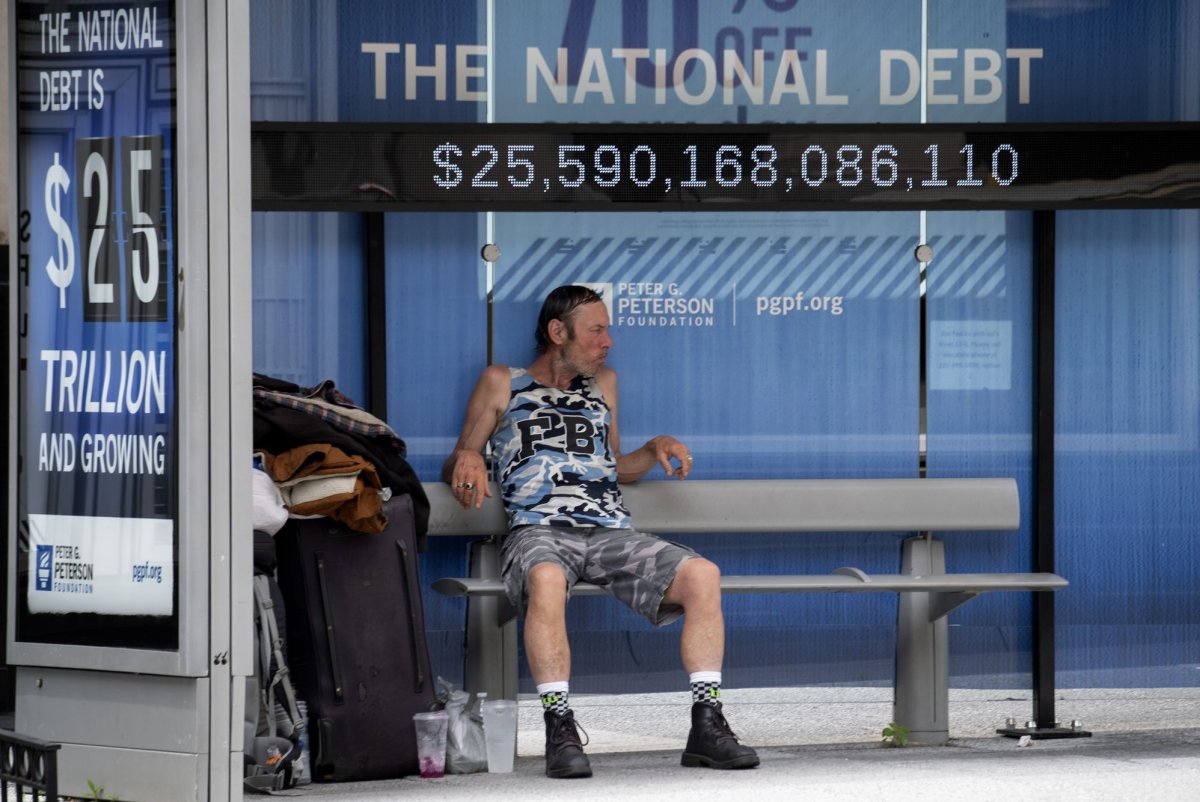
Projections of increased borrowing year after year—irrespective of whichever party is in the White House—means the U.S. will also increase the burden of interest payments needed to service its debt. At the moment, America’s national debt stands at $38.59 trillion, with Treasury data showing the government has paid out $427 billion in interest this fiscal year alone.
While the Treasury has grown used to servicing its debts to the tune of more than a trillion dollars annually for the past few years, that figure will double to $2.14 trillion by 2036, nearly double the yearly budget for spending on defense. According to an analysis released by the Committee for a Responsible Federal Budget in December, $1 trillion per year in annual interest payments will be normal from here on out.