Steve Miller joined office furniture manufacturer Steelcase in 1999 as a software developer, coinciding with the tail end of the dot-com boom times that birthed future tech giants like Amazon and eBay, as well as plenty of flops like Pets.com and Webvan.
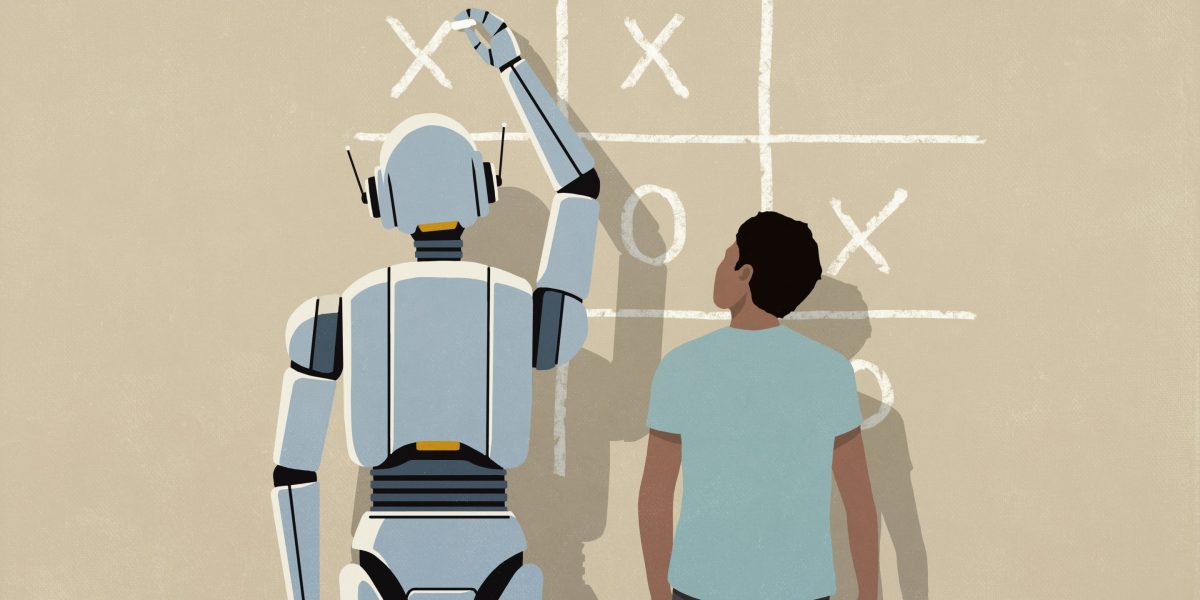
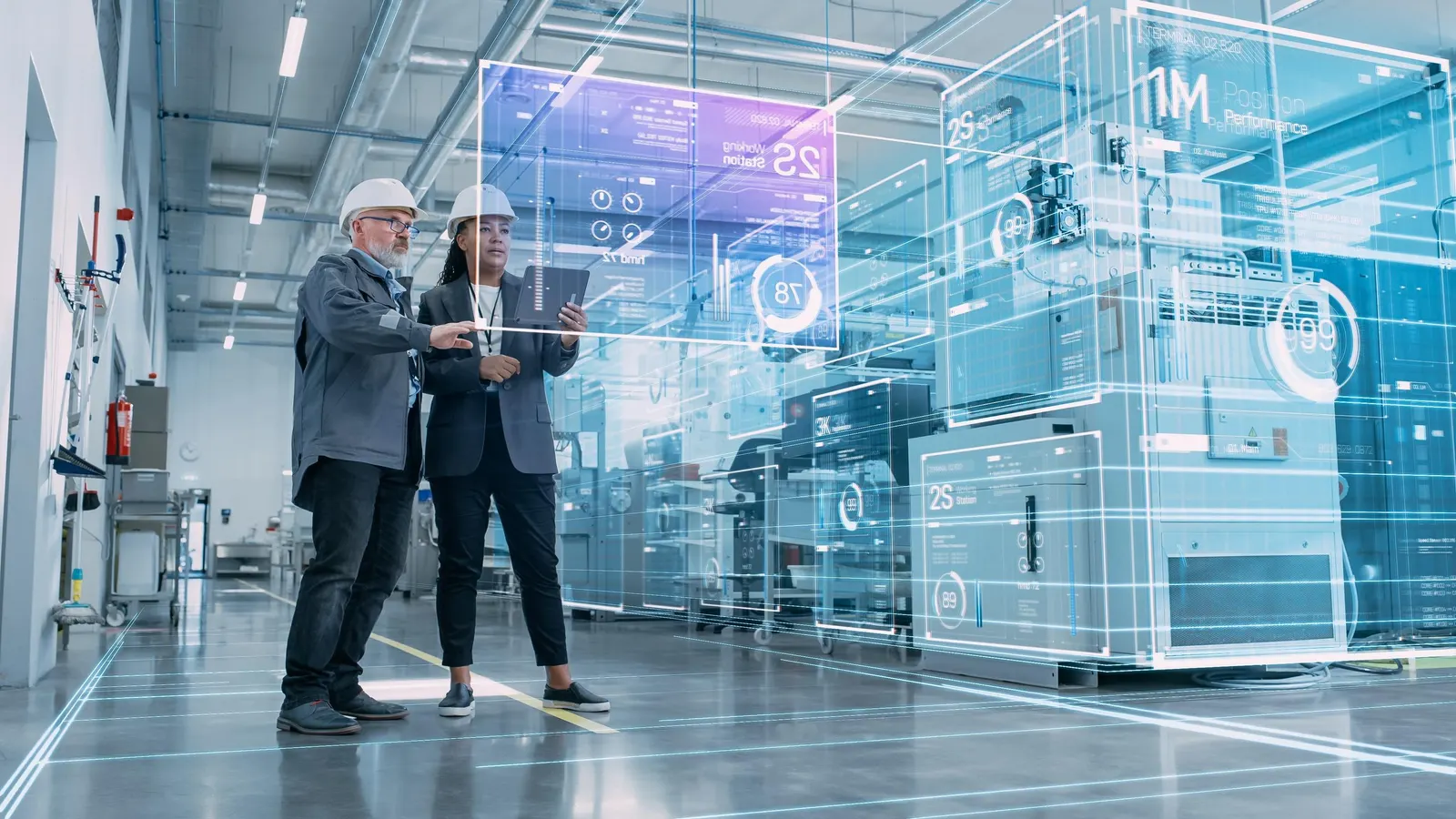
But regardless of the ultimate resiliency of those businesses, the dot-com wave led to a proliferation of technology tools across nearly all sectors. Employers embraced open plan office layouts, ripping out private rooms in favor of spaces that promoted greater collaboration. Desks were redesigned to factor in increased usage of laptops and dual-monitor workstations. And now, as AI usage steadily increases among U.S. employees, Miller anticipates that office design will change yet again.
“This AI super cycle is changing the way people are working,” says Miller, chief technology officer at Steelcase, which was acquired by rival HNI in a $2.2 billion transaction that closed in December. The merger is a bet that the larger, combined company can benefit from stricter return-to-office policies.
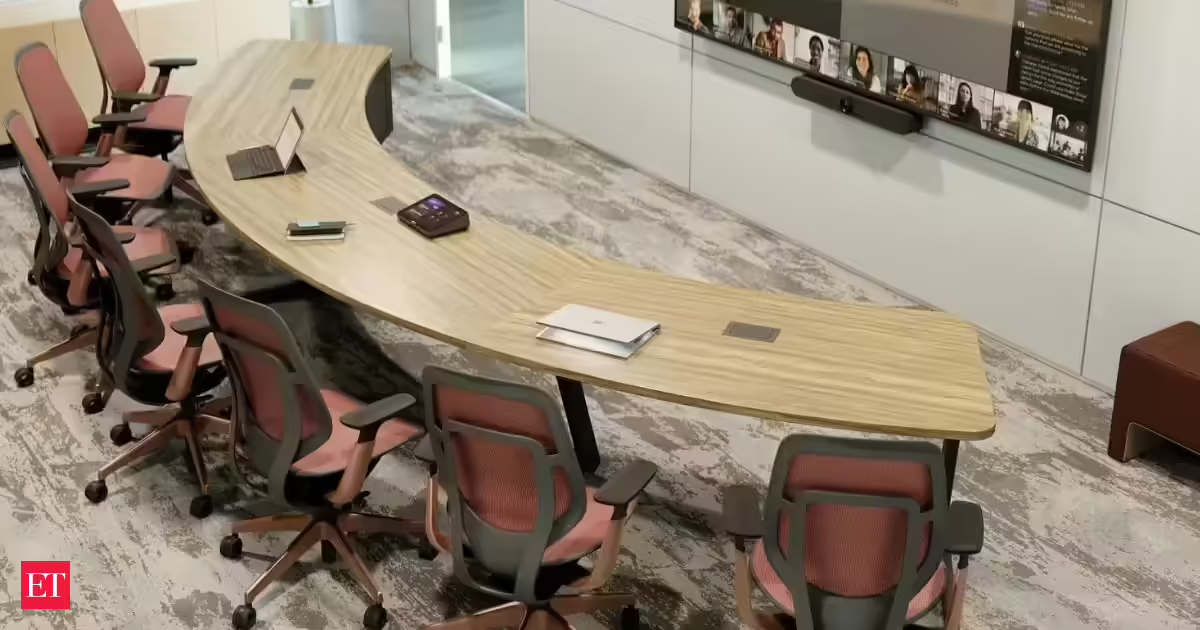
Miller says the company has forged partnerships with tech giant Microsoft and Logitech, a Swiss maker of peripheral computer products like keyboards, headphones, and mice, to better understand how AI is changing work and what workspaces employees will need to support their new responsibilities. Steelcase says that furniture, acoustics, camera positioning, and lightning will all need to be reconsidered