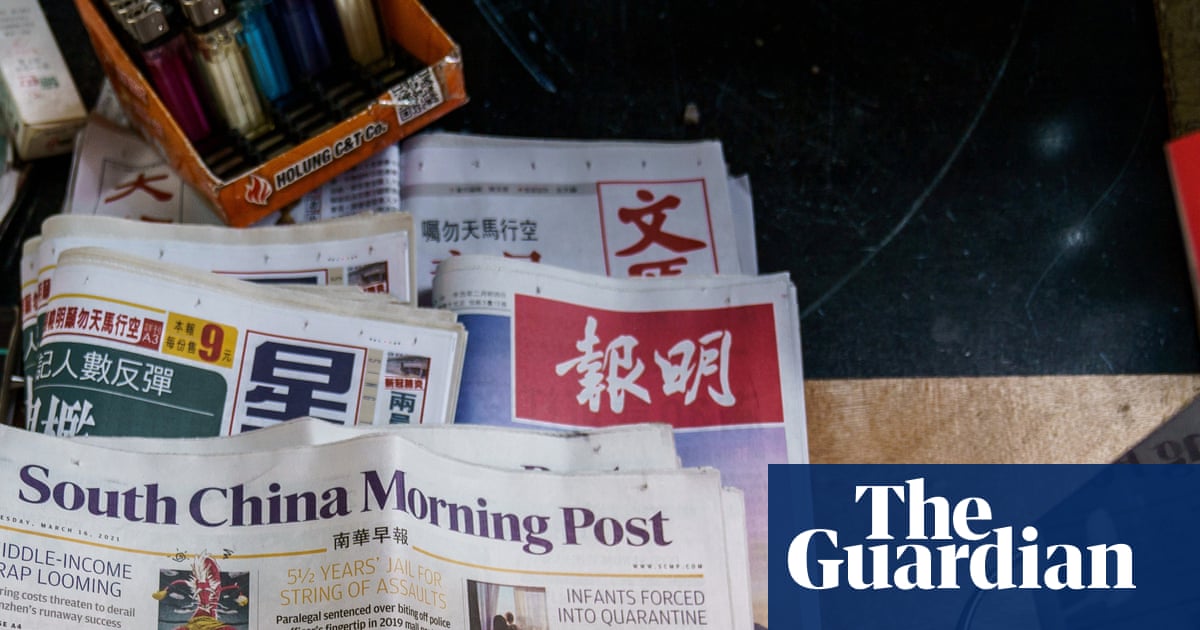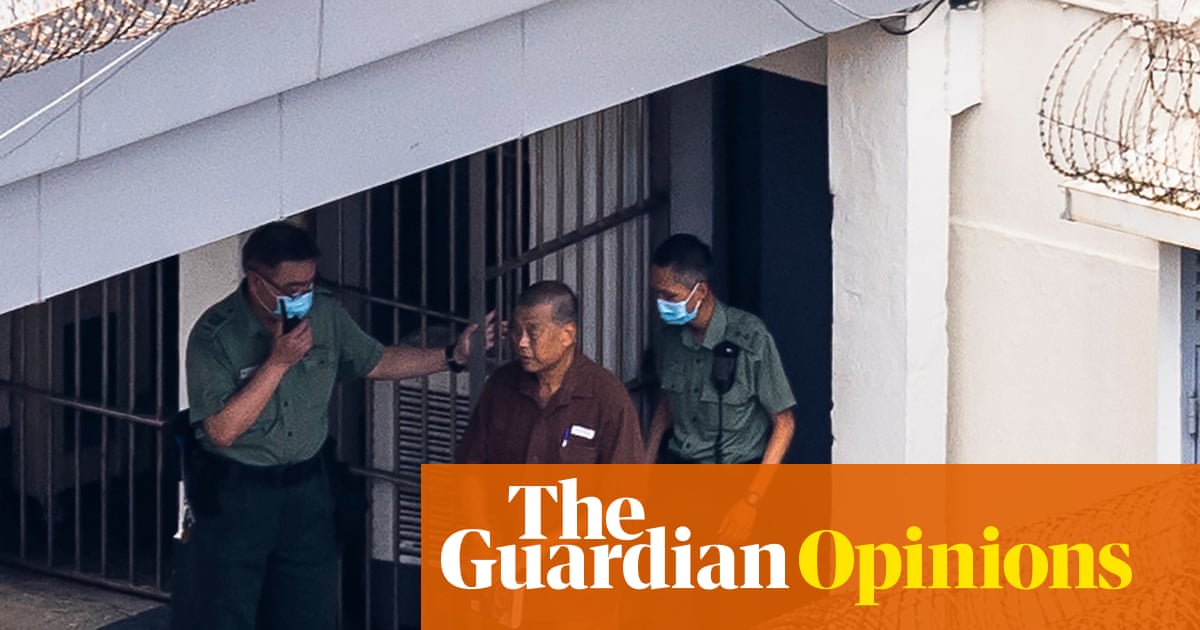
Australia defended a detained journalist despite the risks. Britain’s muted response to a media mogul’s harsh sentence suggests a narrowing view of what confrontation is worth
I
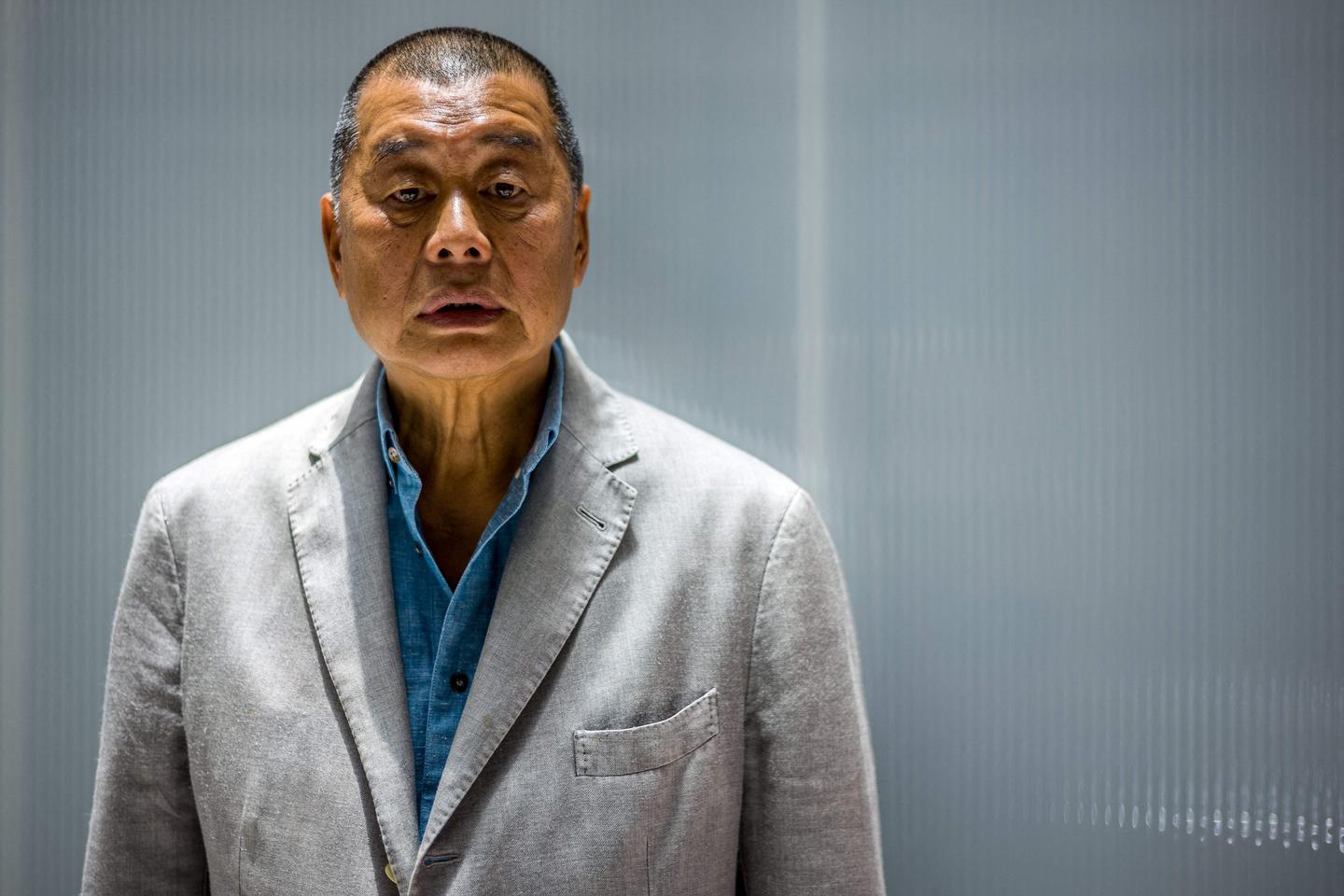
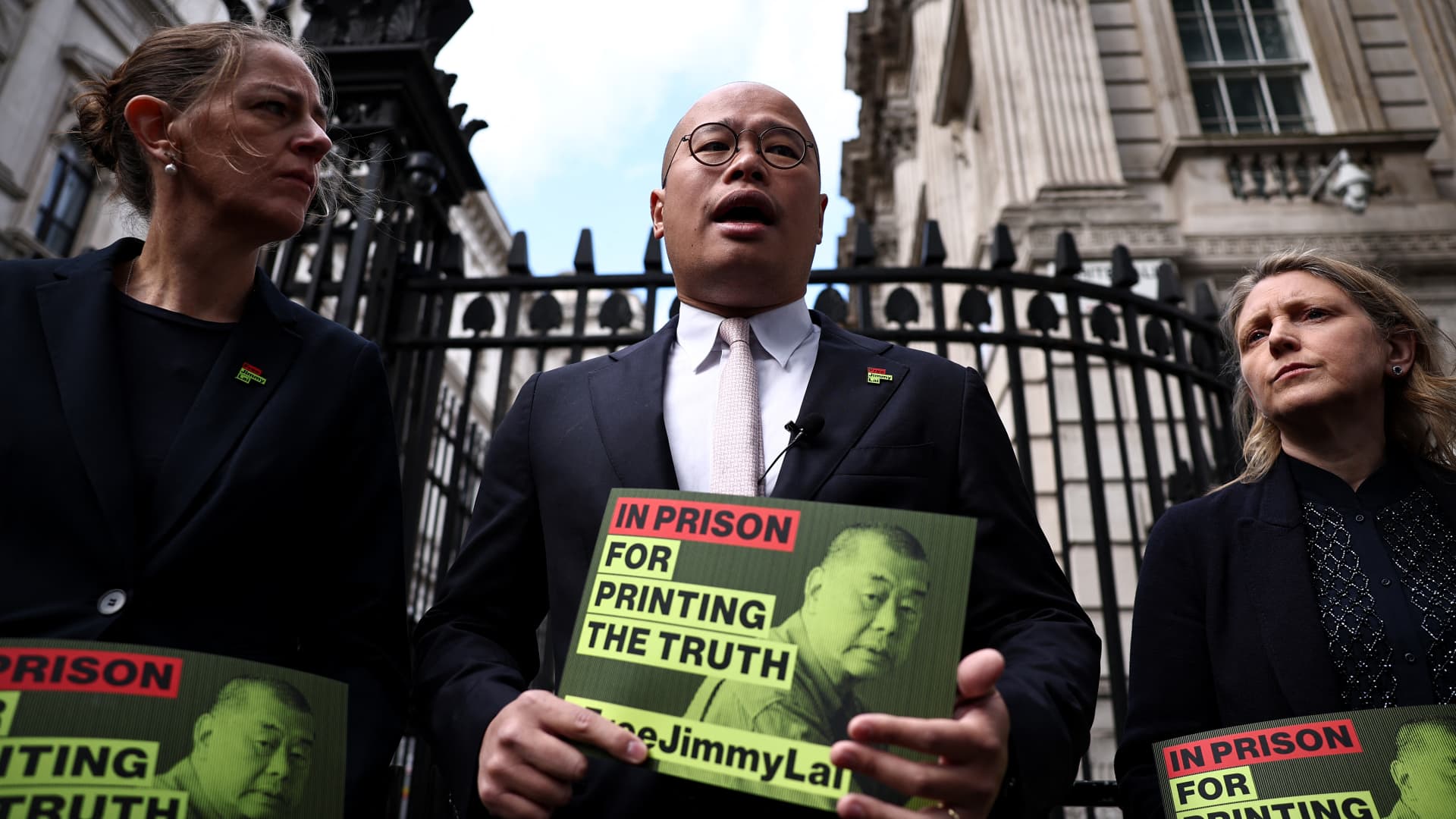
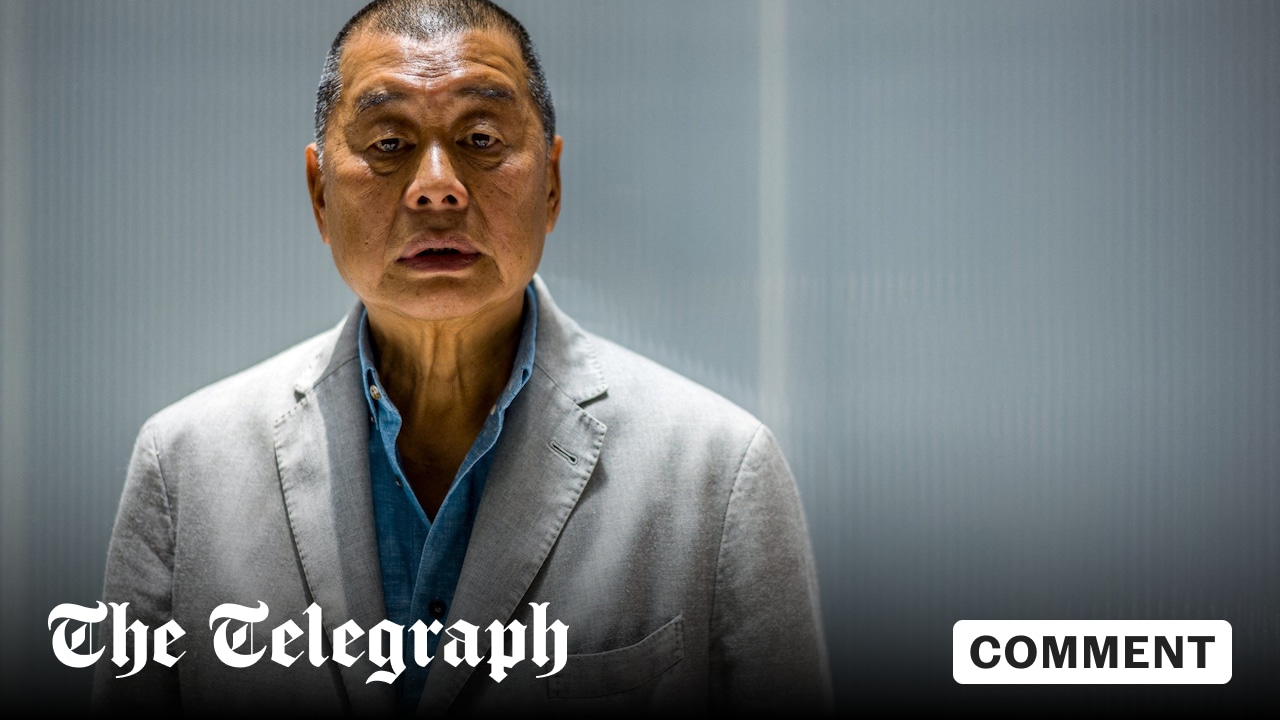
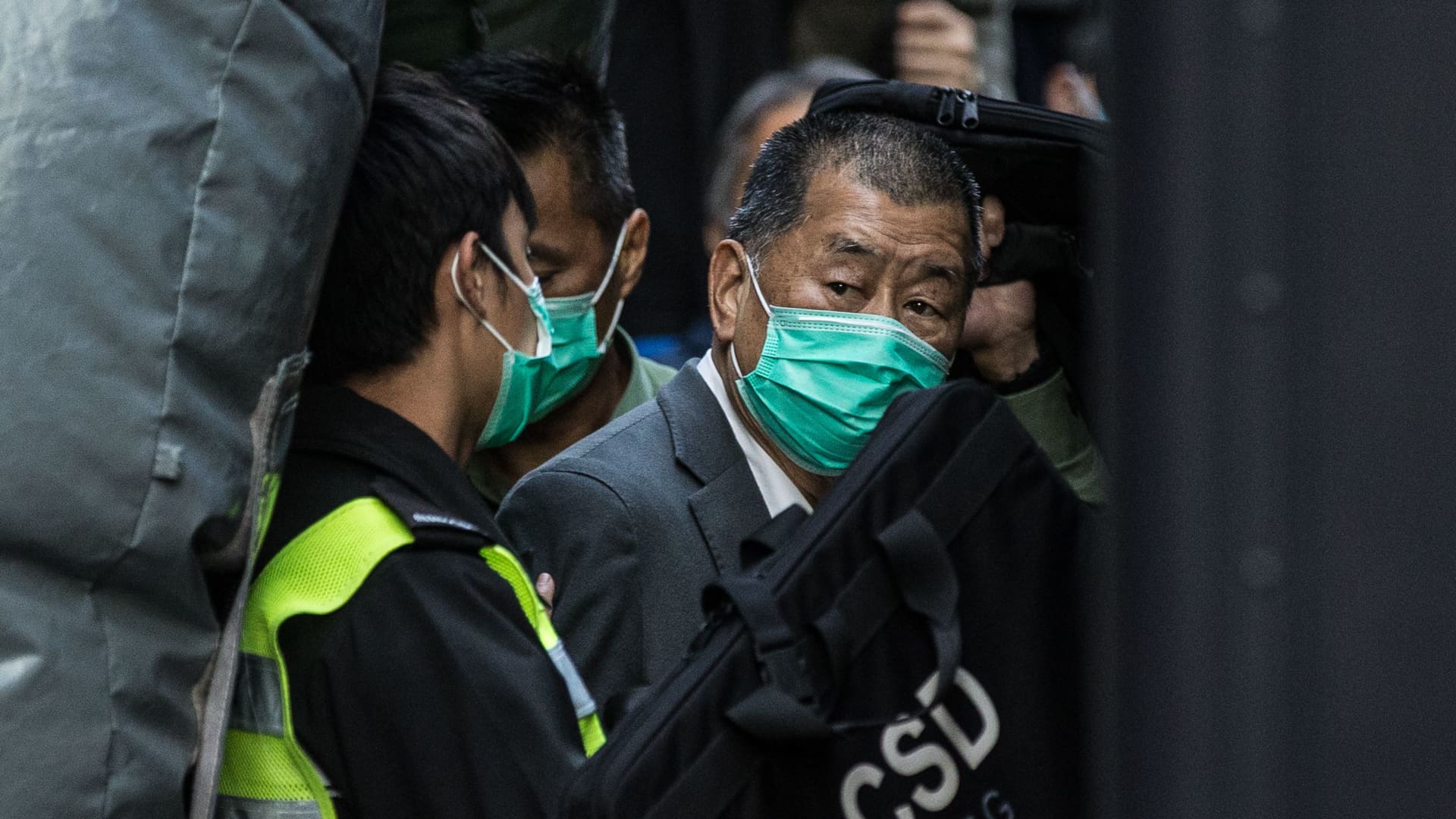
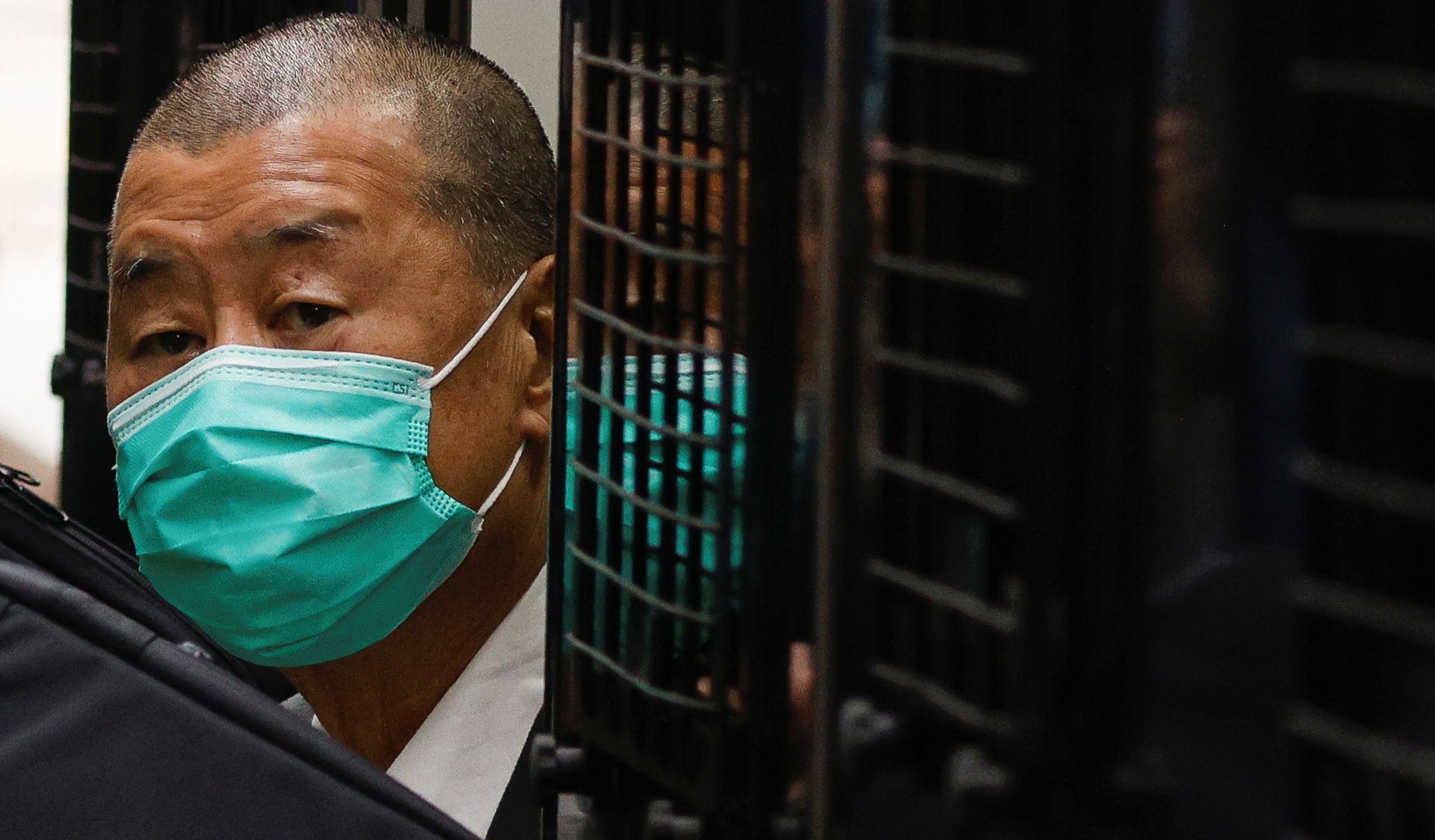
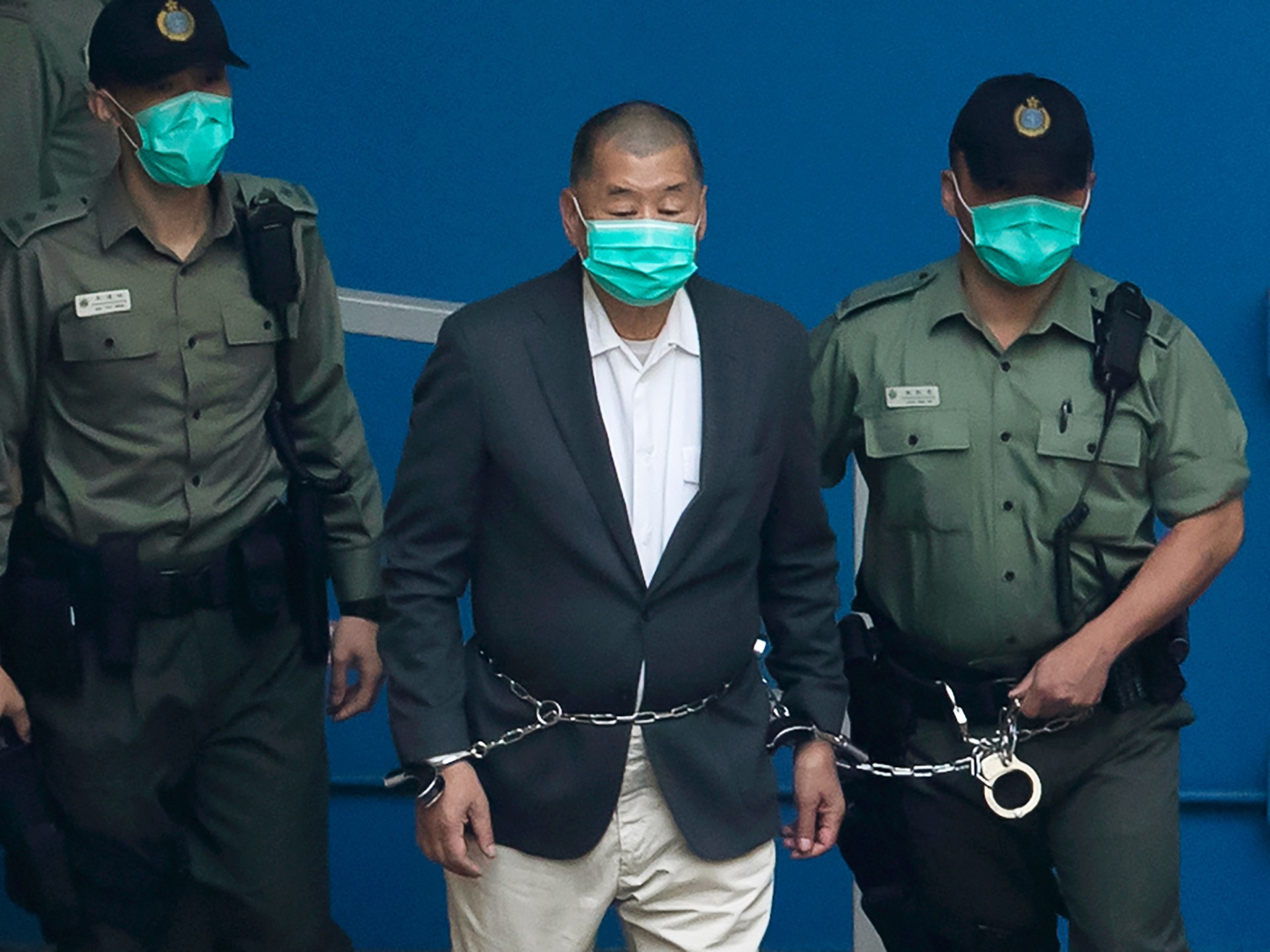
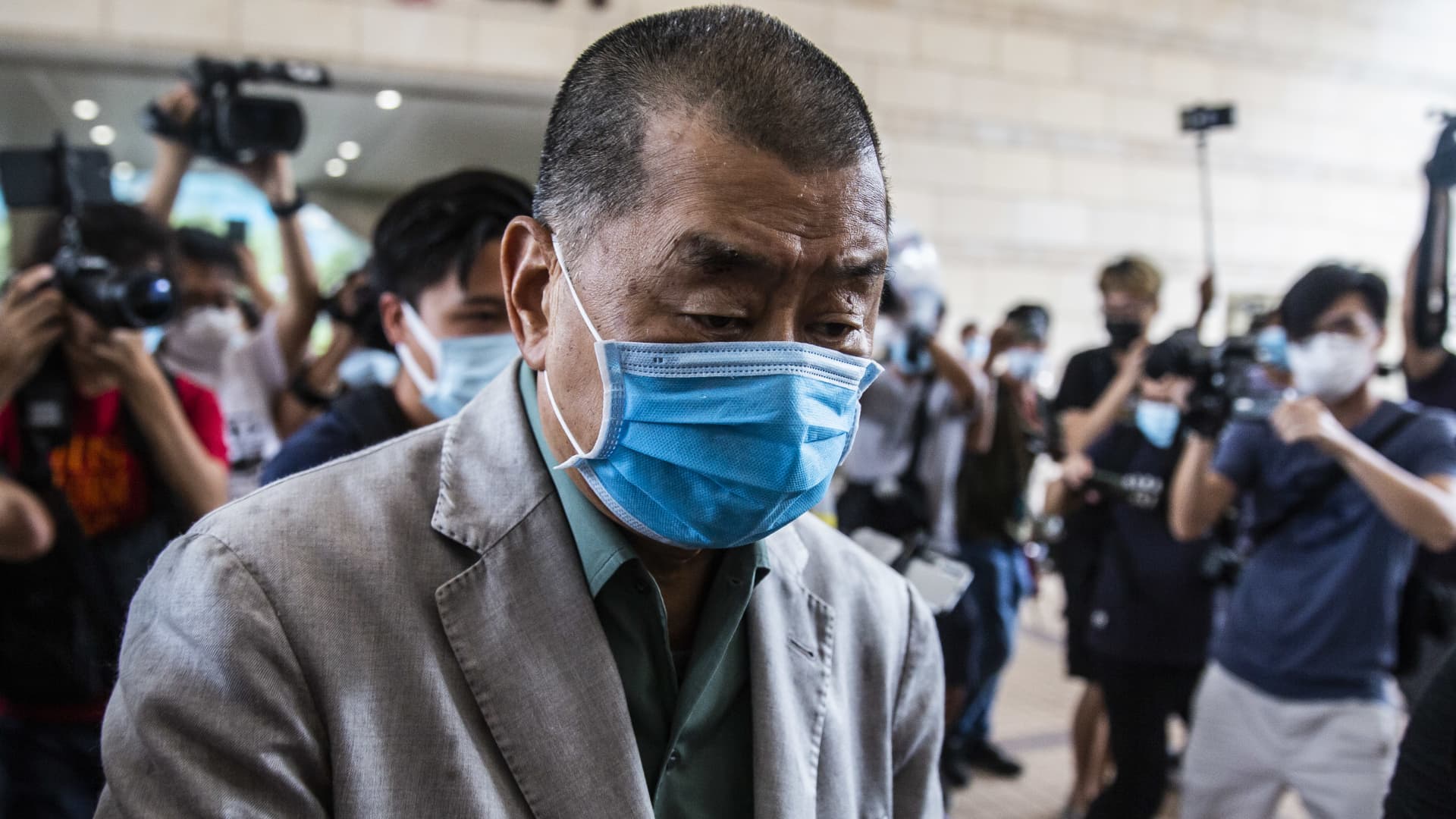
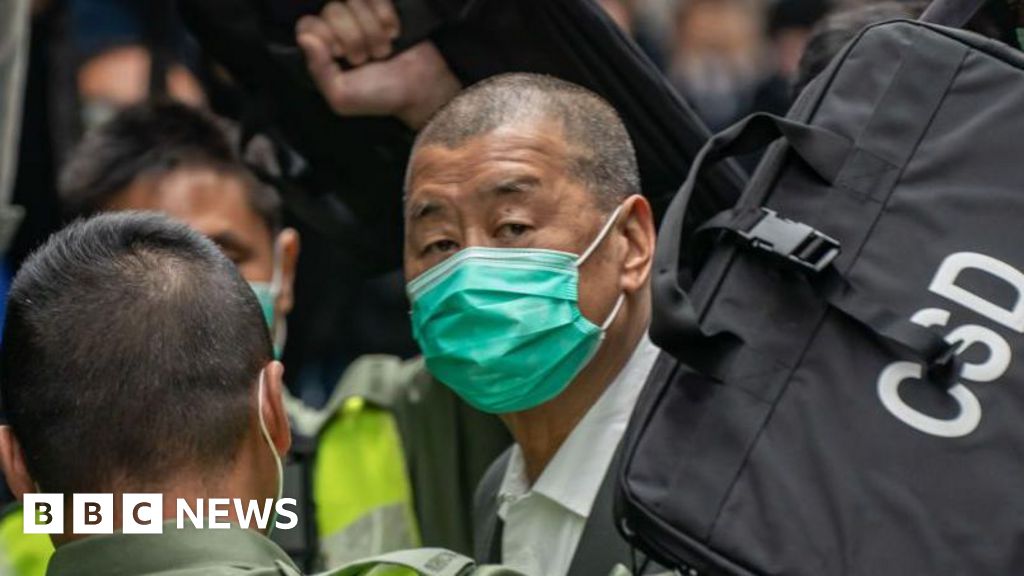
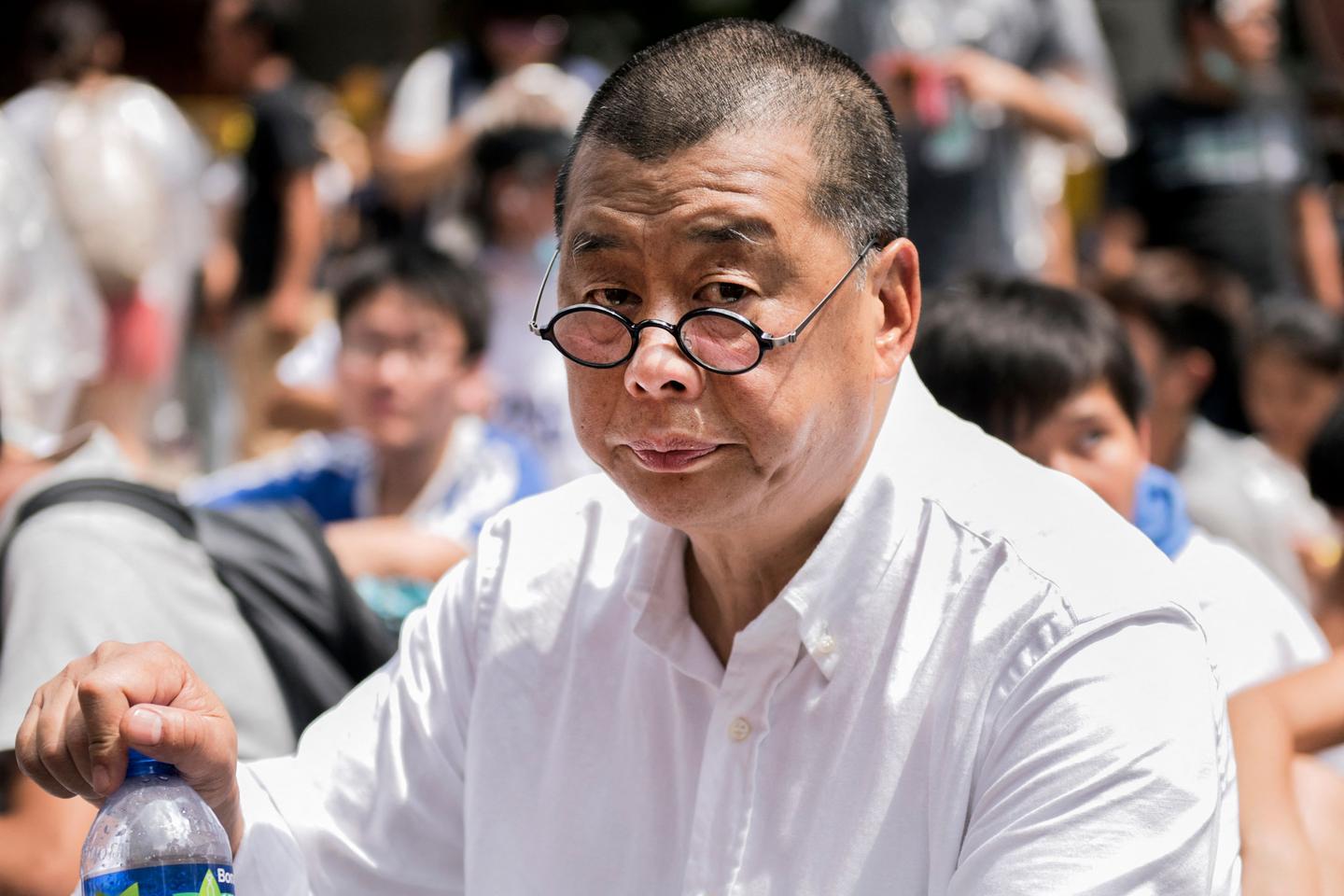
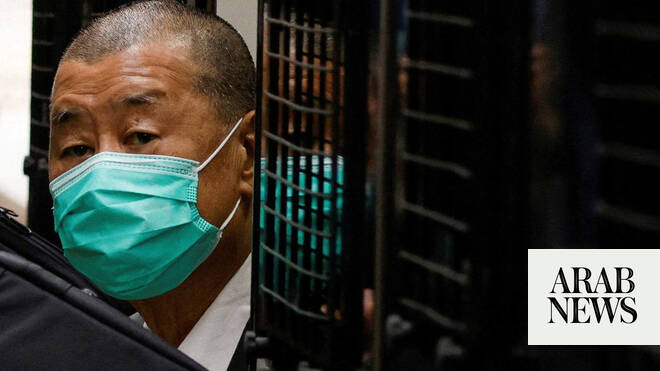
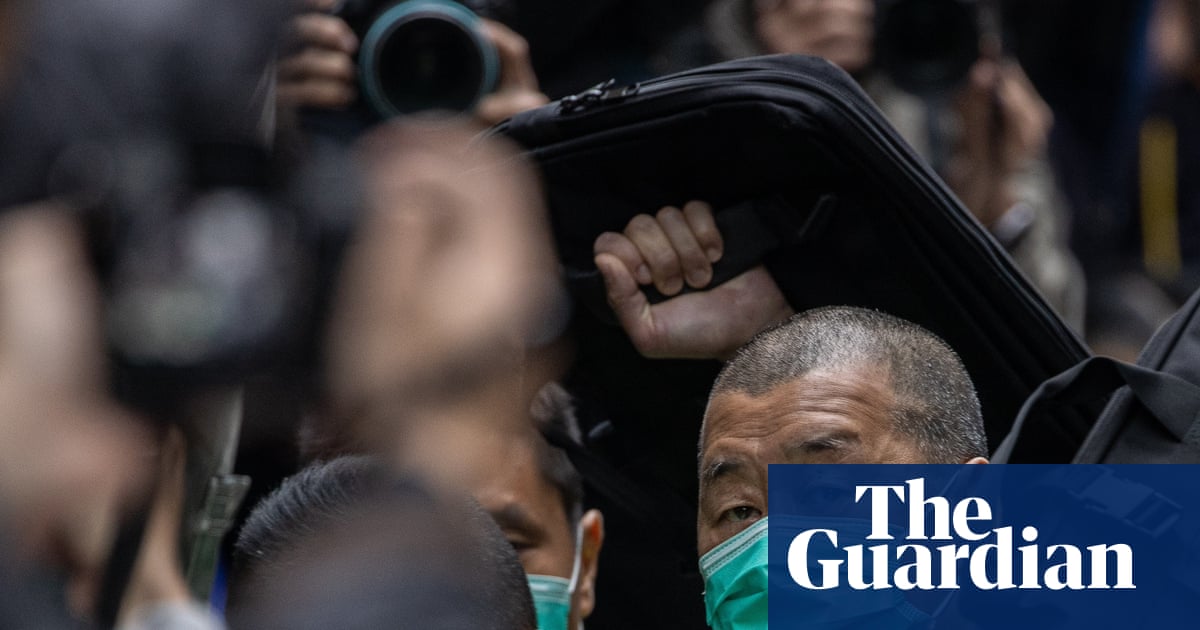
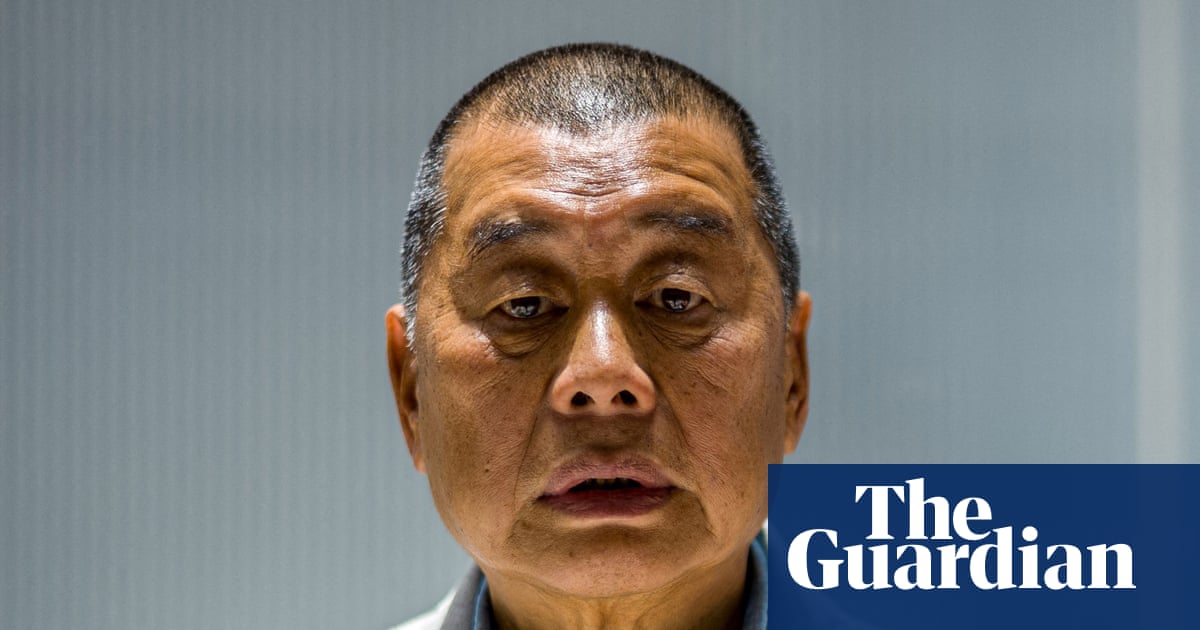
f the sentence handed to the media mogul Jimmy Lai was meant to surprise, it would have been shorter. Twenty years behind bars is not a burst of rage. It is a sentence designed to make repression routine in Hong Kong. The 78-year-old founder of the shuttered pro-democracy newspaper Apple Daily is now likely to die in prison after being convicted of sedition. The court was telling Hongkongers what kind of place they now live in, and signalling to foreign governments what kind of relationship Beijing expects them to accept.
China’s national security law, imposed on Hong Kong in 2020, was designed to dismantle the former British colony’s pro-democracy movement and to place freedom of expression under permanent political constraint by the Chinese Communist party. From 2020 to 2026, at least 385 individuals have been arrested and 175 convicted under national security-related offences.
The day after Mr Lai’s verdict, China released a security white paper on Hong Kong. The timing was no coincidence. It described the national security law as a “legal shield” that had restored order. The message was that Hong Kong cannot be a special case within China: its courts, legislature and civil service are instruments of Beijing’s security apparatus. Mr Lai’s sentence, the heaviest yet imposed under China’s national security law, drew international criticism. The UN human rights chief, Volker Türk, called for his release, warning that the verdict violated international law, criminalised journalism and relied on conduct that predated the legislation under which he was prosecuted.