O
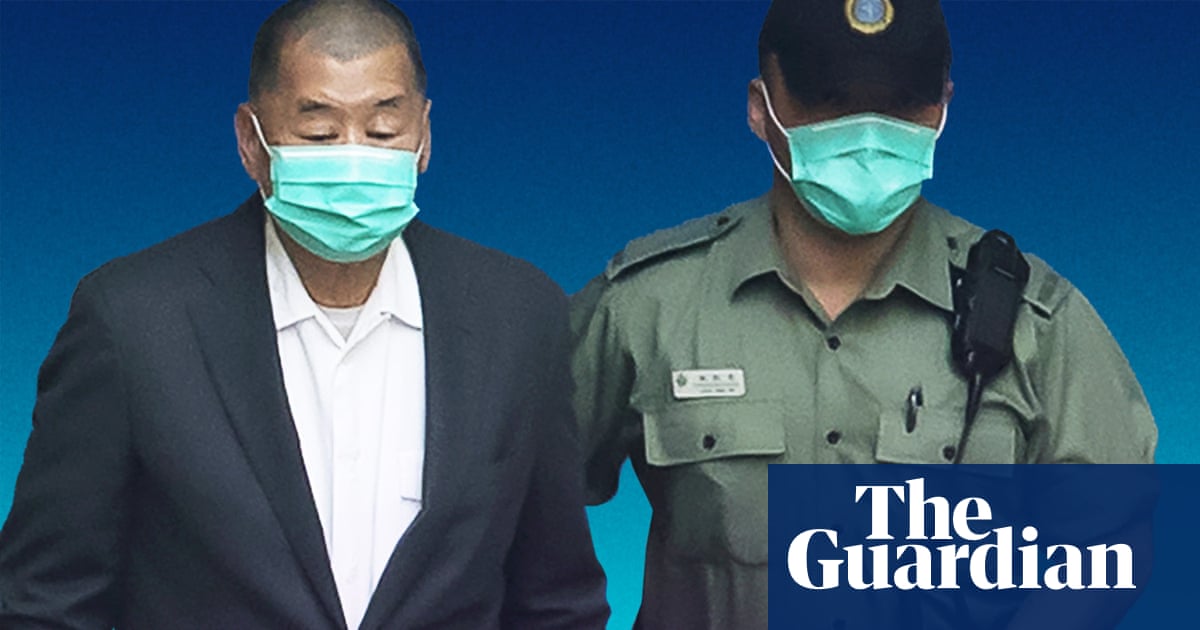
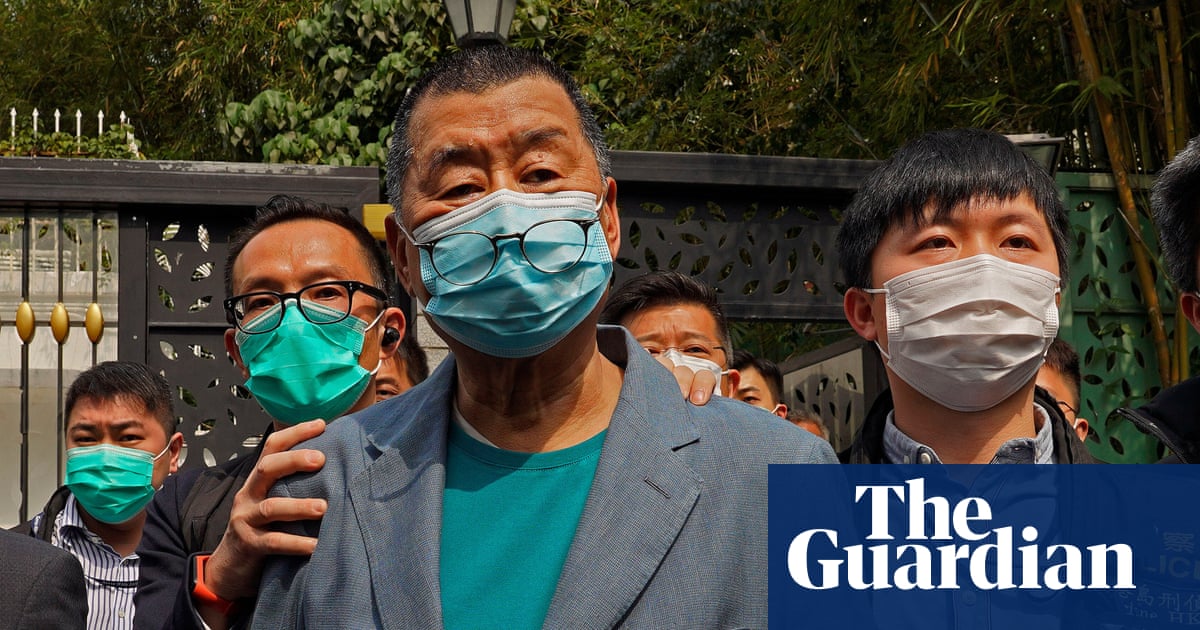
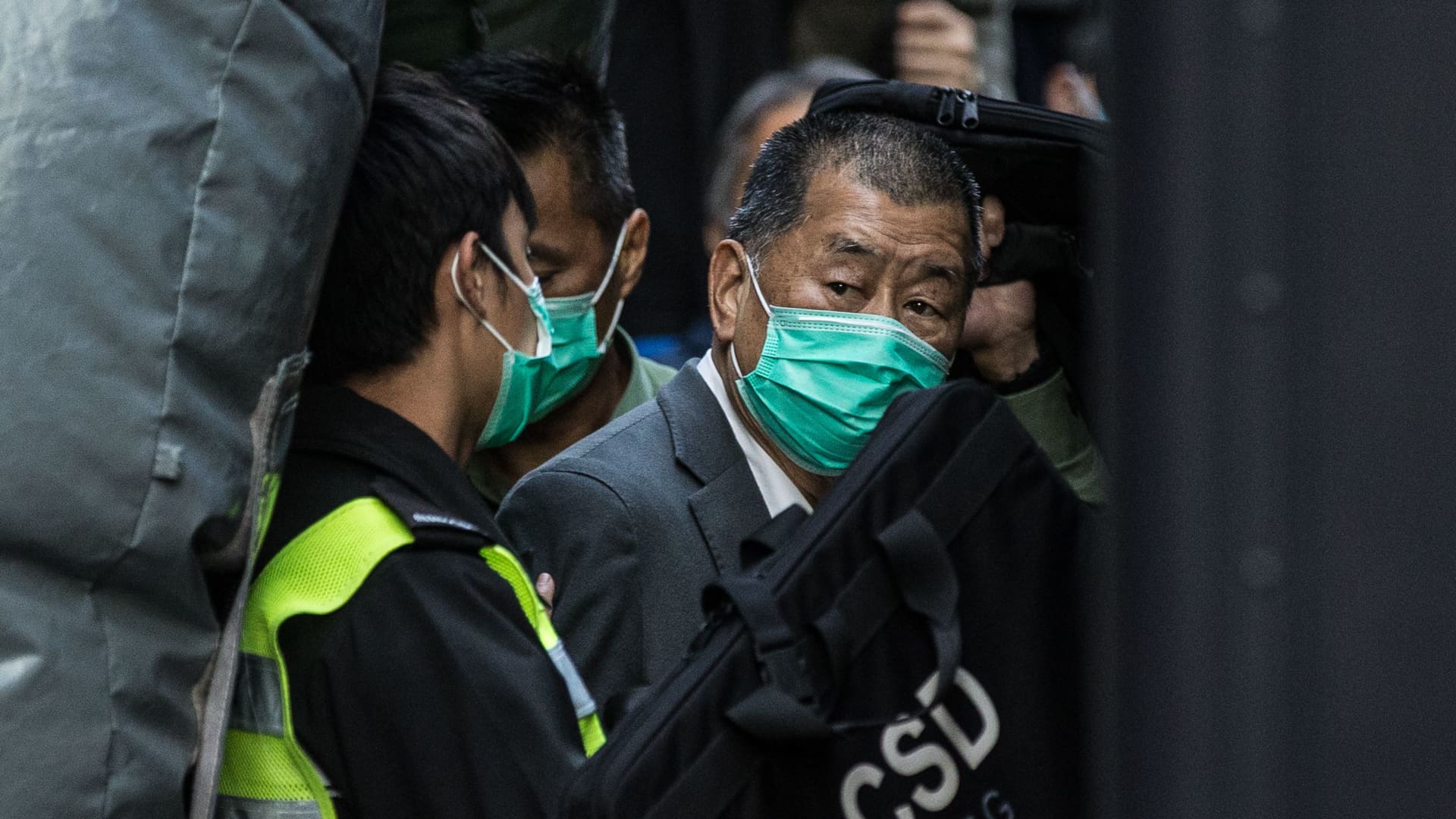
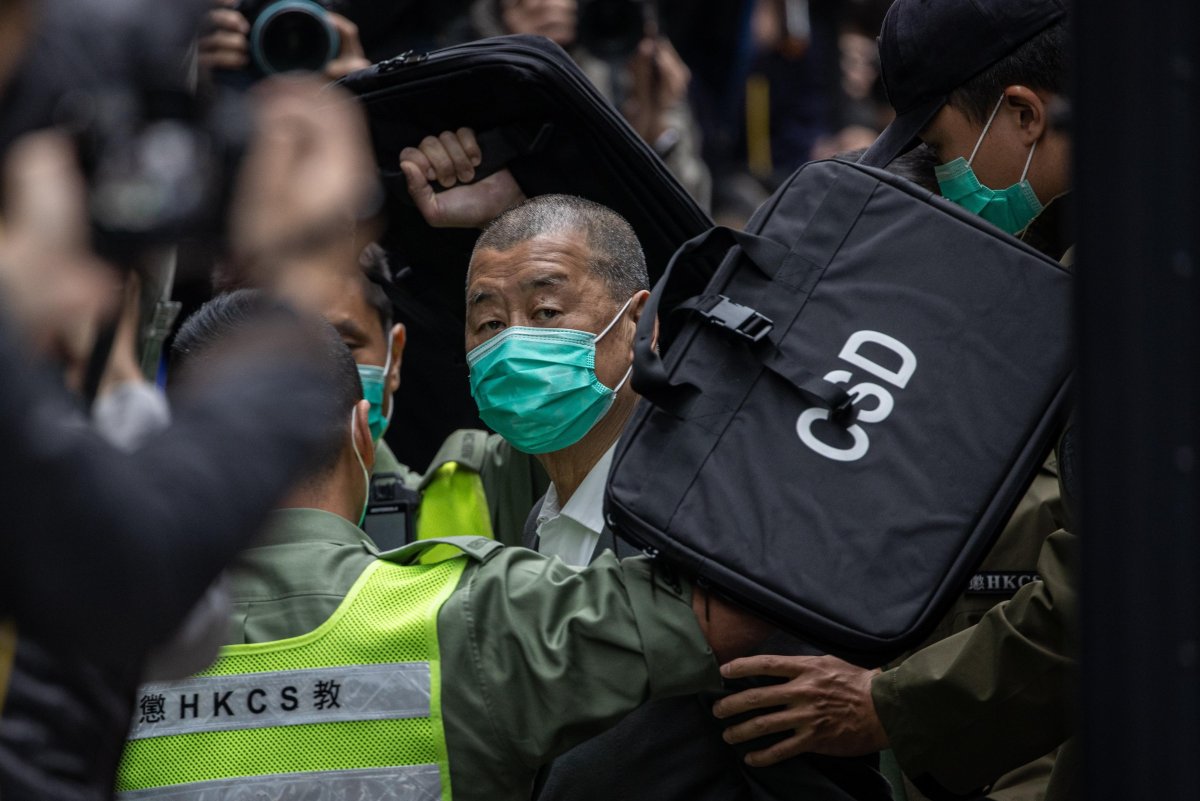
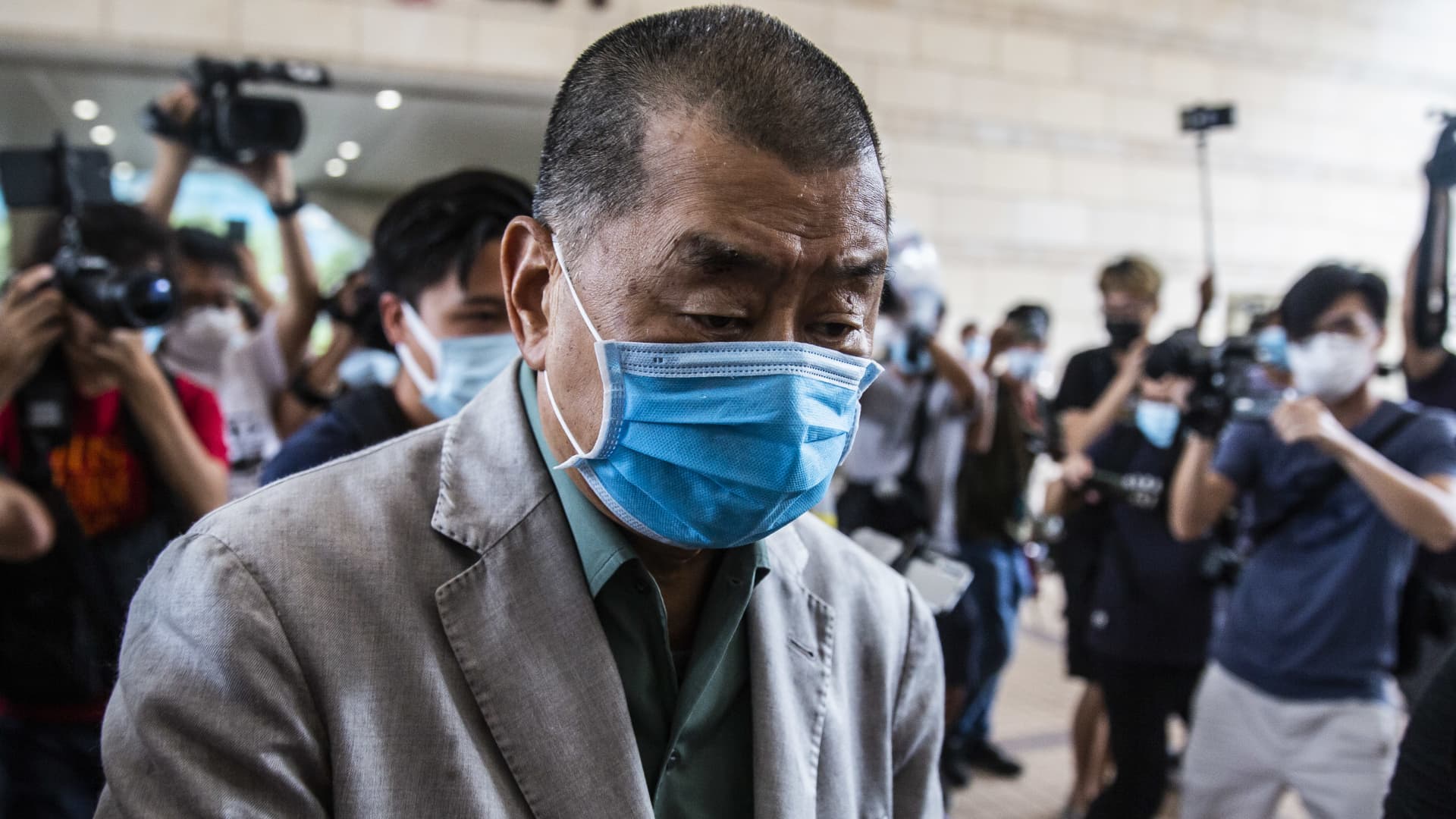
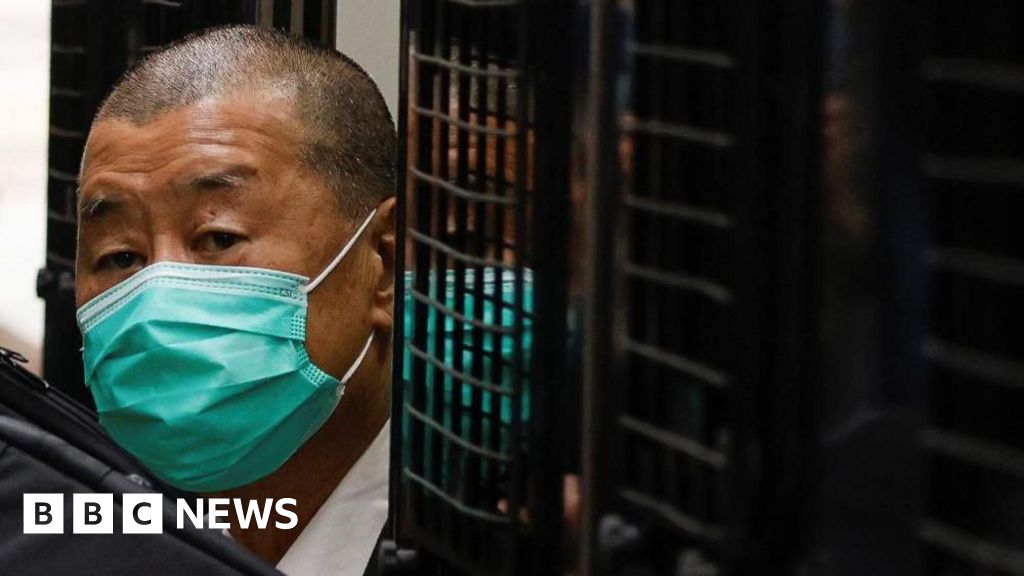
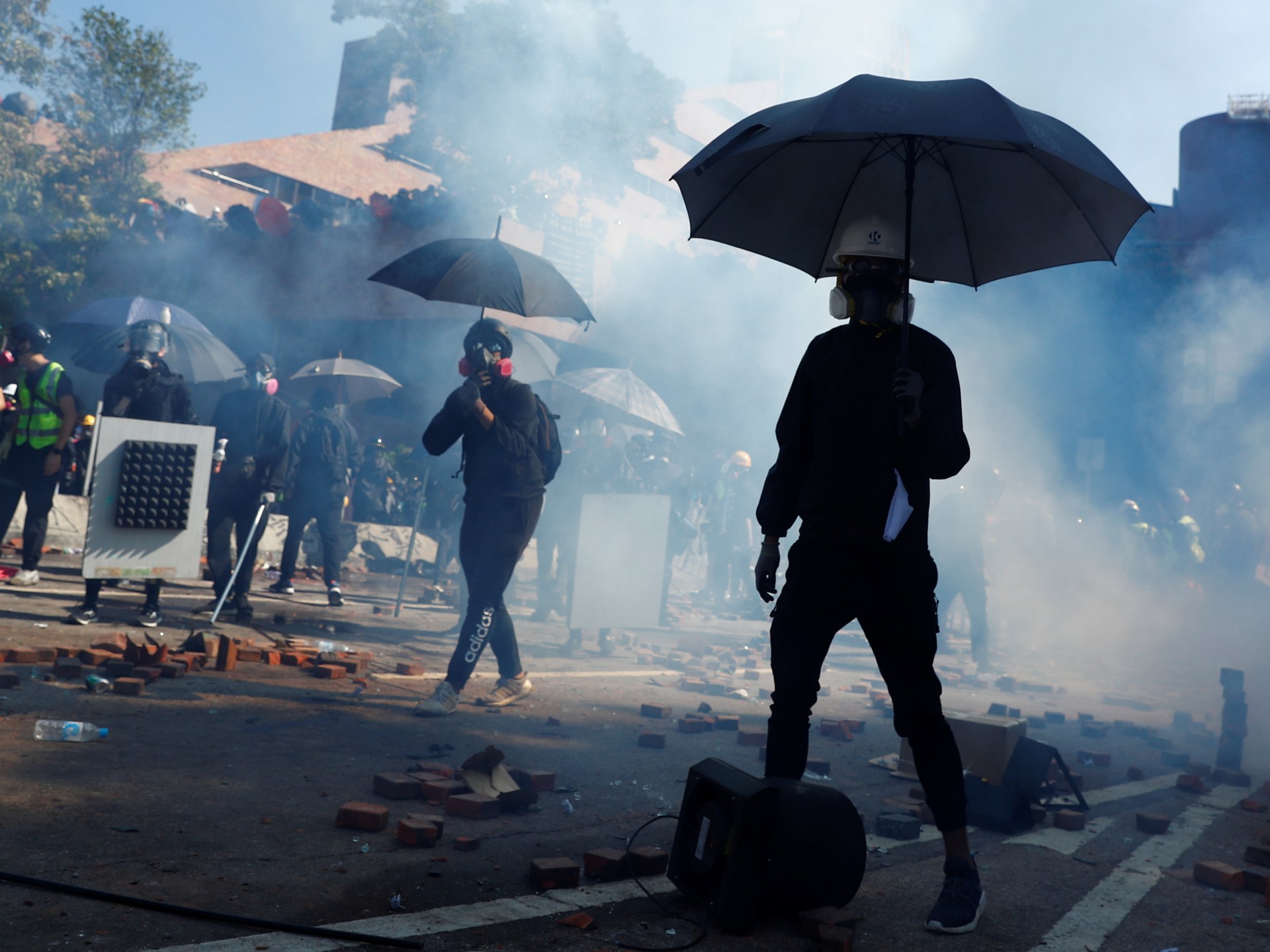
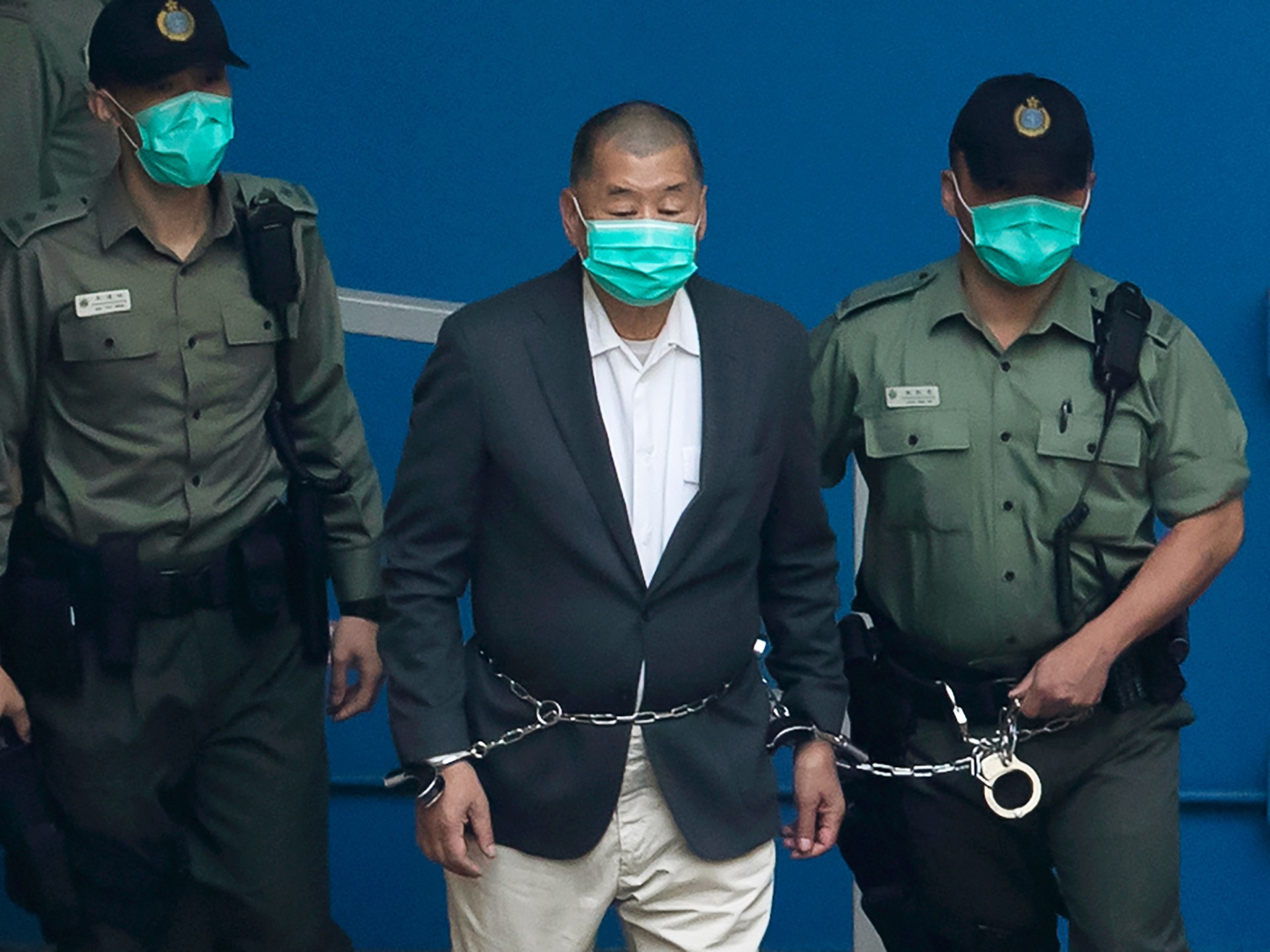
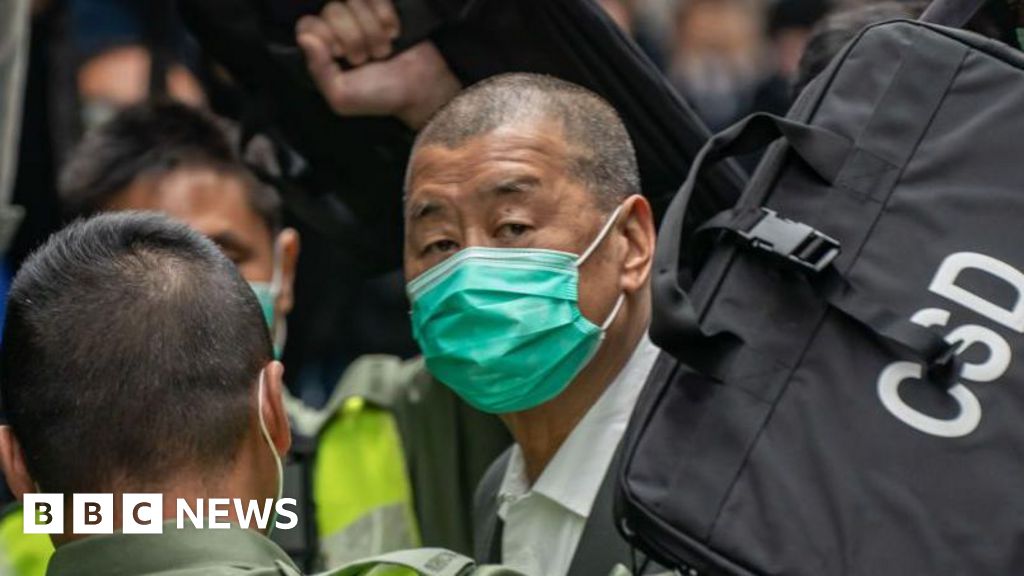
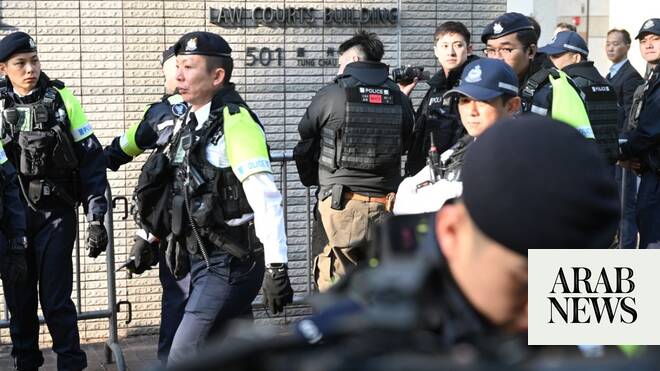
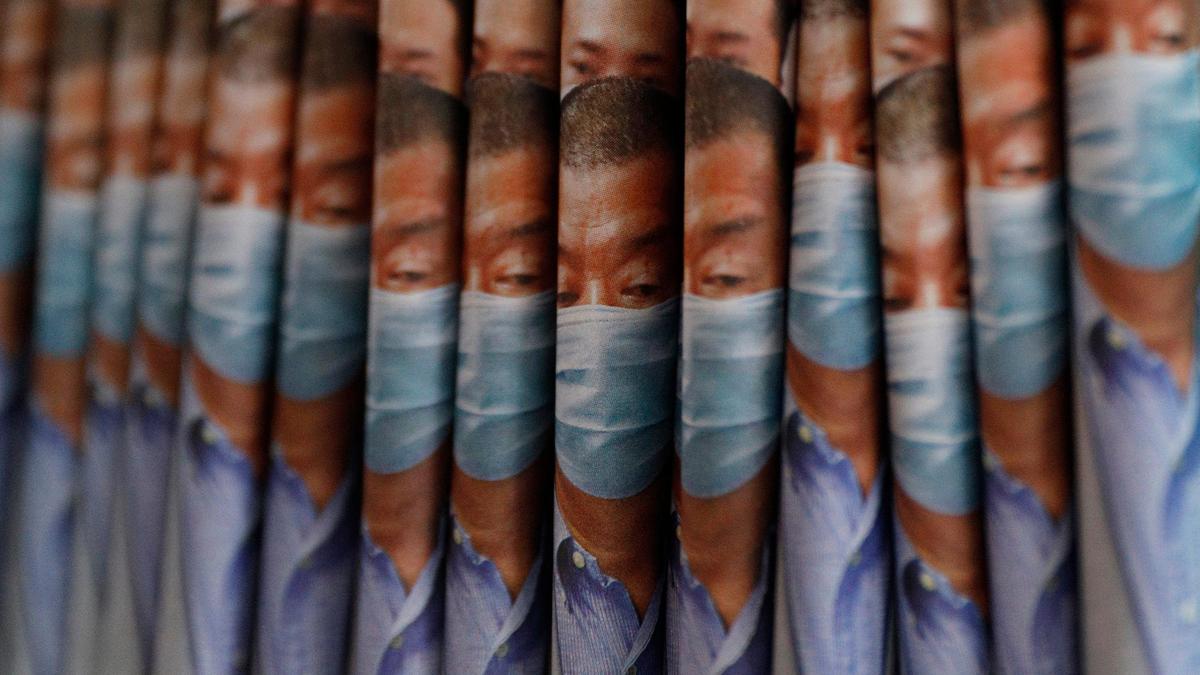
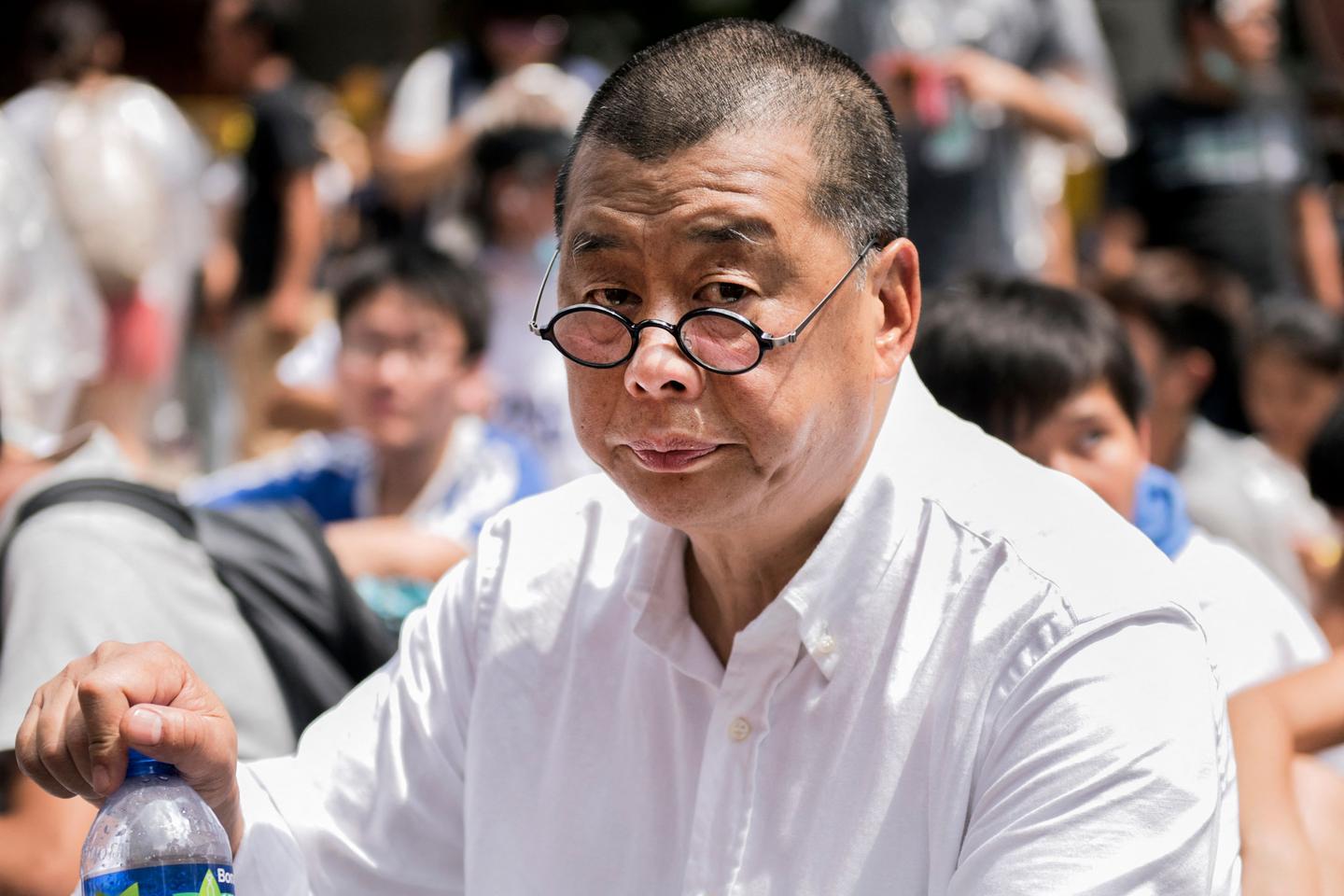
n Monday, February 9, the final nail was hammered into the coffin of the freedom that for so long had made Hong Kong a unique territory in the Chinese world. Judges appointed by authorities loyal to Beijing imposed an exceptionally harsh sentence of 20 years in prison for pro-democracy activist and former media mogul Jimmy Lai.
During the two years of his trial, a conviction had seemed inevitable. The National Security Law, imposed more than five years ago to quell dissent against the Chinese regime, made him a prime target. He was one of the first arrested in August 2020, just one month after this new repressive legal order took effect.
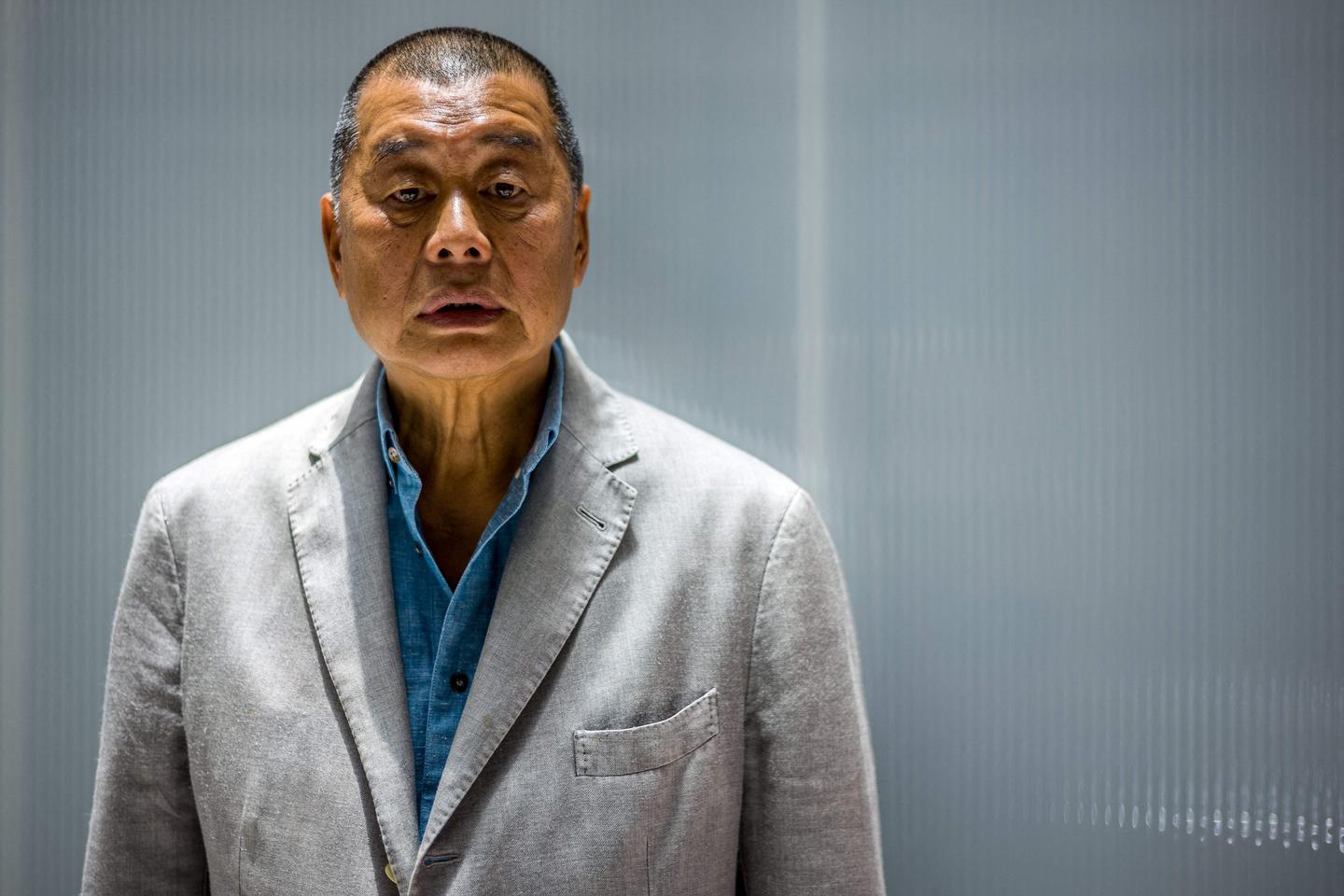
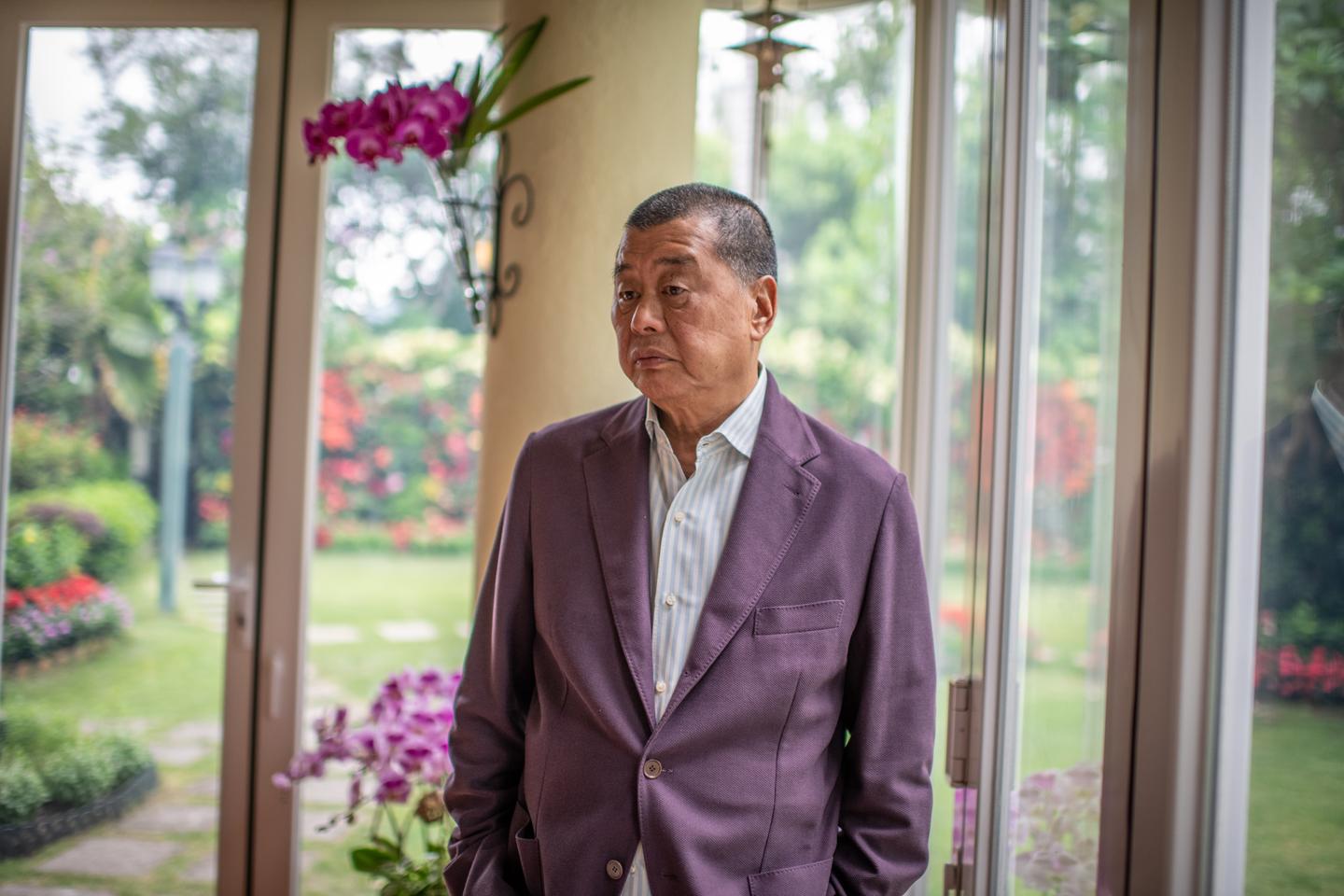
Lai became the most emblematic victim of this takeover, a martyr of Hong Kong. He never sought to apologize for his criticism of the regime or for his contacts with Taiwanese democrats or American officials. A devout Catholic, he appeared to have come to terms with this outcome. Yet his 20-year sentence, at the age of 78, weighs even heavier on a city whose citizens each day measure how little political freedom remains: Its press has declined in quality, its most independent bookstores have closed, and university professors worry about what they can say in the classroom.