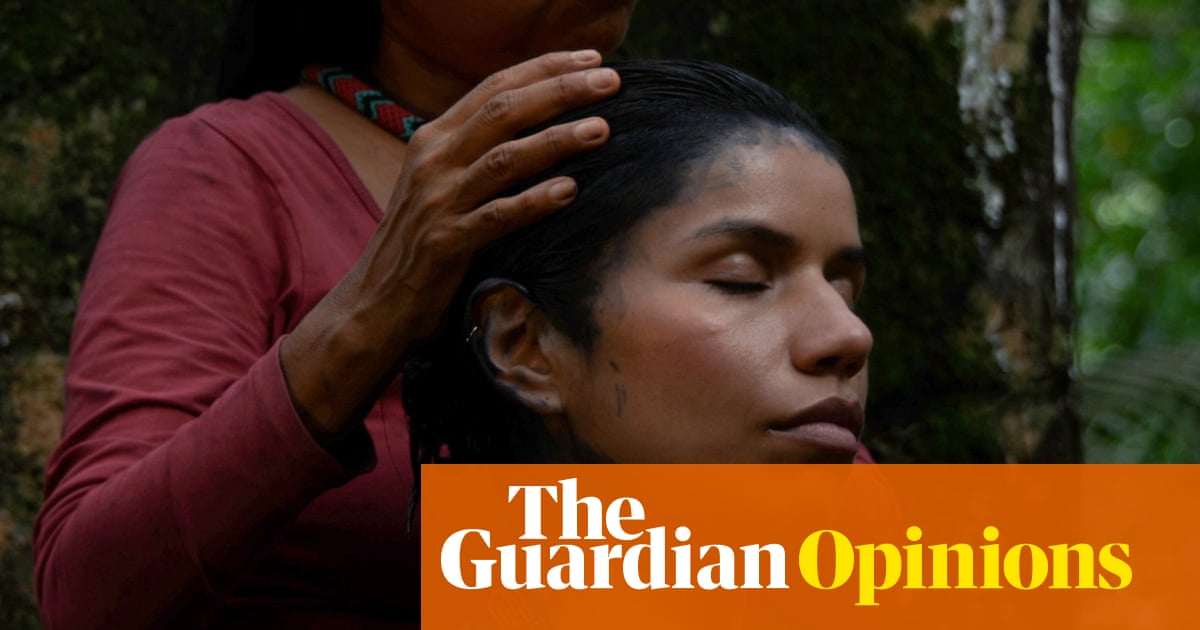
Under US pressure as part of the ‘war on drugs’, the WHO still categorises the sacred Indigenous remedy as akin to heroin or fentanyl, despite its many therapeutic properties
F
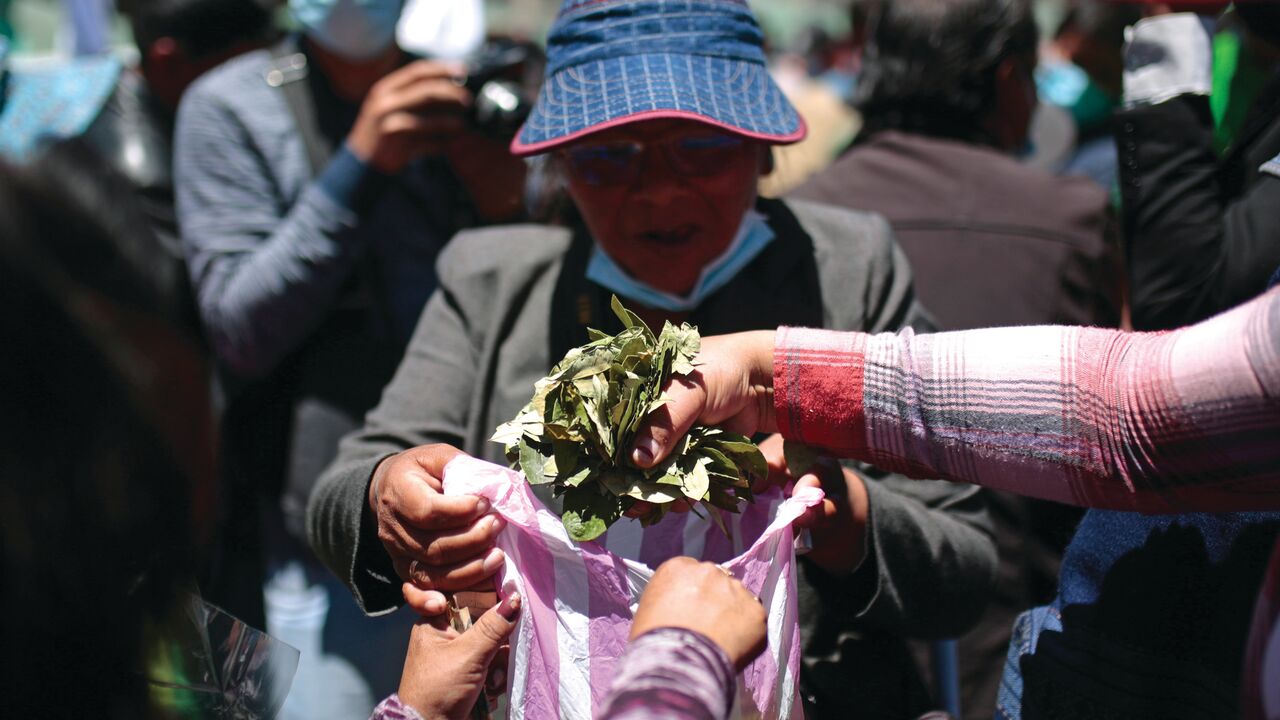
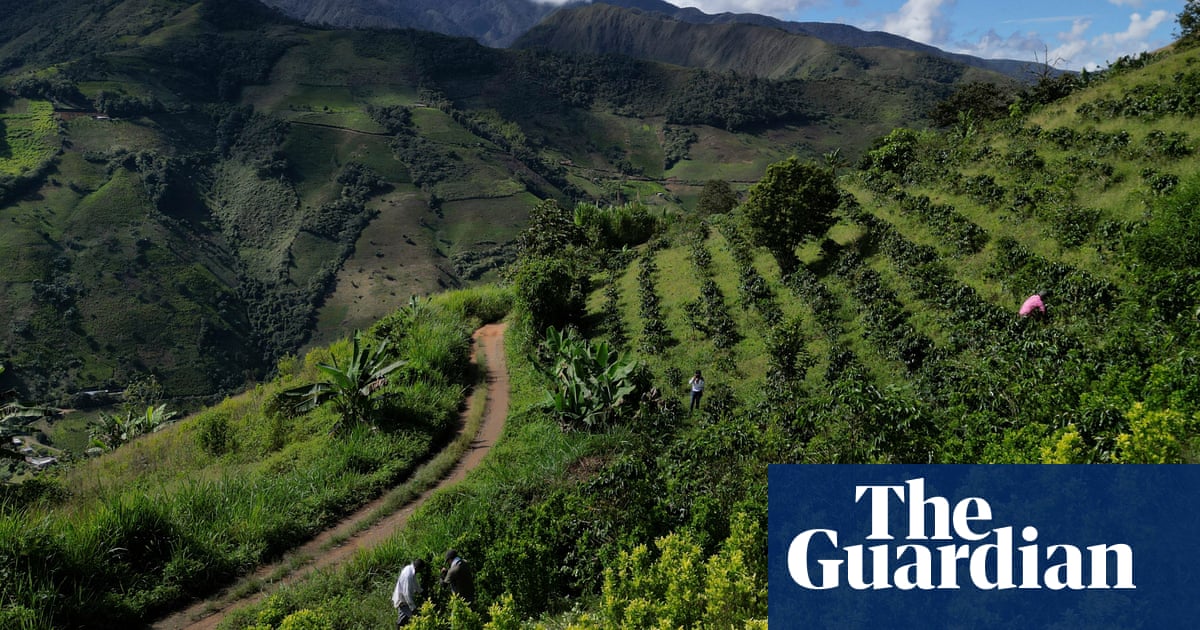
or thousands of years, Andean people living around what is now the town of Coripata, east of La Paz, Bolivia, have used coca leaves to relieve fatigue, hunger and altitude sickness (known as soroche), as well as to treat headaches and digestive problems.
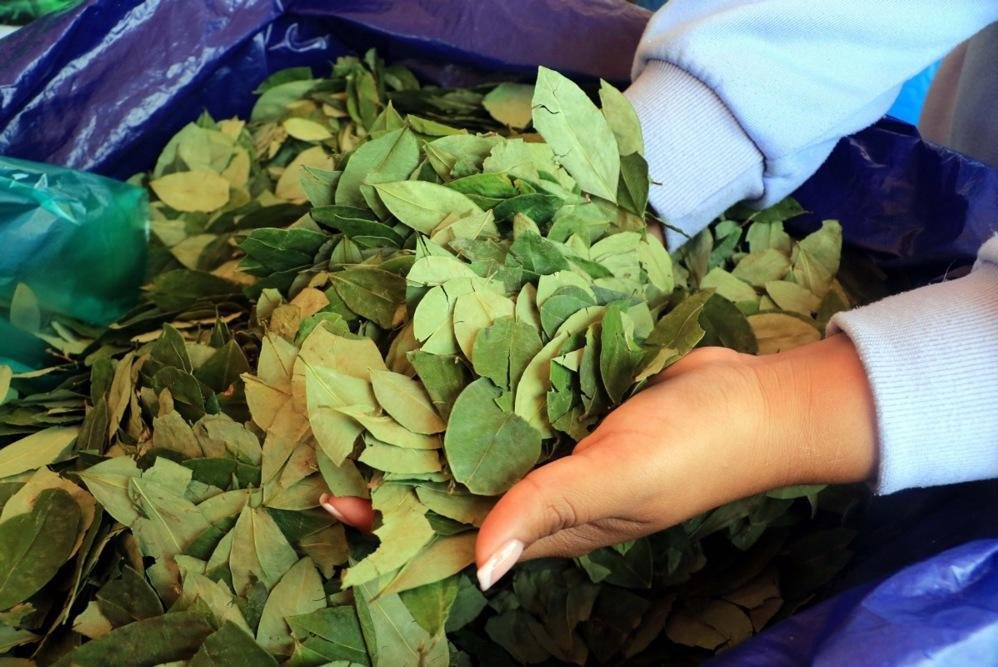
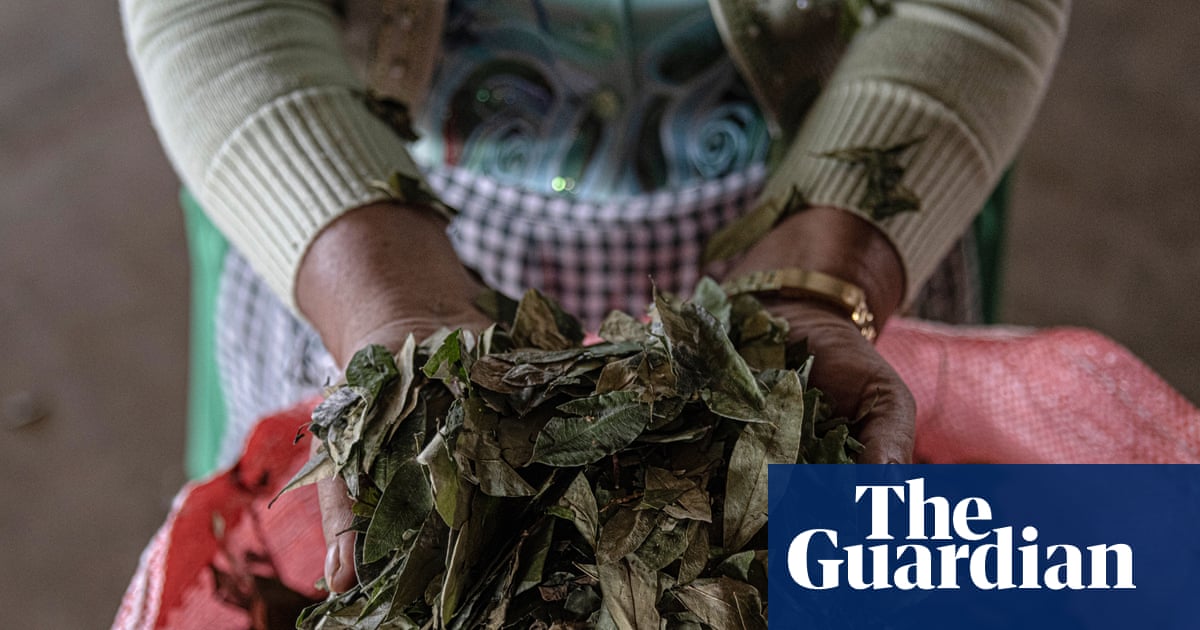
Concerned about the future of this cultural and religious practice, Daynor Choque, heir to this ancient tradition, points to a pile of leaves on the table in front of him.
“We have been using coca without any problems since the time of our ancestors,” says Choque, leader of the commercial arm of local coca producers. “Now, producers are being pushed into the illegal cocaine market just to survive – unless we can sell our coca legally on international markets.”