Food crime mostly goes unreported, so it's difficult to grasp its scale.
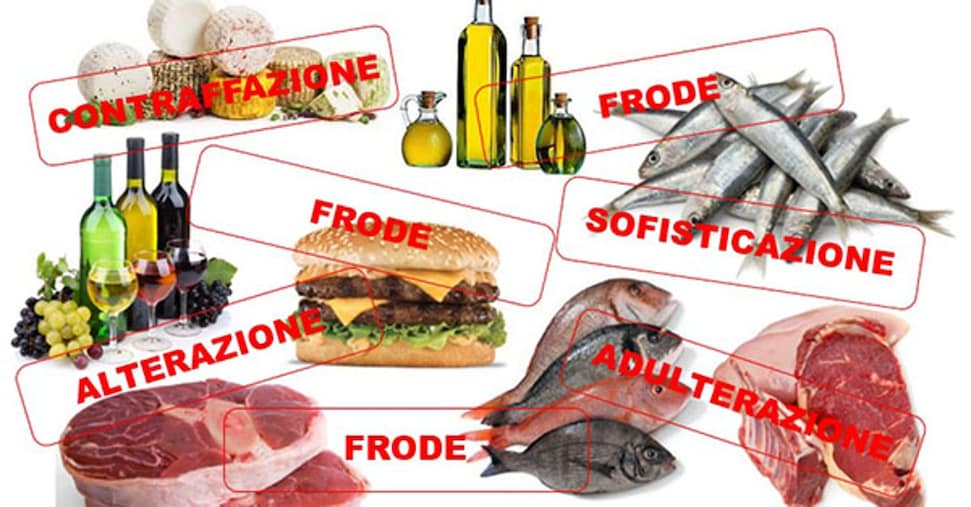
It can include diluting or substituting ingredients, altering documents, or going through unapproved processes.
One 2025 estimate is that food crime costs the global economy around £81bn ($110bn) a year.
Fraudsters tend to target commonly consumed foods, like dairy, and high-value foods, like olive oil.
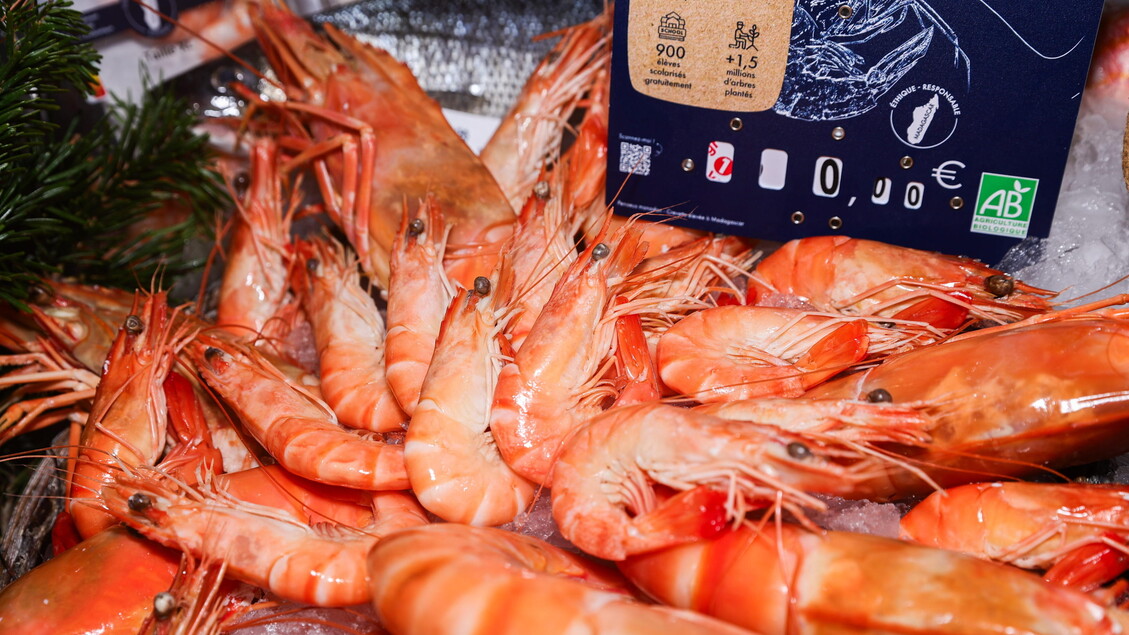
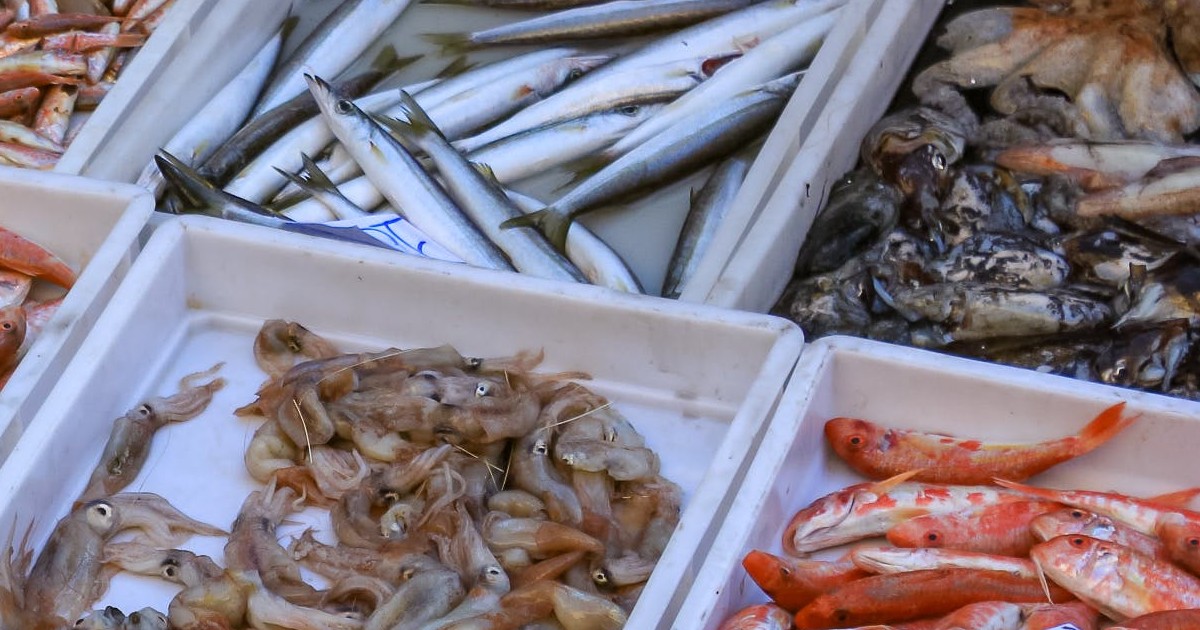
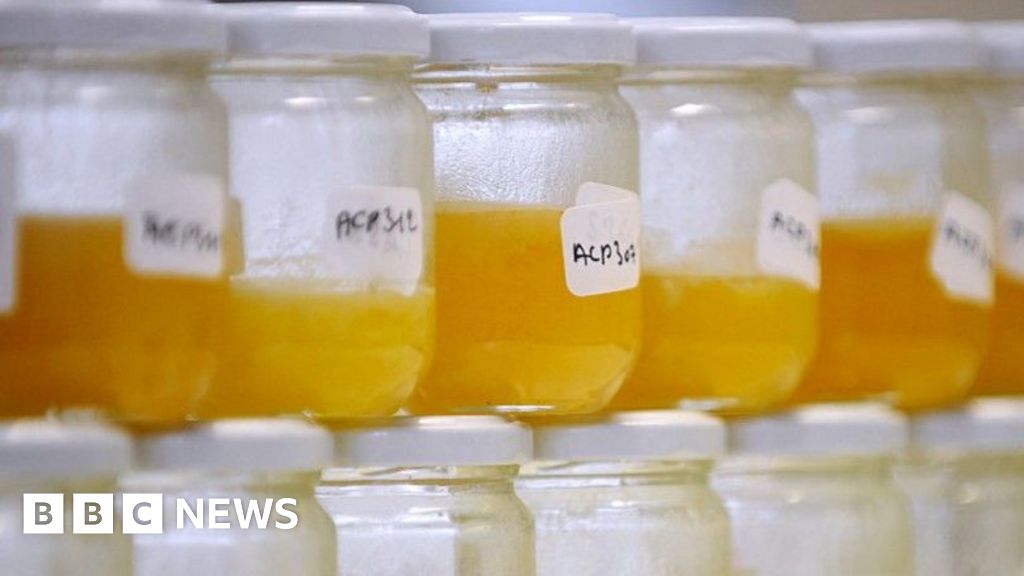
Along with alcohol, seafood and edible oils, honey is frequently among the most common foods that are faked.