Armenia and the United States agreed Monday to expand cooperation in the civil nuclear sector, marking a significant step in Washington’s push to deepen ties with Yerevan following a U.S.-brokered peace deal in the South Caucasus.
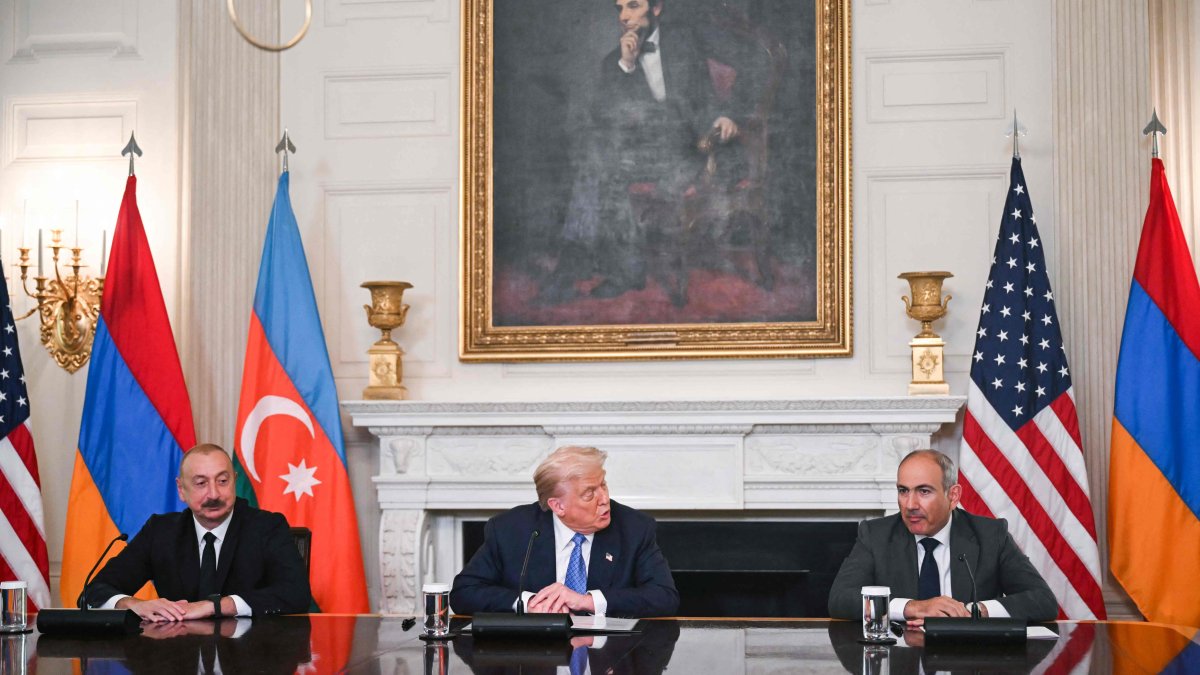
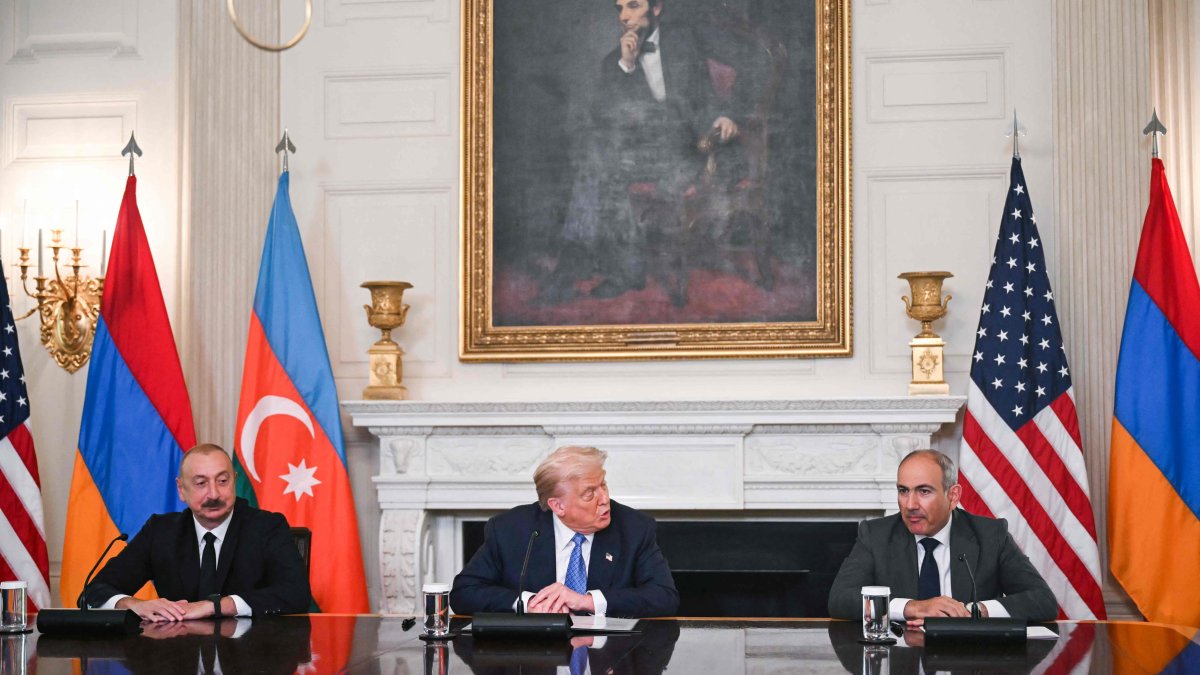
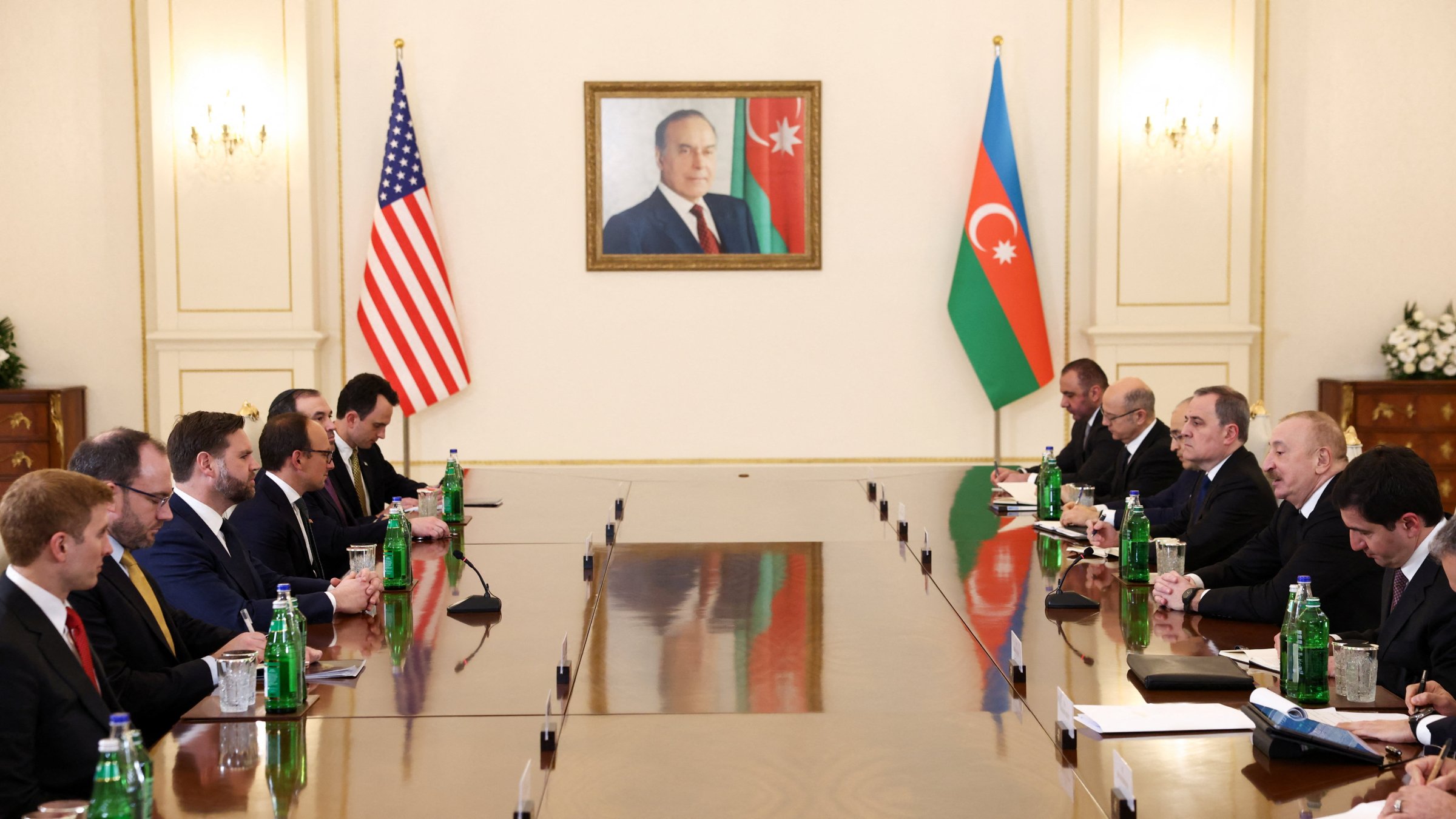
Vice President JD Vance met with Armenian Prime Minister Nikol Pashinyan, who signed a deal at the White House in August intended to reopen key transportation routes with Azerbaijan. At that meeting, the countries signed agreements reaffirming their commitment to signing a peace treaty. The text of the treaty was initialed by foreign ministers, which indicates preliminary approval. But the leaders have yet to sign the treaty and parliaments have yet to ratify it.
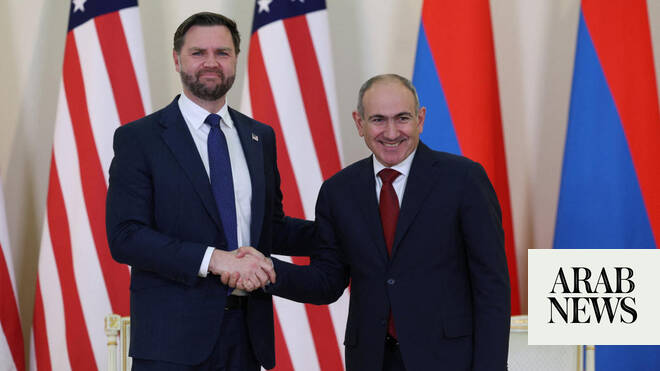
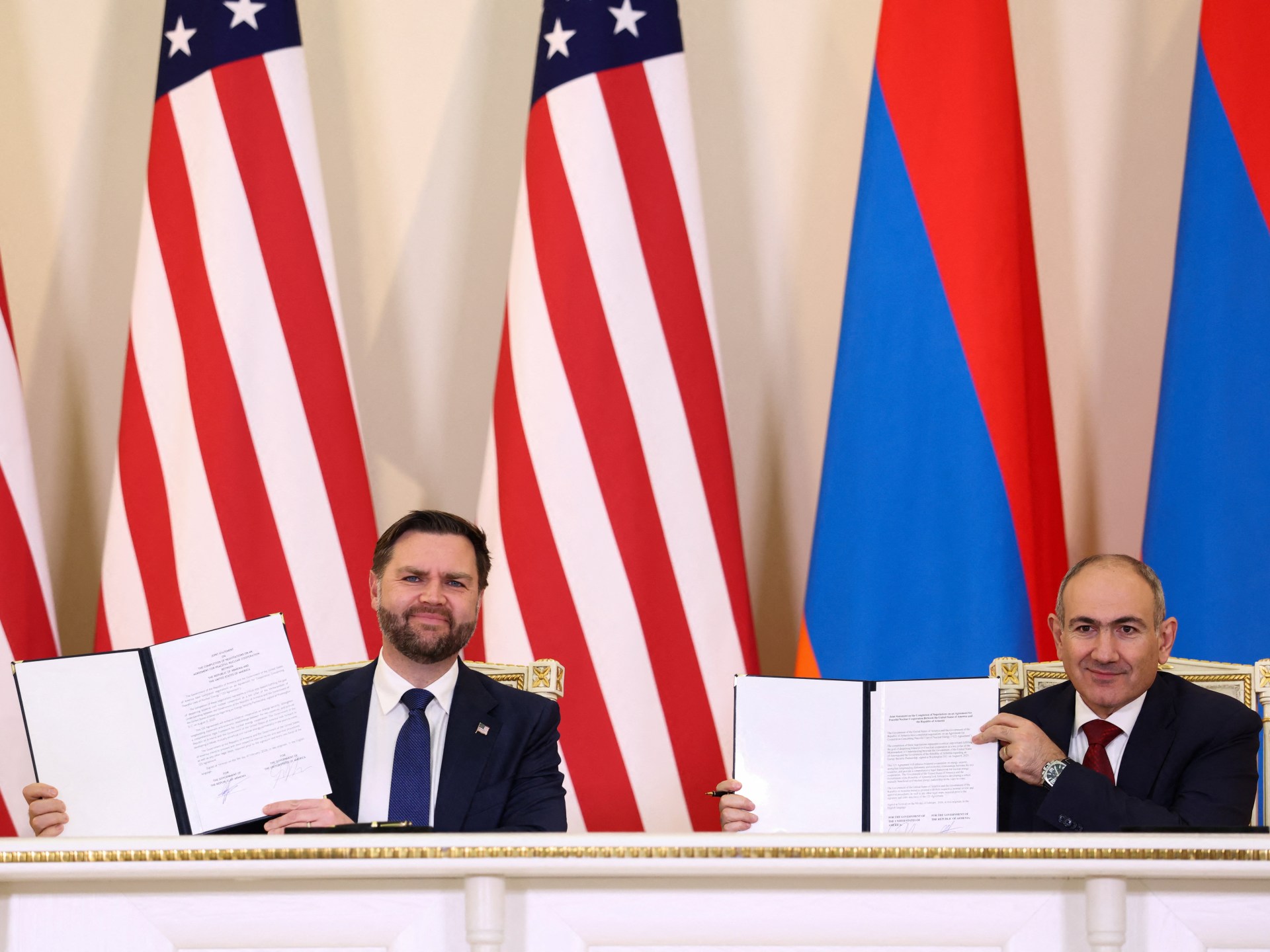
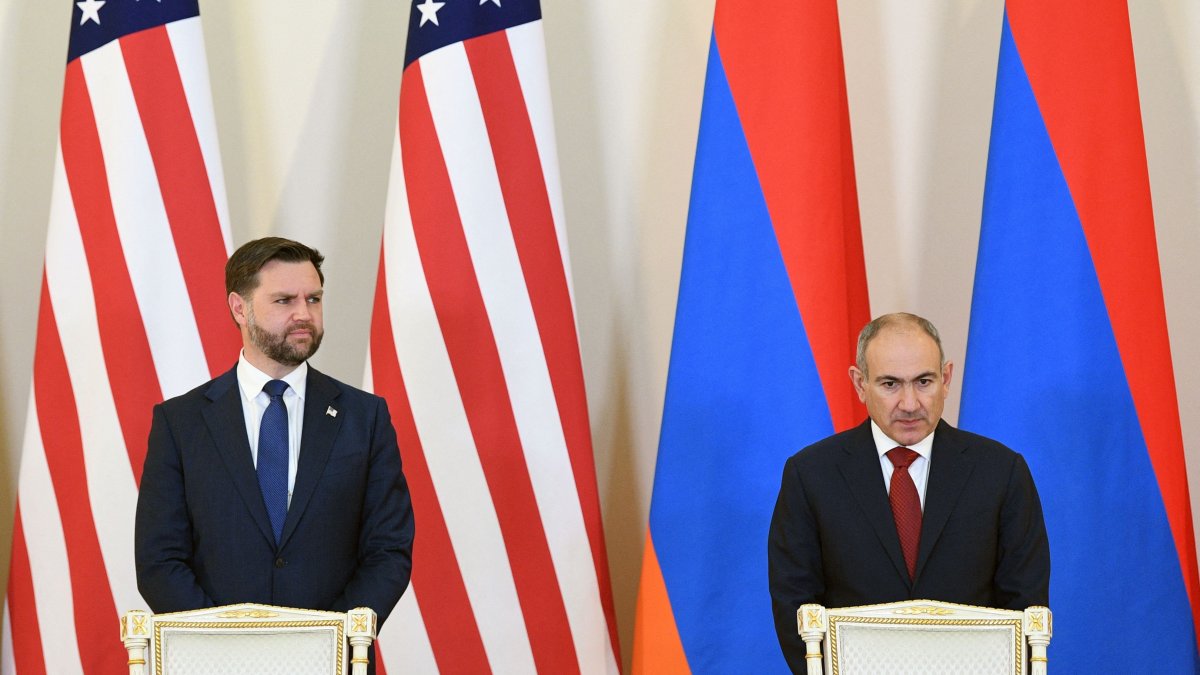
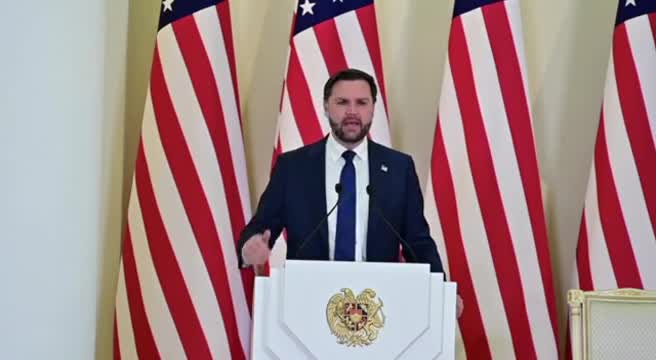
A statement on the nuclear sector deal was signed by Armenian Prime Minister Nikol Pashinyan and Vance, who is on a two-day visit to the country. The two said they had completed negotiations on what is known as a 123 Agreement, which allows the U.S. to legally license nuclear technology and equipment to other countries. The agreement will allow up to $5 billion in initial U.S. exports to Armenia, plus an additional $4 billion in longer-term fuel and maintenance contracts, Vance said.
"This agreement will open a new chapter in the deepening energy partnership between Armenia and the United States," Pashinyan said at a joint press conference with Vance. Long heavily dependent on Russia and Iran for its energy supplies, Armenia is now reviewing proposals from U.S., Russian, Chinese, French and South Korean companies to construct a new nuclear reactor to replace its sole, ageing Russian-built nuclear power plant, Metsamor.