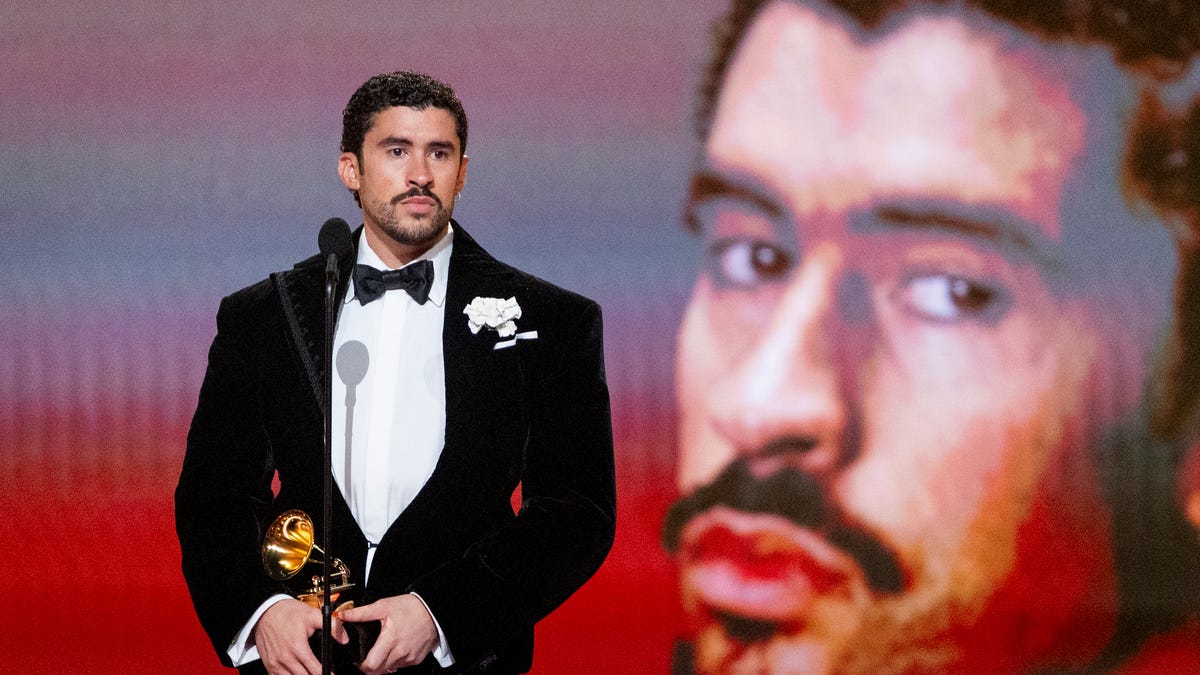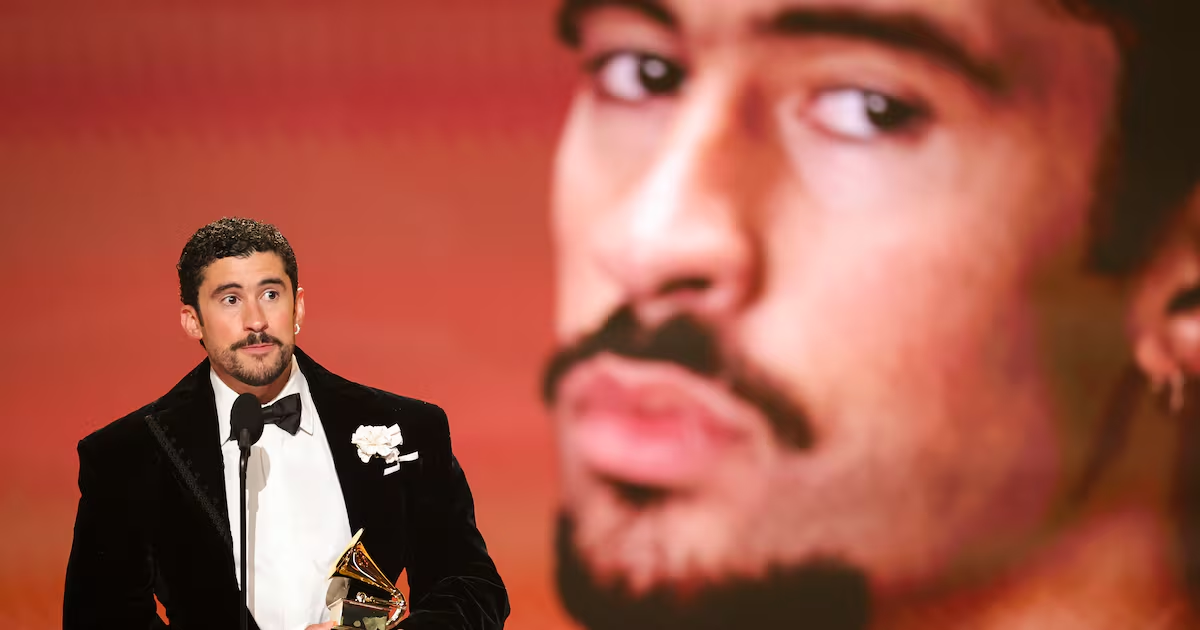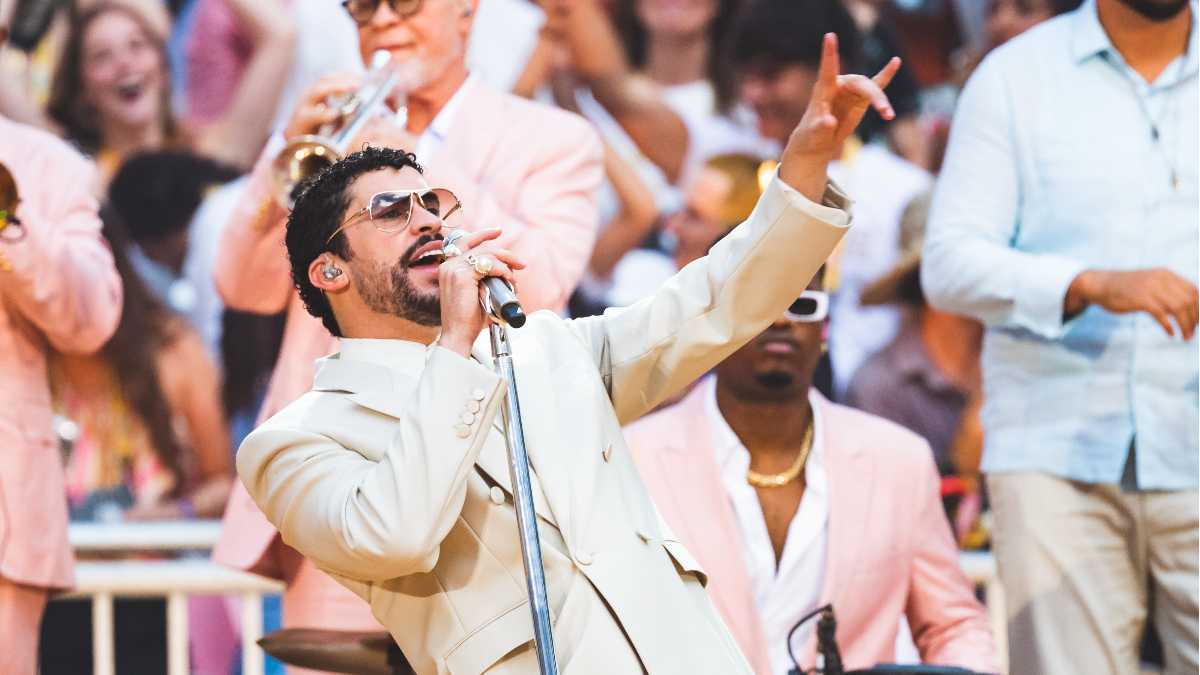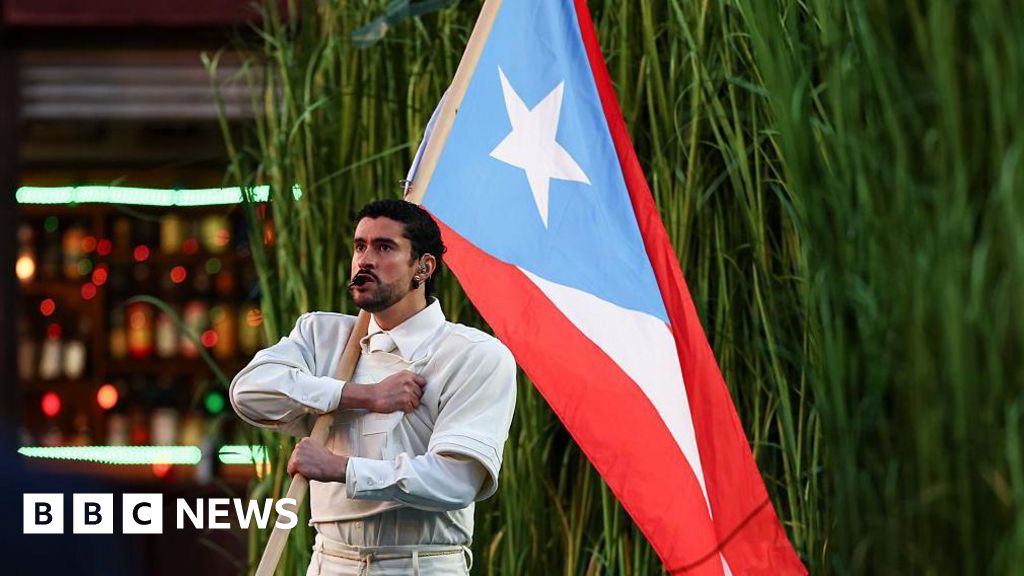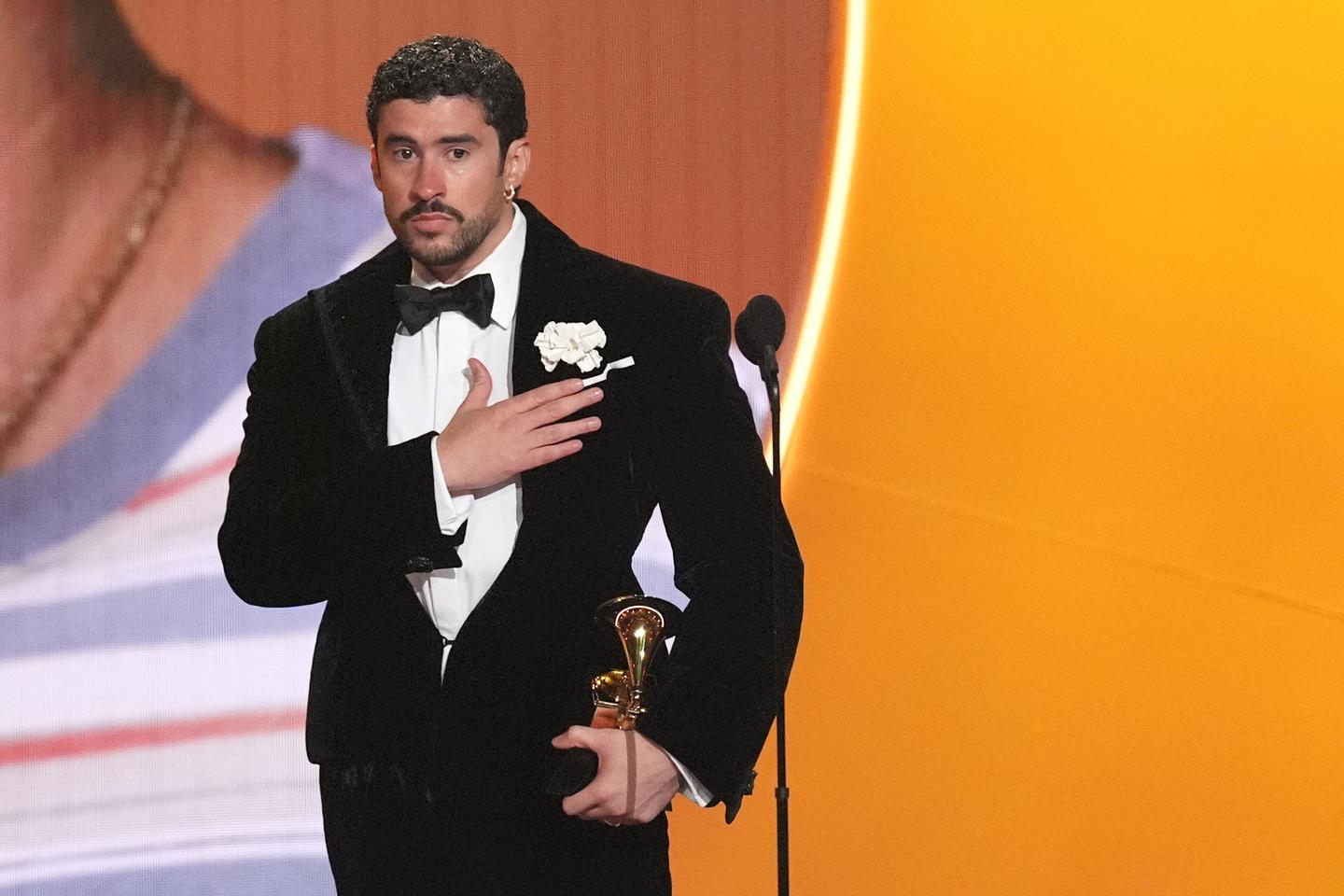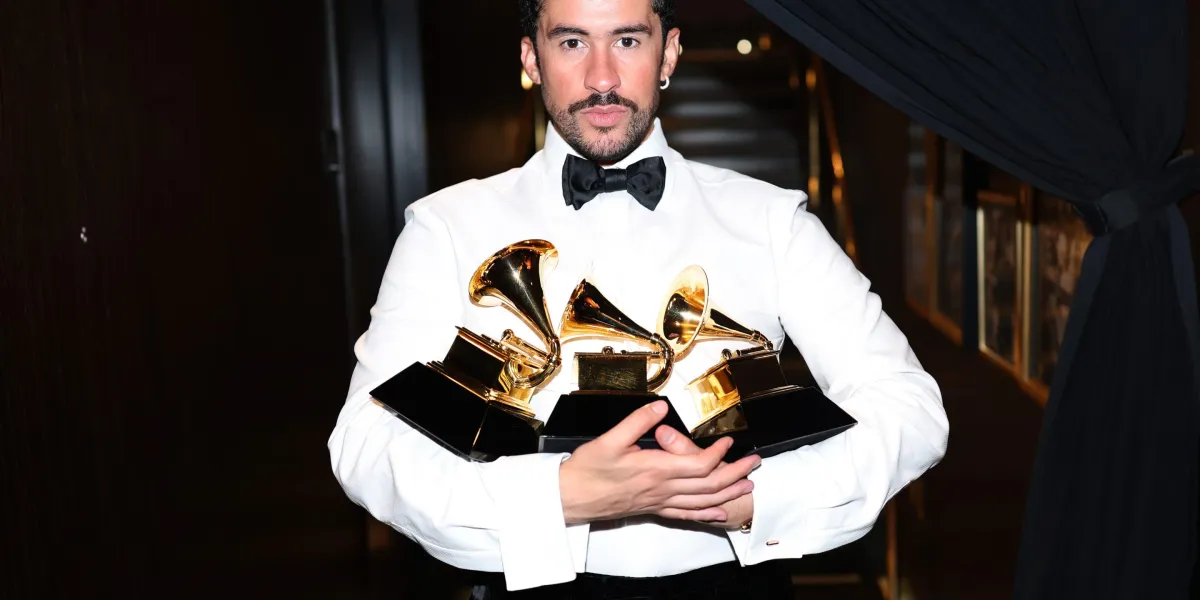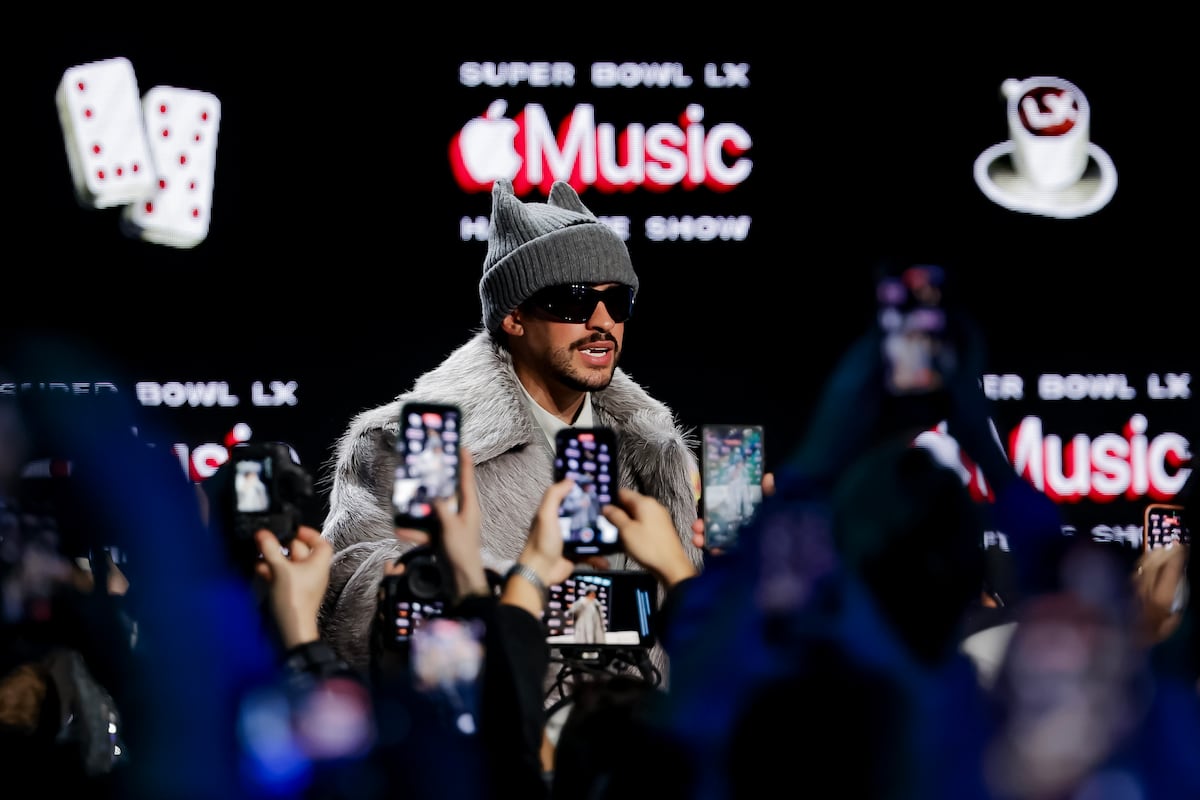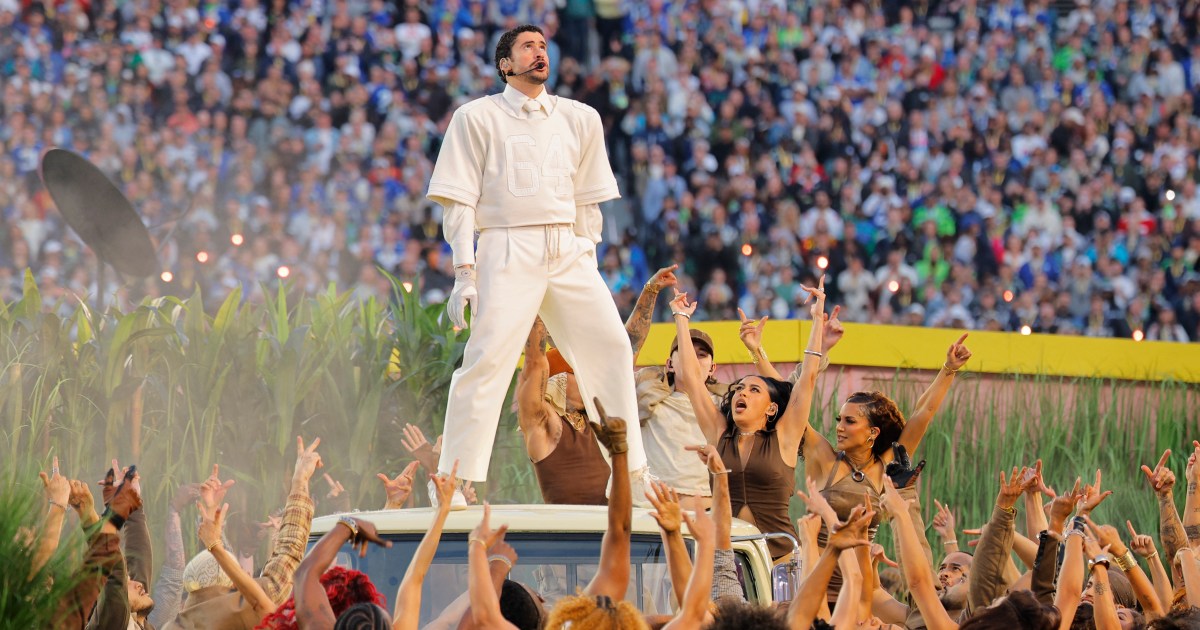
For decades, the American music industry operated under a largely unquestioned assumption: global superstardom required English. Then came Bad Bunny, an artist who solely performs in Spanish yet dominates global charts (and award shows, with his latest win: Album of the Year at the Grammys, a historic first for the Recording Academy), all while selling out stadiums across continents, including a 31-show residency on the island, and inspiring millions of fans who don’t speak Spanish to shout every lyric anyway.
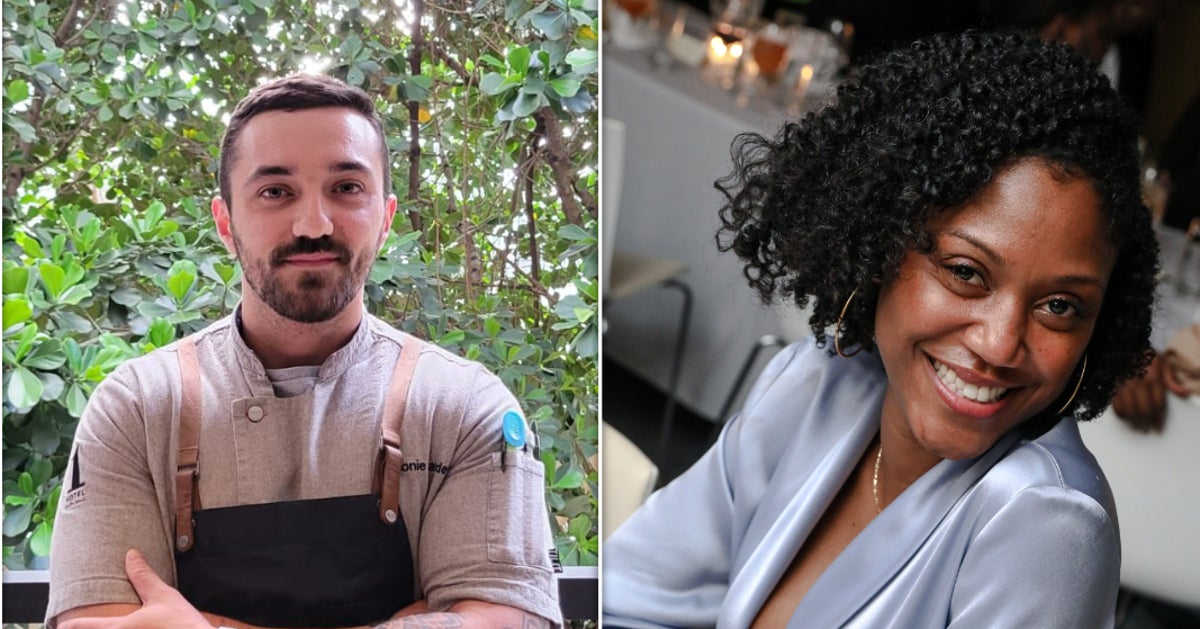
What explains this cultural shift? We spoke with six non-Spanish-speaking fans across the United States and revealed a shared answer: rhythm before translation, emotion before vocabulary, and recognizing music over everything.
For Devon Ashby, a 29-year-old based in Washington, D.C., the introduction came in 2017 while studying abroad in the Dominican Republic, when he first heard “Soy Peor” on the radio.
“I’d never really been out of the country before that,” Ashby recalls. “It sounded almost like American trap music to me and that’s what really drew me in.”
Ashby sees music itself as translation. “Music is a universal language because you don’t have to understand the words to know that the rhythm and sound of the instruments gives you a warm feeling and makes you want to move around, artists like Michael Jackson evoked emotions even without saying words at all,” he says.