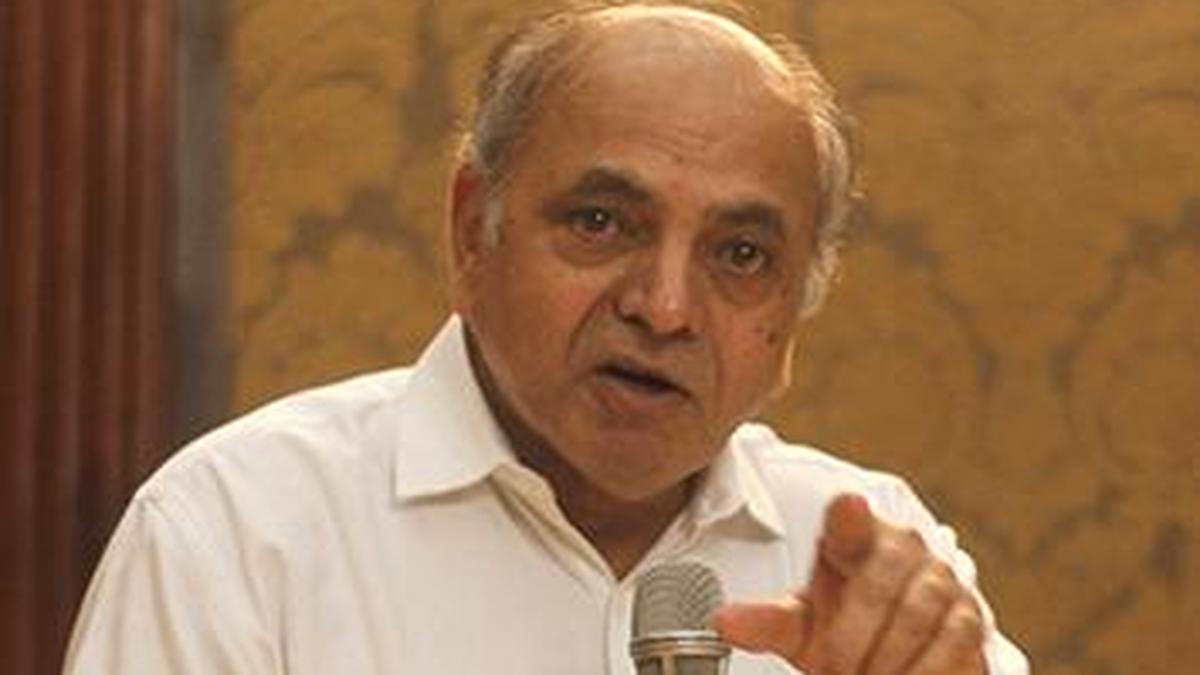
Linguistic and cultural markers could hold the key to solving the caste enumeration riddle, says scholar, linguist, author, and cultural activist Professor G.N. Devy. In an exclusive conversation with The Hindu, he explained that even if residents entered what they thought was their caste name, post-Census studies and a carefully layered scrutiny could analyse markers of language, ancestry, lifestyle, and kinships to arrive at a comprehensive list of castes that accounts for all groups, while being able to explain duplication, variations in names, and spellings.
“This model has been tried and tested for languages,” said Professor Devy, whose work leading the “Peoples’ Linguistic Survey of India” project resulted in the documentation of more than 780 languages in the country.
In four decades about 280 languages have disappeared: Dr. G.N. Devy
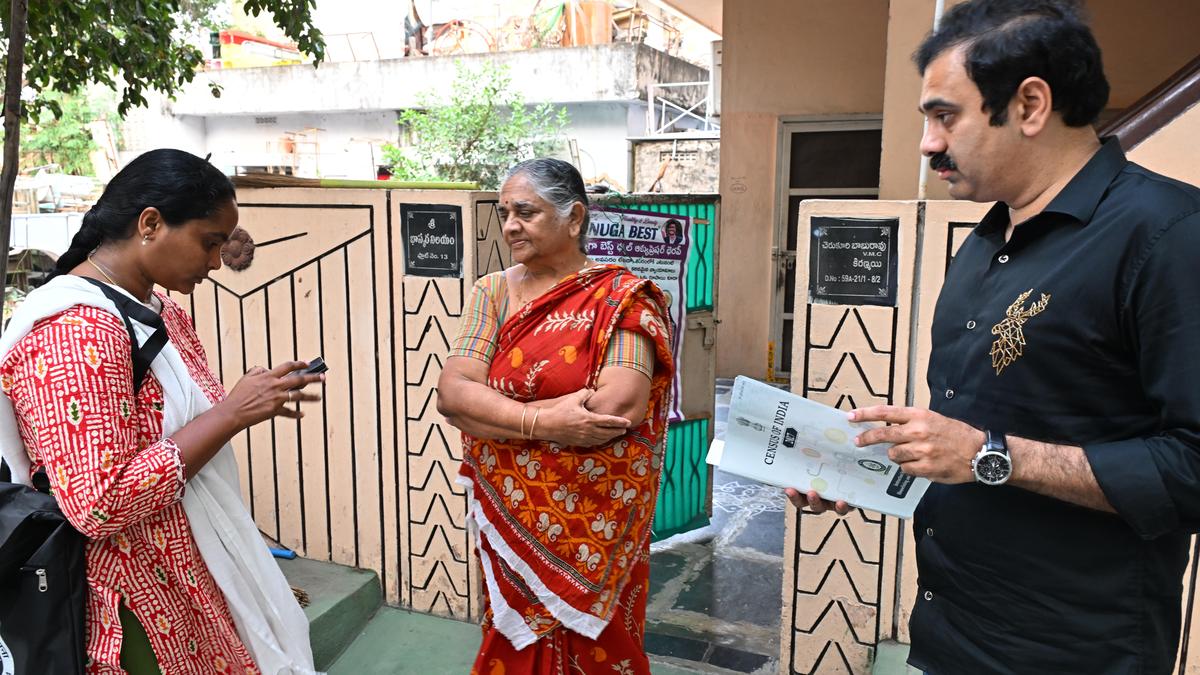
The Union government has planned to hold the next Census in 2026 and 2027. The first phase — houselisting — is set to be completed this year; the second phase — population enumeration (with caste) — is due in 2027. However, the methodology for caste enumeration has not yet been announced by the Office of the Registrar General and Census Commissioner of India.