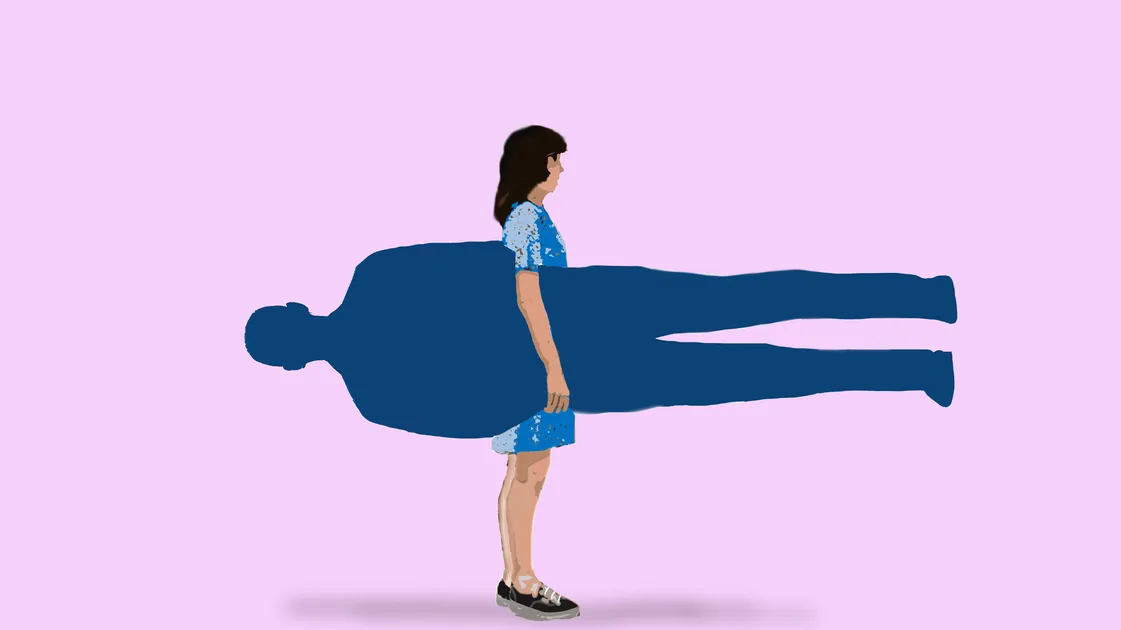
It’s hard to describe the feeling of watching something simultaneously captivating and haunting — like some types of natural disaster you can’t look away from. Yet this is how I’ve felt when talking about Netflix’s “Adolescence,” a series that came out last year, to friends, family, or really anyone who will listen. Witnessing the chilling effects of online manosphere communities, the repackaging of misogyny from generation to generation, and the process of how toxic masculinity gets normalized by peers all struck a chord with both the sex educator and the feminist in me. And seeing how men influenced the thinking behind the main character’s actions made me wonder what it would mean for our world if men themselves were part of the movement to decenter men.While this concept sounds simple enough, it actually requires a deep examination of how heteropatriarchy embeds itself in all of our relationships, decision-making, and opinions, and shifts our self-worth toward the comfort and validation of men. In fact, the term, which was popularized by Sherese (Charlie) Taylor, sociologist and author of the book “Decenter Men,” has been more prominent in cultural conversation in the past few years through the growing interest of the 4B movement and the rise of conservatism (and subsequently, tradwives).These trends are pushing women and nonbinary people to examine how their existence is diminished by putting men above everything else. Historically, women and nonbinary people have been at the frontlines of these discussions about gender equality. We’ve long been evaluating the role that straight cis men play in our lives, and becoming aware of how our own wants and needs are often put on the back burner. We question, out loud, why romantic relationships with men are seen as more valuable than others or why society has told us we need to remain palatable to men’s desires.What might actually shift the tide is men entering this conversation. Although it might seem counterintuitive, dissecting the ways we can dismantle the patriarchy is actually good for them too. But before any of that can happen, men have to acknowledge that they are the center of everything.Because men gain the most from the patriarchy, they are also responsible for dismantling it, says Manijeh Badiee, a queer psychologist in California. And although we need male allyship within the movement to decenter men for it to succeed, that’s not the only reason why men should be involved. When men reorient themselves outside the center of our culture, they too benefit from experiencing more fulfilling lives with broader possibilities. “There’s suddenly more ways to experience life,” says California-based queer therapist, Ava Shakib.Because if patriarchy exists as a map for our lives, it’s not just women who suffer; men also “experience the side effects of being closed off from living more freely and autonomously,” Shakib tells me.Shakib describes anger as one of the only societally acceptable emotions for men to experience, and in a culture “without gendered boxes, a person can see that other emotions live underneath their anger, like guilt, betrayal, and annoyance.” According to Badiee, “Research on men’s gender role conflict demonstrates that men who adhere to traditional masculinity norms face worse mental health outcomes, have lower quality relationships, and tend to be more violent.” By abandoning patriarchal norms that tell men it’s not OK to convey “feminine” emotions, men gain deeper access to themselves and their desires. Men intentionally accessing their emotions could profoundly improve how we all relate to each other. I mean, let’s be realistic. It could possibly prevent wars.Imagine more straight men claiming their right to engage in the practices of connection and bonding that other identities do. For example, in the social sphere, “men can experience openness and connection when they engage in ‘feminine’ activities like gossip and feelings-sharing,” Shakib says. Ironically, the act of decentering oneself in society can make you feel more connected to others, more likely to form secure, intimate bonds, and more seen. But as our psychologists lay out, that’s what rejecting the patriarchy can achieve. And while those of us who aren’t cis men can sit around and muse about how amazing that would be, putting it into practice feels nearly impossible. Ultimately, therapy feels like a wise first step.When men begin to live a life of decentering, the effects reverberate not just for themselves, but as the “other people in their life witness this expansiveness and are, in a way, given permission to live outside the box, too,” remarks Shakib, giving all people the chance to live a life of authenticity. In a world where men are committed to stepping back from the center, there is greater safety for all people to construct individuality without expectation and to allow others to do the same.
Getting Men To Do This 1 Simple Thing Could Make the World a Better Place
Time for straight dudes to pick up on a practice that’s bolstered our mental health since the beginning of time.
788 words~4 min read