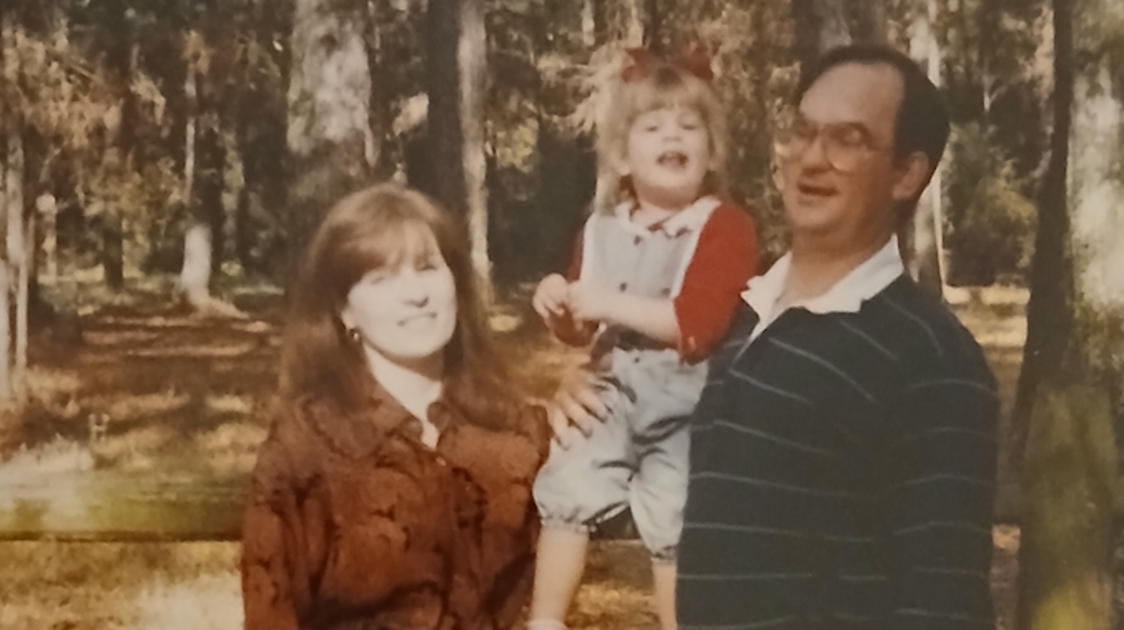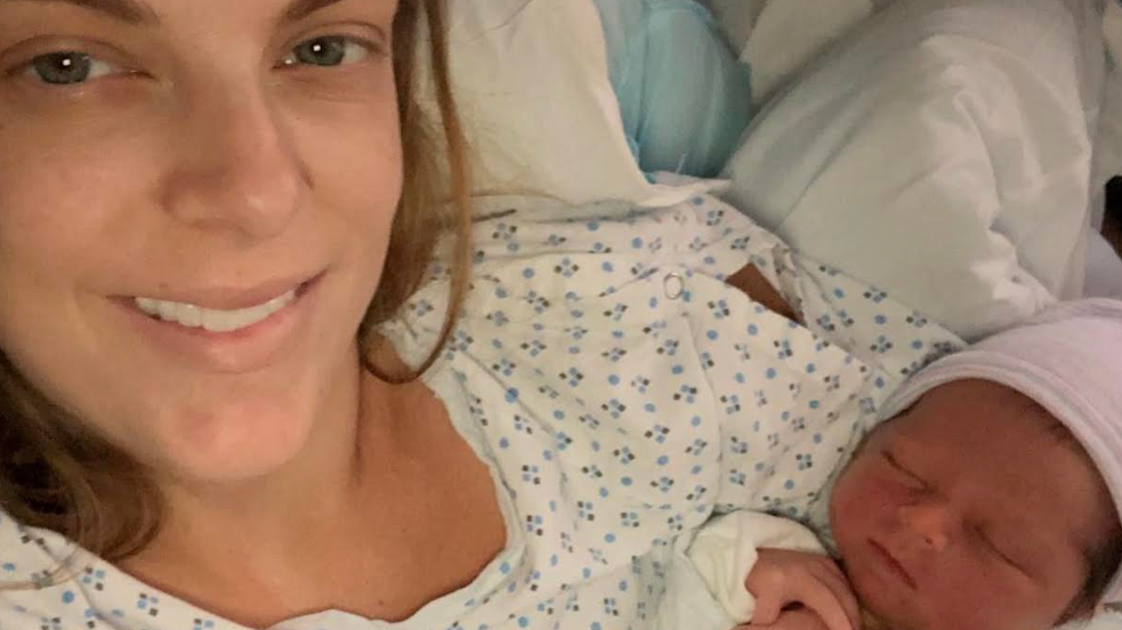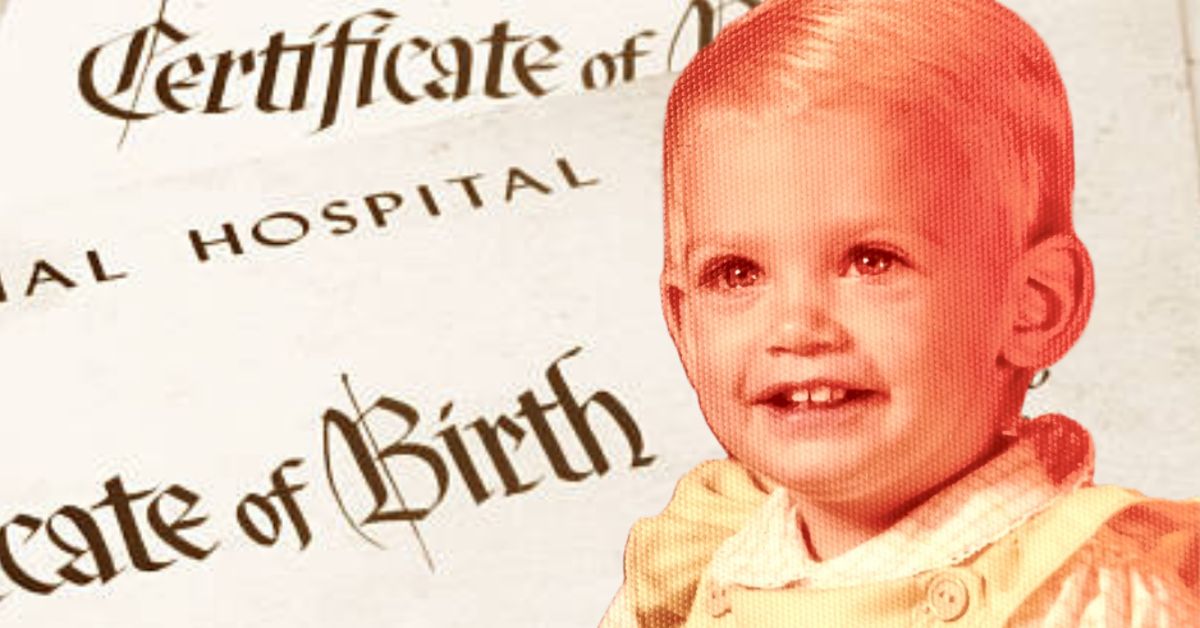
In 1977, when I was born, my original birth certificate was locked away by the courts, and the truth of my birth was withheld from me. What should have been the beginning of my story was treated as forbidden knowledge, leaving me to grow up in the shadow of an identity I was never allowed to claim.
From the 1940s to the 1970s, known as the “baby scoop era,” millions of young mothers were pressured, shamed and outright forced into surrendering their newborns. Fearing the disgrace of an “illegitimate” pregnancy, families sent their daughters to maternity homes, run largely by religious groups, where social workers and moral authorities insisted that closed adoption was the path to cleansing the shame of conceiving a child.
No one paused to consider the psychological cost or how those early ruptures would shape the lives of infants like me. Trauma takes root the very moment that first bond is severed, long before we have words to name the ache it leaves behind. I carry what’s known as pre‑verbal trauma, a wound that settled into my body and nervous system and shows up in my attachment patterns, in my pervasive fear that love will vanish, and in the stories I tell myself about my worth.
My adoptive parents were benevolent, compassionate people, providing me with a life full of love, support and opportunity. I have always felt I was fortunate, grateful even, for the “second chance” I’d been given. Yet, despite my stable upbringing, I experienced persistent disturbances of anxiety, depression, identity confusion and a chronic emptiness.