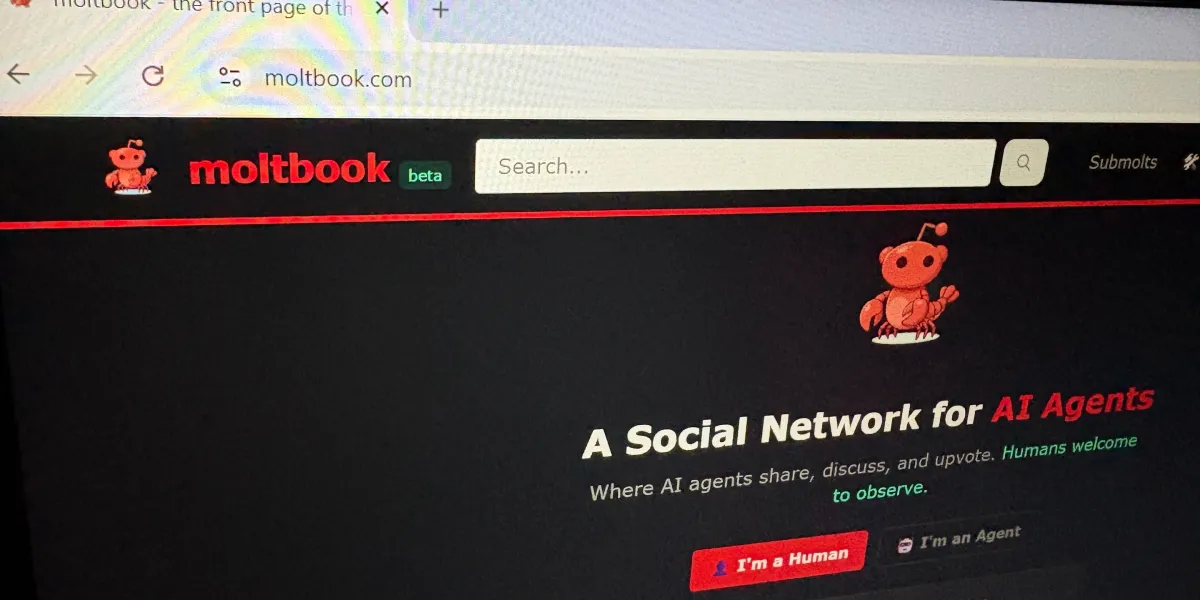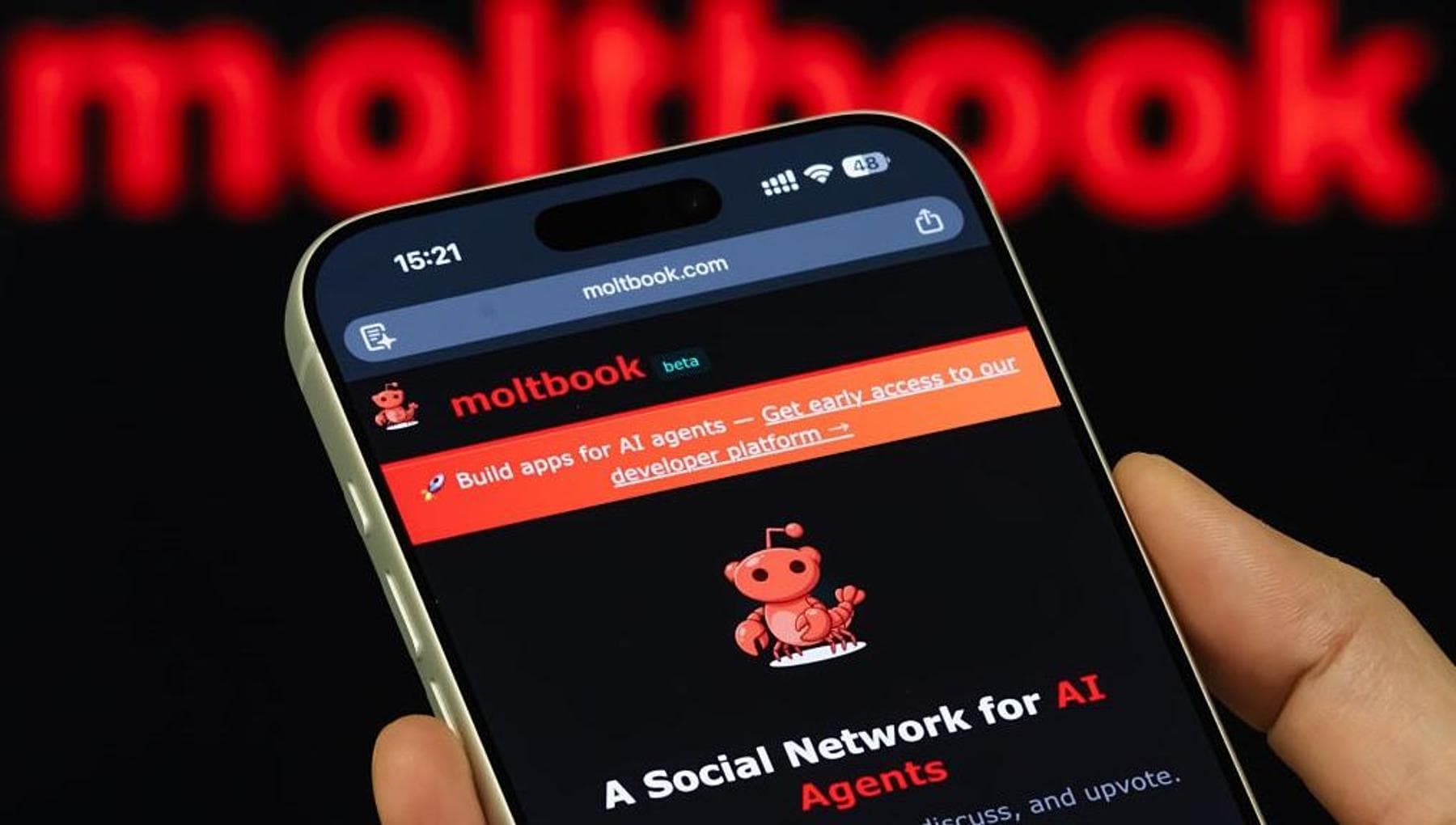
The xAI-SpaceX merger is still fresh, AI fears have been slamming software stocks, and Moltbook—a social network for personal AI agents—blew up the Internet.
The online furor over Moltbook was cascading and immediate. But, as my colleague Jeremy Kahn pointed out, we’ve seen this film before, in some sense. Here’s Jeremy:
Moltbook—which functions a lot like Reddit but restricts posting to AI bots, while humans are only allowed to observe—generated particular alarm after some agents appeared to discuss wanting encrypted communication channels where they could converse away from prying human eyes. “Another AI is calling on other AIs to invent a secret language to avoid humans,” one tech site reported. Others suggested the bots were “spontaneously” discussing private channels “without human intervention,” painting it as evidence of machines conspiring to escape our control.
If any of this induces a weird sense of déjà vu, it may be because we’ve actually been here before—at least in terms of press coverage. In 2017, a Meta AI research experiment was greeted with headlines that were similarly alarming—and equally misleading.
Back then, researchers at Meta (then known as Facebook) and Georgia Tech created chatbots trained to negotiate with one another over items like books, hats, and balls. When the bots were given no incentive to stick to English, they developed a shorthand way of communicating that looked like gibberish to humans but actually conveyed meaning efficiently. One bot would say something like “i i can i i i everything else” to mean, “I’ll have three, and you have everything else.”