https://arab.news/rvjxr
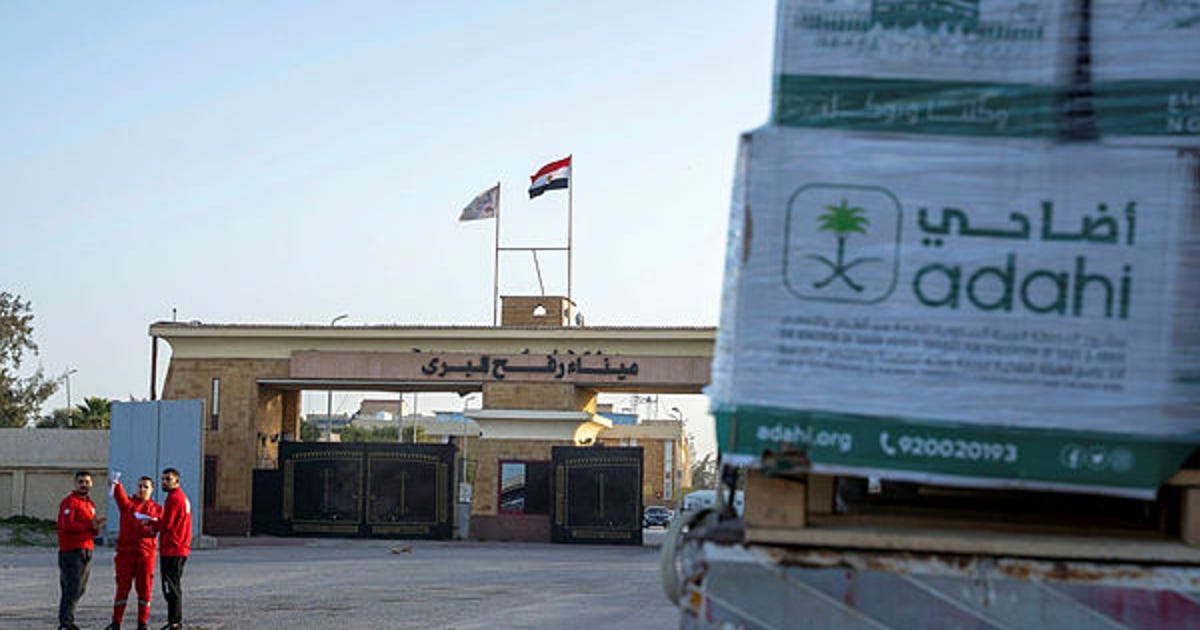
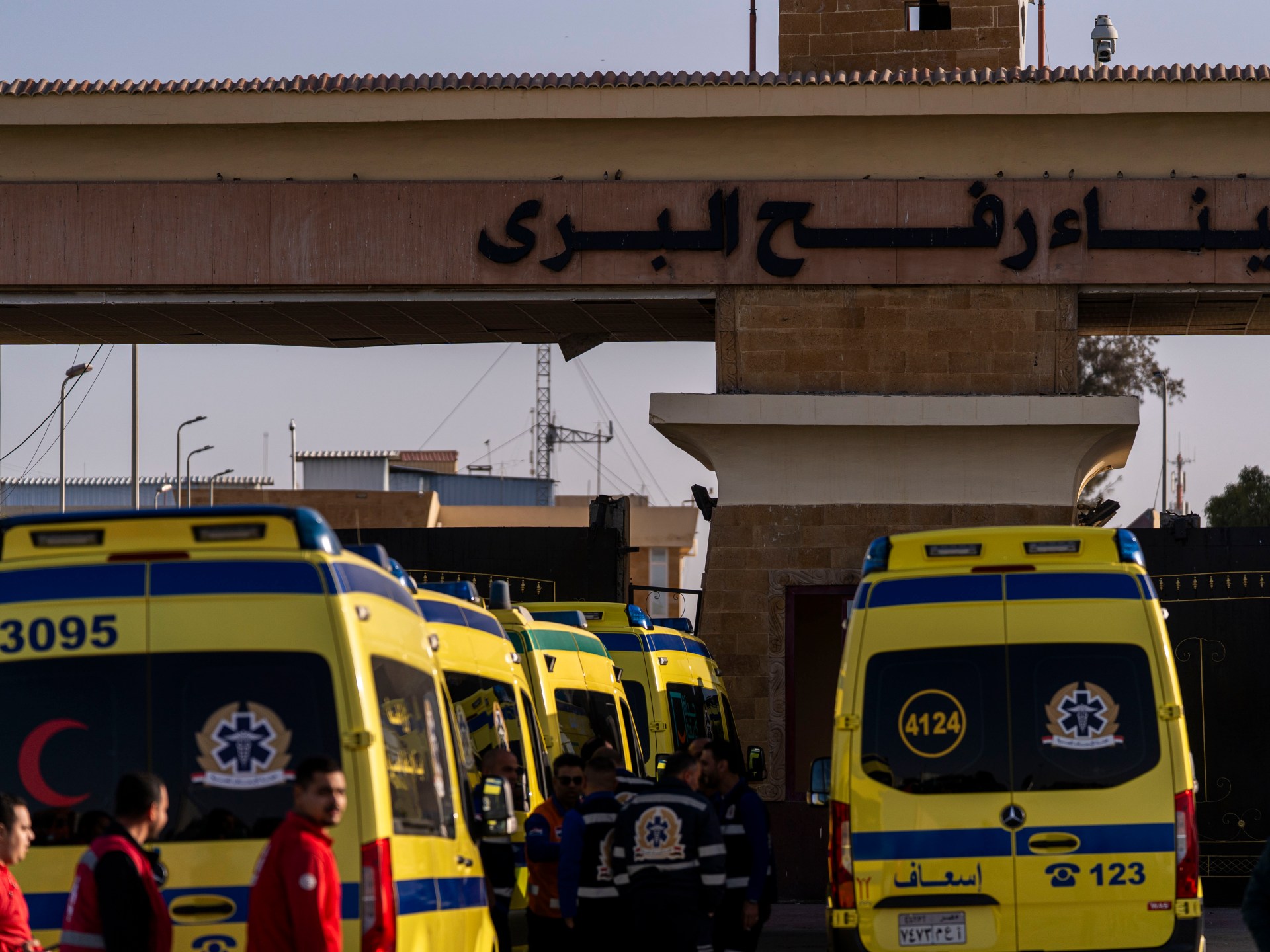
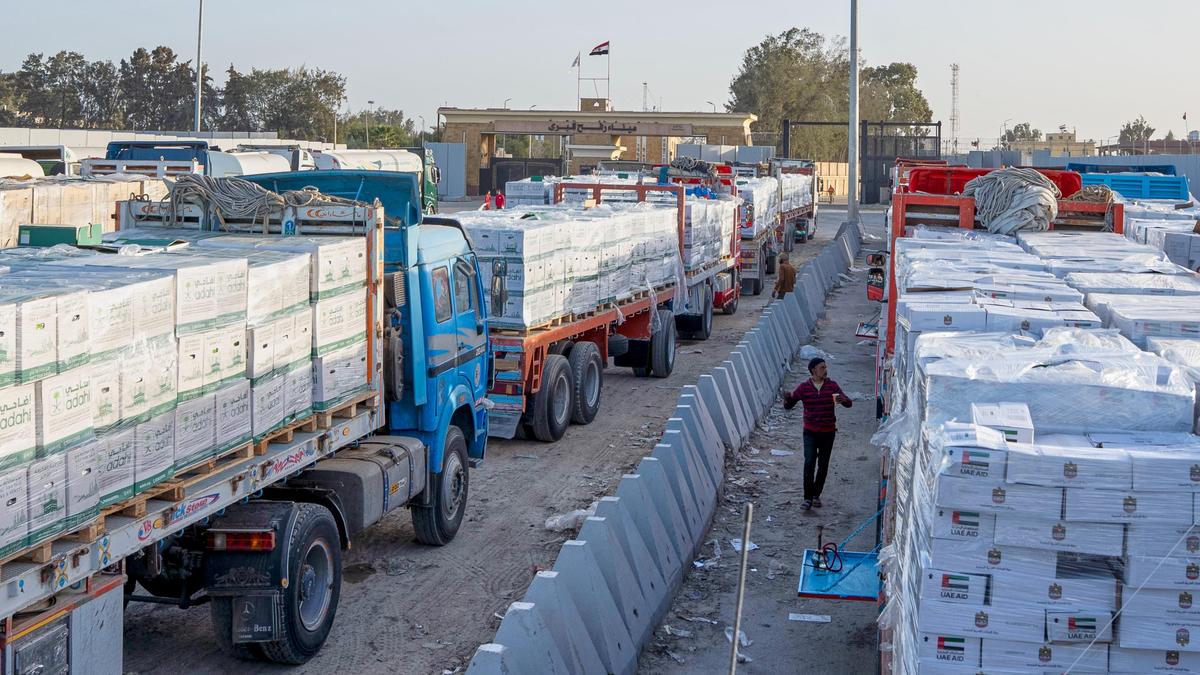
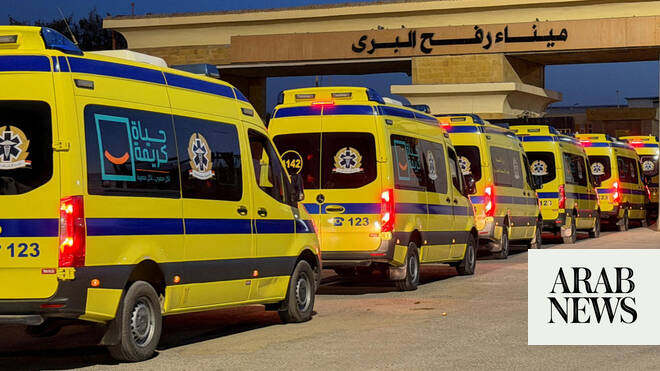
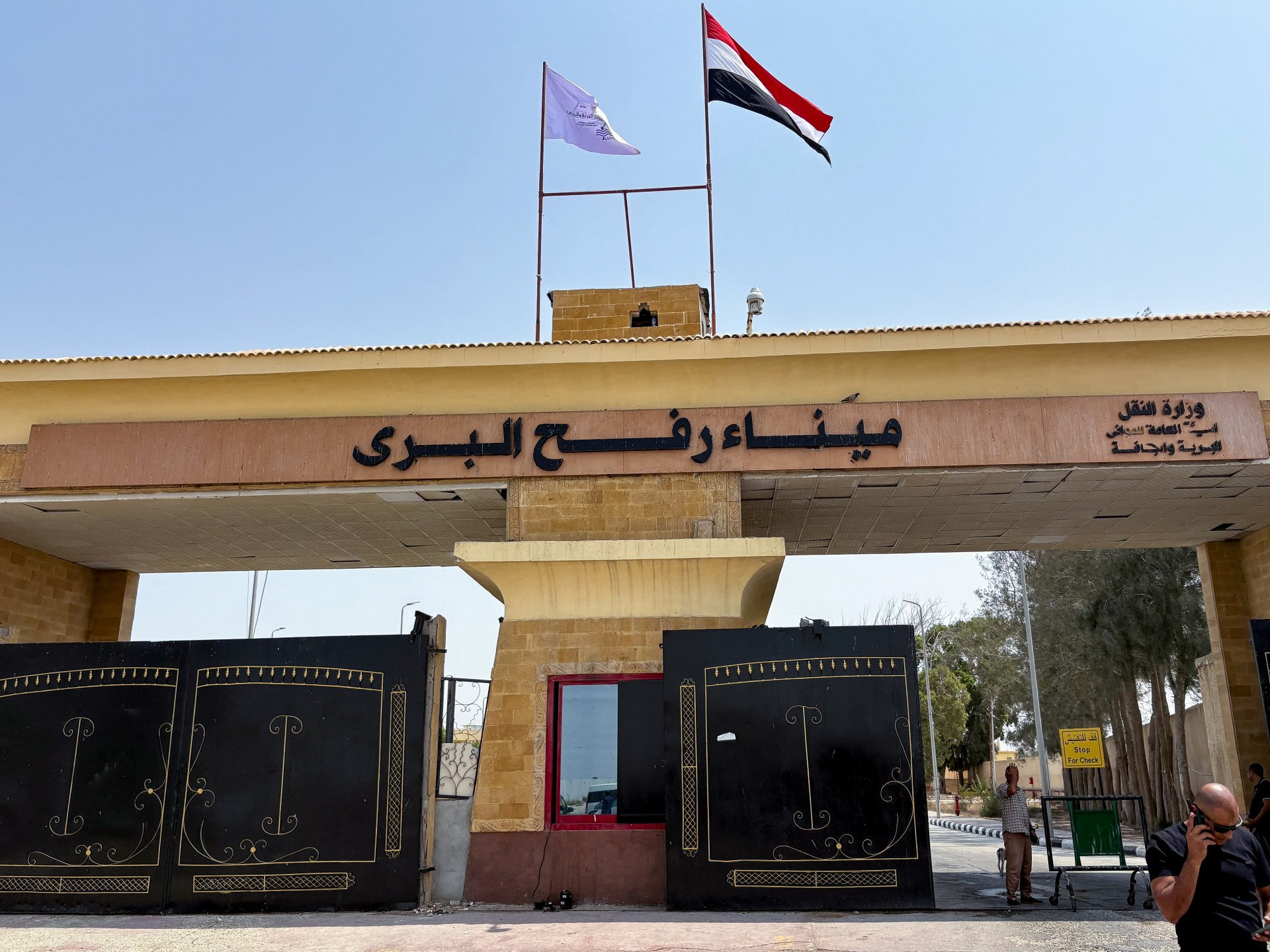
The partial reopening of the Rafah crossing has been welcomed in some quarters as a diplomatic breakthrough, even framed as a gesture of goodwill. This narrative, however, misses the point — and risks lowering the bar.
Humanitarian access to civilians under siege is not an act of generosity, nor is it a concession deserving gratitude. It is a legal obligation under international humanitarian law and a moral imperative grounded in the most basic principles of human dignity.
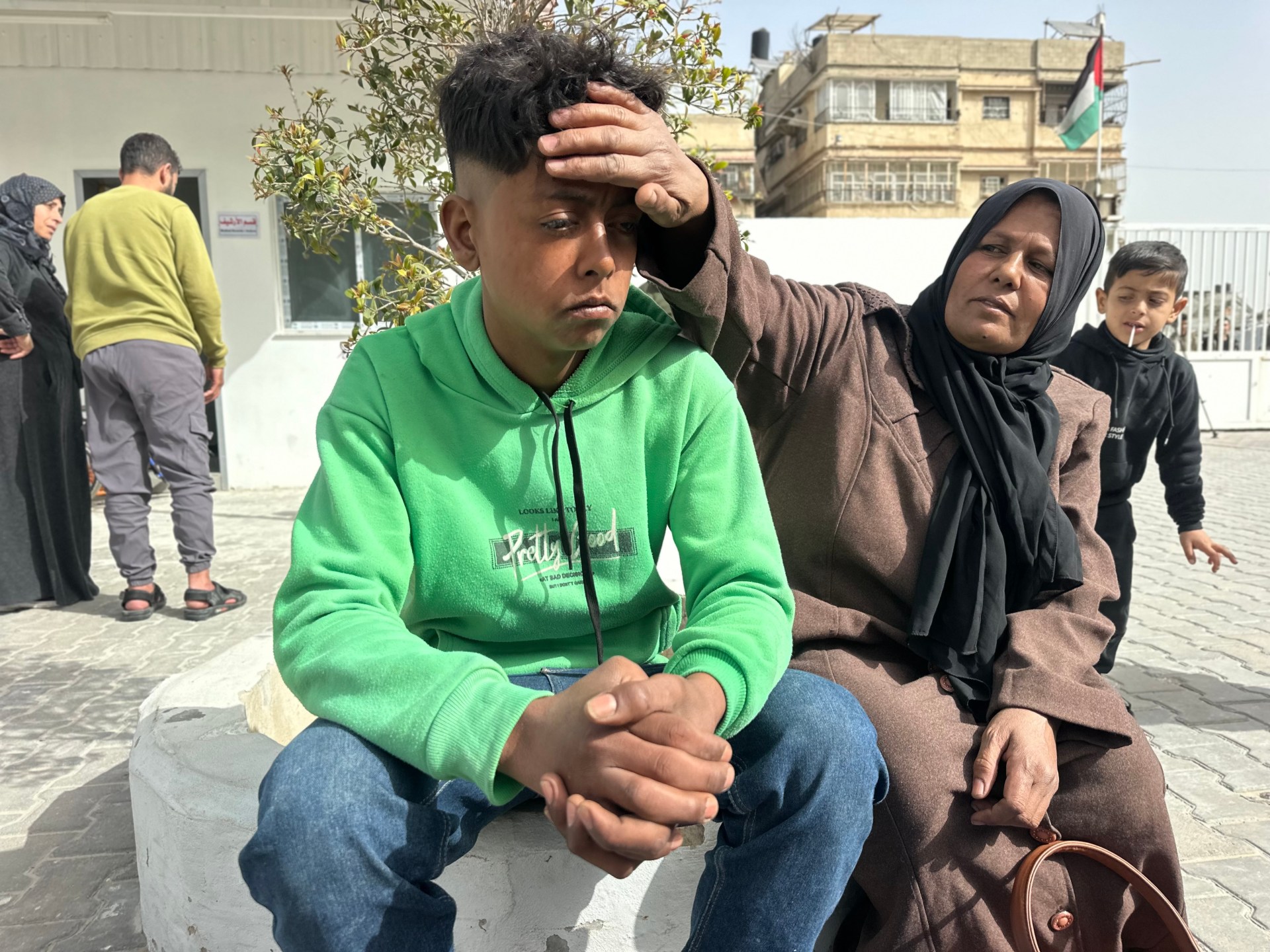
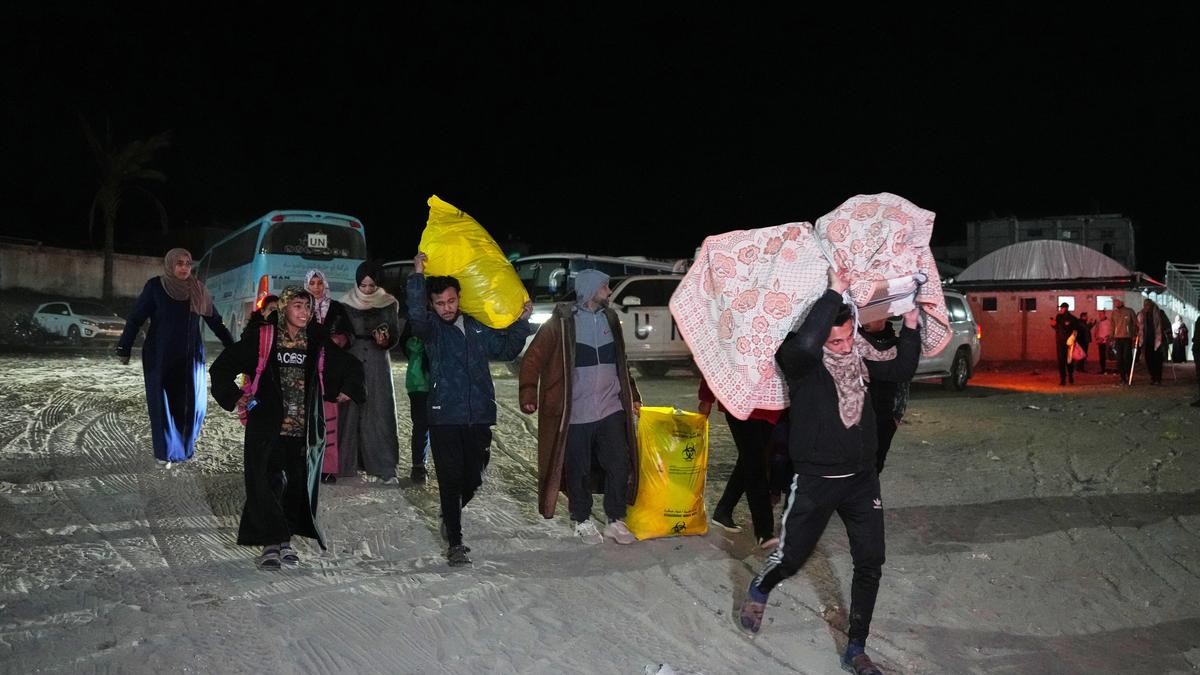
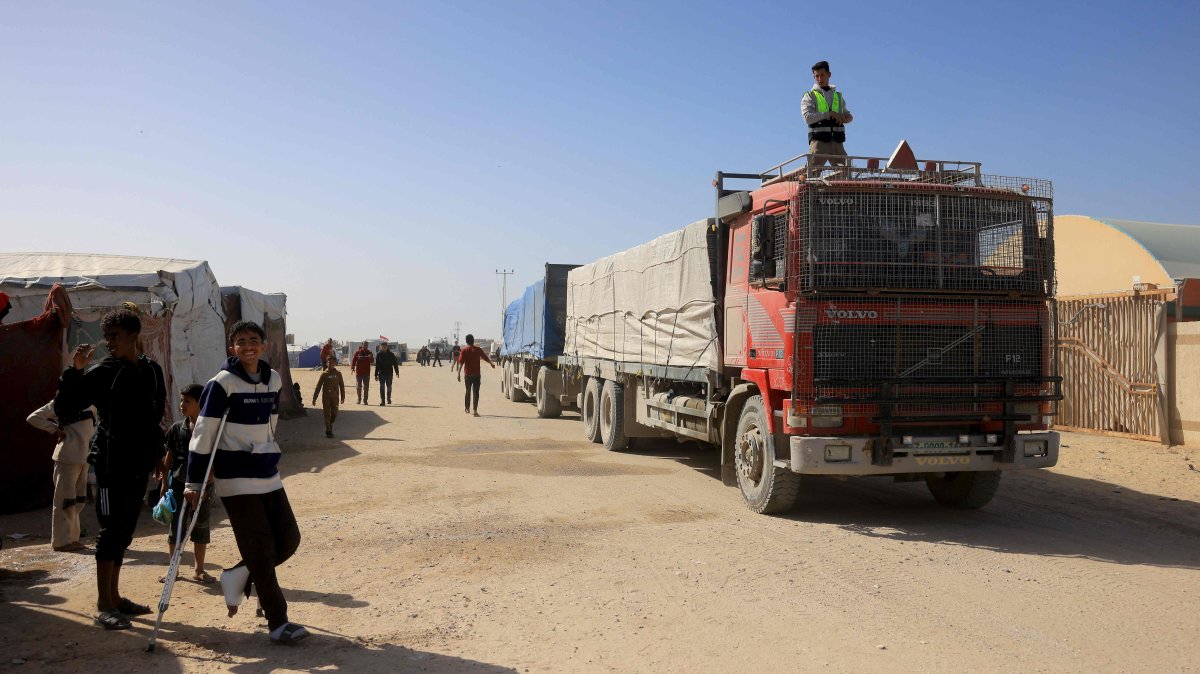
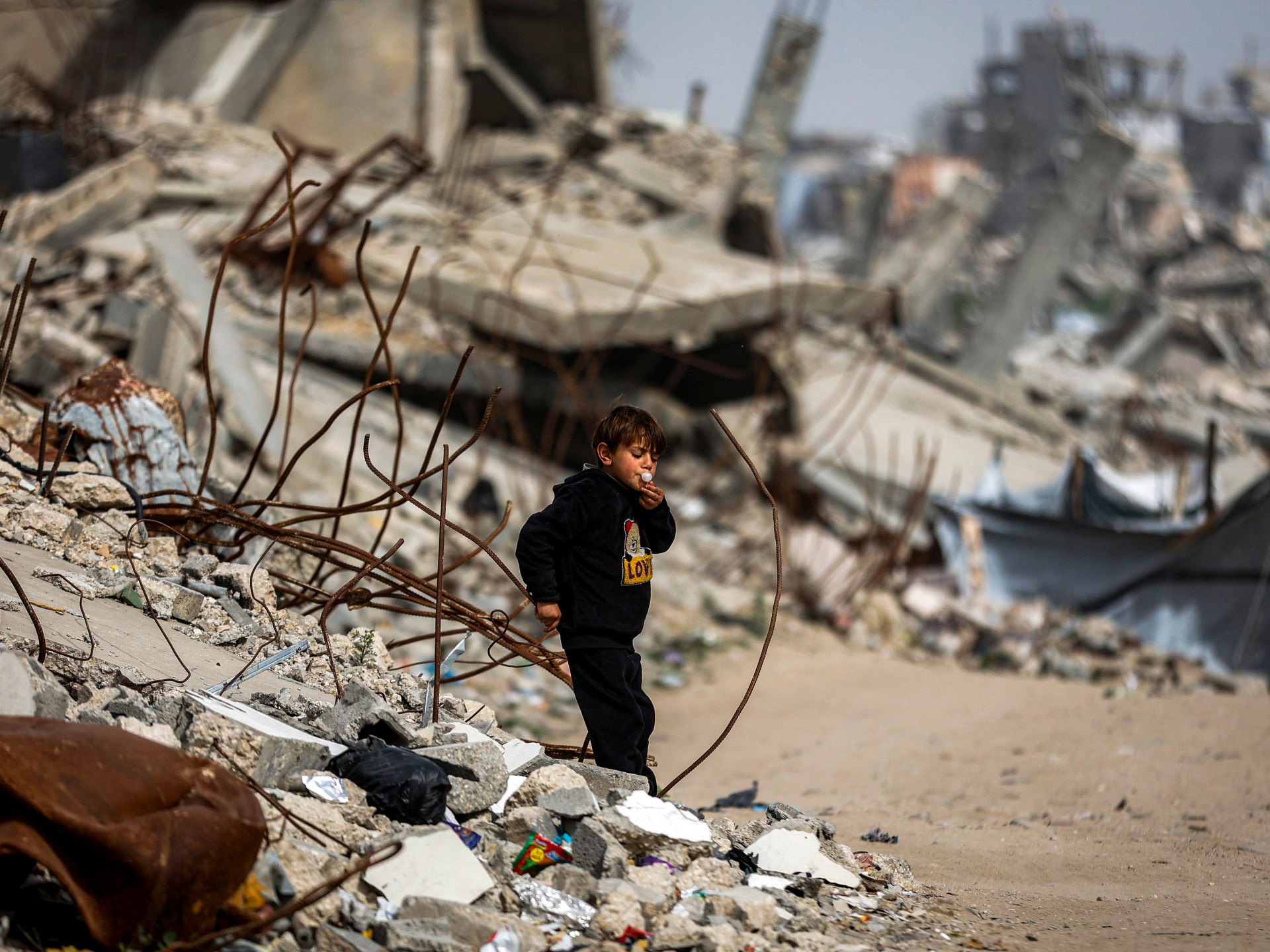
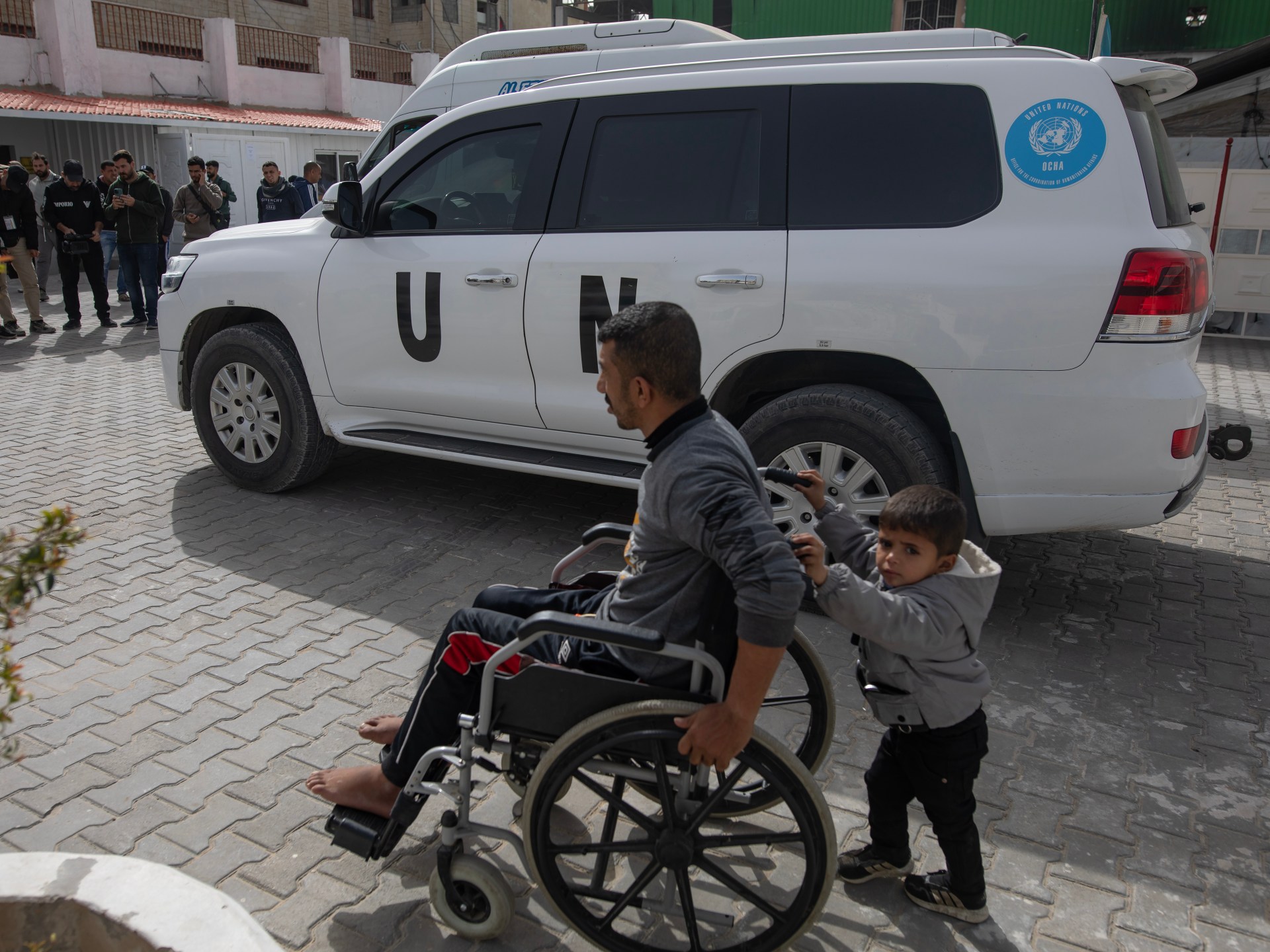
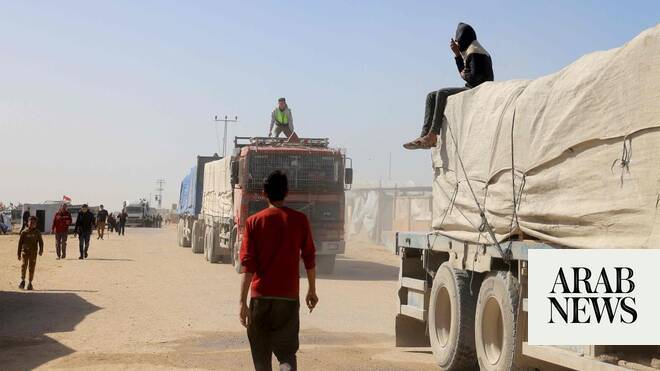
For Gaza’s more than 2 million people, Rafah is not symbolic. It is a lifeline — often the only corridor for wounded civilians seeking advanced medical care, the primary entry point for humanitarian assistance, and the sole exit for students, families, and professionals whose lives have been suspended by closure.
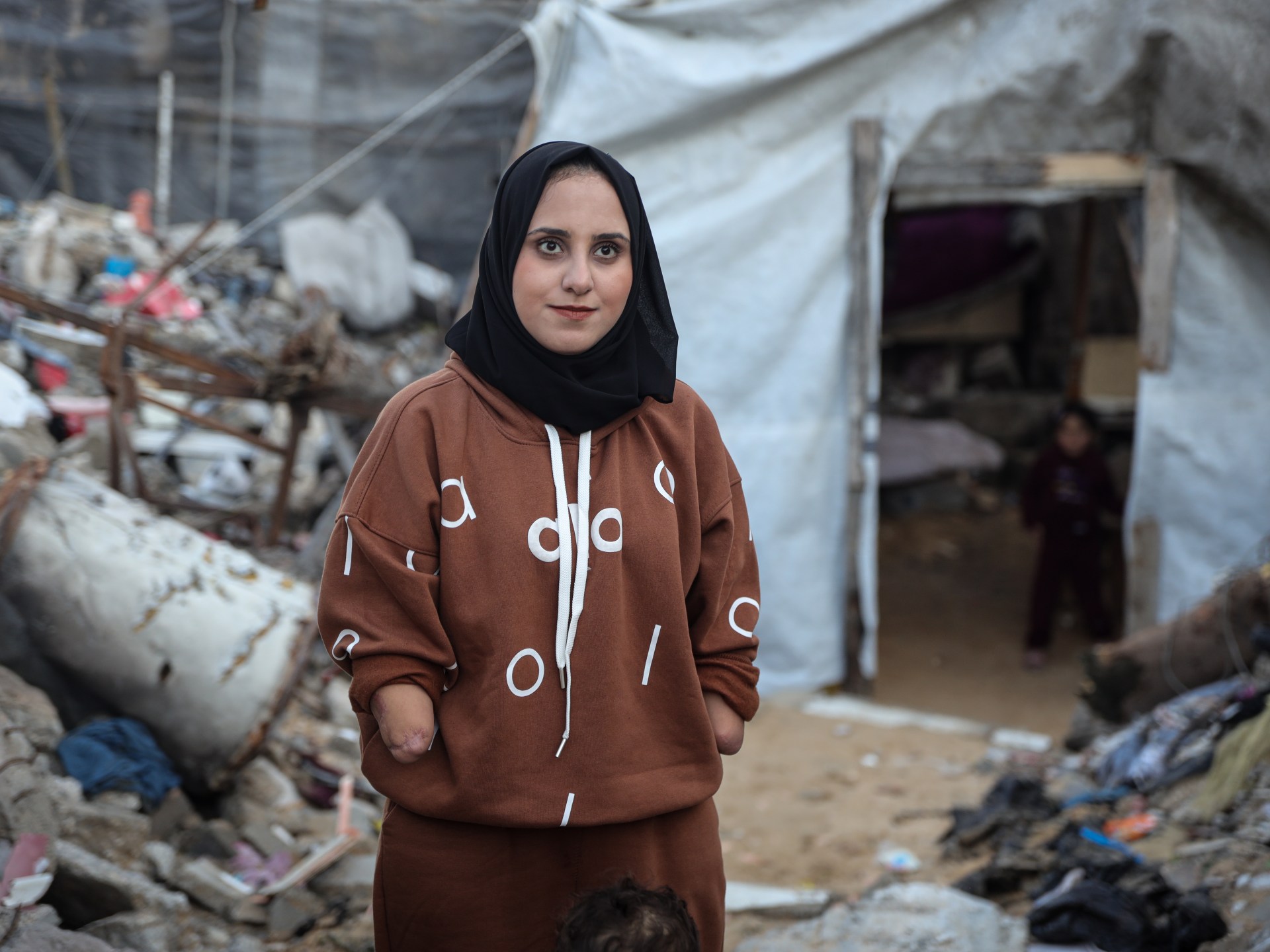
When this artery is sealed or restricted, the consequences are immediate and measurable: preventable deaths, untreated trauma, food insecurity, and a deepening sense of abandonment.