When Diane Wetherington retired from a long career as a purchasing and contracting agent in 2020, she thought she had enough money to live comfortably, travel the world and babysit her six grandsons.
But confined to her Altamonte Springs, Florida, home during the COVID-19 pandemic, she had to do something to keep busy. So, she began consulting for local government agencies and picked up a part-time remote job.
As the cost of living crept up, Wetherington discovered she couldn’t stop working and still afford the basics of her life and the overseas trips twice a year. Now, even those adventures are on hold until she can figure out “where the economy is going,” she said.
“I was good financially with my retirement until everything started going up like house and car insurance, and now, food and everything else,” Wetherington, 73, said. “Luckily, it’s something I enjoy doing. But I will probably have to work as long as I possibly can to be able to afford to live.”
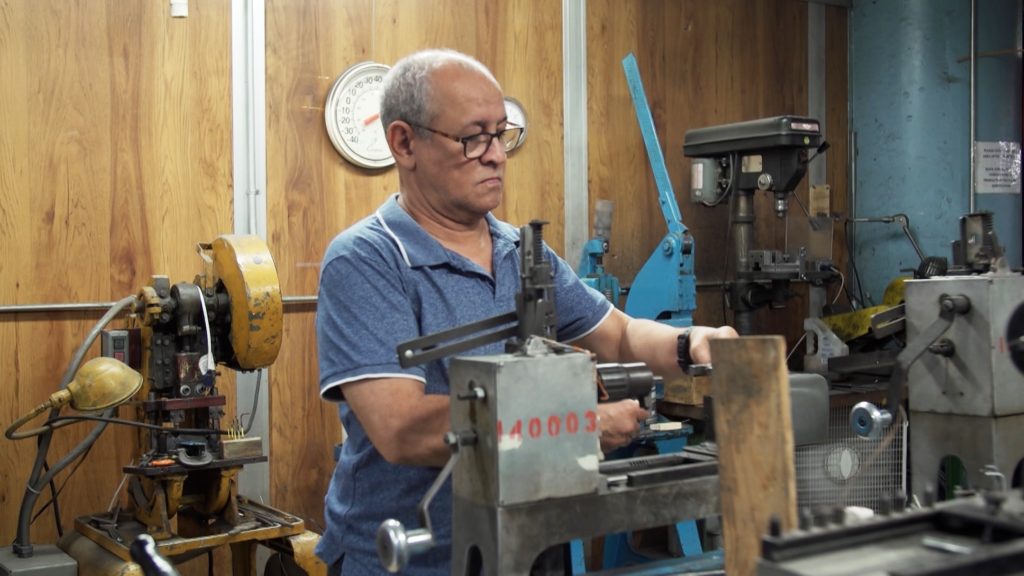
Wetherington belongs to a growing wave of “unretirees” who are rejoining the workforce and working well past the traditional retirement age of 65.