Since the 70s, China has turned around its economy – from introducing subsidies to mining untapped talent, these are the lessons Starmer must take note of
M
argaret Thatcher and Deng Xiaoping were both on a mission when they came to power within months of each other at the tail end of the 1970s. Thatcher wanted to reinvigorate capitalism in Britain, while Deng launched a programme of reform and liberalisation that he called socialism with Chinese characteristics.
Since then, the economies of Britain and China have been transformed, but in different ways. China was essentially a peasant economy when Deng took control, but it has since become an industrial powerhouse, while Britain has ceased to be a major manufacturing player and instead became a country dominated by services.
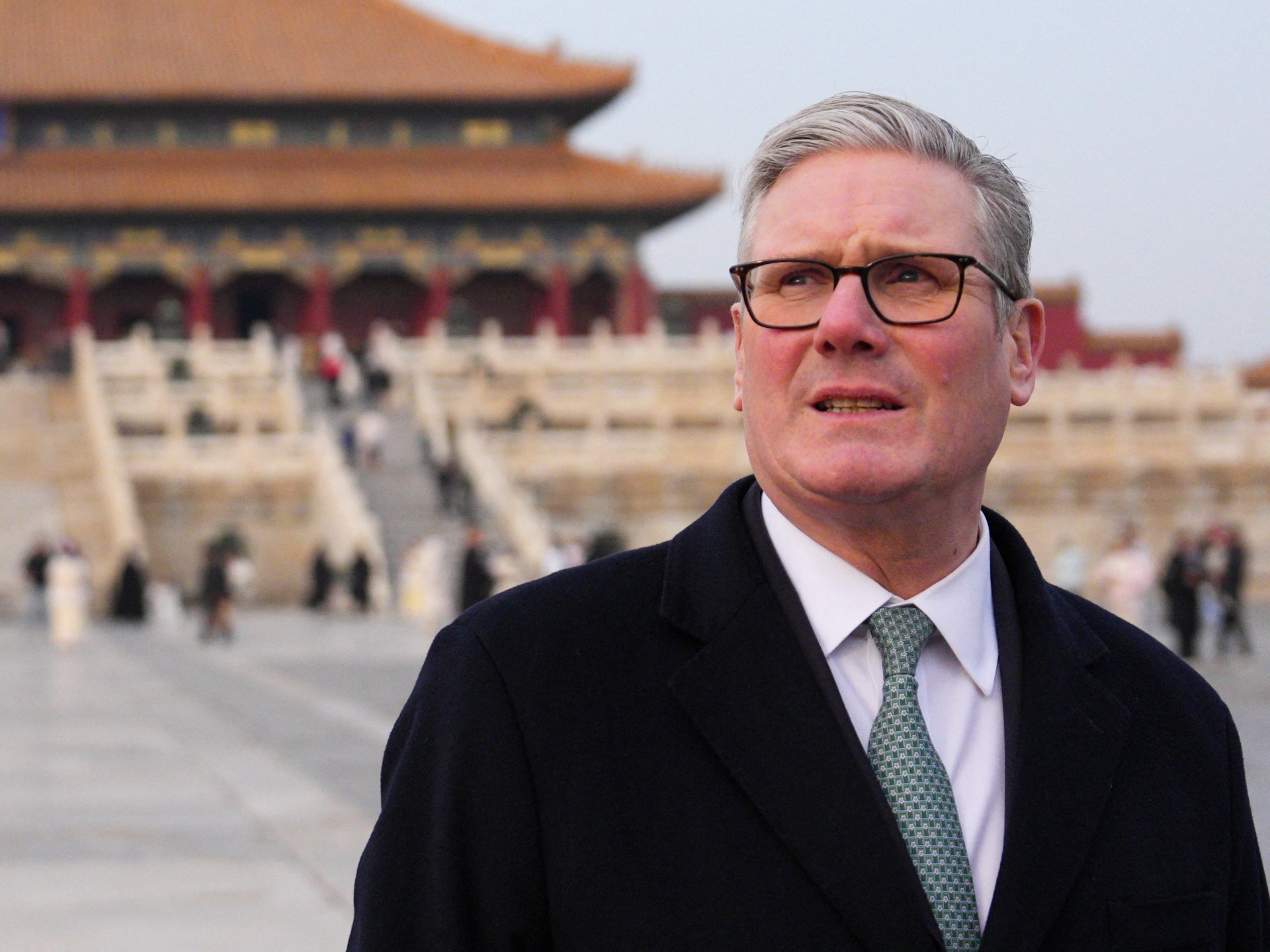
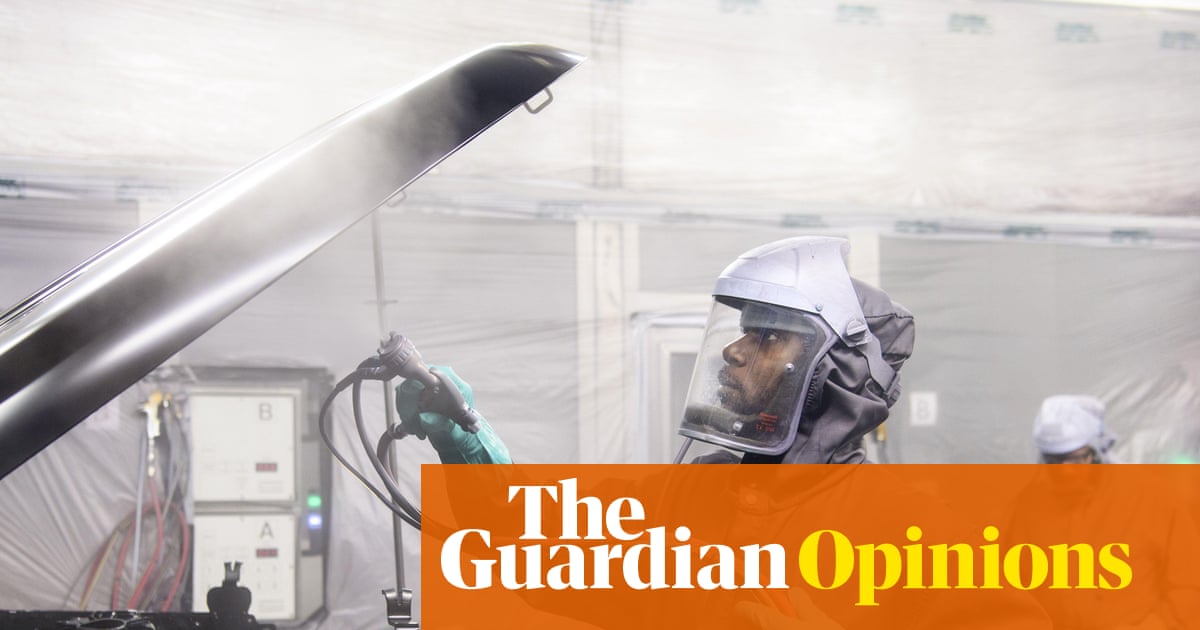
As Keir Starmer may have noticed on his visit to China last week, somewhere along the way the two countries have swapped places. In the early days of Deng’s reforms, there was a concentration on mass-produced goods where China’s much lower labour costs gave it a competitive edge. That is no longer the case, with China the dominant producer of electric vehicles and vying with the US in artificial intelligence.