Cranston report highly critical of systemic failings and missed opportunities around deaths of more than 30 people
Loss of life was avoidable in the worst mass drowning from a small boat crossing in the Channel, a public inquiry has found.
The 454-page report by the former high court judge Sir Ross Cranston is highly critical of failings around the deaths of at least 24 men, seven women and two children in November 2021.
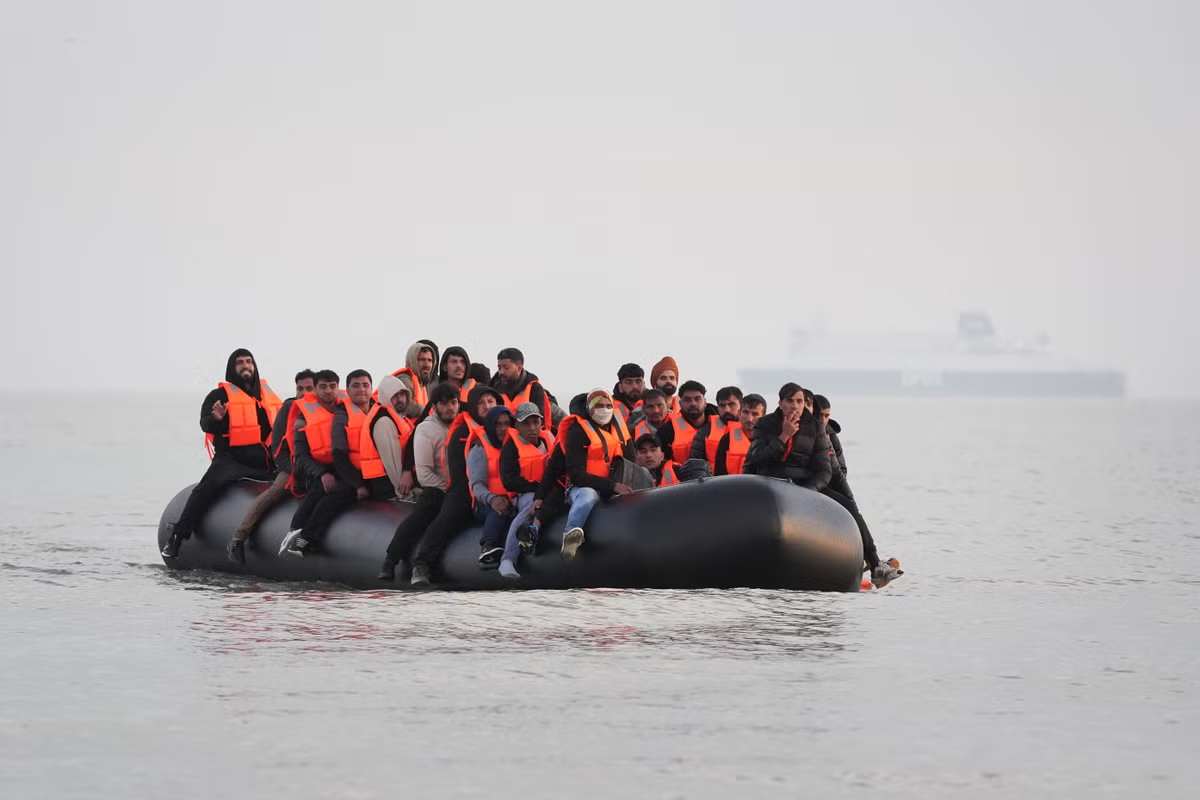
The inquiry was not able to conclusively determine the number of people on the boat. One of two survivors said there were others onboard, including an Ethiopian man and at least two other young children, who had neither been found nor accounted for. Those on board were given orange life jackets that appeared to have been stuffed with cotton, which provided ineffective buoyancy.
The Cranston inquiry found systemic failings, missed opportunities and inadequate resourcing undermined the UK’s maritime search and rescue response on the night of the disaster; HM Coastguard was placed in an “intolerable position” with chronic staff shortages and limited operational capacity contributing directly to the failure to rescue people in the water.