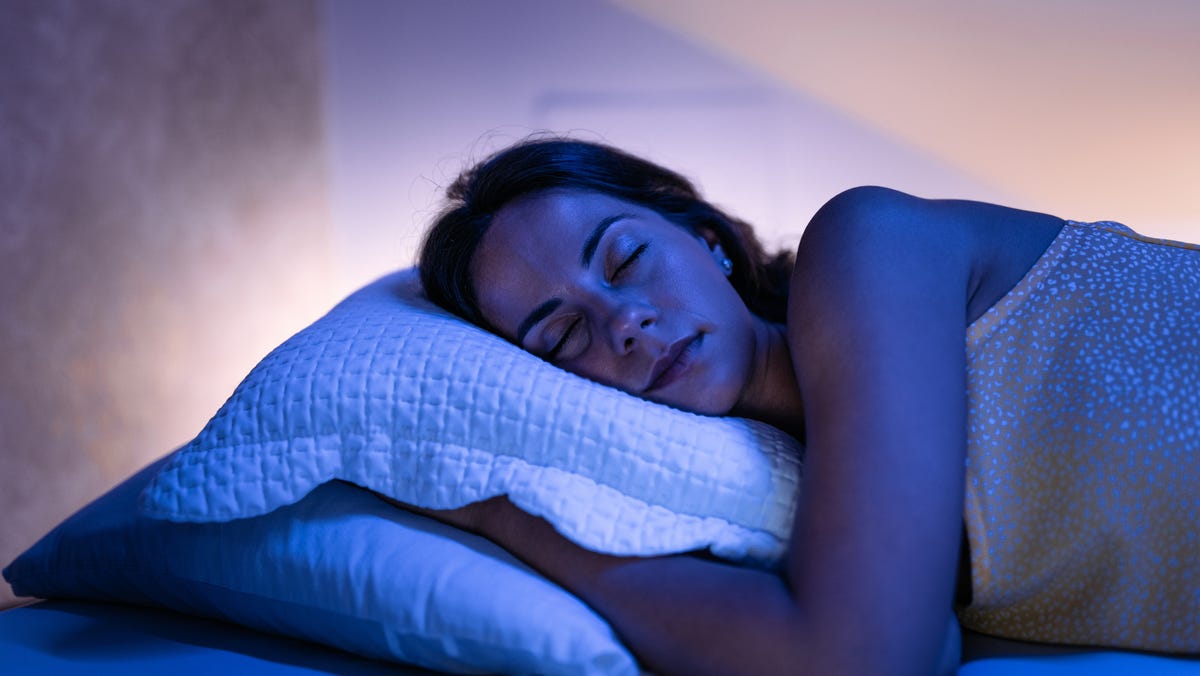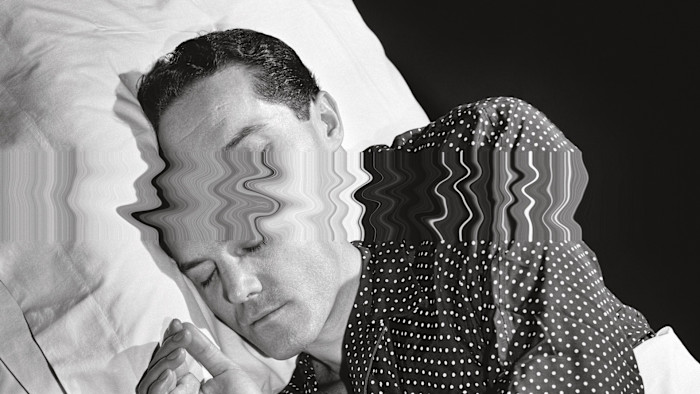
“I want to live to 100; I am working on that. I’m helped by 10 hours’ sleep a night and a glass of wine. I’ve always slept like a log.” That’s Michael Heseltine, the Tory grandee, speaking to The Times last October. Lord Heseltine has seven years to go until he hits his tonne. To those of us slightly further away from centenarian status, getting a good night’s sleep and draining a glass of plonk, while undeniably appealing, might seem rather elementary advice for ensuring a long and productive life, and Heseltine makes for an unlikely biohacking guru.
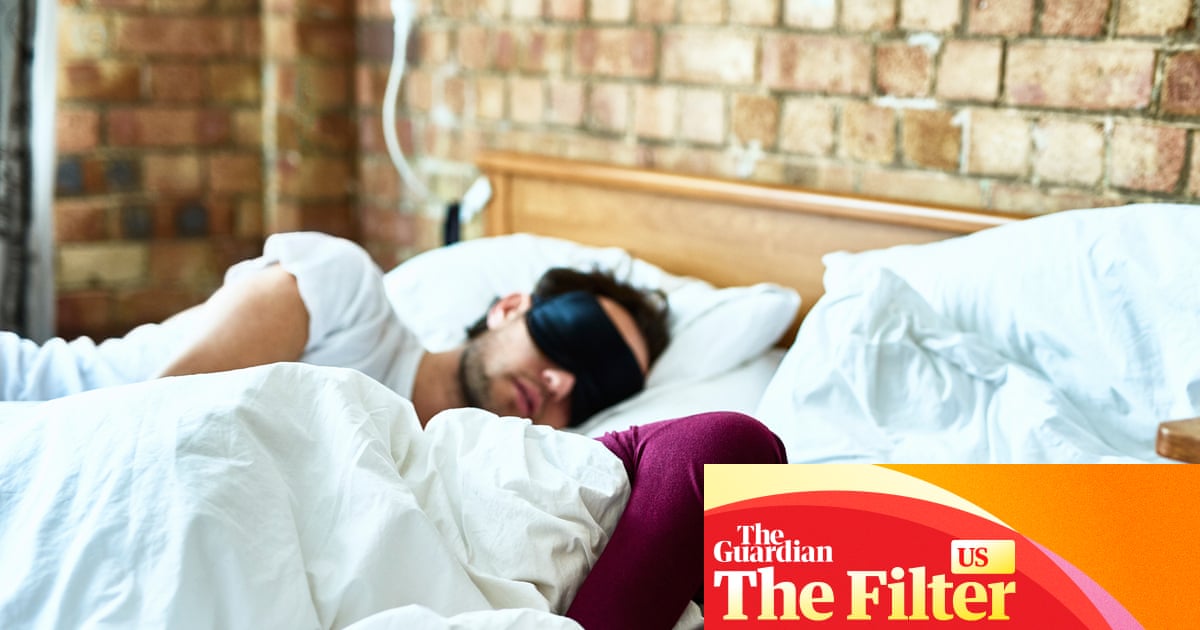
But the politician formerly known as Tarzan sounds an important alarm. Ten hours might be somewhat extreme, but adequate sleep – somewhere between seven and nine hours each night – is a key component of a healthy lifestyle. In fact, alongside diet and exercise, sleep might be the most important factor of all.
Sleep lowers blood pressure, aiding heart health. It boosts the production of antibodies, supporting the immune system. It helps manage our blood glucose levels, potentially reducing the risk of diabetes. Lack of sleep can lead to manifold mental health disorders including depression and anxiety. It can also be caused by them.
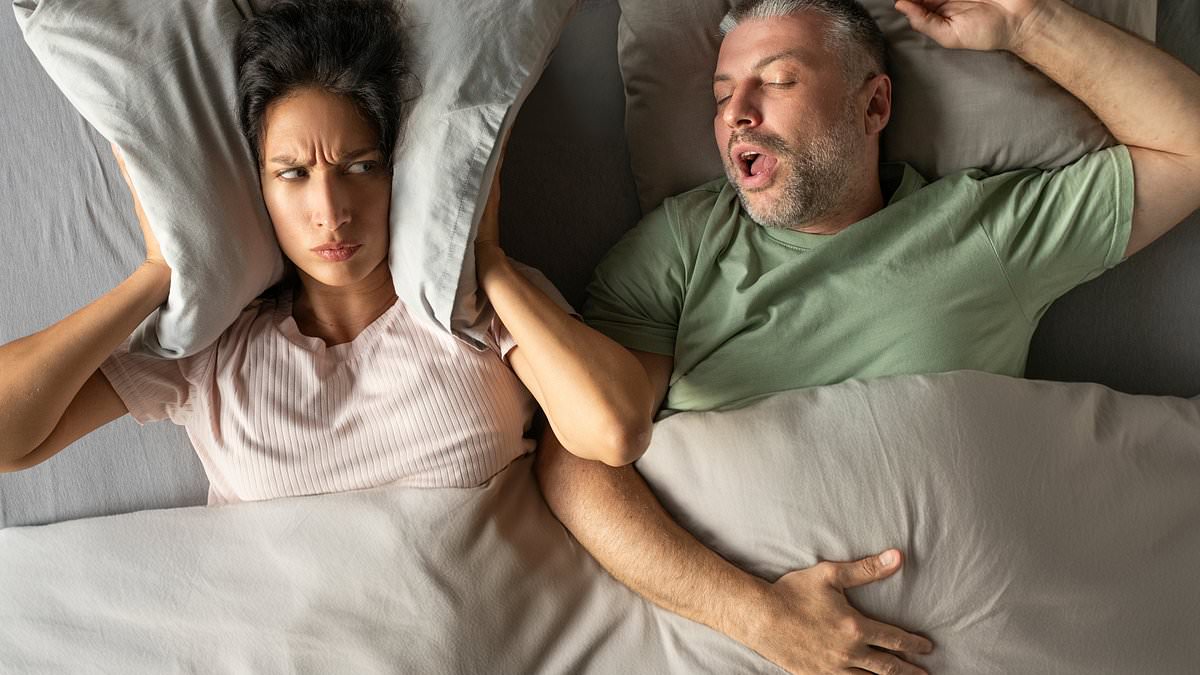
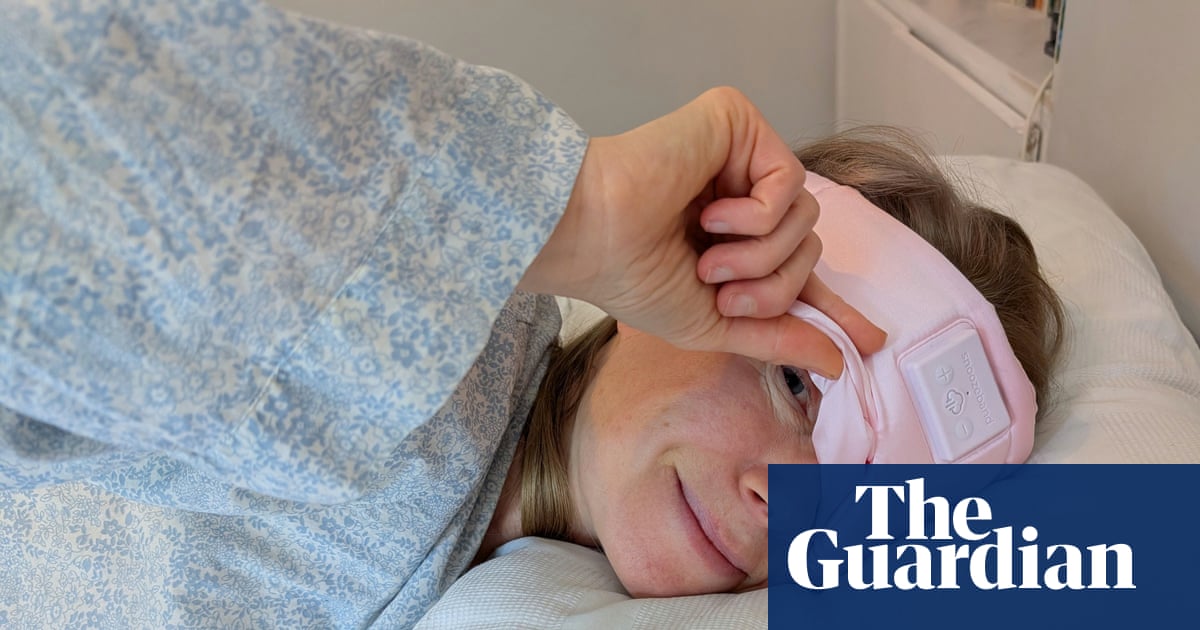
But we are living in what many experts are calling a sleep-deprivation epidemic: roughly one third of adults in western countries report experiencing some form of trouble sleeping. As a result, says psychotherapist Lisa Sanfilippo, “sleep has become a really big business”. The multibillion-dollar industry now includes lotions, potions and a multitude of different trackers. So great is our desire for a perfect night’s sleep that orthosomnia, the medical term for this obsession, is contributing to new cases of insomnia.