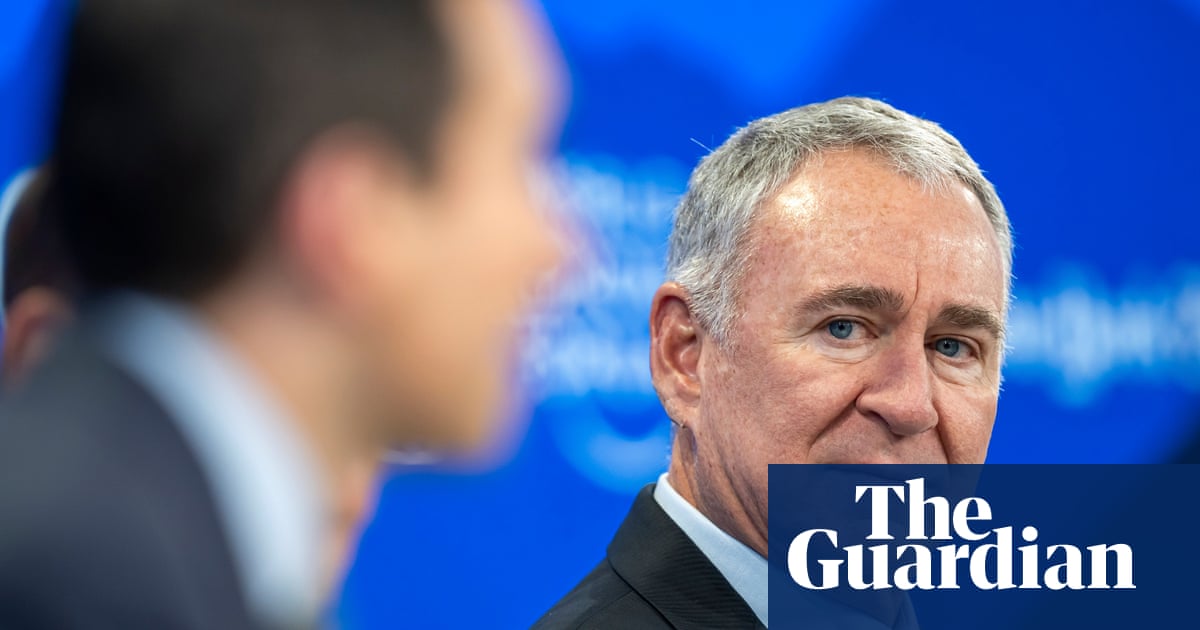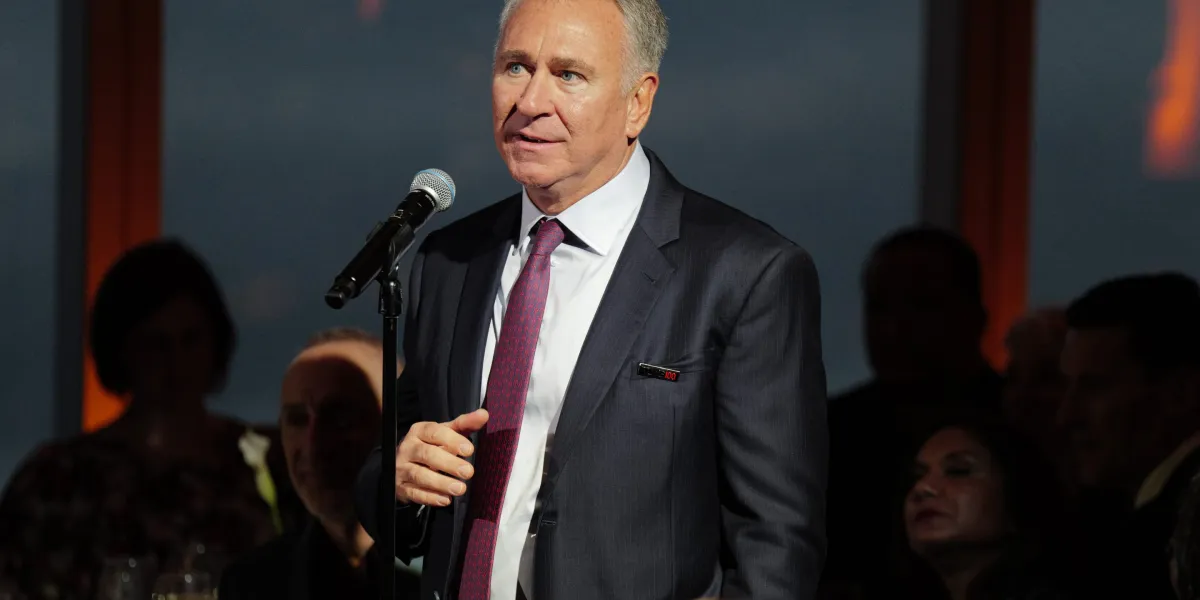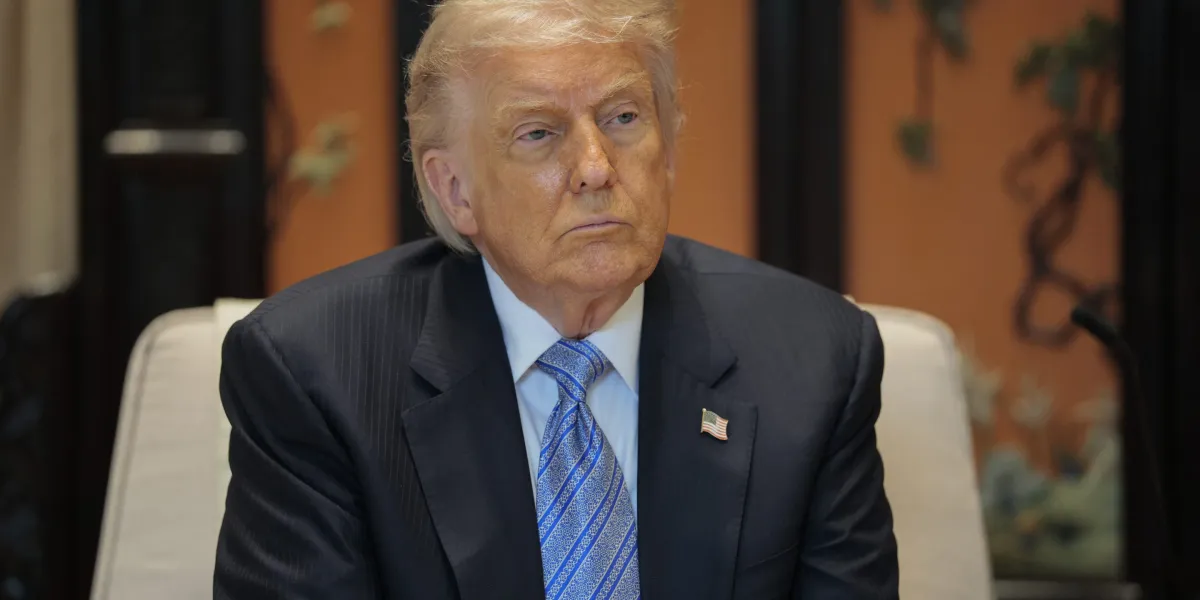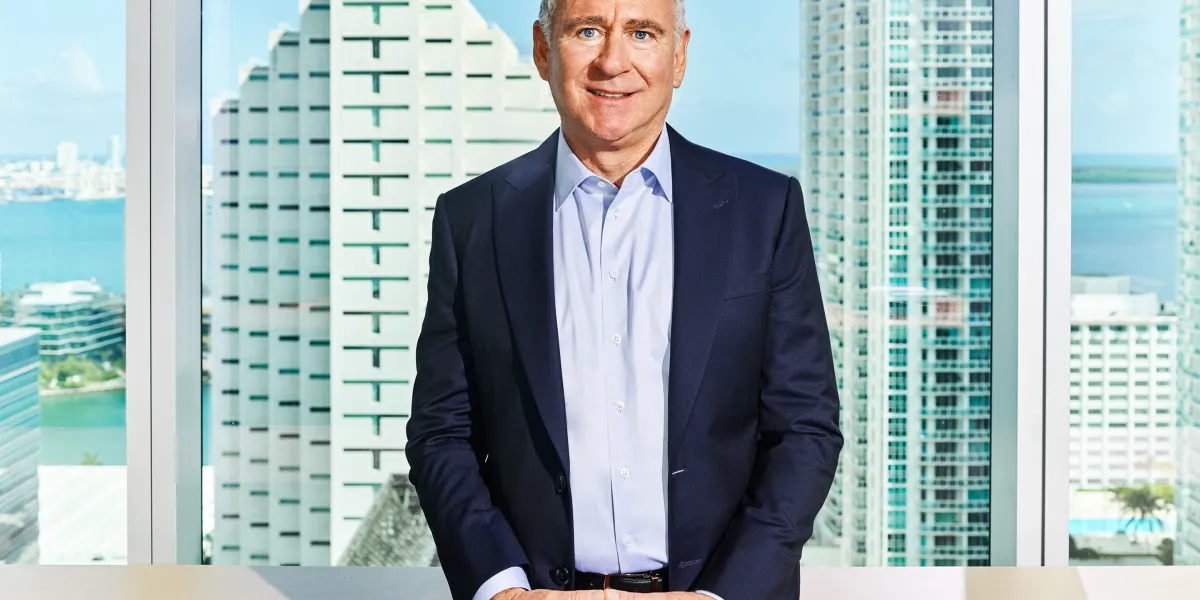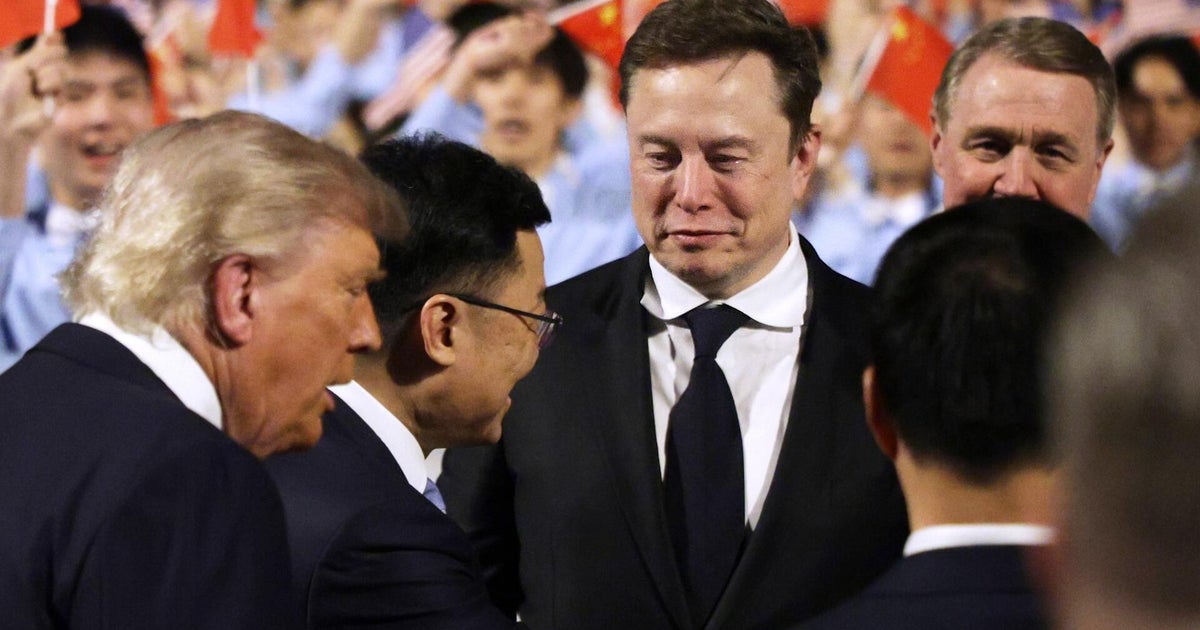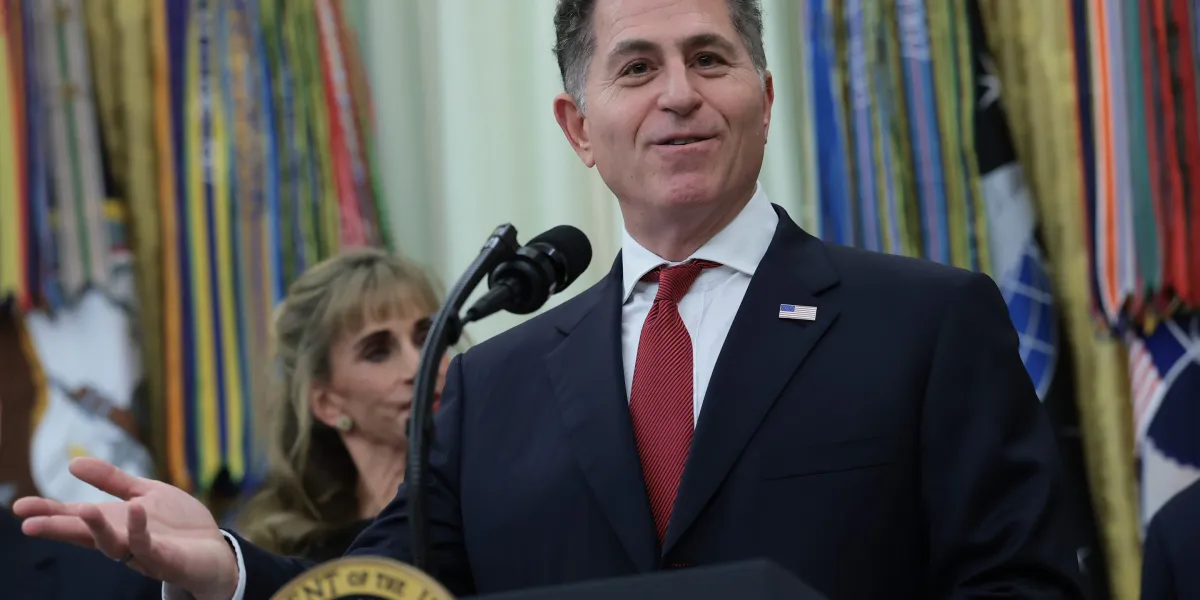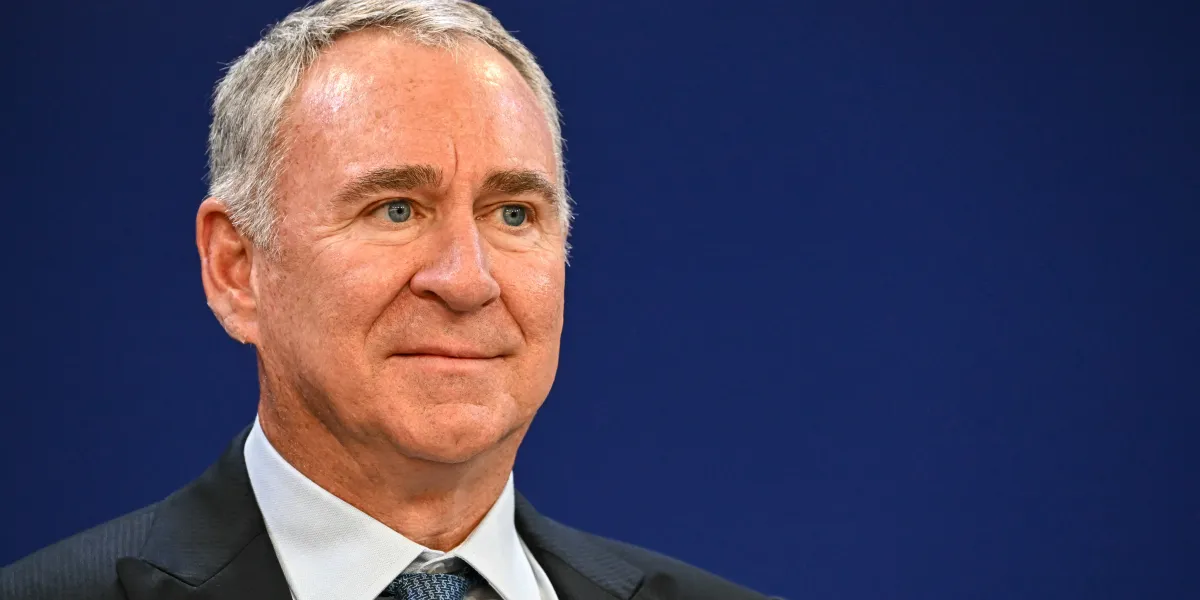
A carousel of CEOs has paraded through the White House since President Trump was elected a little over a year ago—they even made up a front-row bench at his inauguration. This isn’t unusual; in fact, it’s entirely expected that the president might want to engage with the private sector. But when does that relationship get too close for comfort?The nature of the relationships between top brass at America’s largest businesses and the Oval Office is beginning to make some people uncomfortable: As Citadel CEO Ken Griffin warned this week: “When the U.S. government starts to engage in corporate America in a way that tastes of favoritism, I know for most CEOs that I’m friends with, they find it incredibly distasteful.”Trading conditions under Trump 2.0 have been markedly different from the previous decade, throwing markets and executives into disarray. In the volatility following Trump’s Liberation Day announcement in April, Griffin said the sight of business leaders lining up at the Oval Office door to request exceptions to the new duties was “nauseating,” and that the White House showing favor to certain companies undermines the American Dream.
An environment addled by politics isn’t one most CEOs relish, Griffin, 57, told the Wall Street Journal’s Invest Live conference yesterday. He said founders and leaders “want to go run our businesses and win on the merits of providing a better product to our customers at a lower price. Like, that’s how we win.”