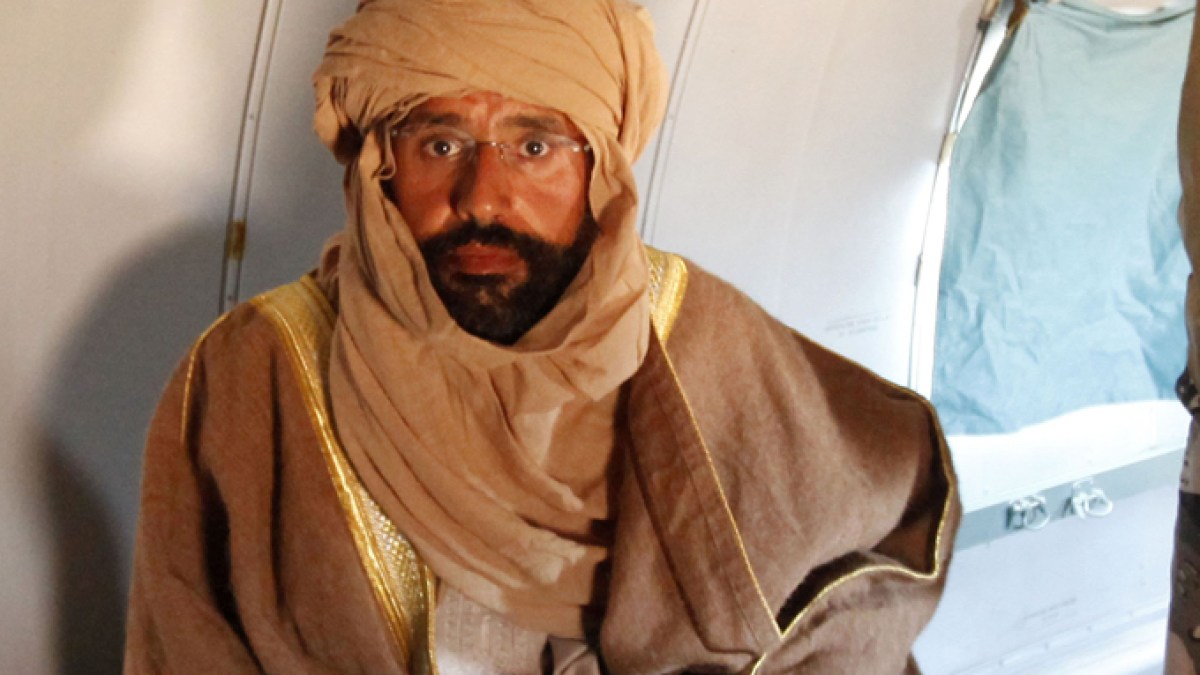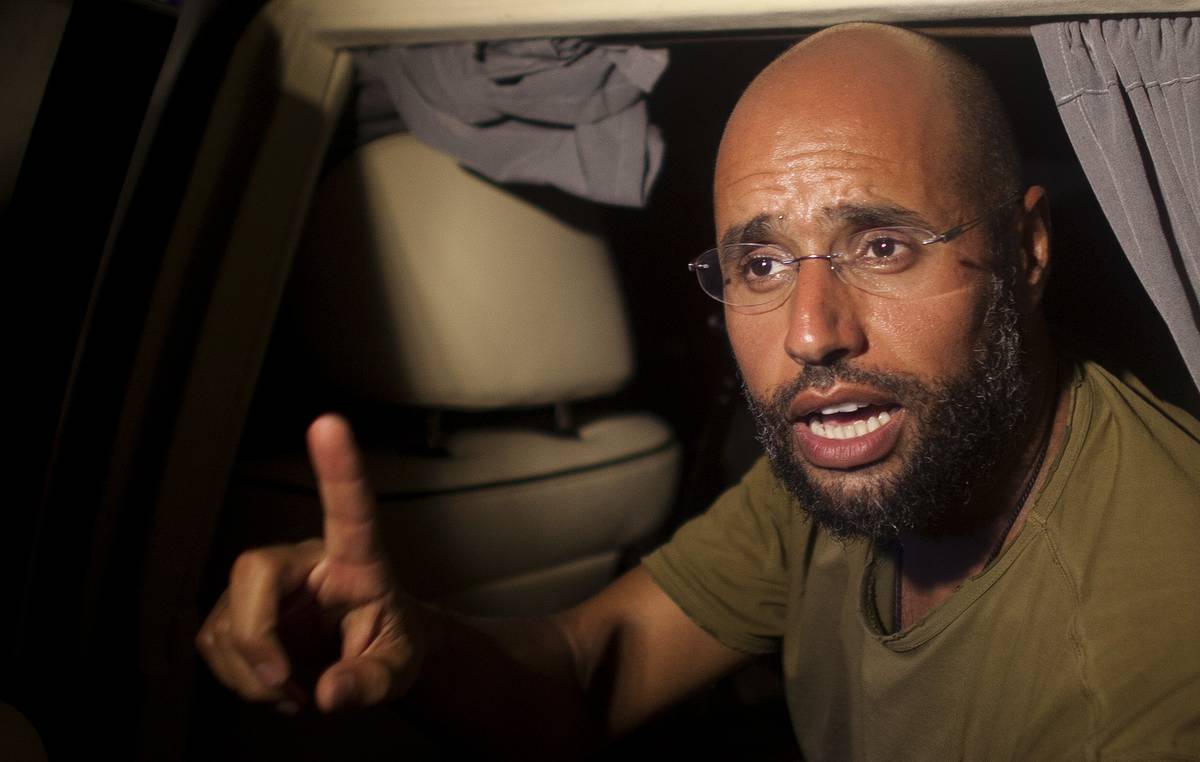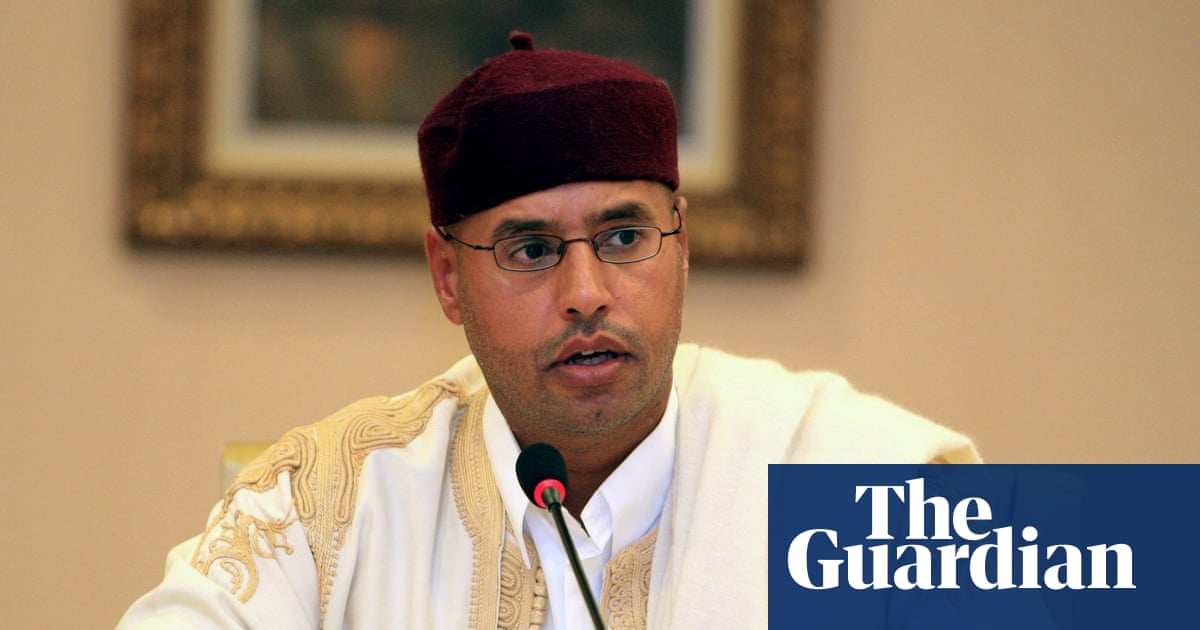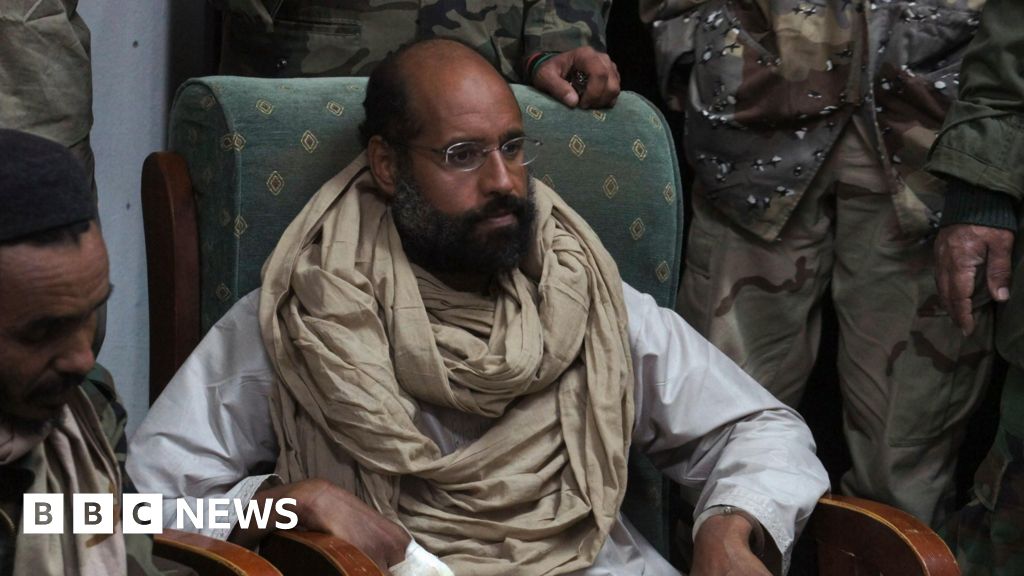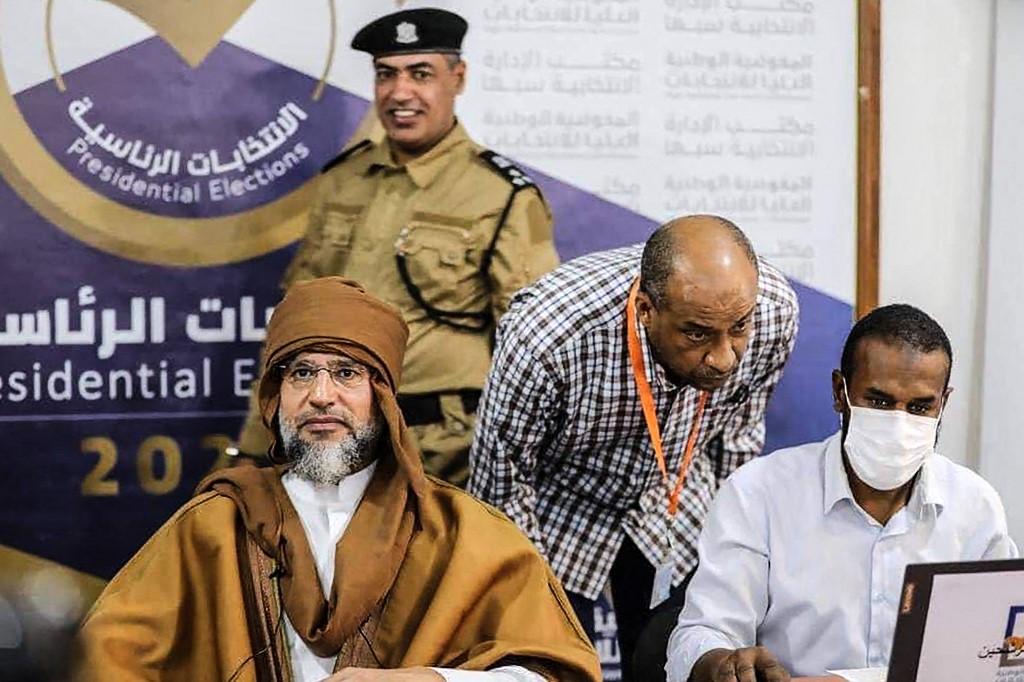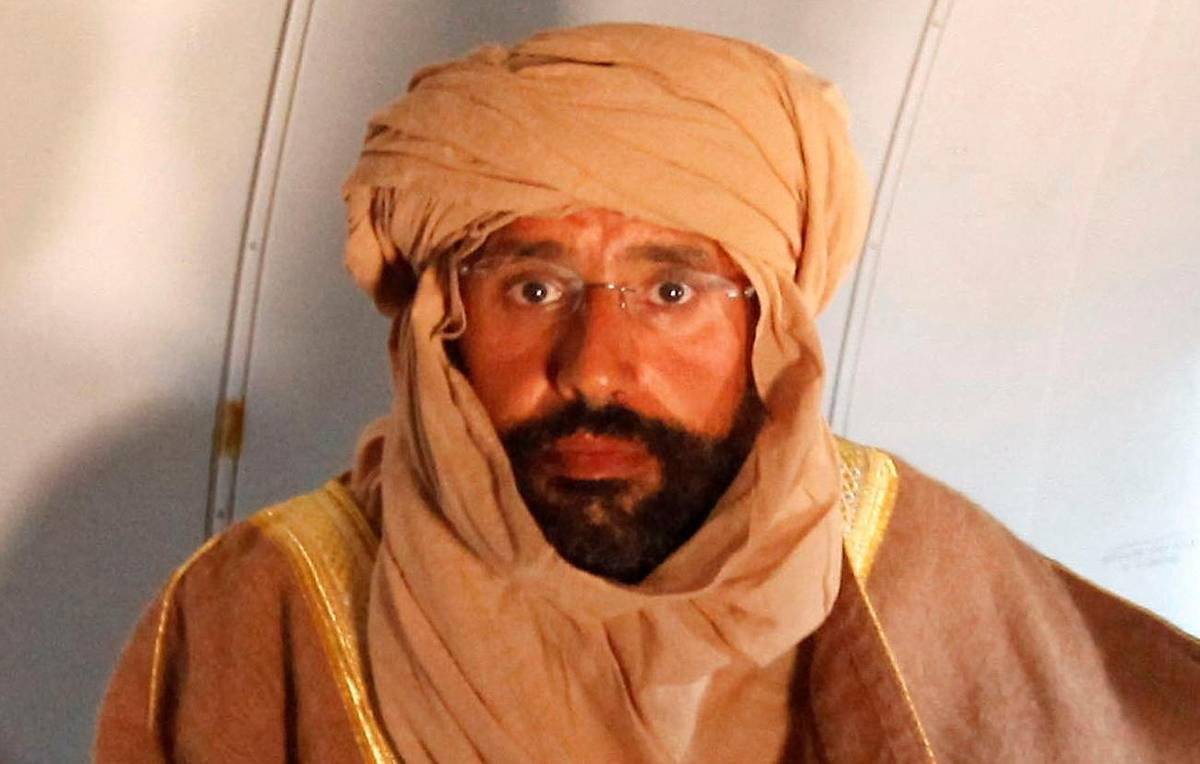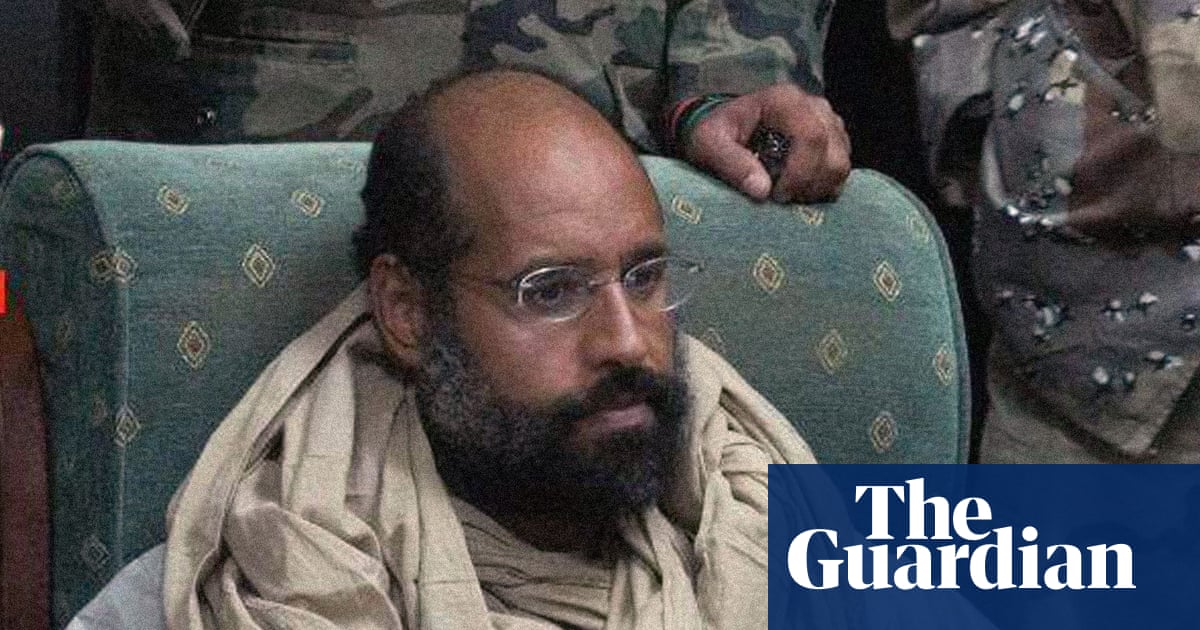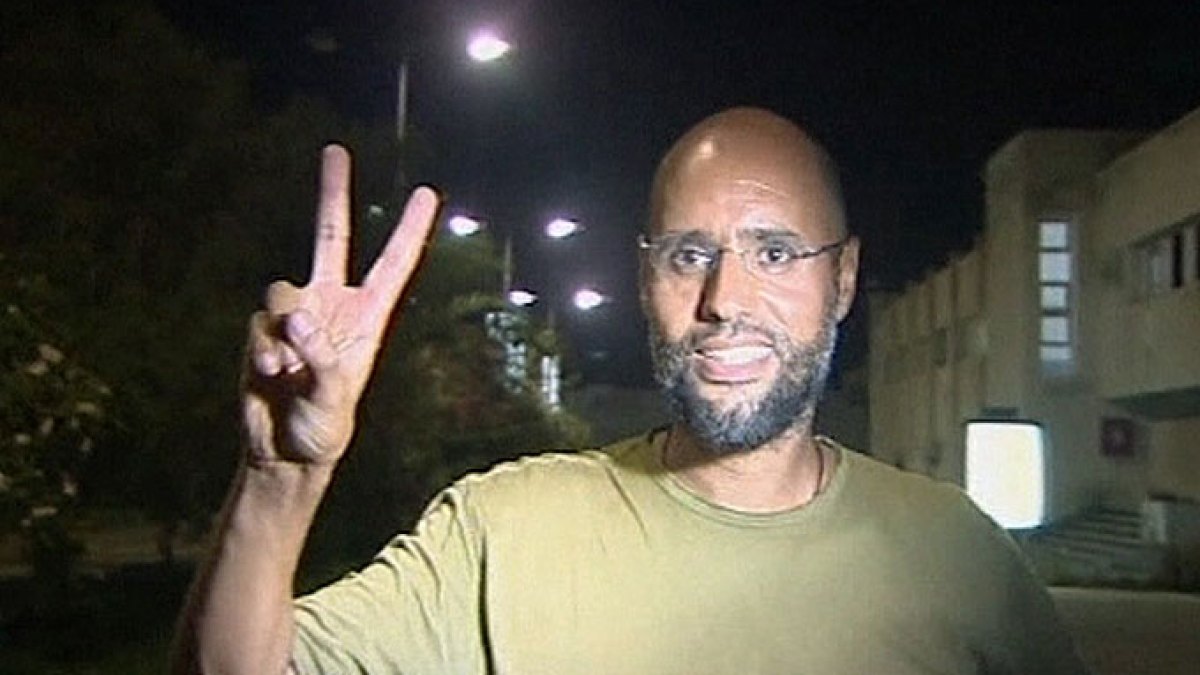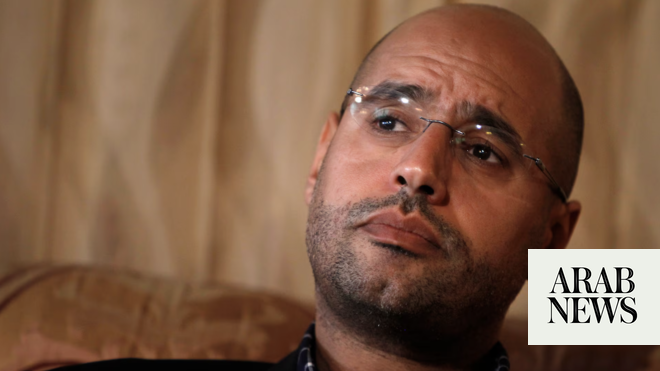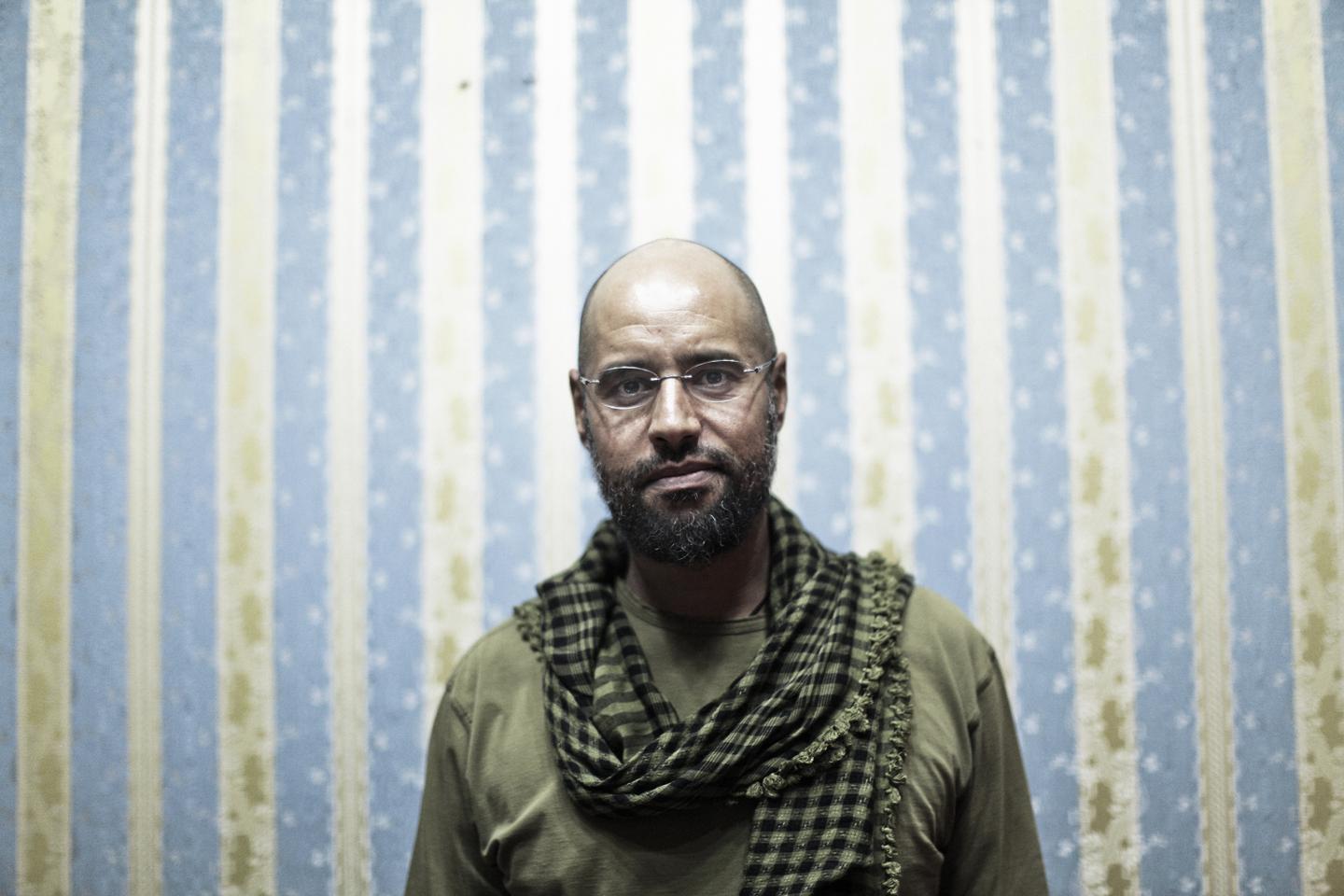
Seif al-Islam Gadhafi during an interview in Tripoli, Libya, on August 3, 2011. MOISES SAMAN/NYT-REDUX-REA
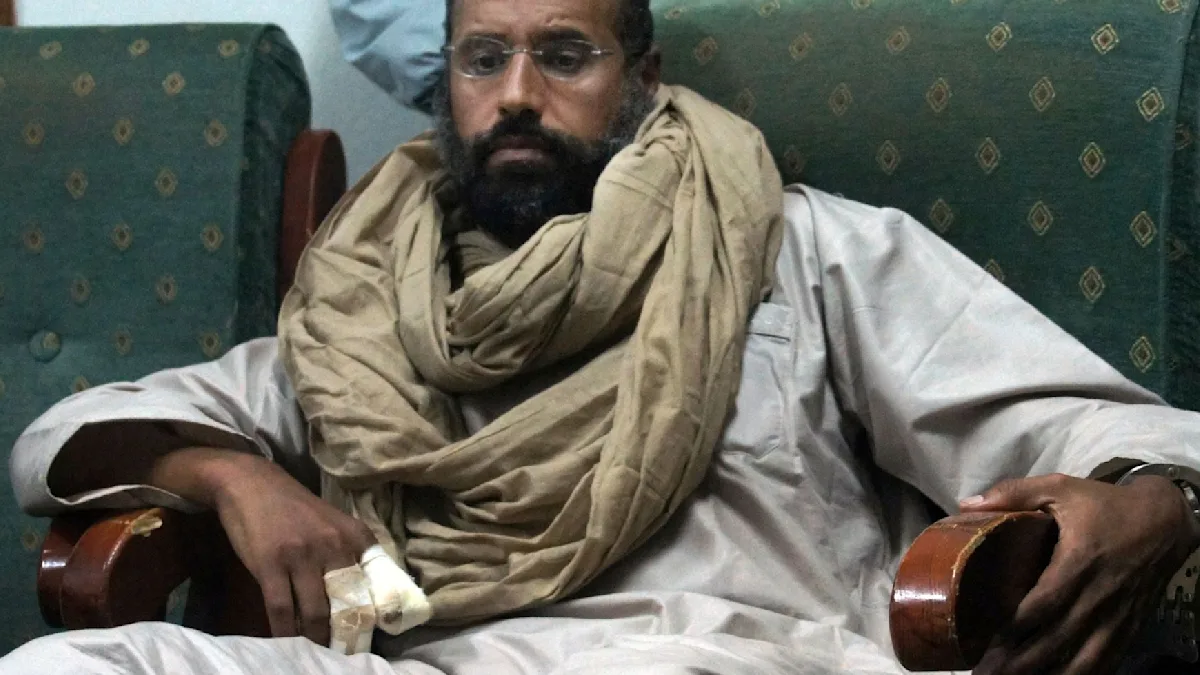
Saif al-Islam Gaddafi had become nothing more than a ghost, a figure shrouded in mystery, secluded in the corners of the Djebel Nefoussa mountains, with occasional more or less clandestine forays into the sands of the Fezzan region in southern Libya, a precarious and mythical survivor of a fallen regime toward whom a few faint hopes of restoration converged.
The possibility of a return to the political stage by the son of the dictator Muammar Gaddafi (1942-2011) has now been ruled out. Saif al-Islam – often known simply by his first name – was assassinated on Tuesday, February 3, at the age of 53, in Zintan, a town clinging to the slopes of the Djebel Nafusa, a mountainous region located 160 kilometers southwest of Tripoli. The team of four men burst into the home where the family protecting him was staying and gave him no chance.
Libyan prosecutors announced on February 4 that they had opened an investigation into Seif al-Islam's assassination. The country remains divided, and the head of the Presidential Council called on the various factions to exercise restraint. The prosecutor's office said that a team, accompanied by forensic doctors and experts, traveled on Tuesday to Zintan to examine the body of the man long considered the likely successor to his father.