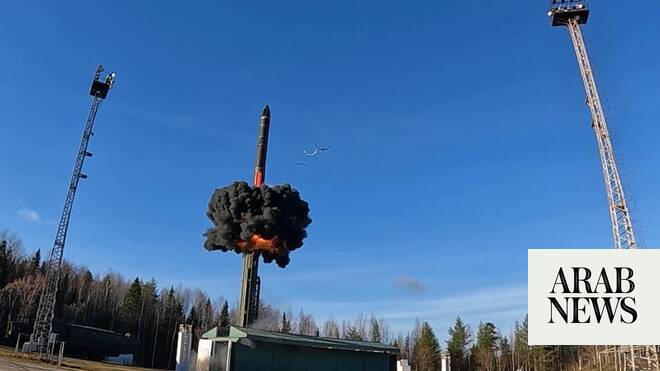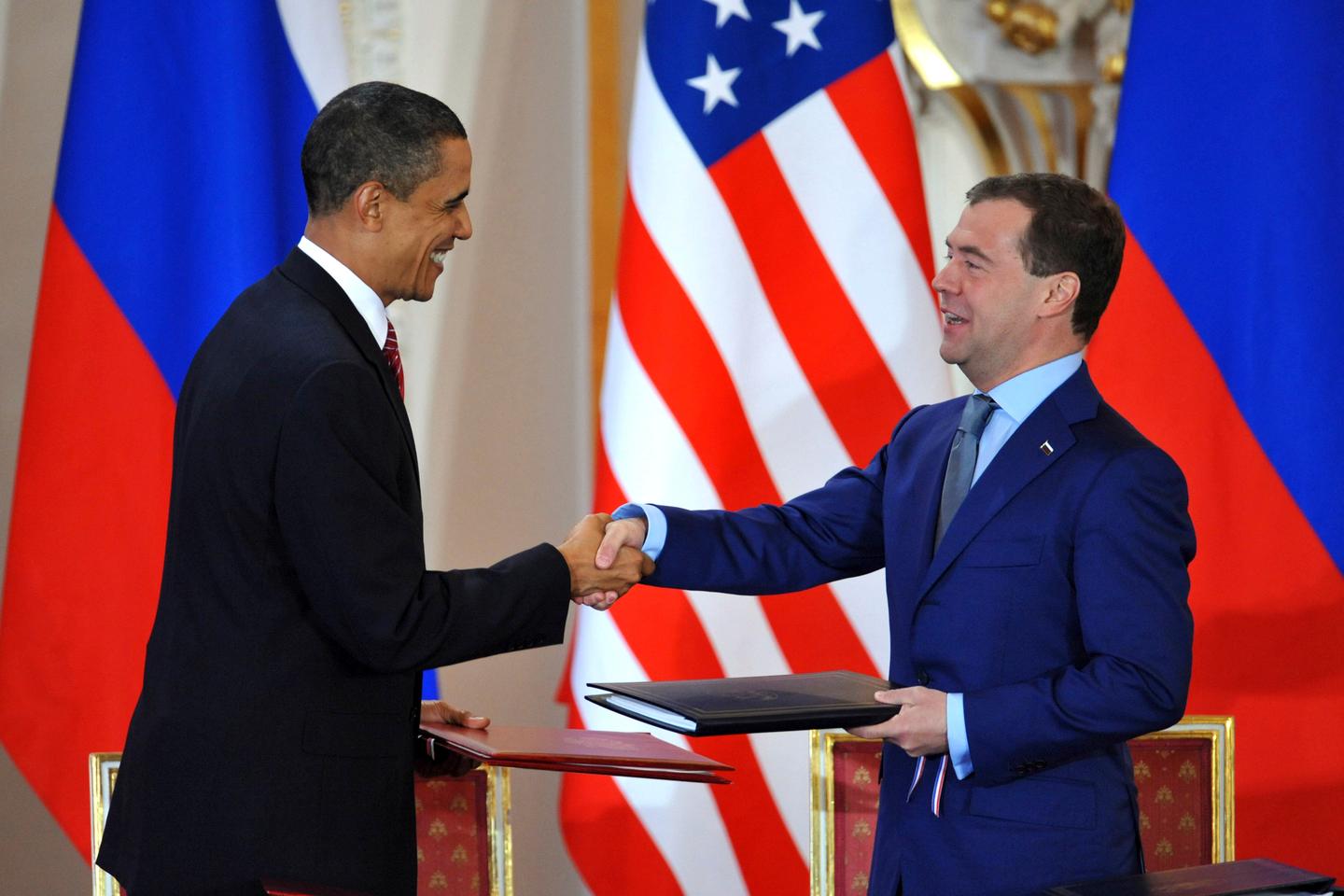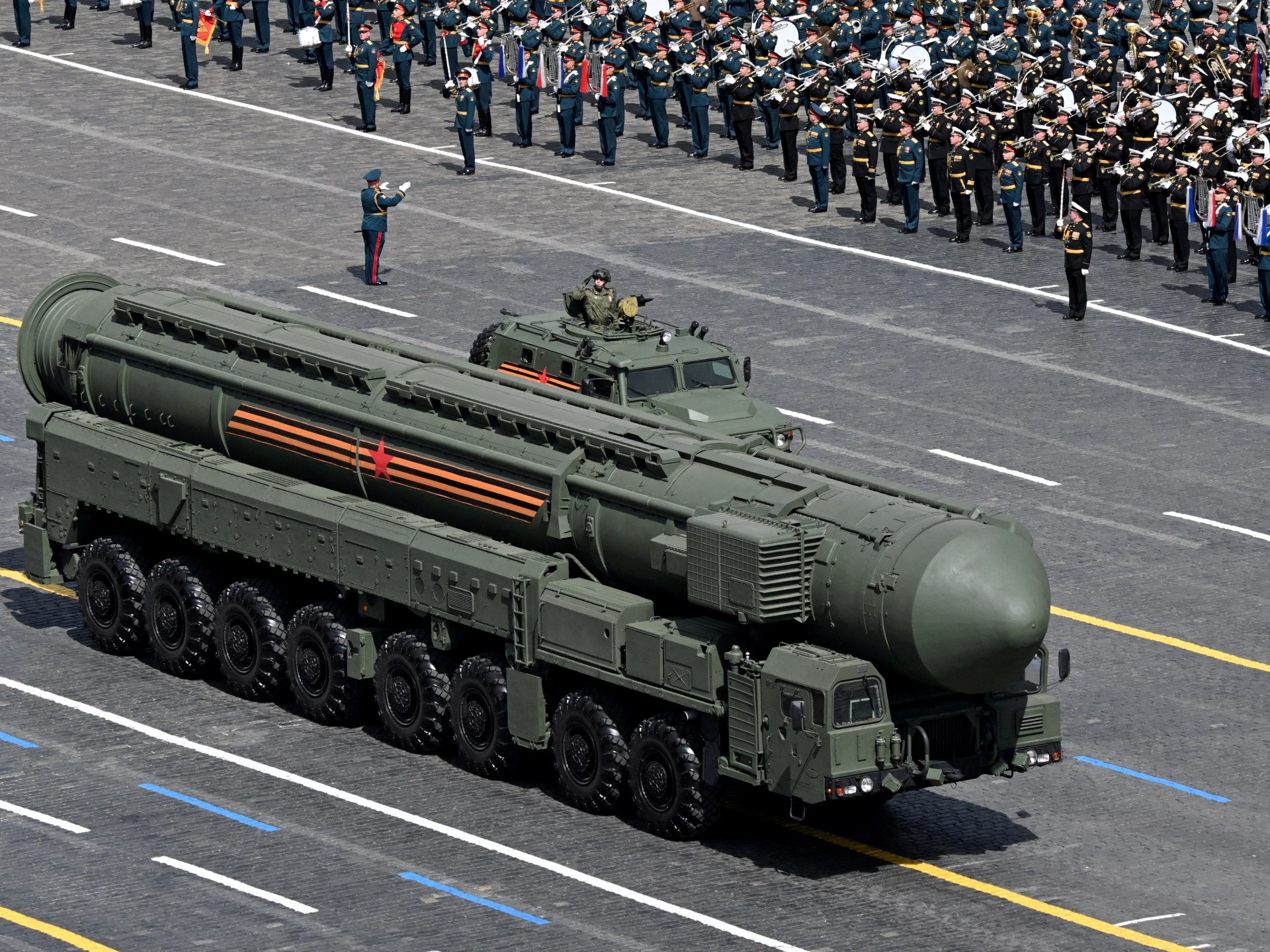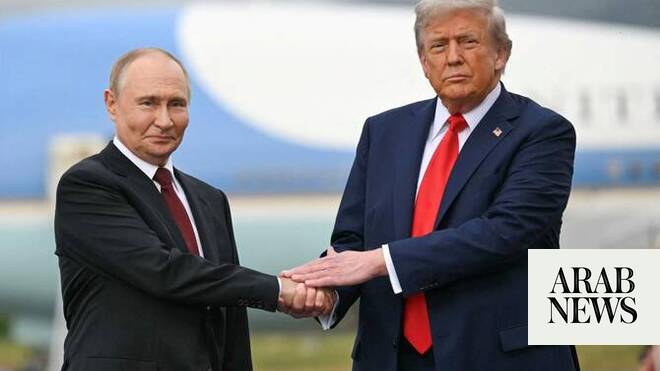
TASS FACTBOX. On February 5, 2026, the Treaty on Measures for the Further Reduction and Limitation of Strategic Offensive Arms - the last remaining agreement regulating US-Russian strategic stability - expires. This marks the first time since the early 1970s, when the first US-Soviet disarmament treaties were signed, that the two nuclear-armed rivals will lack a comprehensive treaty to govern their arsenals. The TASS FACTBOX editorial team has taken an overview of the various nuclear arms agreements historically negotiated between the Soviet Union, Russia, and the United States.
The arms limitation negotiations between the Soviet Union and the United States began in 1969. These talks addressed strategic nuclear weapons, including land-based intercontinental ballistic missiles (ICBMs), submarine-launched ballistic missiles (SLBMs), heavy bombers, as well as the corresponding launchers and the total number of nuclear warheads.
The interim agreement on certain measures relating to the Limitation of Strategic Offensive Arms (SALT I) was signed in Moscow on May 26, 1972. The document limited the number of ballistic missiles and launchers on land and submarines to the number in both countries' arsenals at the time. The number of warheads was not limited. The agreement was designed for five years, entering into force on October 3, 1972, and remained in effect until October 3, 1977.