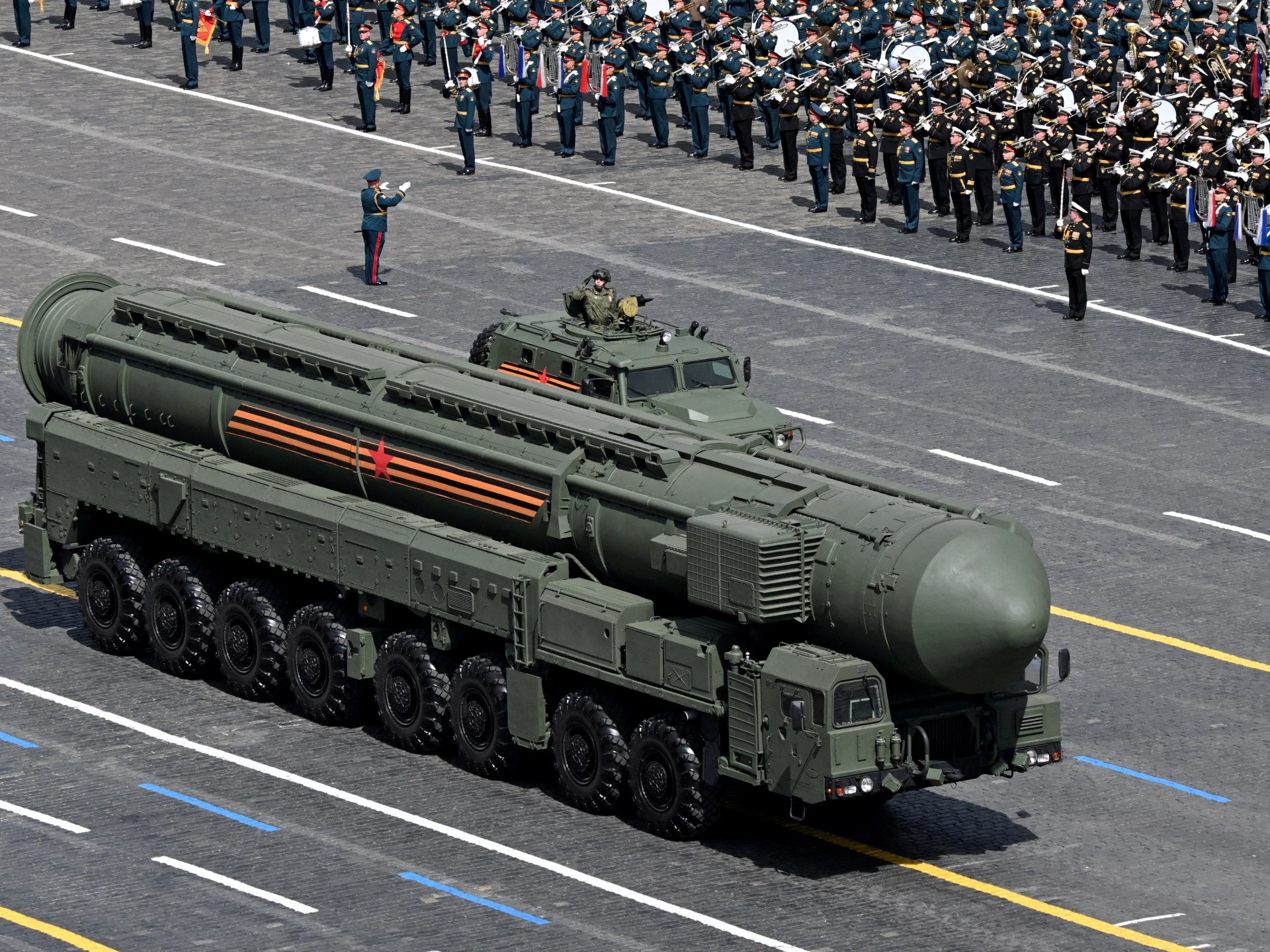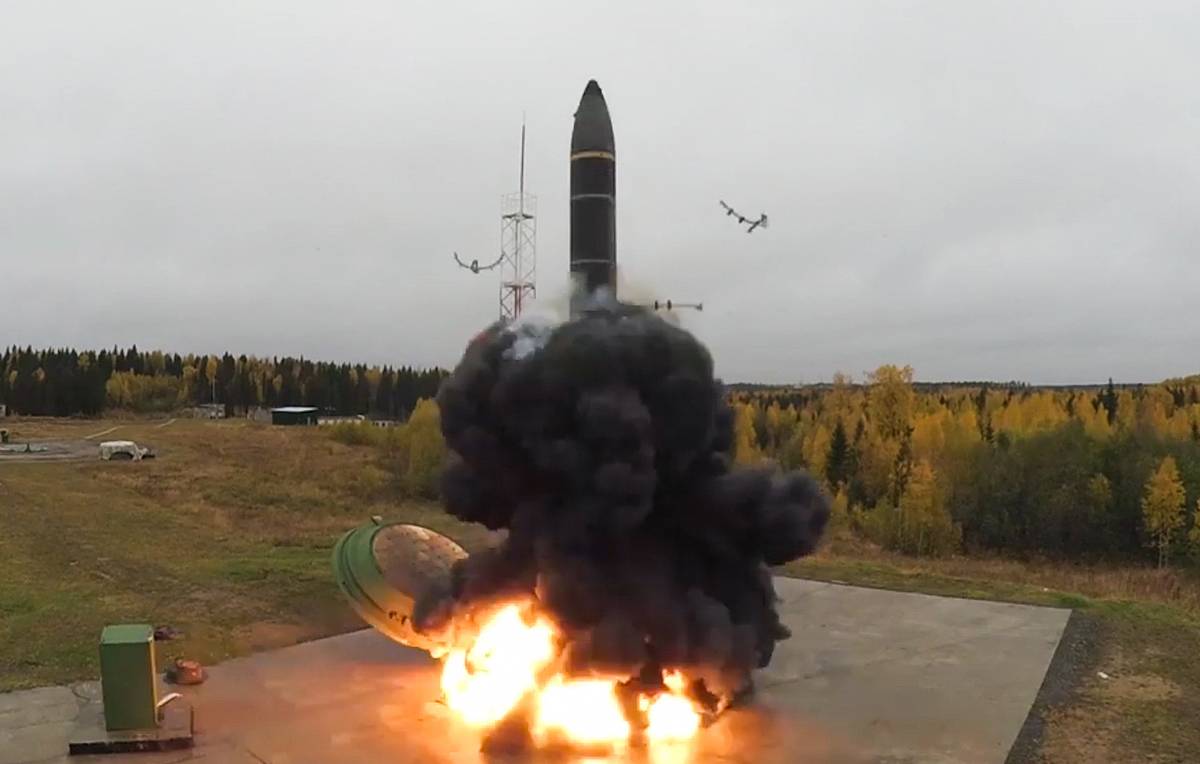
MOSCOW, February 5. /TASS/. The last agreement between Russia and the United States on strategic stability, the New Strategic Arms Reduction Treaty (New START), expired on February 5. For the first time in the past half century, the world is faced with the absence of any mandatory limitations on strategic arsenals of Russia and the United States — the two powers holding the vast majority of the world’s nuclear weapons.
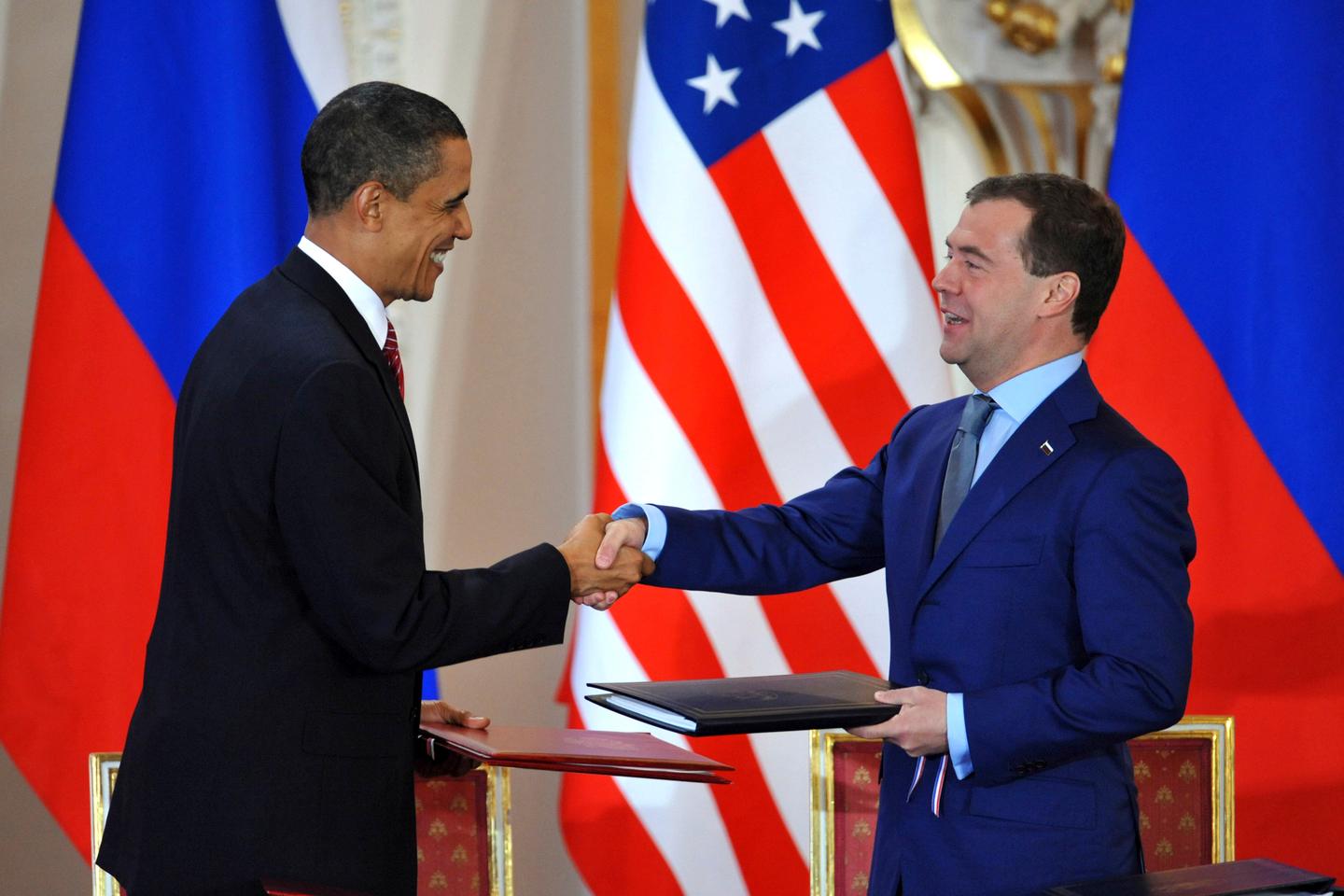
The expired agreement between Moscow and Washington came into effect in 2011, replacing the 1991 Strategic Arms Reduction Treaty and the 2002 Strategic Offensive Reductions Treaty (SORT). In 2021, the document was extended for an additional five years without conditions.
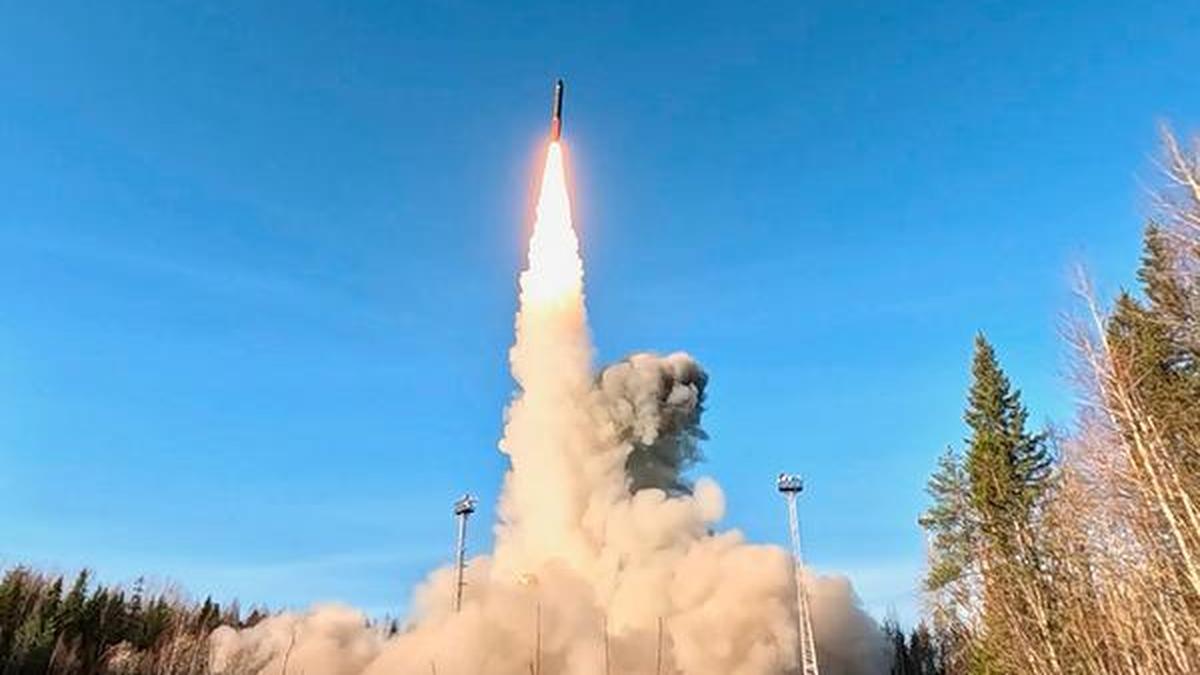
The parties to the New START Treaty successfully established several key limits: no more than 700 units for deployed intercontinental ballistic missiles (ICBMs), submarine-launched ballistic missiles (SLBMs), and deployed heavy bombers; 1,550 units for their warheads; and 800 units for deployed and non-deployed launchers. Furthermore, the treaty ensured a system of mutual inspections and notifications.
One of the New START signatories, current Deputy Chairman of the Russian Security Council Dmitry Medvedev, in a recent interview called it an "element of trust," which allowed for the introduction of a mutual count of warheads and deployed delivery vehicles, thereby monitoring the situation. The expiration of the last Russian-American strategic stability treaty, according to the Deputy Chairman of the Security Council, "should alert everyone."