So-called ‘reactionary centrist’ pundits proclaimed that there was a global ‘vibe shift’ in favor of the right. They were wrong
R
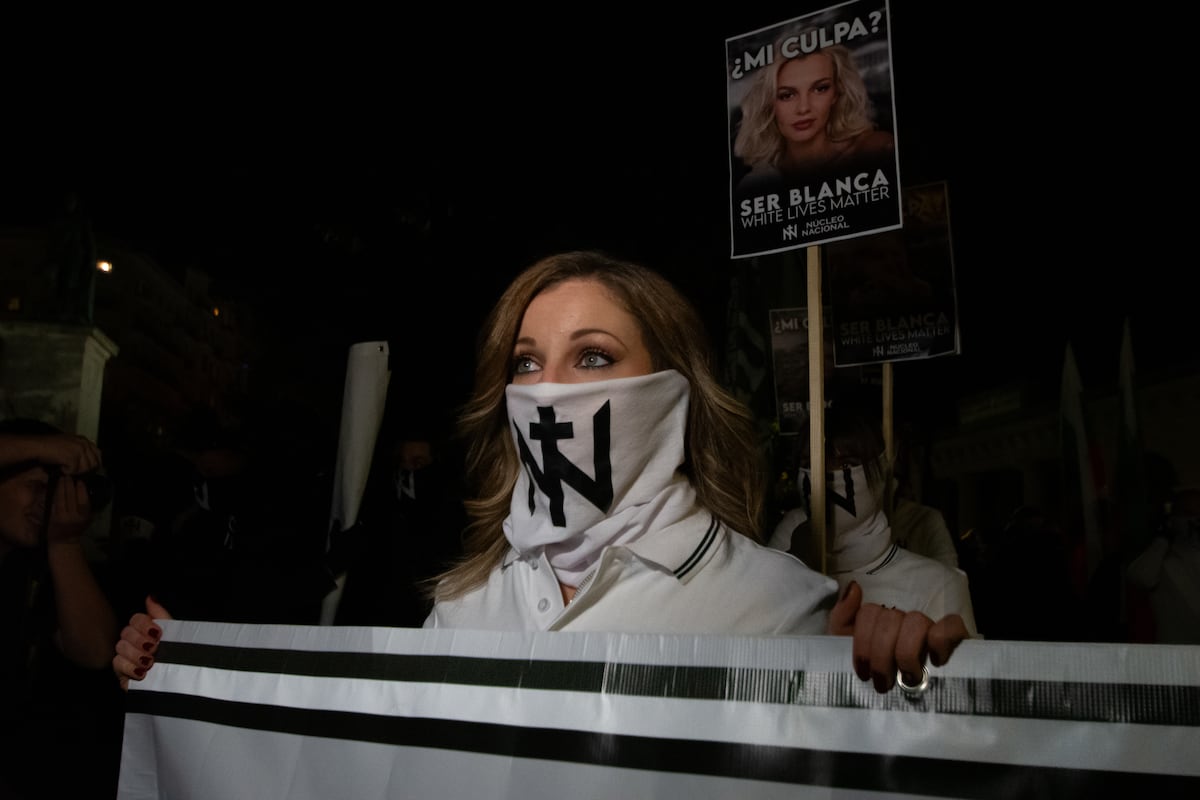
ecent exercises in taking stock after one year of Trump 2.0 – for many an eternity of terrifying news and political traumas – tended to leave something out: the fact that, a mere 12 months ago, plenty of pundits (and politicians, for that matter) were instructing us to accept that a global “vibe shift” in favor of the right had taken place. And that, in the face of what supposedly “felt” like a landslide, resistance was pointless and “cringe”.
Well, it doesn’t feel like that today. But understanding why observers not generally in the pro-Trump propaganda business rushed to portray the spirit of the age as effectively far-right is important. A way of thinking occasionally dubbed “reactionary centrism” plays an important role; it could yet again become influential in hindering or at least holding up post-Trump radical reforms which US democracy desperately requires.
Consultant and political communications specialist Aaron Huertas coined the expression “reactionary centrism” in 2018. The basic idea is that self-declared moderates claim equally to oppose extremes on the right and on the left – but hard-hitting criticism is reserved almost exclusively for the left (partly, perhaps, because the presumed audience is expected to already know how bad things are on the right).