C
anada has long been portrayed as overshadowed by its American neighbor. In a famous metaphor, Pierre Elliott Trudeau – who was prime minister from 1968 to 1979 and again from 1980 to 1984 – summed it up as early as 1969: "Living next to you [the United States] is in some ways like sleeping with an elephant. No matter how friendly and even-tempered the beast, if I can call it that, one is affected by every twitch and grunt." In 2026, the beast is loud and destructive. But the Canadian neighbor is now looking to leave the bed.
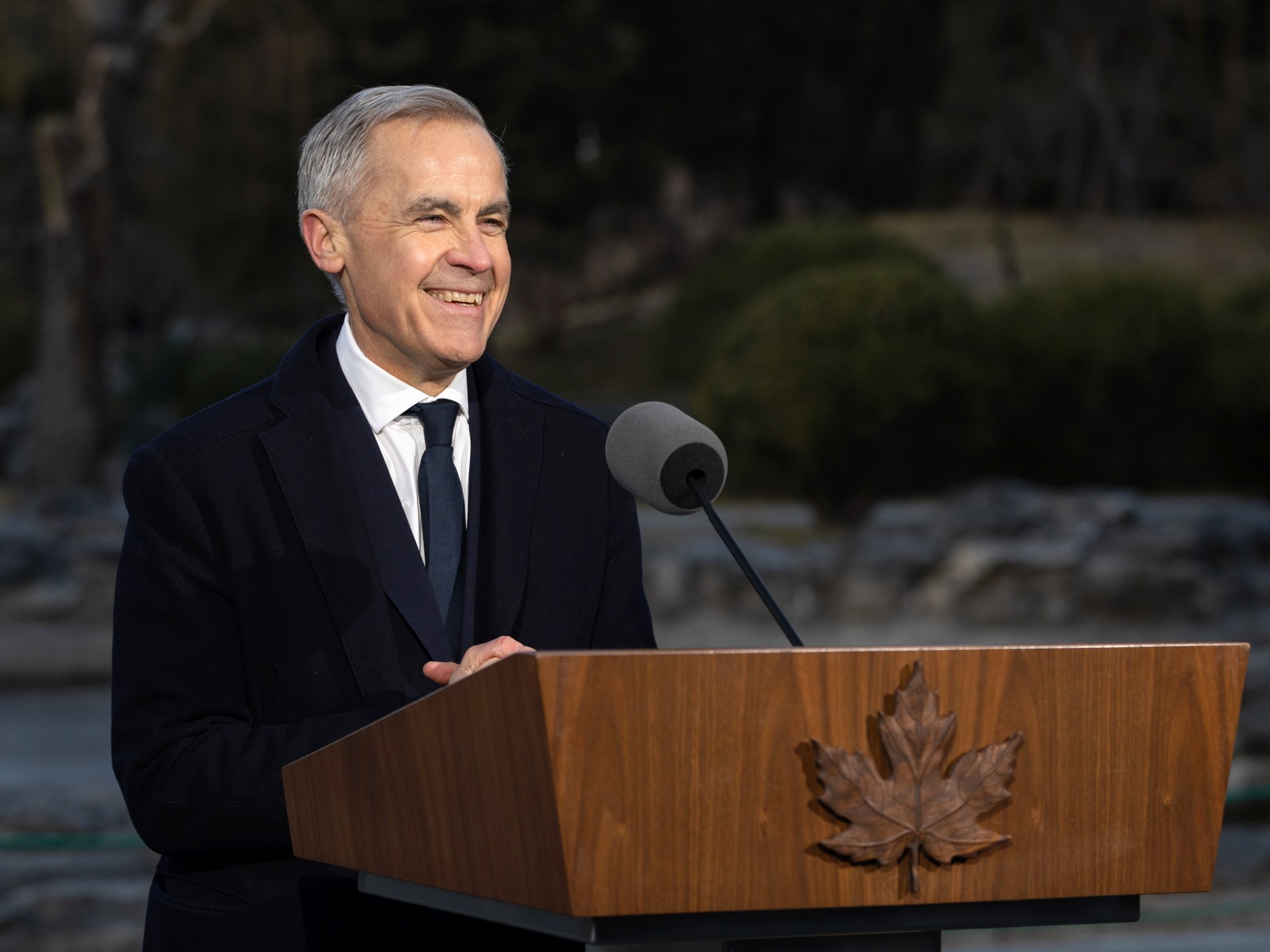
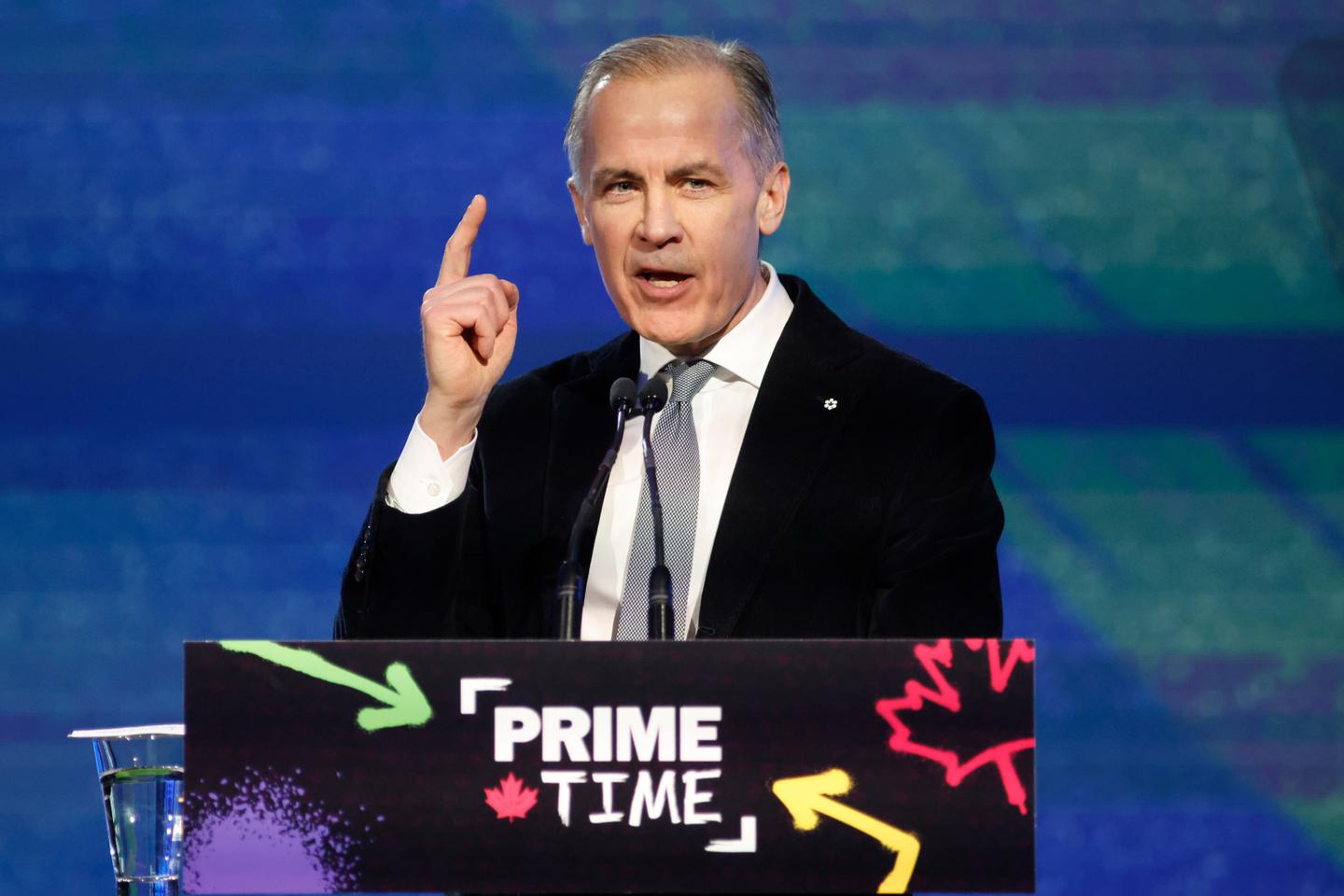
In today's world, according to the words of Prime Minister Mark Carney at the World Economic Forum in Davos, Switzerland, on January 20 – quoting Greek historian Thucydides – "The strong do what they can and the weak must suffer what they must." Canada is searching for a third way to assert itself vis-à-vis dominant powers at a time when the international order is in disarray.
"His words captured a reality that Canadians felt but didn’t necessarily express, which can be comforting," said Asa McKercher, who is the Canada-US Relations Chair at St. Francis Xavier University in Nova Scotia. The speech by the former Bank of England governor (2013 – 2020), delivered with surgical precision, marked the end of an era: Donald Trump is no longer a mere blip. Farewell to the Pax Americana and the age of more or less respected international treaties.