The president called the ceremony ‘garbage’, but in reality it was a celebration of artists whose commercial success was matched by boundary-pushing boldness
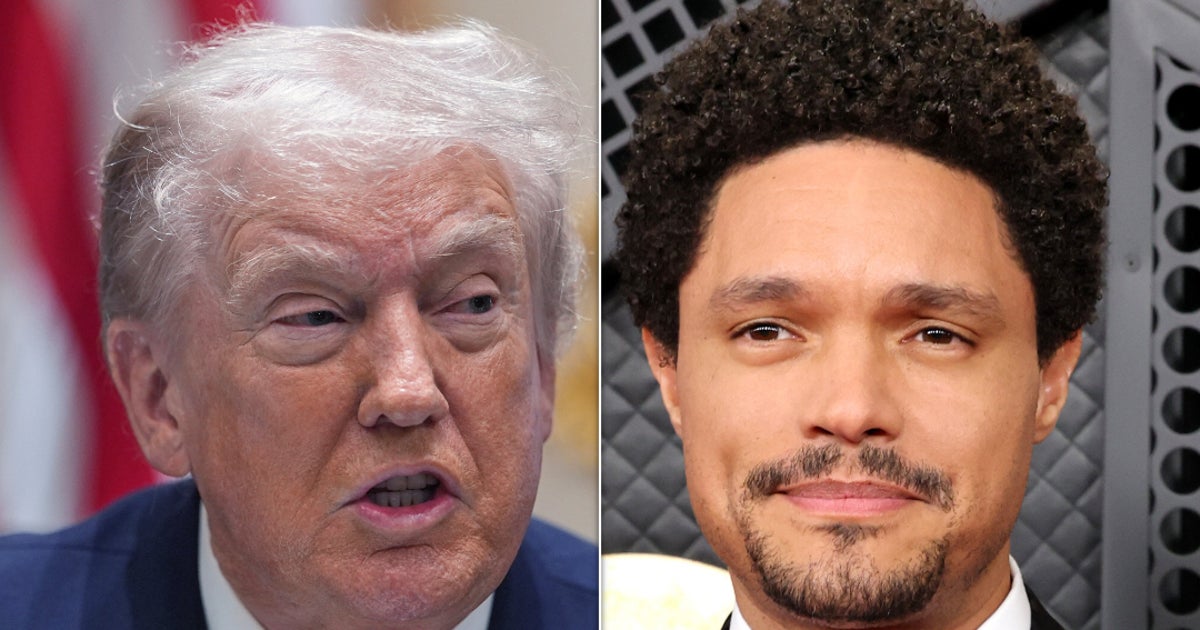
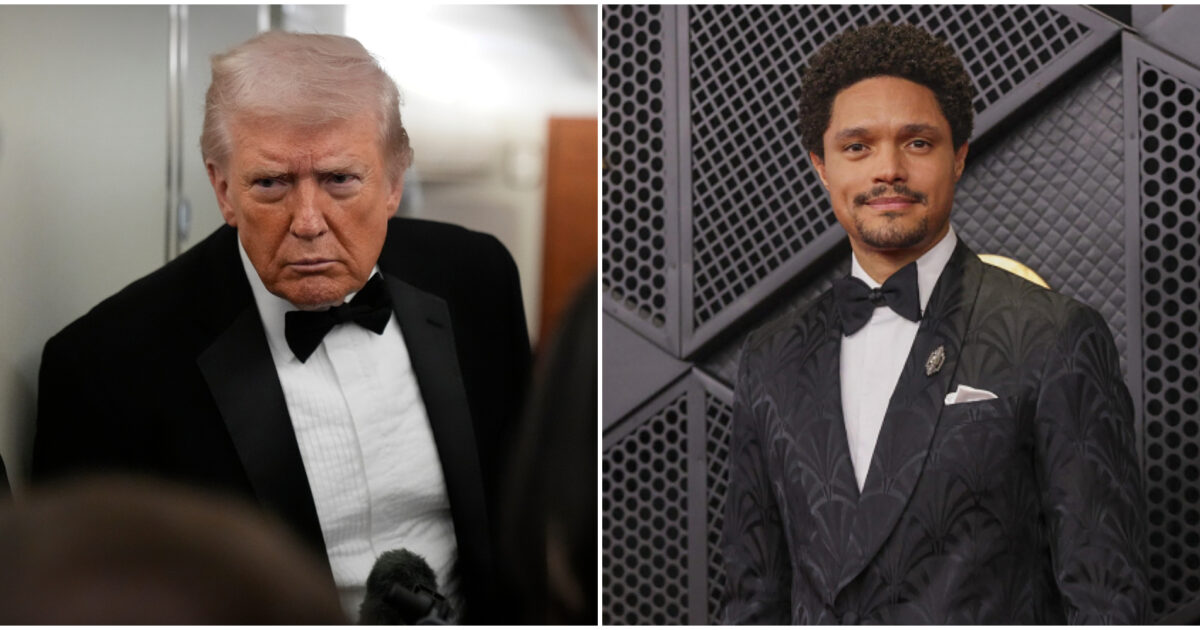
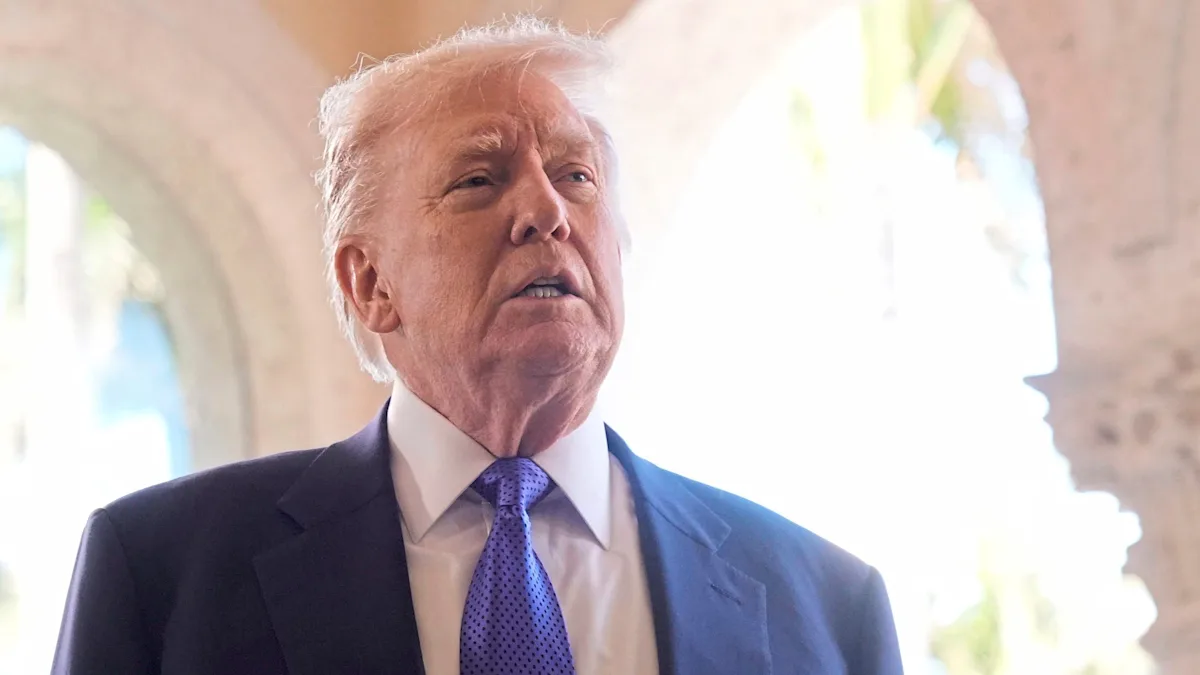
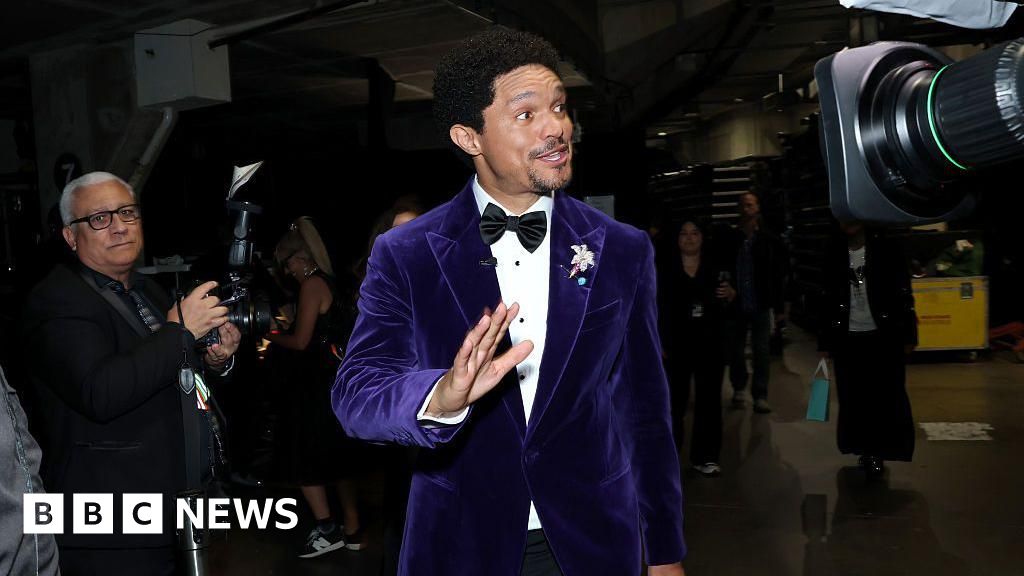
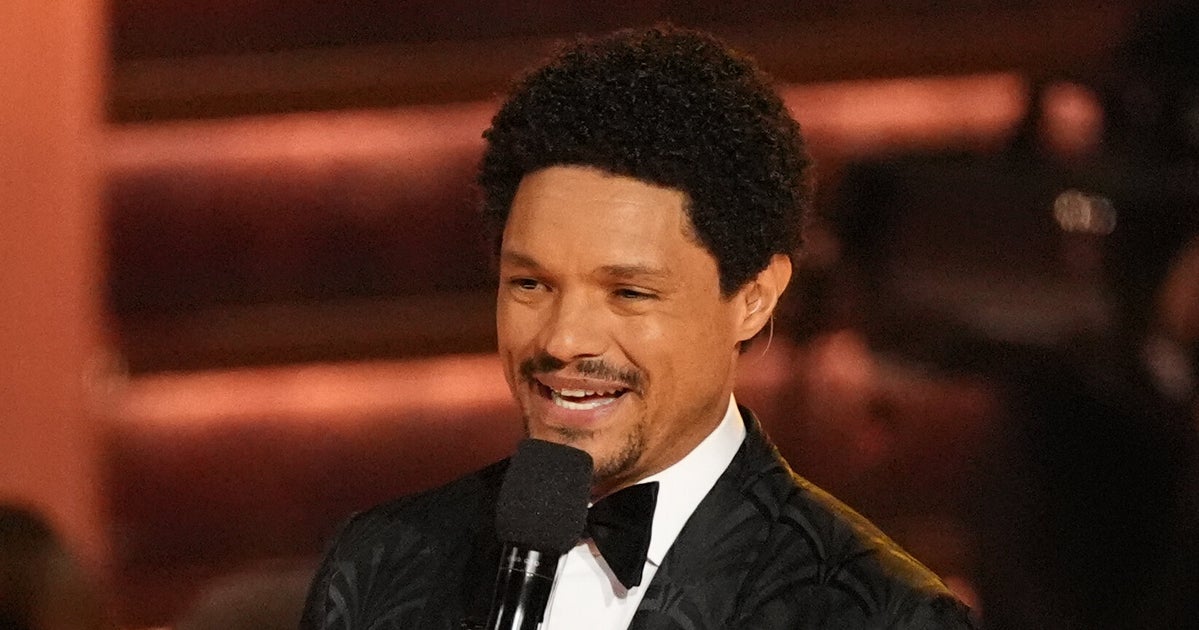
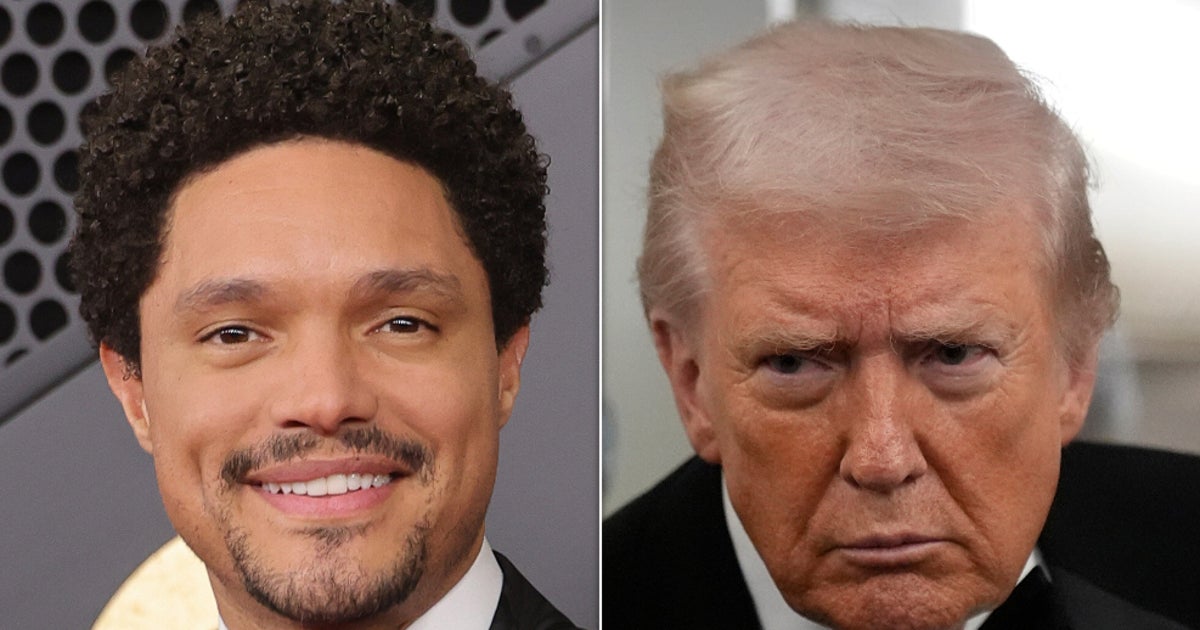
onald Trump, it seems, did not much enjoy the 2026 Grammys. Shortly after the conclusion of the ceremony’s live broadcast in the US, there he was on Truth Social, calling it “the worst”, “garbage”, “unwatchable” and threatening to sue host Trevor Noah.
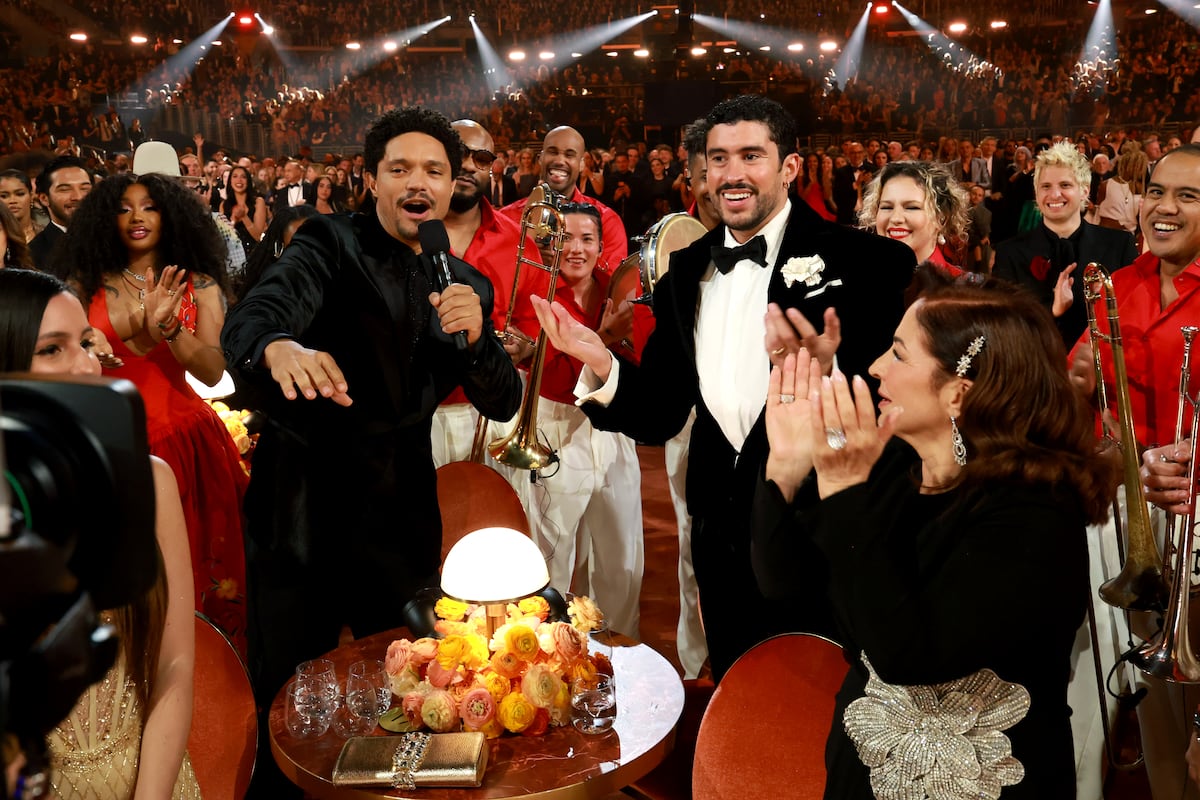
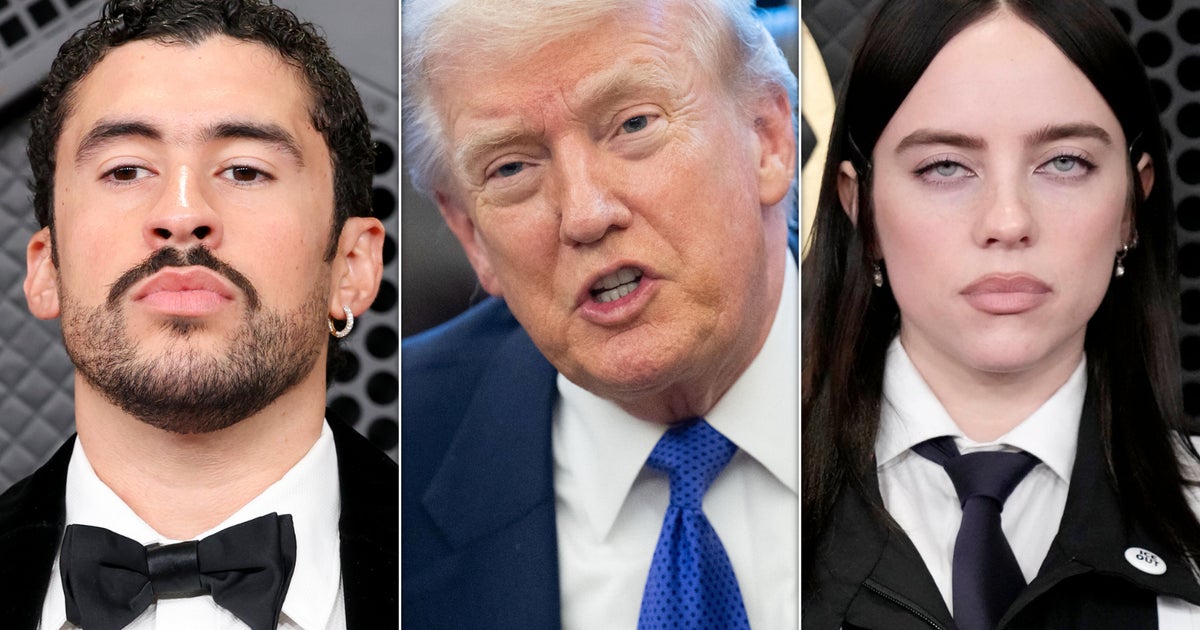
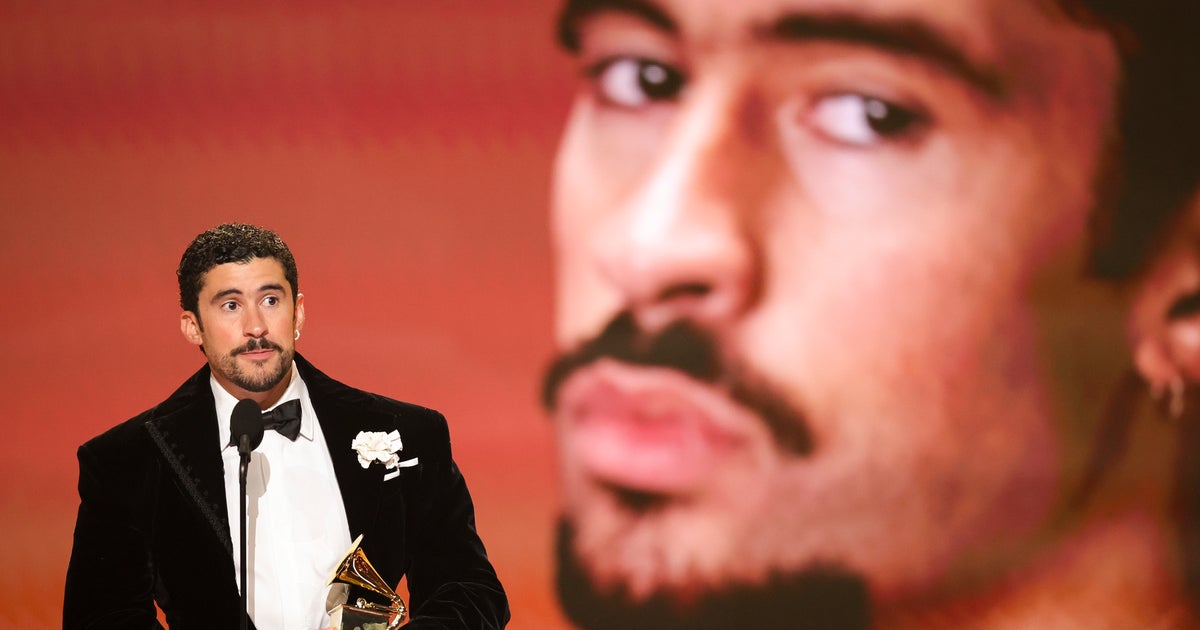
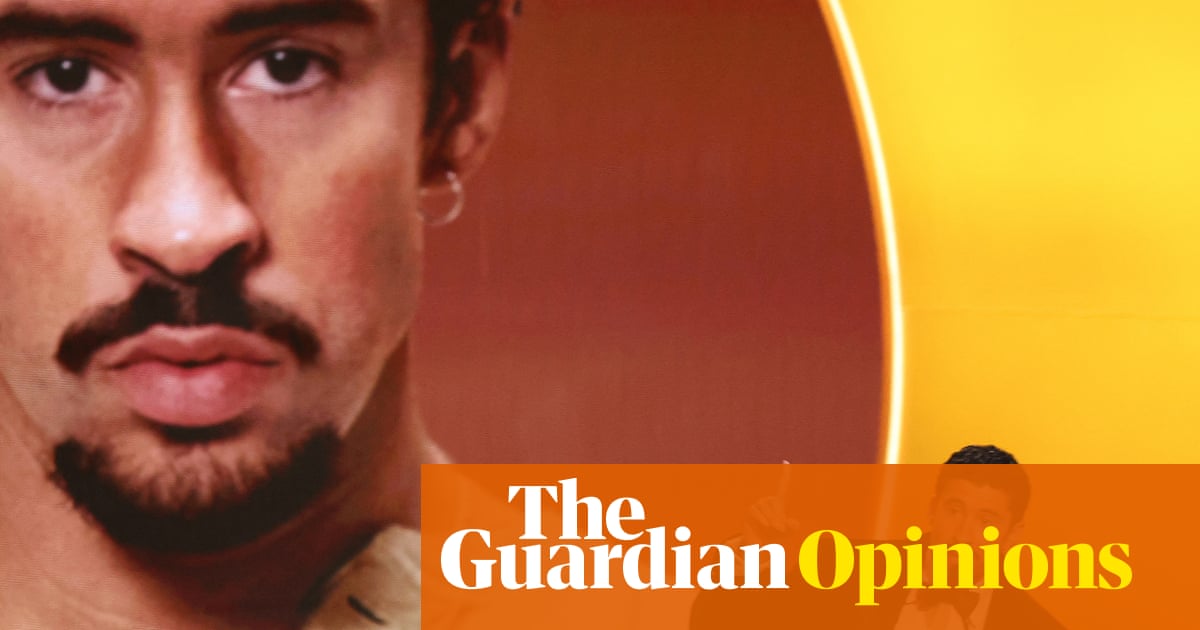
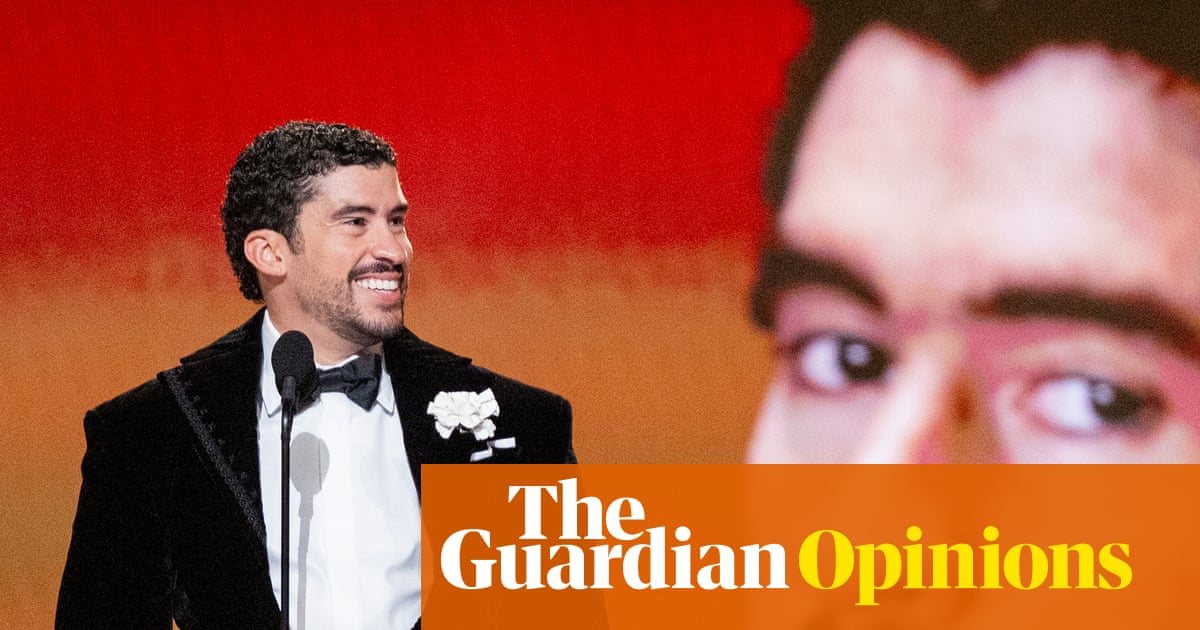
Perhaps that was the reaction the Recording Academy wanted. You could, if you wished, divine a certain Maga-baiting intent not just in the decision to give the album of the year award to Bad Bunny – a Puerto Rican who attracted criticism from the Trump administration after he was booked to headline the SuperBowl LX half-time show – but the choice of the Buena Vista Social Club, a Broadway hit based on the 1997 album of the same name featuring veteran Cuban musicians, as the best musical theatre album: the latter two weeks after the New York Times reported that Cubans settled in Florida are being deported in record numbers.
Then again, neither win was an upset. Bad Bunny might be the first Latin artist to win the album award, but Debí Tirar Más Fotos was both wildly critically acclaimed – it had already been voted the best album of 2025 by Billboard and Rolling Stone, a suitable reward for its frankly head-spinning eclecticism, in which the author leaps dramatically between salsa performed by a live orchestra and house rhythms, bachata and reggaeton, the folky strains of jibaro and gleaming electro-pop, creating a unique musical fusion between the past and the present day and topping it with pointed lyrics about the relationship between Puerto Rico and the US. It was also hugely commercially successful: a US No 1, it sold more than 300,000 copies in a space of two weeks. Meanwhile, Buena Vista Social Club’s win comes on the back of the show itself winning five Tony awards – ultimately, both awards were given on considerable merit, rather than voters trying to annoy Trump.