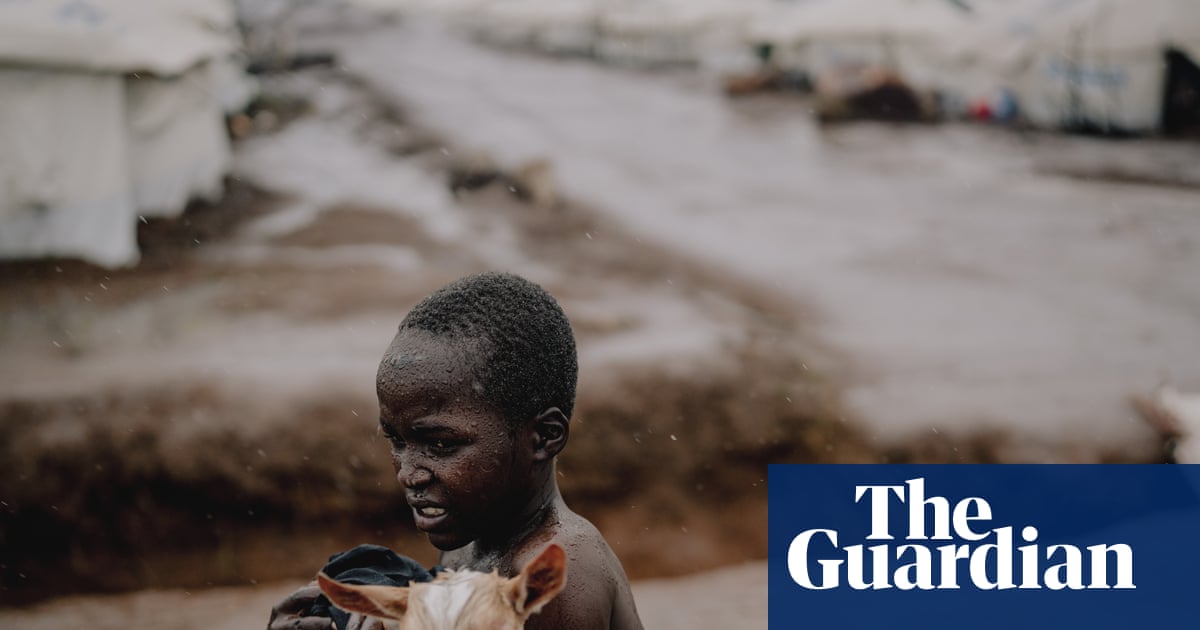
Thousands who fled the advance of M23 rebels now face the threat of disease and shortages in Burundi’s overcrowded refugee camps
I
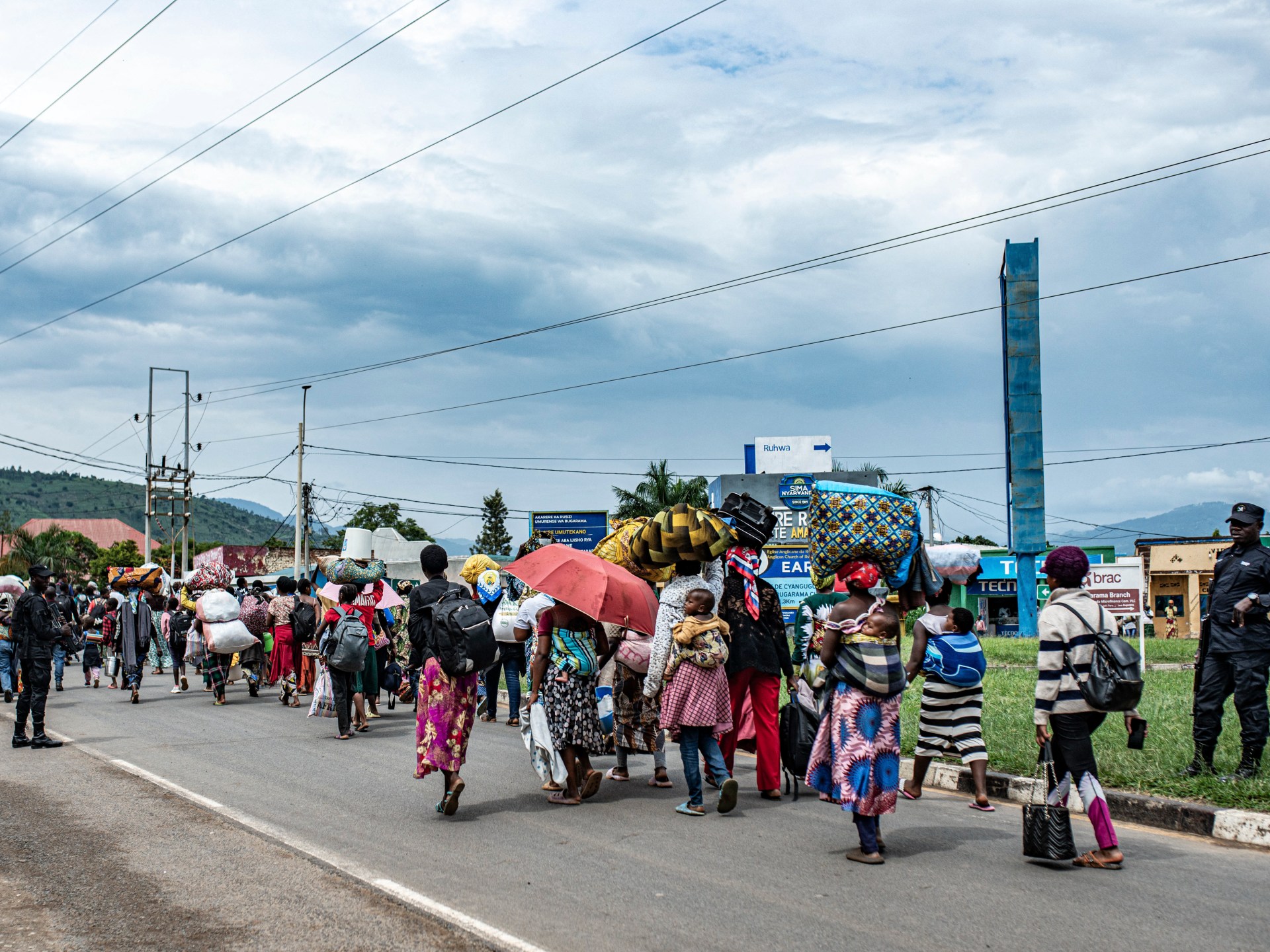
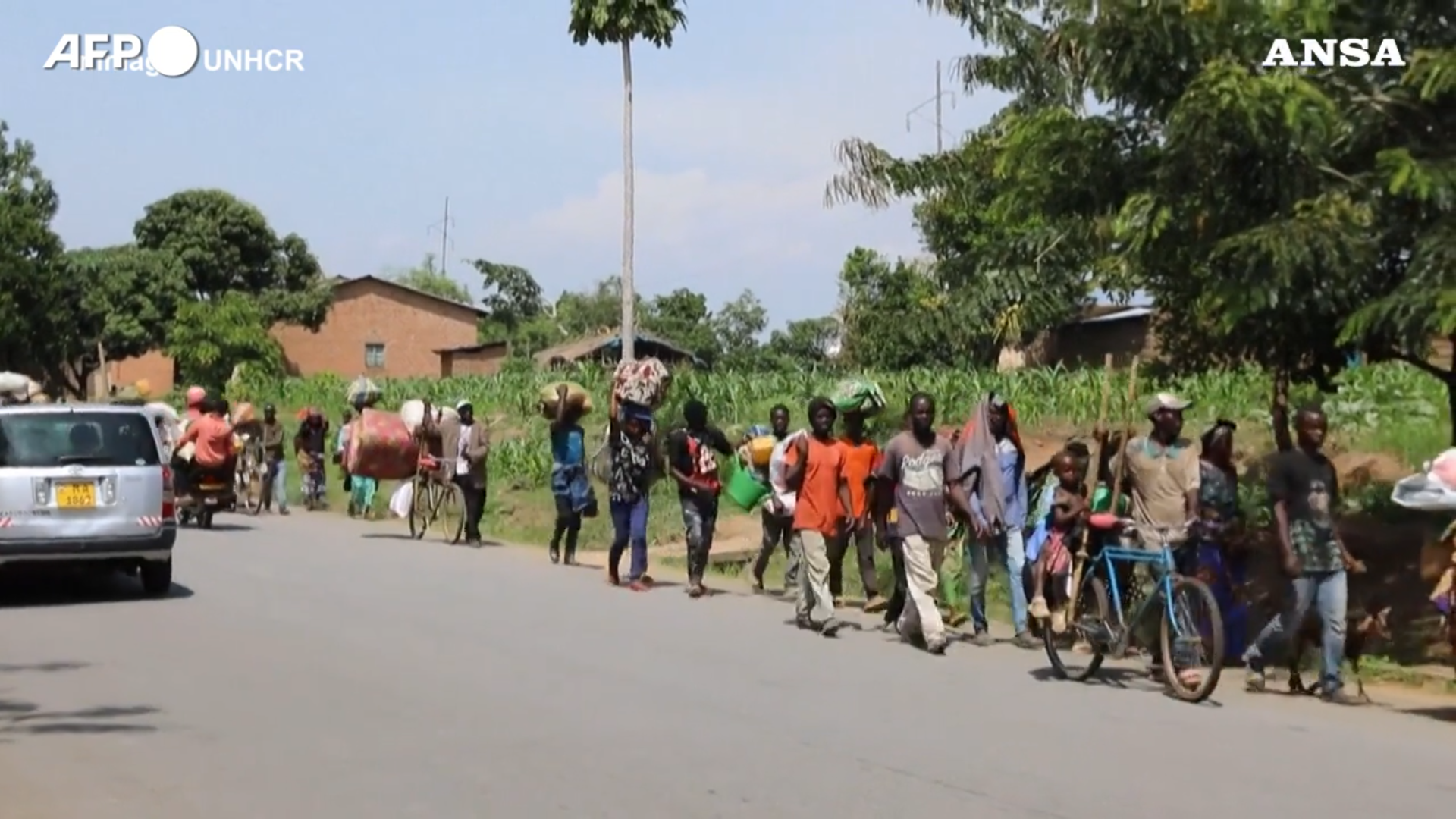
t must have been an eerie sight when 35-year-old Diudonné Muka looked over his shoulder and saw a trail of people stretching as far as the eye could see. The line ebbed and flowed deep into the surrounding forest, a river of multicoloured clothing cutting through the green.
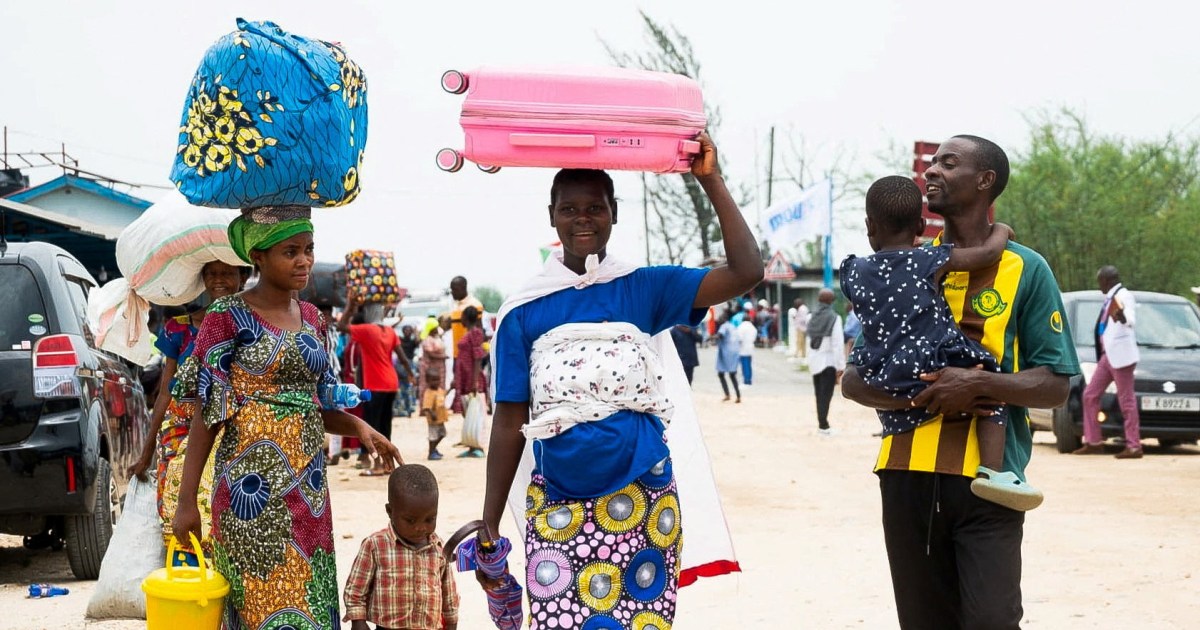
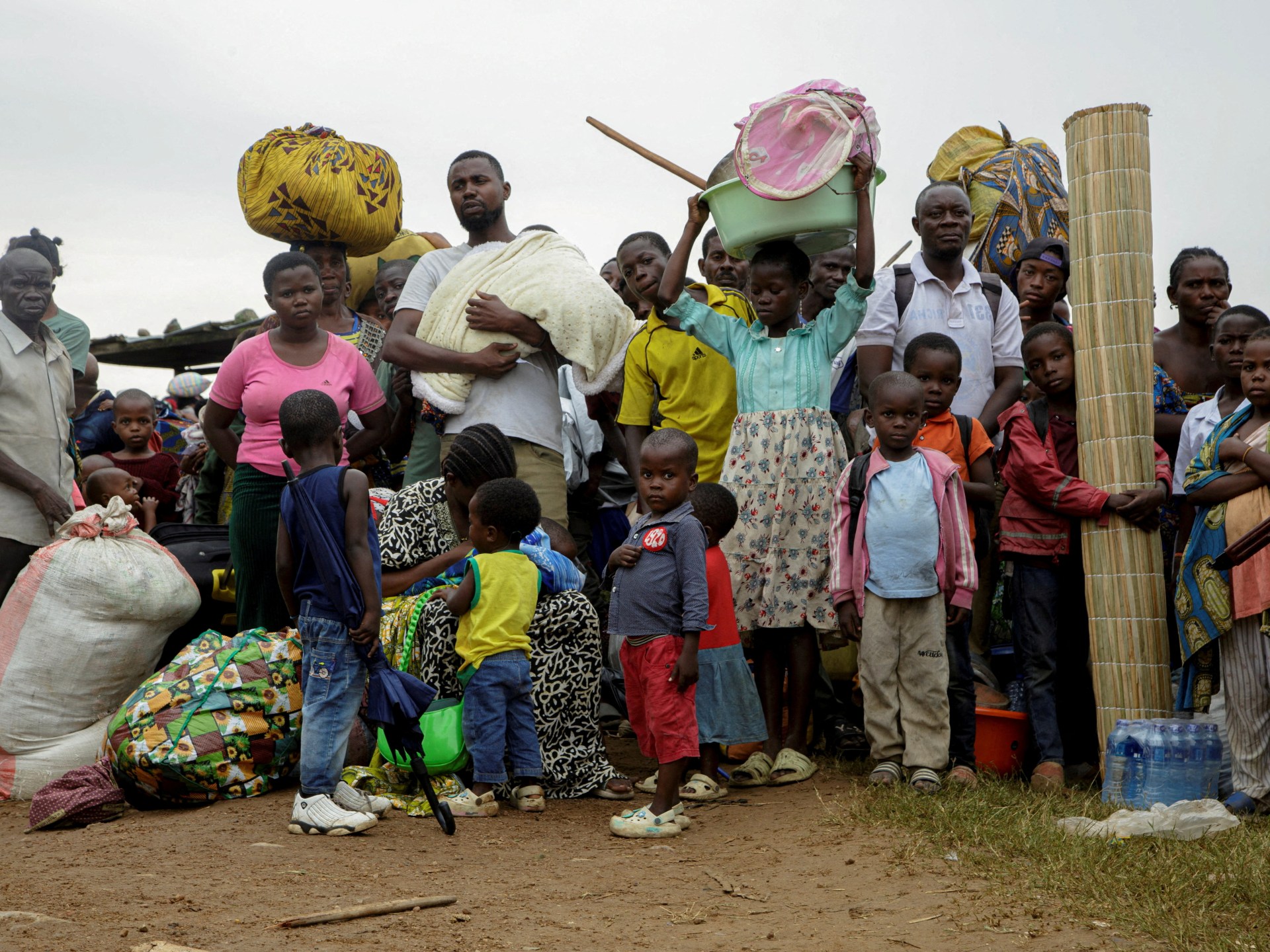
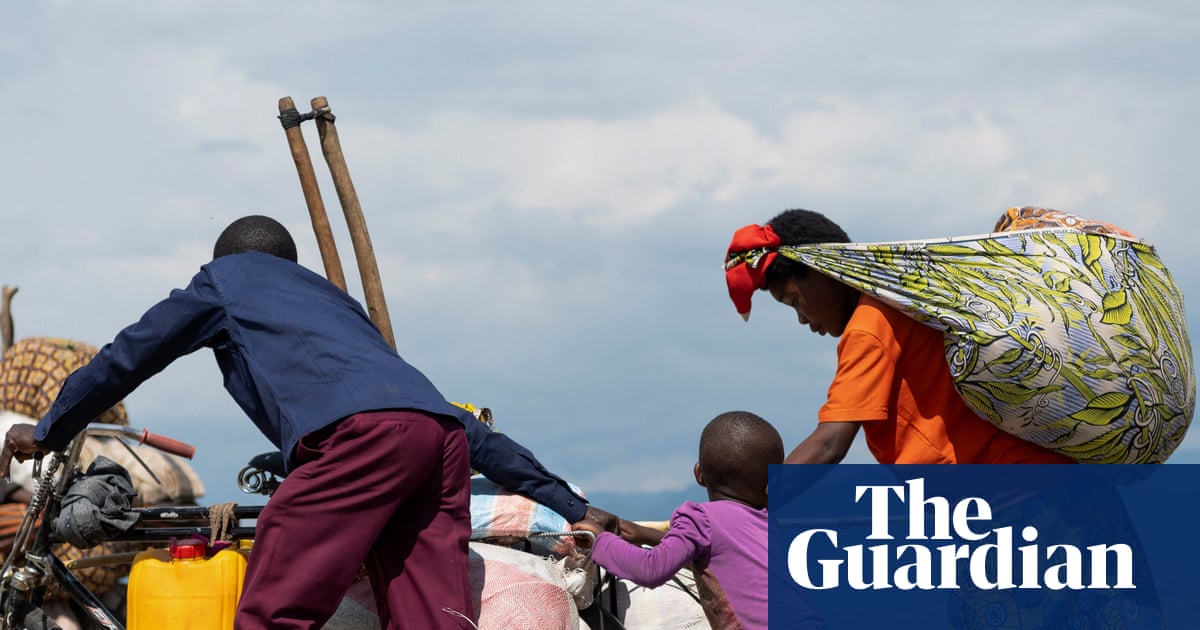
He saw countless women balancing trays of goods on their heads, babies on their backs, tightly wrapped in kikwembe cloth. Men and children carried whatever they could: chairs, rugs, blankets and sacks of food; anything that might still be useful.
“When war begins, you take what you can in your hands and run,” Muka says over the phone. Over the two-day, 21-mile (34km) trek, he heard a mix of languages, from Kiswahili to Kirundi Lingala and French. Livestock such as cows, goats and chickens were plentiful at first. Then, slowly, they disappeared.