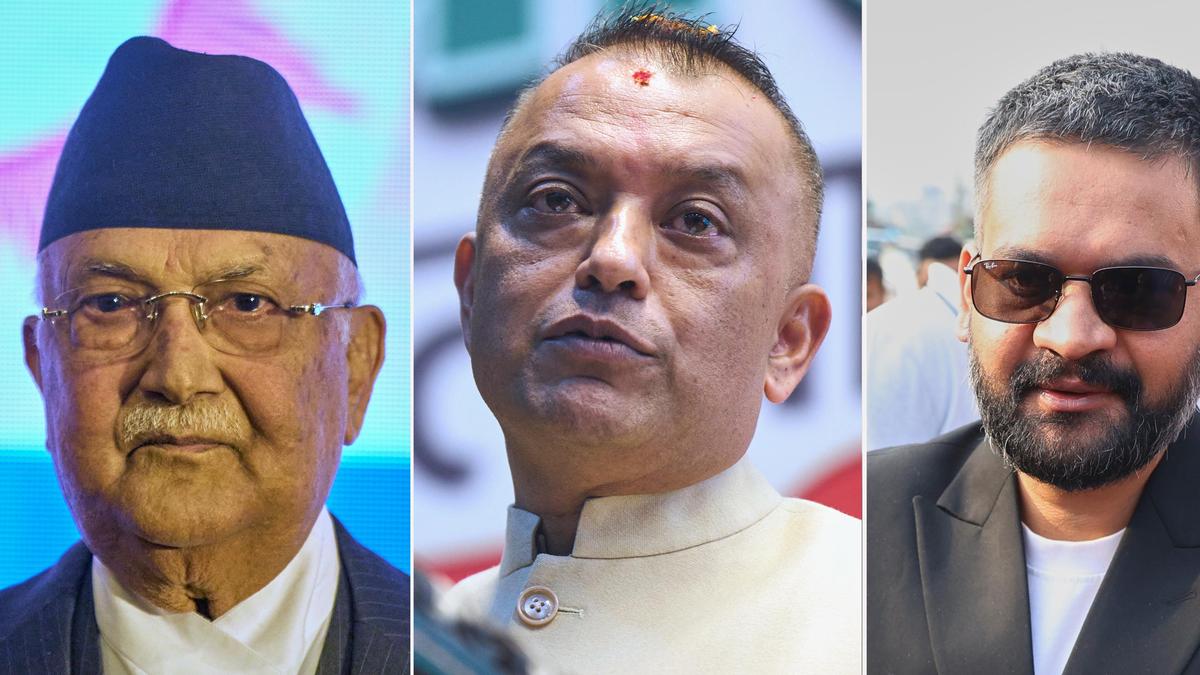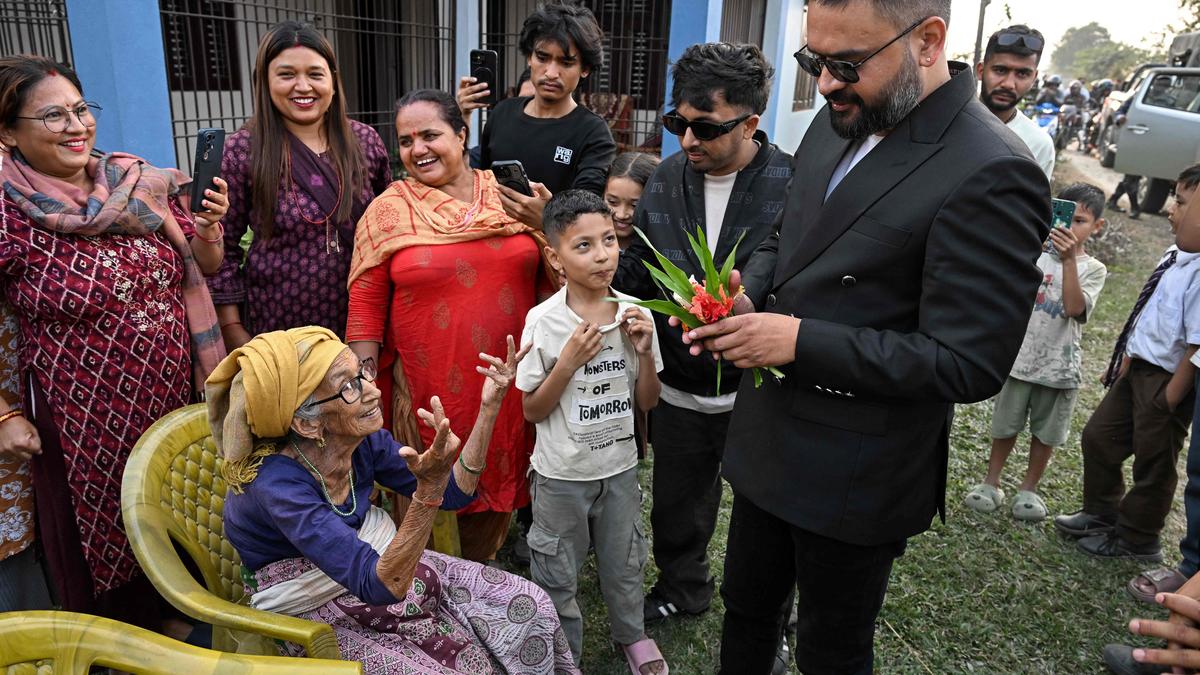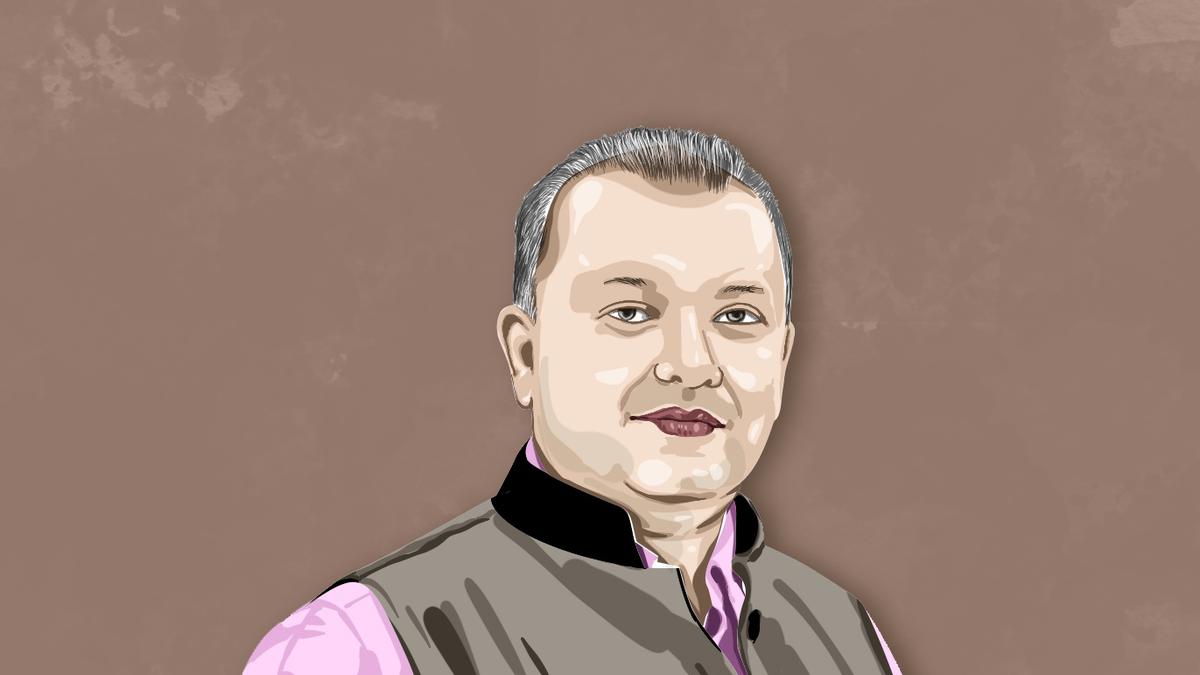
In mid-January, Nepal’s oldest party, the Nepali Congress, was in turmoil. A cohort of young leaders led by Gagan Thapa launched a mutiny against the party’s old guard, which refused to relent despite growing internal pressure.
Mr. Thapa then marshalled his supporters to convene a “special convention” of the party, a move that culminated in his election as party president. Now, the Nepali Congress heads into elections under the leadership of the 49-year-old, claiming that the party has undergone internal reform and promising to carry that change into governance if voted to power. Many view Mr. Thapa’s rise as the culmination of a long and often contentious internal struggle. For years, he was seen as a permanent dissenter — vocal against leadership excesses, openly critical of entrenched practices, and persistent in demanding structural change within the party.
With Nepal’s largest party divided ahead of polls, EC decides on legitimacy dispute
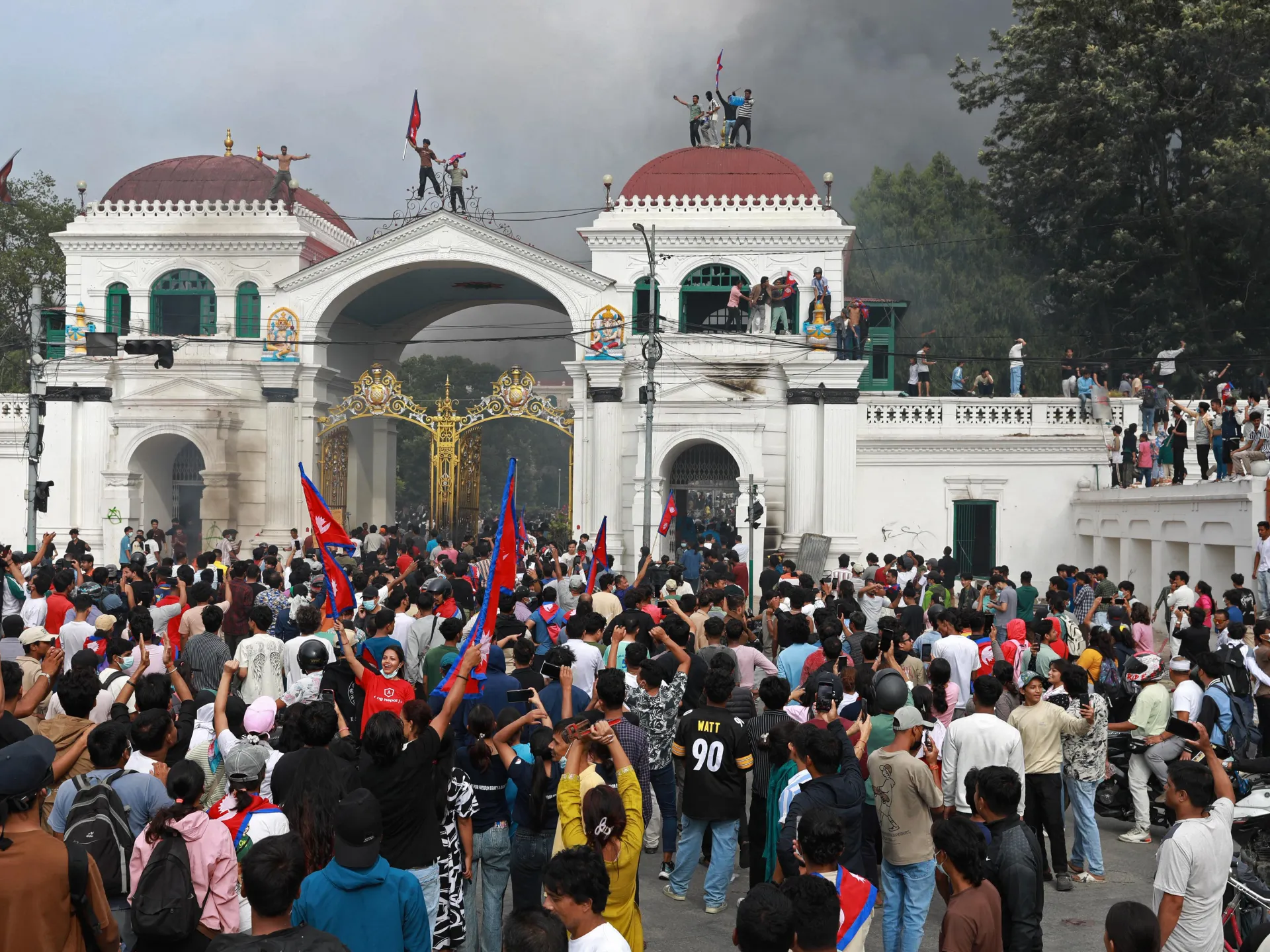
His call for generational change grew sharper after the September Gen Z protests, which demanded not only an end to corruption and misgovernance but also a shift in political leadership — from ageing elites to younger figures. Mr. Thapa argued that if the establishment was unwilling to allow a generational transition through the party’s regular convention, a special convention was necessary to force change. And he did it.