Colombian city launched its first clean air zone in one of its poorest neighbourhoods and has plans for green spaces too
E
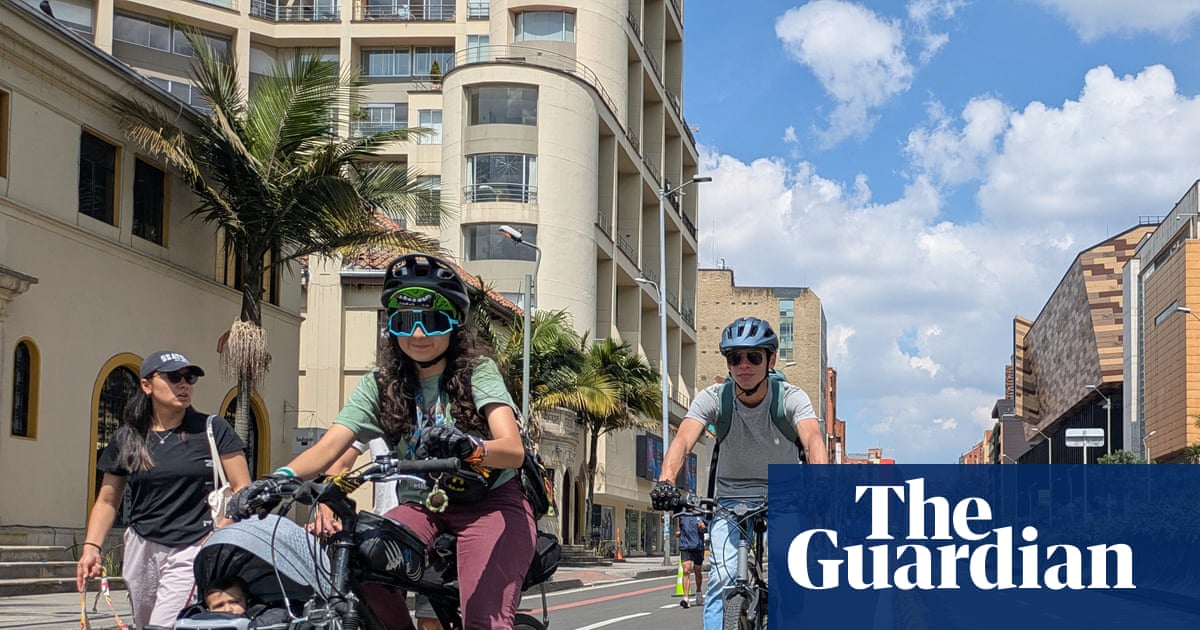
very Sunday in Bogotá, streets across the city are closed to cars and transformed into urban parks. Shirtless rollerbladers with boomboxes drift leisurely in figures of eight, Lycra-clad cyclists zoom downhill and young children wobble nervously as they pedal on bikes for the first time.
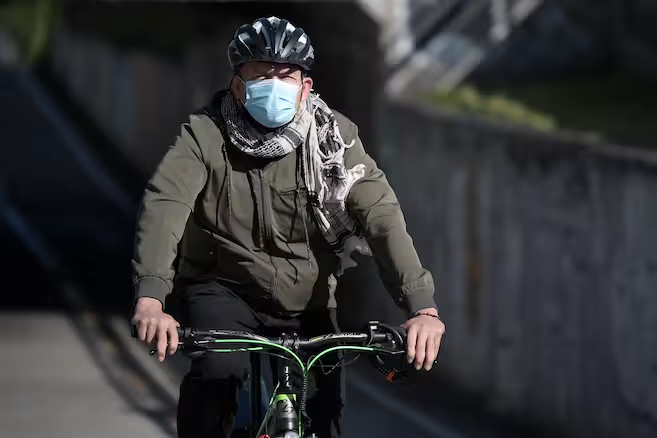
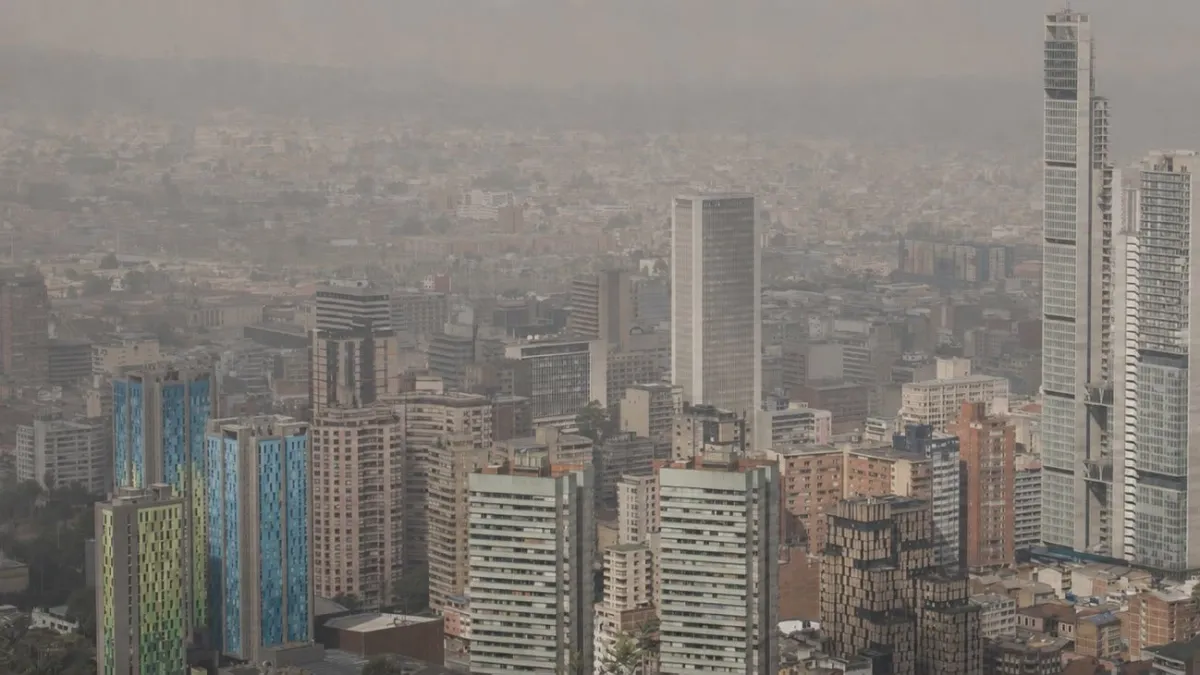
This is perhaps the most visible component of a multipronged plan to clean up the Colombian capital’s air. At the turn of the century, Bogotá was one of Latin America’s most polluted cities, with concentrations of harmful particulates at seven times the World Health Organization’s limits. In the last decade the city of 8 million has started to turn that around, cutting air pollution by 24% between 2018 and 2024.
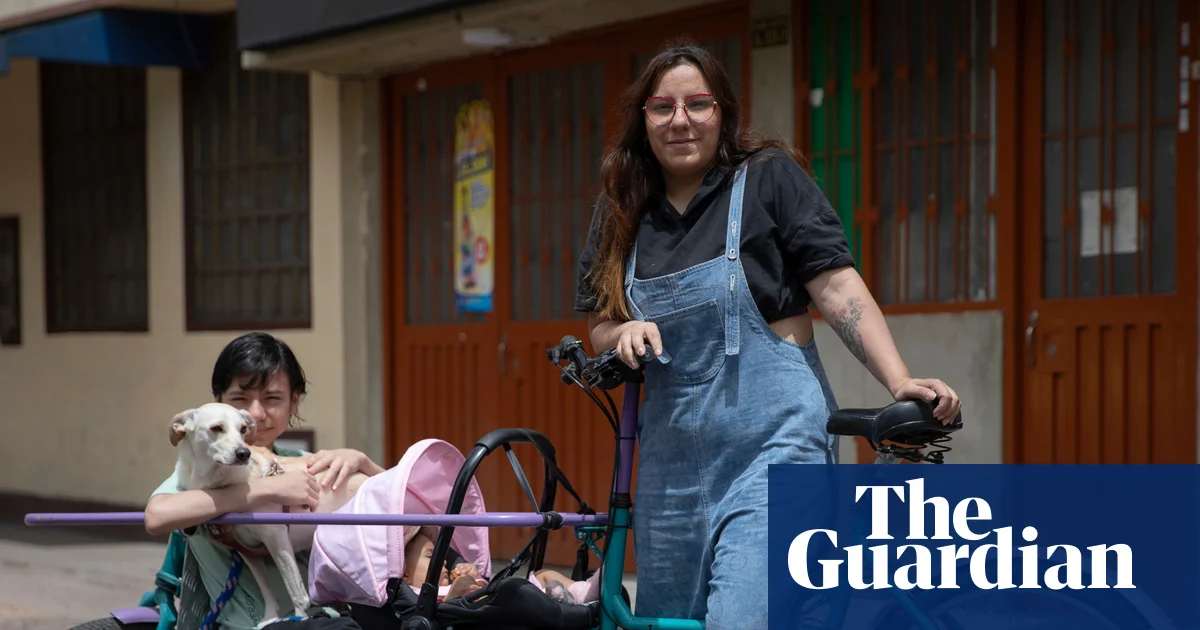
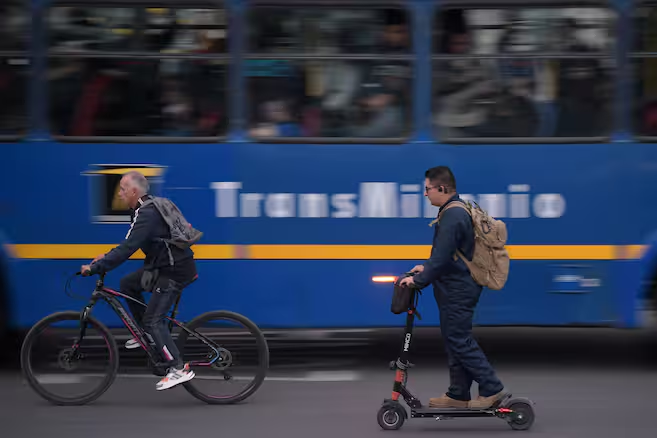
Part of the shift has been the city’s embrace of the bicycle and other forms of clean transport. There are now 350 miles of cycle lanes snaking across the city, the largest cycle lane network in Latin America. Bogotá has also quietly rolled out 1,400 electric buses, one of the world’s largest sustainable bus fleets, and there are three new cable car lines (two under construction) to take people to and from the mountains.