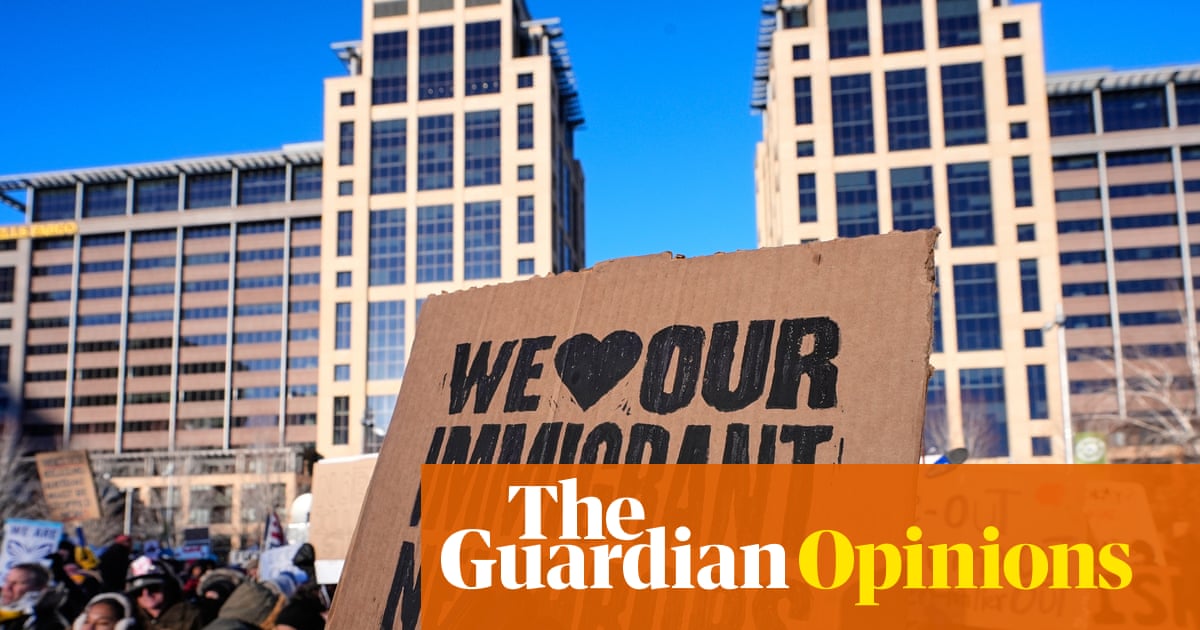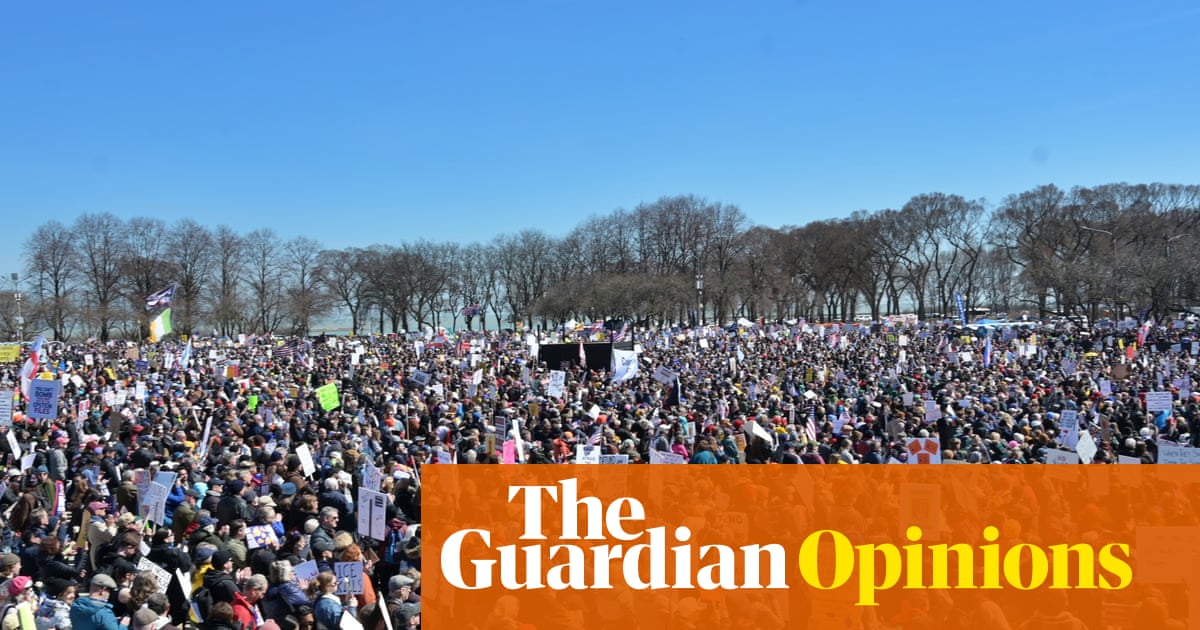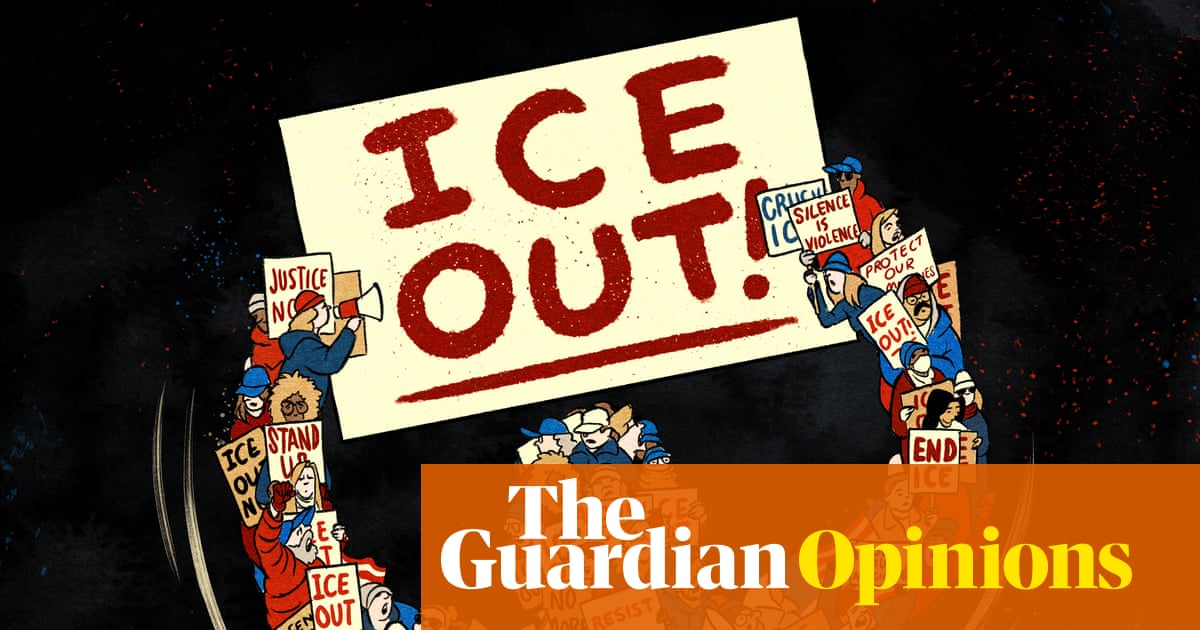
After months of community resistance, the president backed down. Leadership from below succeeded when politics as usual failed
F
or most politicians and journalists, the answer to nearly every question is to look up. Not at the moon, the stars or even the chimney tops, but at their leaders: the people who sit atop institutions, wield power and set the line that others follow. The top of the totem pole is the sole focal point, and the stories that count usually come from the heights of power.
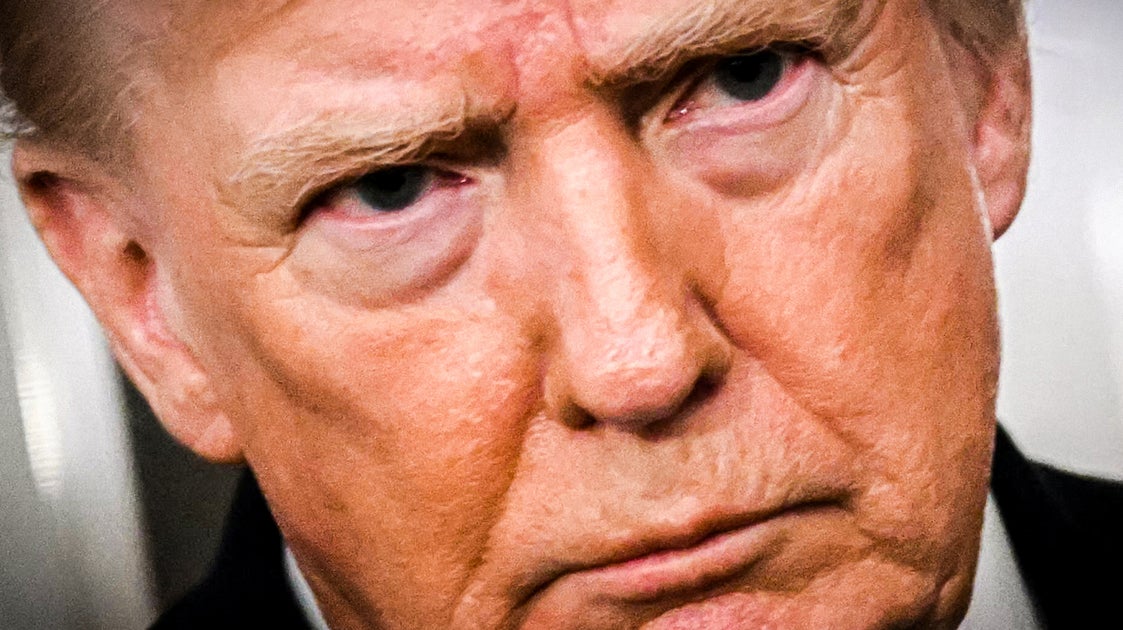
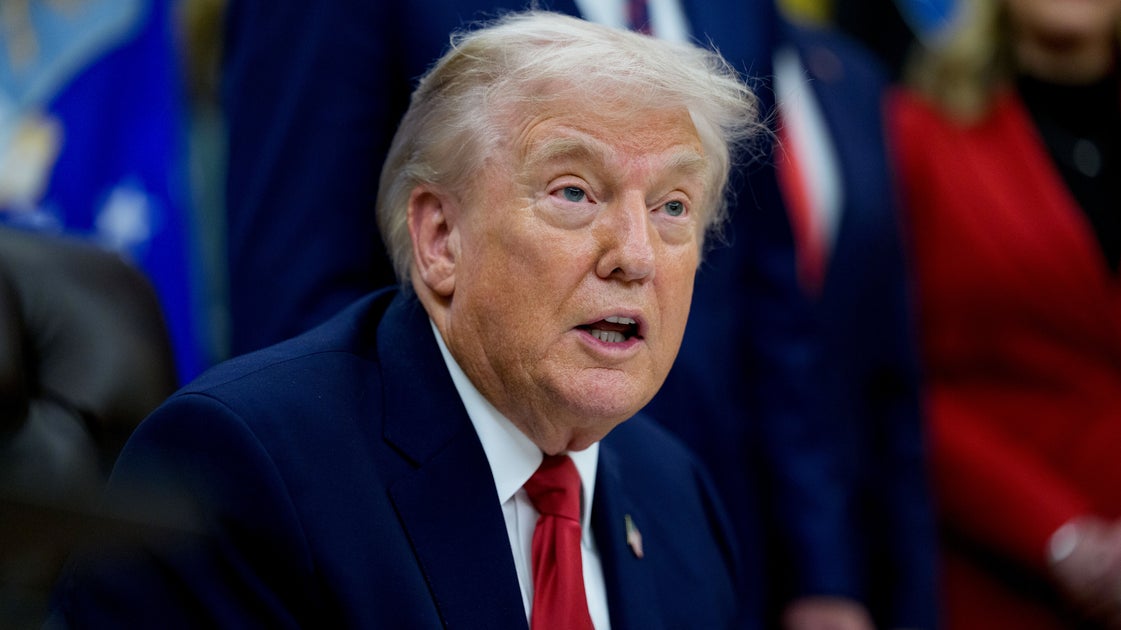
Bend your neck back far enough and Davos becomes not a talking shop in a Swiss ski resort, but a gathering of world leaders; Keir Starmer flying into Beijing is a summit of great powers; even who should be the MP for Gorton and Denton is really all about the Labour leadership. For this piece, the Guardian’s research librarians counted how many times the words “leader” or “leadership” appeared across the British press. Over the past week alone, the rough total stands at 2,000. A third of those stories concern one man: Donald Trump.
“We know a lot about what fifth-century Greece looked like to an Athenian citizen,” observed EH Carr in his classic What is History?, “but hardly anything about what it looked like to a Spartan, a Corinthian, or a Theban – not to mention a Persian, or a slave or other non-citizen resident in Athens.” Sixty-five years later and our daily news remains wall-to-wall Athens, with scarcely a Spartan vox pop.