Taken from CNBC’s Daily Open, our international markets newsletter — Subscribe today
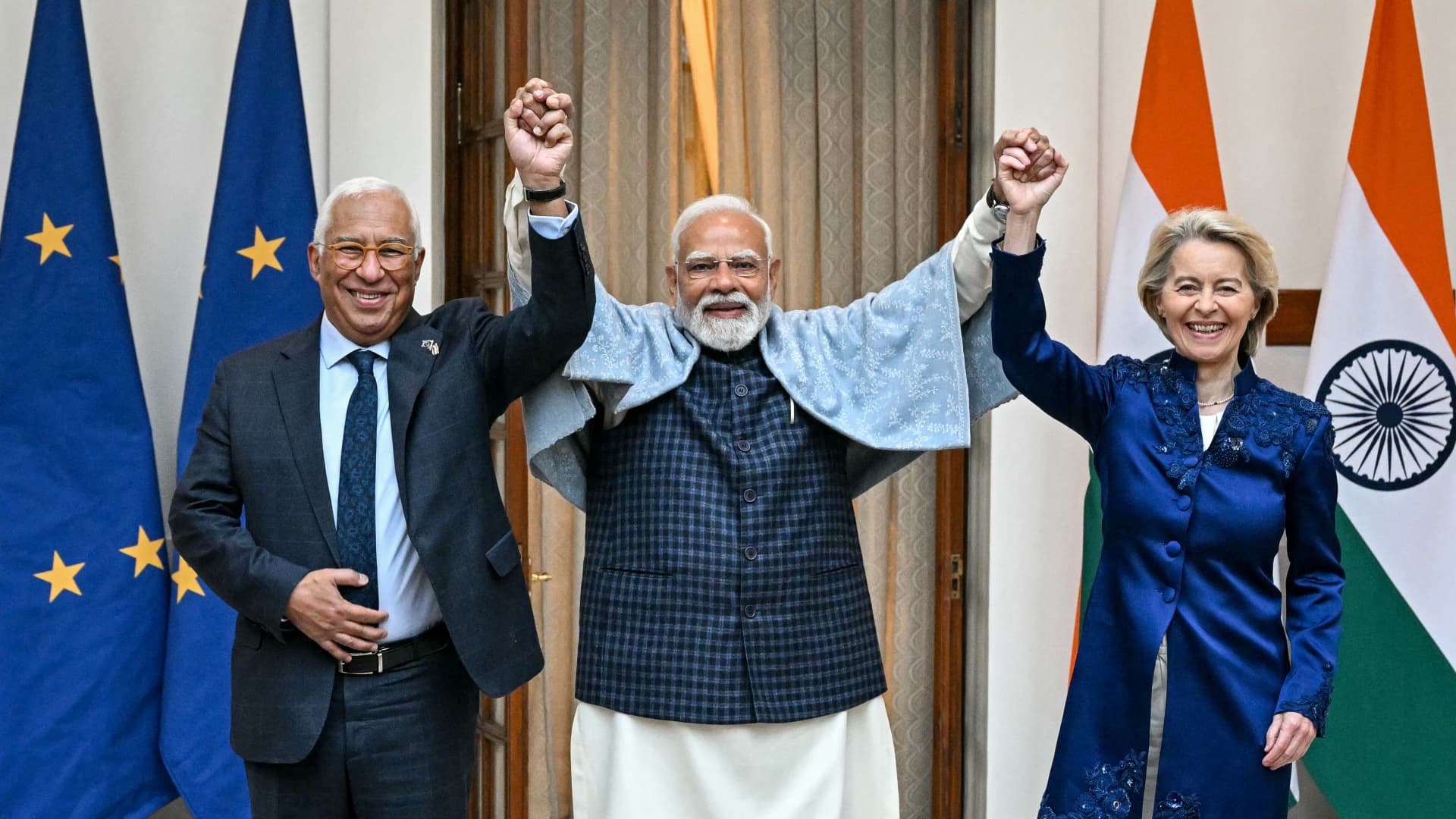
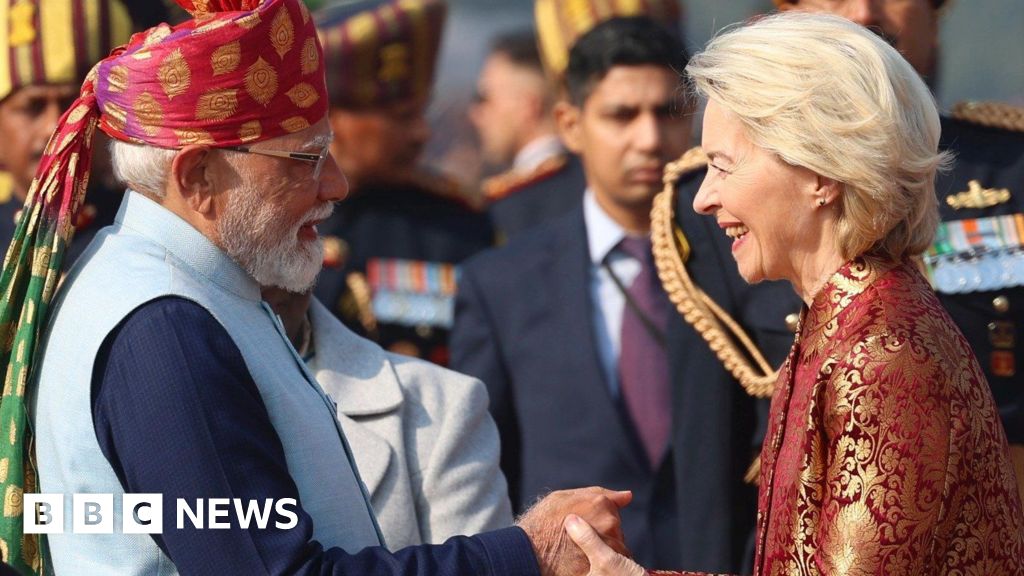
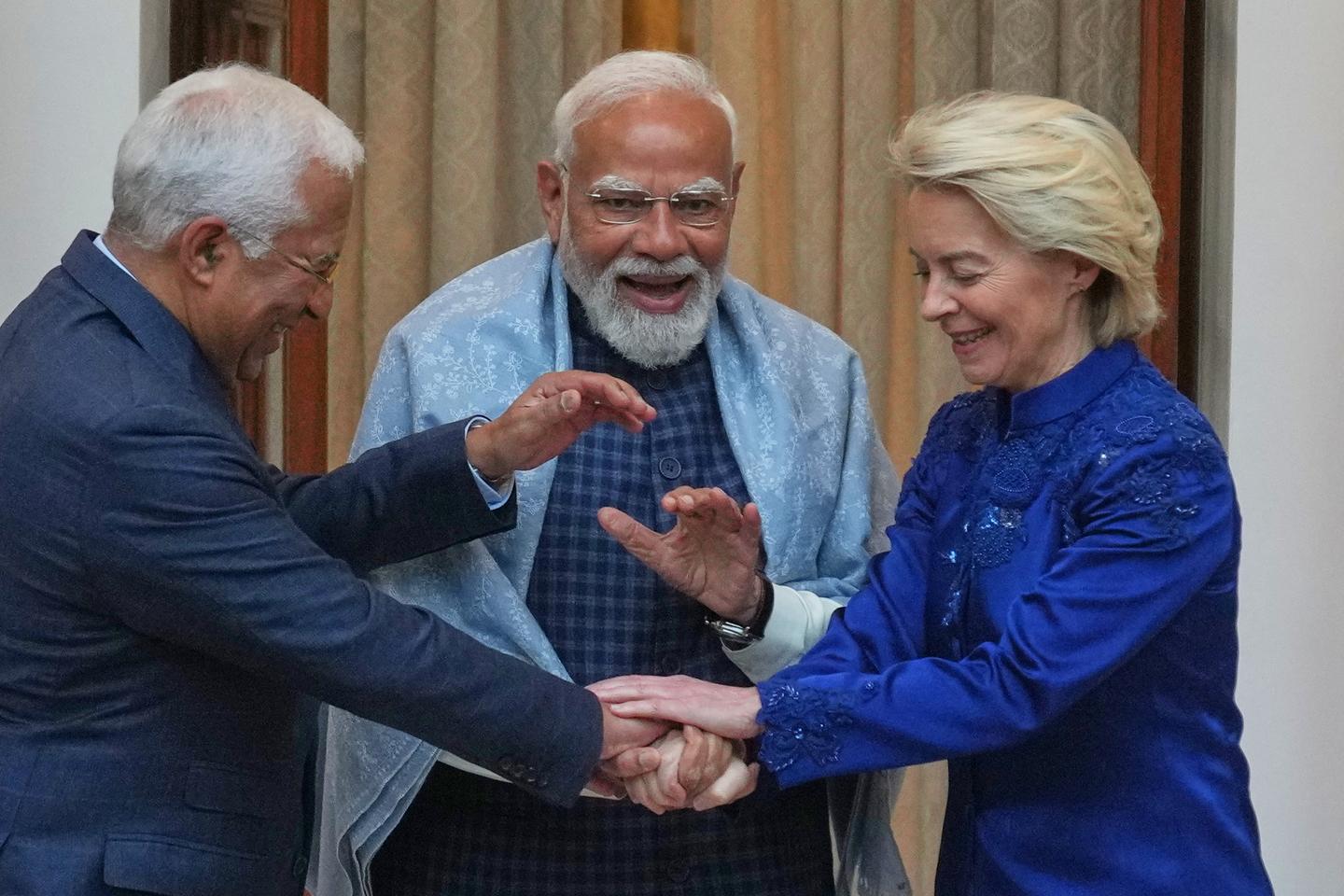
On Tuesday, India and the European Union announced a “landmark” free trade deal that would remove or reduce tariffs on more than 90% of goods traded between them.
The deal, nearly two decades in the making, will see India lower tariffs in two of its most politically sensitive sectors, agriculture and autos. It also lands amid a growing wave of bilateral trade agreements, as countries recalibrate supply chains and commercial ties in response to Washington’s increasingly muscular use of tariffs.
That broader shift is already visible. Earlier this month, Canadian Prime Minister Mark Carney visited China, the first leader in his role to do so in 17 years, in a bid to expand economic partnerships with the world’s second-largest economy. UK Prime Minister Keir Starmer is set to follow with a three-day trip to China, the first by a British prime minister since 2018.
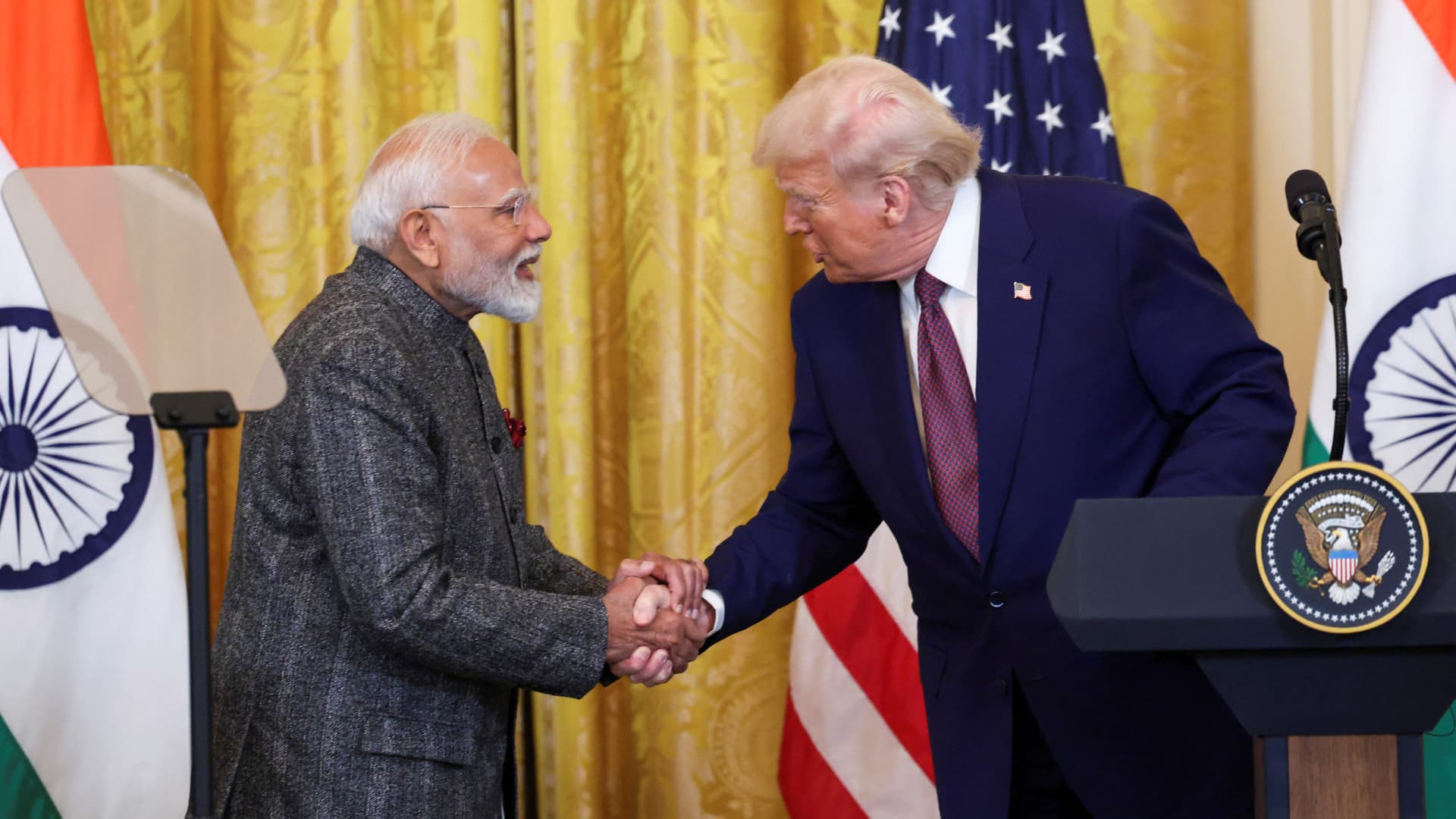
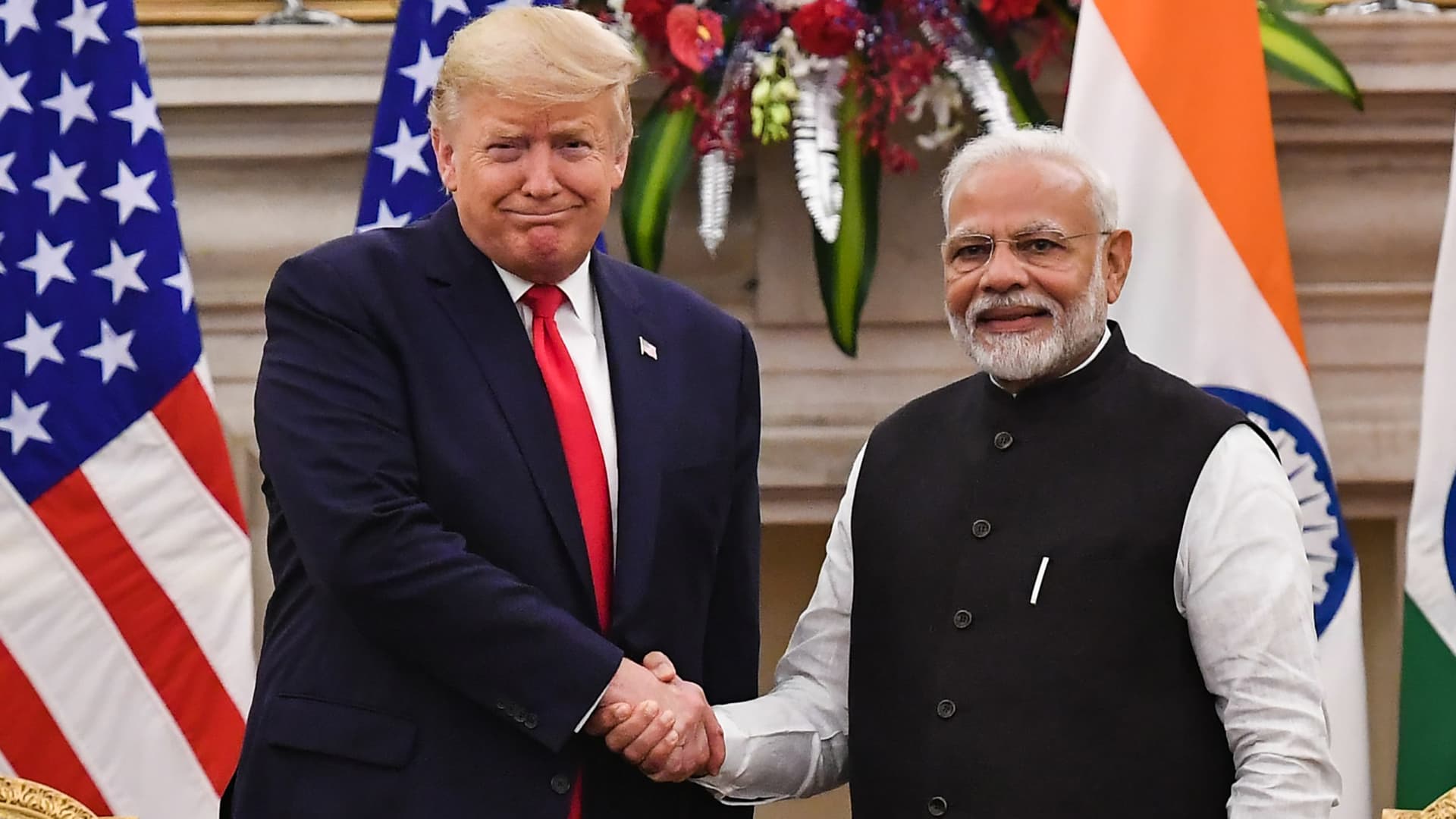
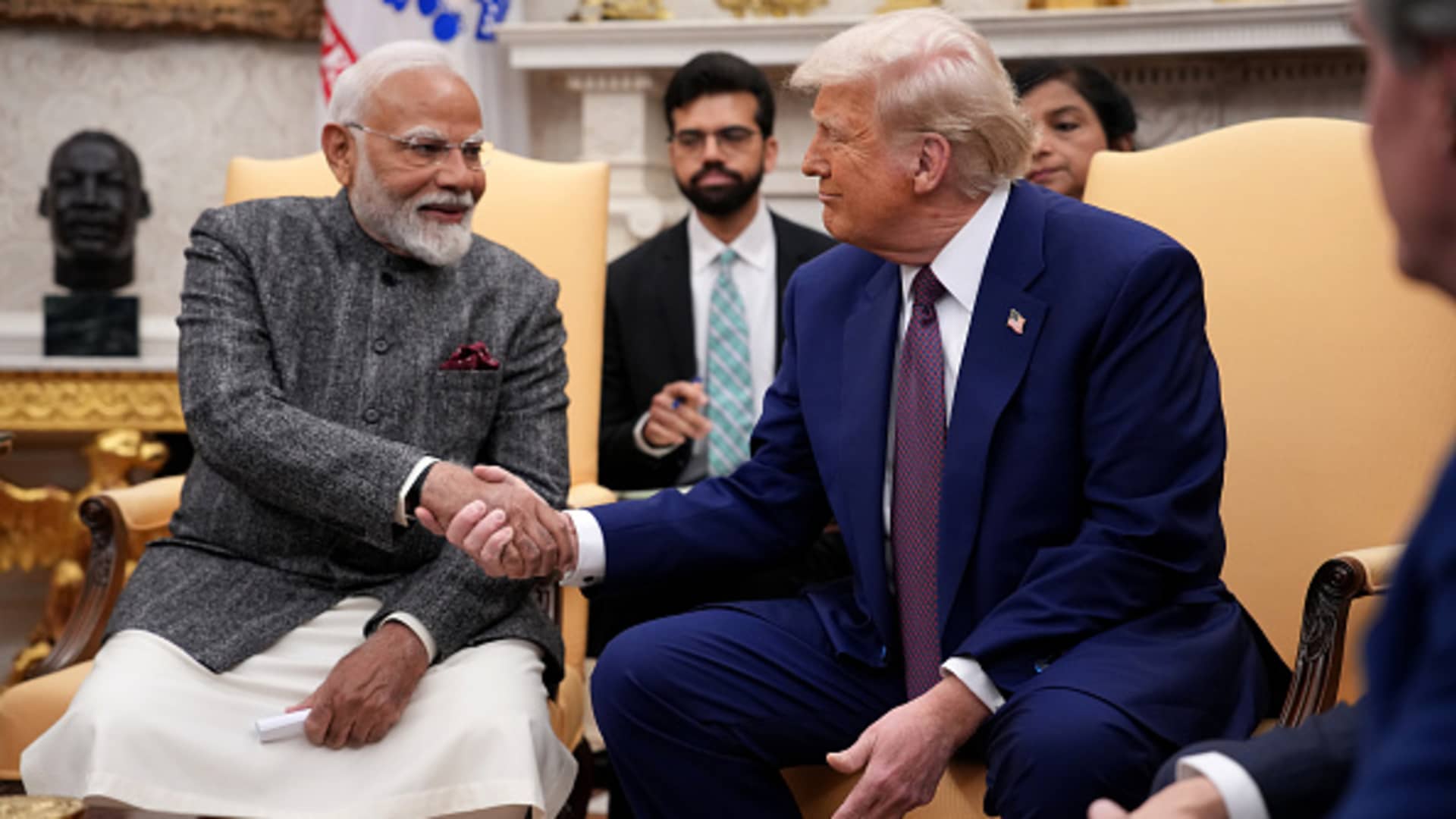
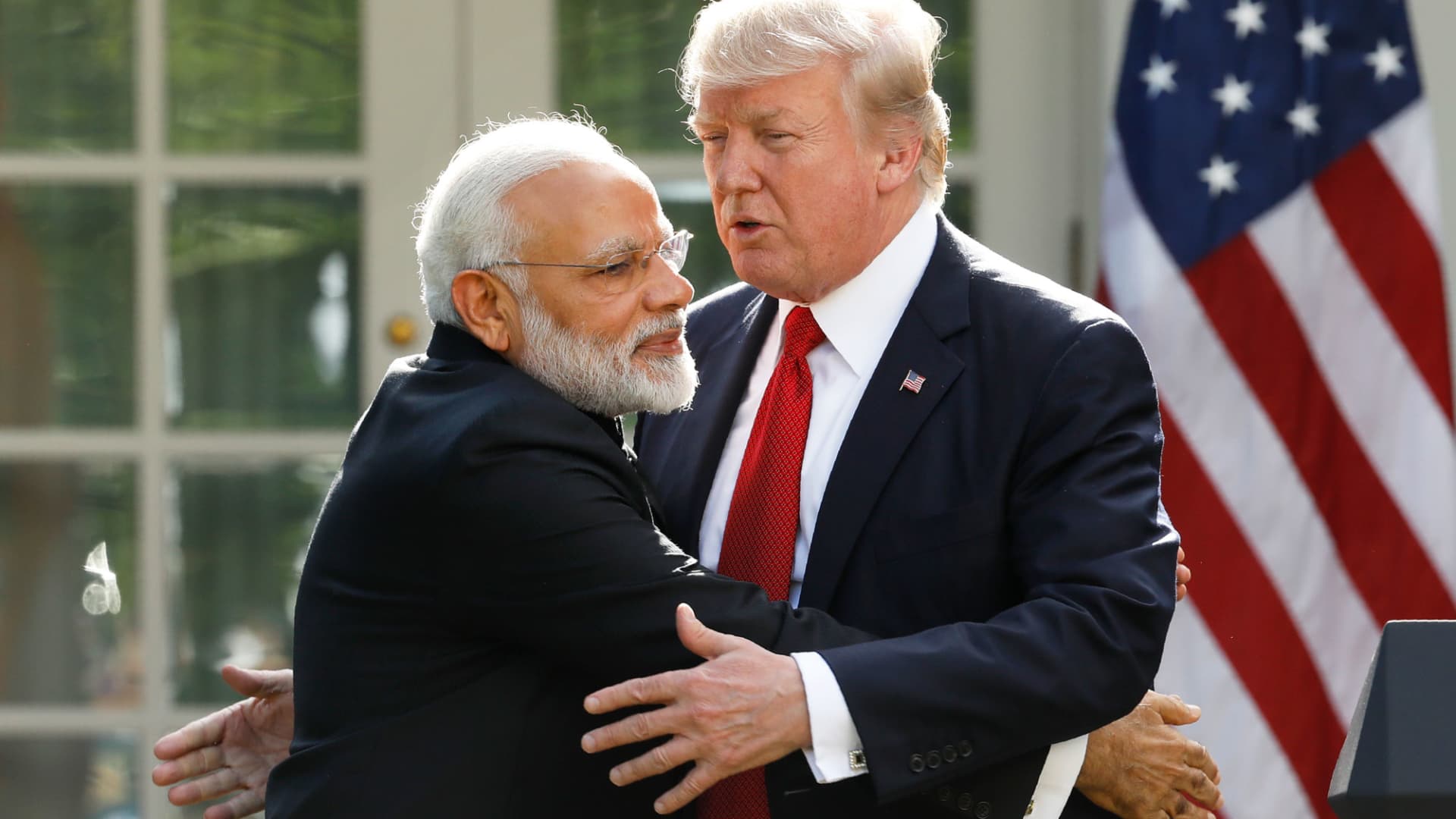
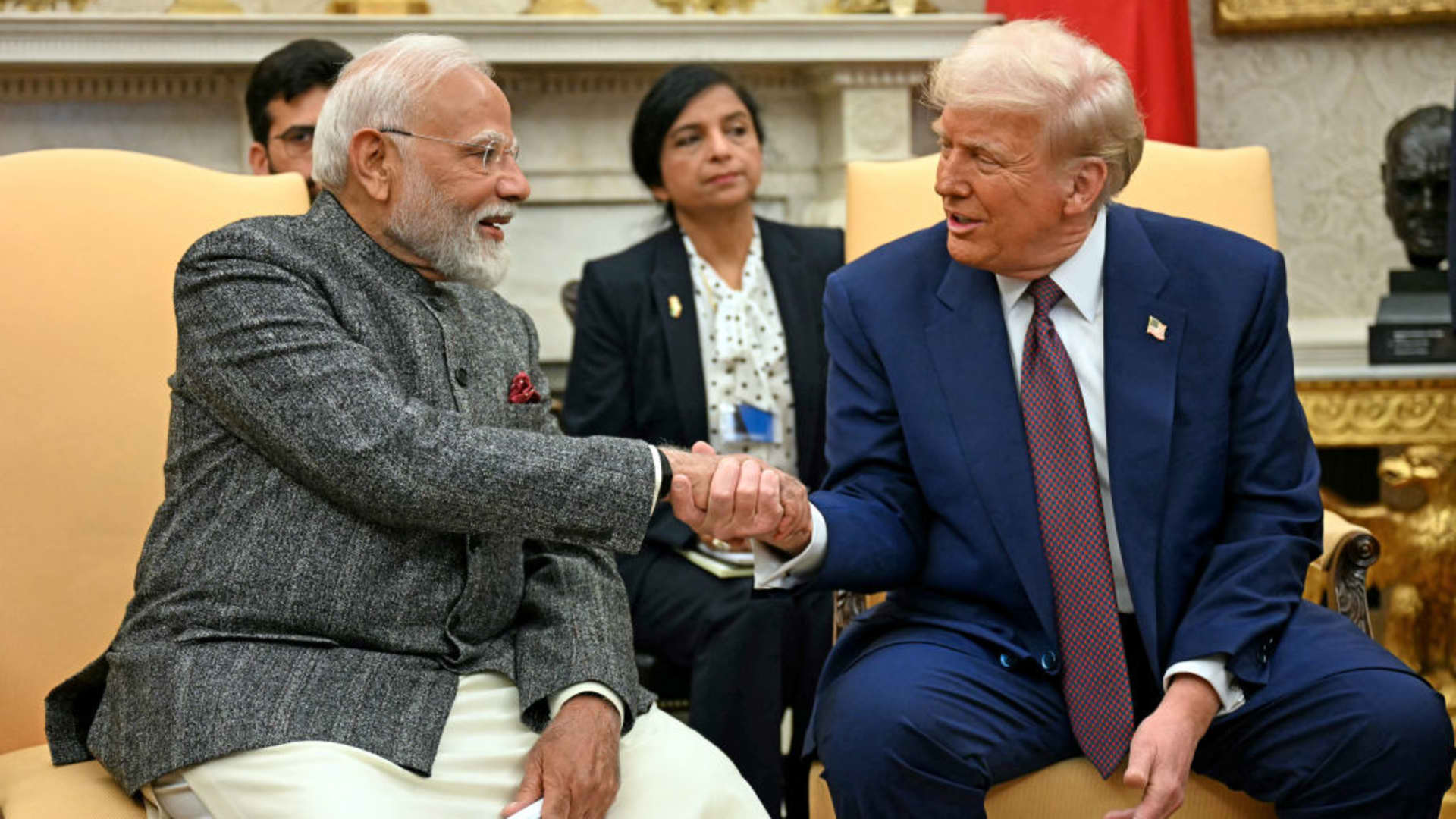
Still, the India-EU pact, memorably dubbed the “mother of all deals” by European Commission President Ursula von der Leyen, has yet to clear its most unpredictable hurdle: U.S. President Donald Trump.