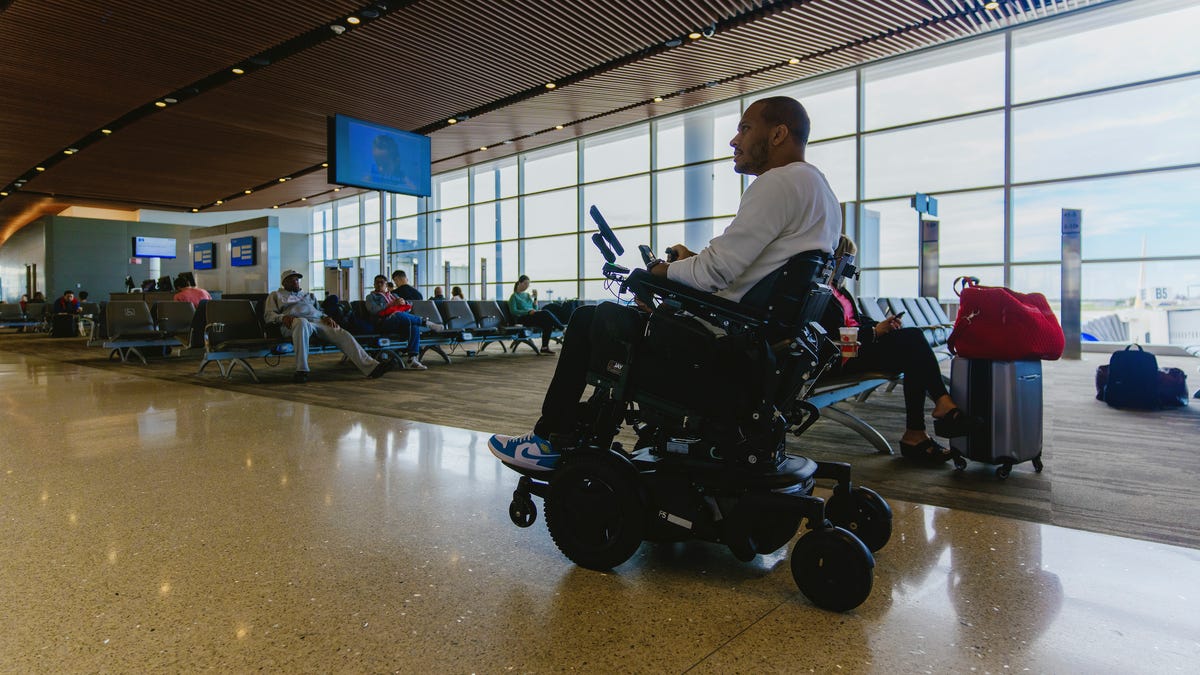
I sat in the wheelchair at gate 12B, bladder full to bursting. I dared not get up to walk to the restroom. I had already gotten several skeptical looks as I was wheeled through the airport. After all, I did walk into the airport of my own accord, and by all accounts, I don’t “look disabled.” But there’s something bigger going on here beyond my impending urinary tract infection.
It all goes back to the perception that if disabled individuals are seen engaging in certain activities, then we’re not really that disabled. If we can engage in leisure activities — hanging out with friends or going on vacations, for example — then we should use that energy for doing something “productive” instead.
Another little-known truth is that disabilities are often dynamic, meaning they affect you in different ways at different times. I’ve often told my medical providers that I wish I had some sort of formula I could use to tell me when an activity is going to put me over the edge with my symptoms. Unfortunately, it doesn’t work like that.
To be honest, I don’t think it works like that for nondisabled individuals, either. Our bodies are affected by so much — the weather, our moods, stress, how much and what we’ve eaten — there’s no way to say with absolute certainty how much of anything we can take on any given day. Add a disability or chronic condition to the mix, and it truly is anyone’s guess. And for us, sometimes the stakes are higher.