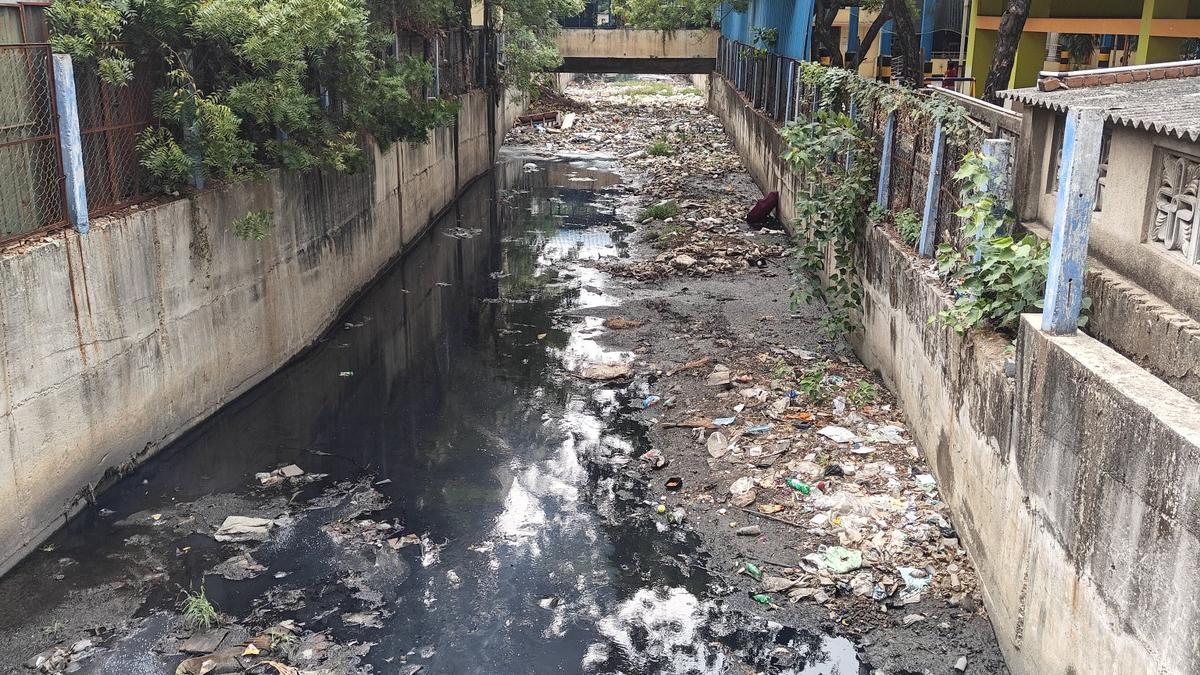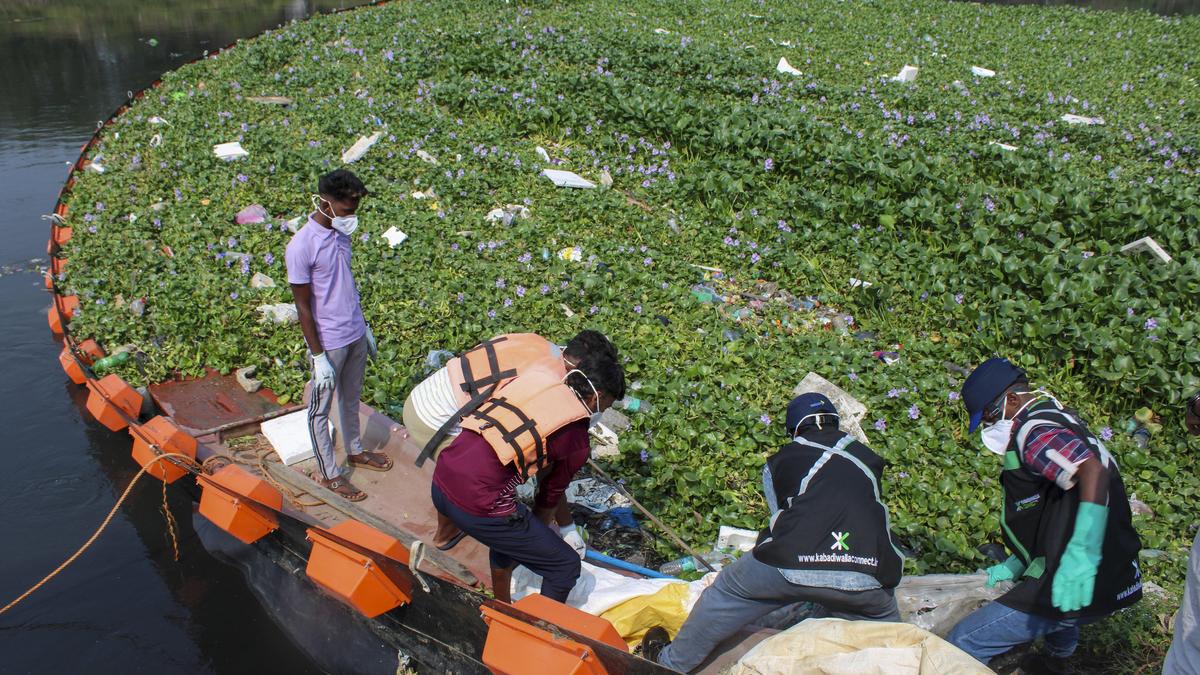
Various agencies, including waste management companies with support from the informal sector, have started creating infrastructure to prevent plastic pollution in waterways of the city, following approval from the Greater Chennai Corporation (GCC) and the Water Resources Department.
The pilot project to install a trash barrier at Buckingham Canal to collect waste was launched on Tuesday. The infrastructure has been designed to intercept plastics before they reach the sea by working with neighbourhood scrap shops and waste-pickers and integrating them into trash boom operations and recycling systems.
The project is expected to be expanded to other parts of the city. According to estimates, banned plastics constituted more than 50% of the five tonnes of trash trapped in the trash barrier in a period of two days. The project has been funded by Danida green business partnerships, an agency of the Danish Ministry of Foreign affairs developed and implemented by Ocean Plastic Forum, Kabadiwalla connect and Gleco.
Trash boom barriers being installed in storm-water drains to prevent plastic entering rivers
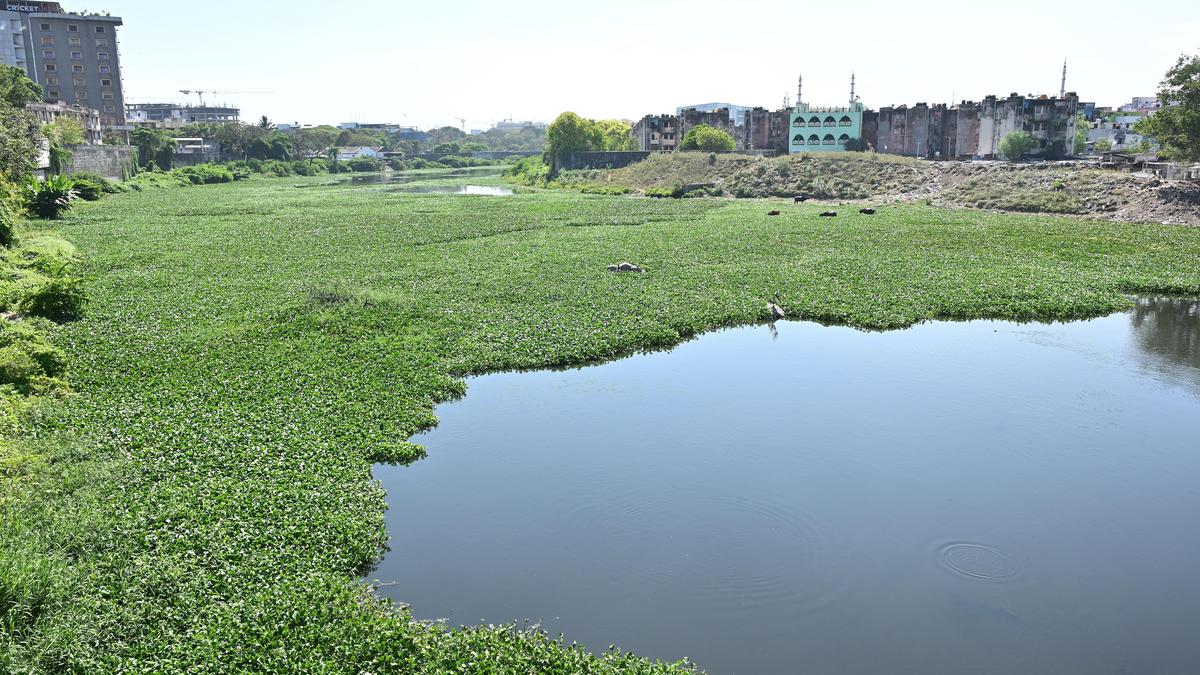
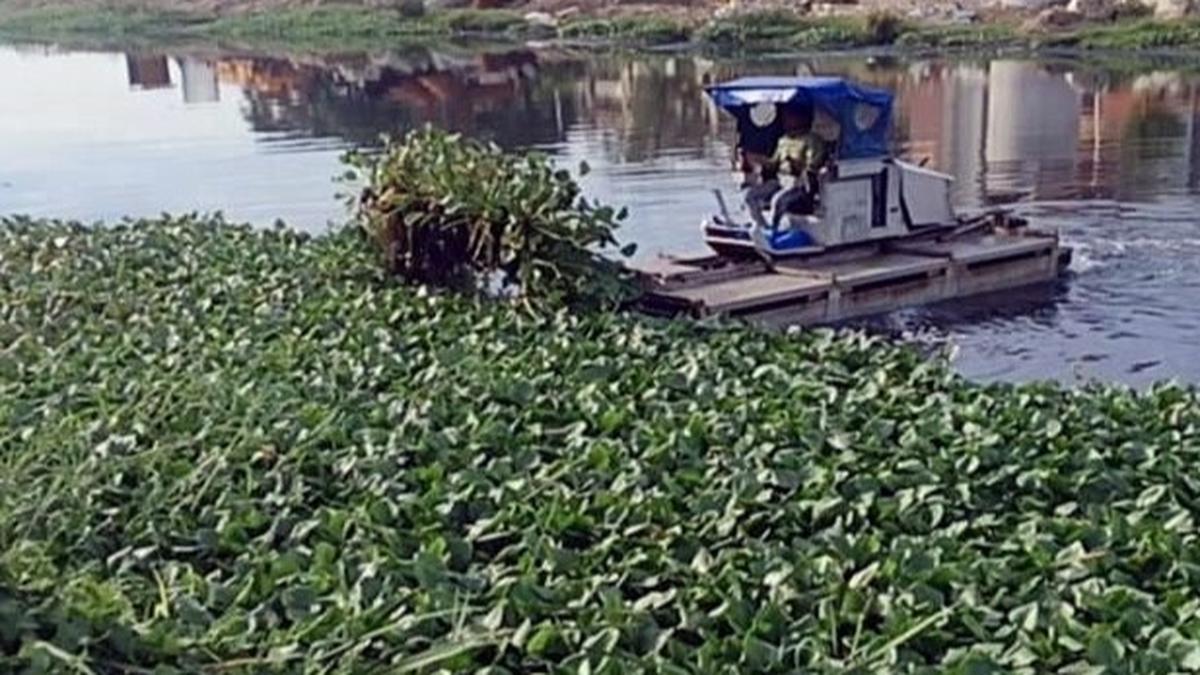
Swathi Lakshmi, Research Manager, Kabadiwalla Connect, said institutions such as Anna University were studying how to utilise various materials collected by the trash barrier. “This project is different from the trash barrier created by GCC. It involves the informal sector. In addition to plastic waste, we have collected water hyacinth. Research institutions are studying how to use the fibre from water hyacinth before disposing of the waste in the GCC landfill. We have obtained permission from the Chennai Corporation to dispose of the waste in the landfill. We have roped in the informal sector and residents’ associations to successfully intercept plastic before it reaches the sea by working with neighbourhood scrap shops and waste-pickers and integrating them into trash boom operations and recycling systems. In 2017, we identified 2000 scrap shops in the city. The number has increased now,” she said.