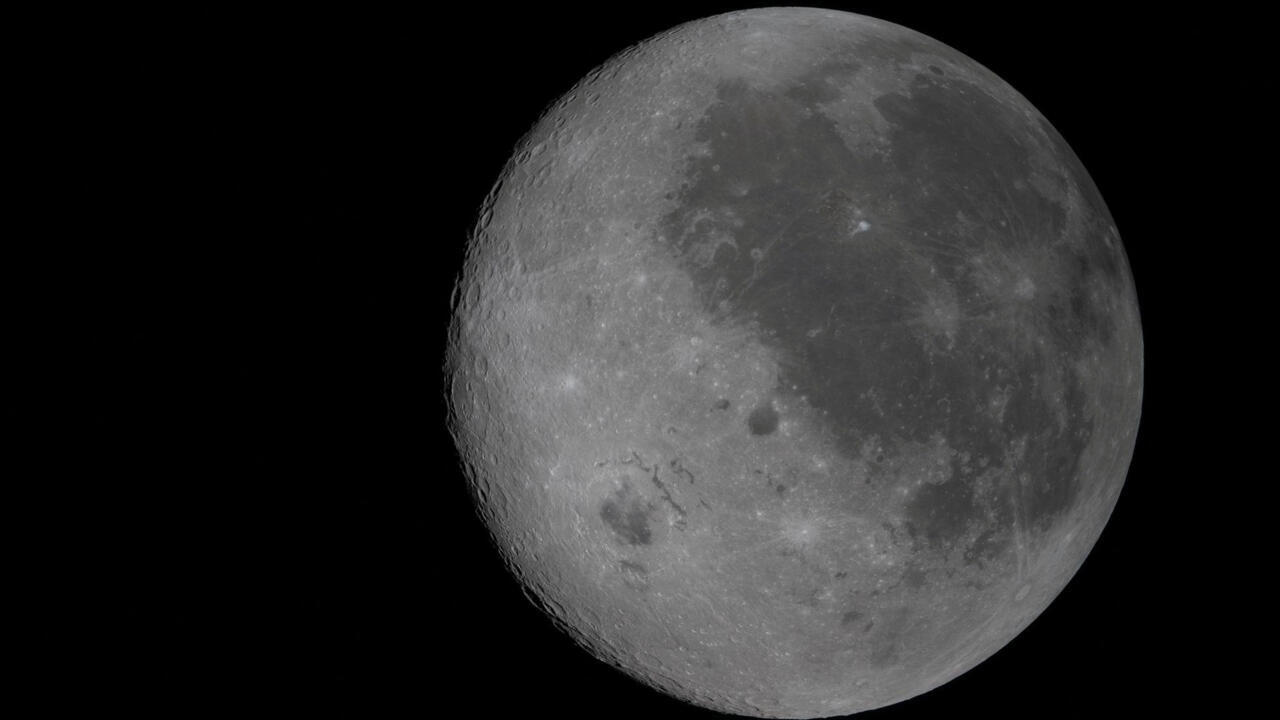
Jan. 27 (UPI) -- When Apollo 13 looped around the moon in April 1970, more than 40 million people around the world watched the United States recover from a potential catastrophe. An oxygen tank explosion turned a planned landing into an urgent exercise in problem-solving, and the three astronauts on board used the moon's gravity to sling themselves safely home. It was a moment of extraordinary human drama, and a revealing geopolitical one.
The Cold War space race was a two-player contest. The Soviet Union and the United States operated in parallel, rarely cooperating, but clearly measuring themselves against one another. By 1970, the United States had already landed on the moon, and competition centered on demonstrating technological capability, political and economic superiority and national prestige. As Apollo 13 showed, even missions that did not go as planned could reinforce a country's leadership if they were managed effectively.
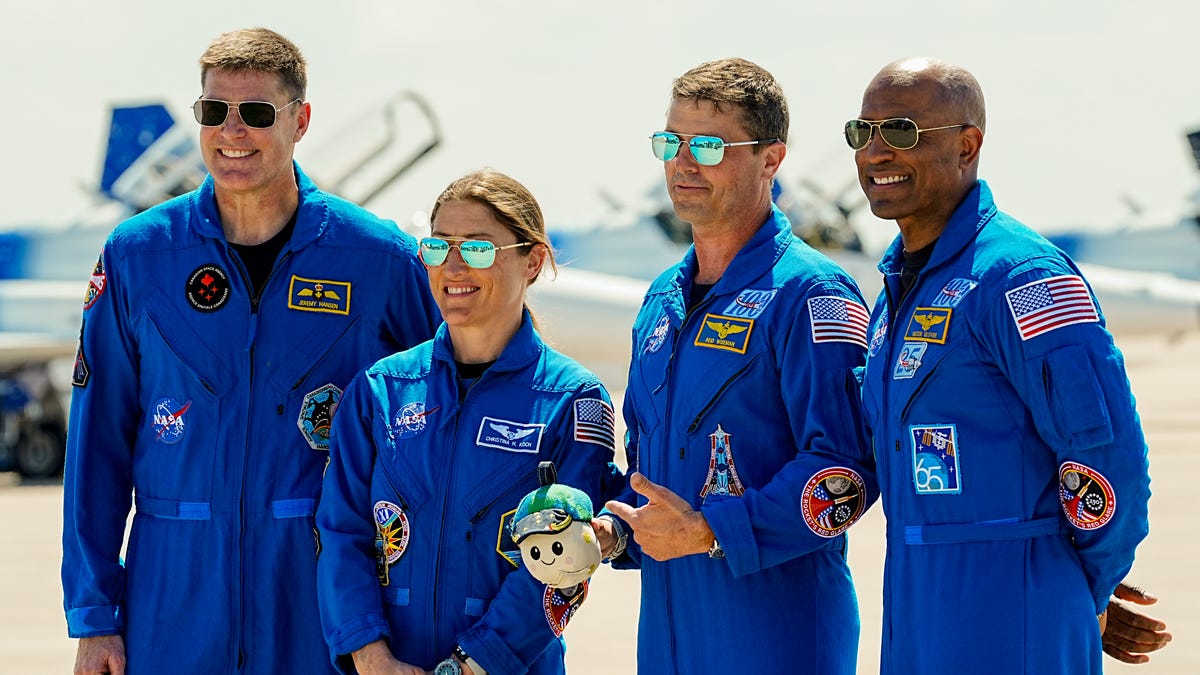
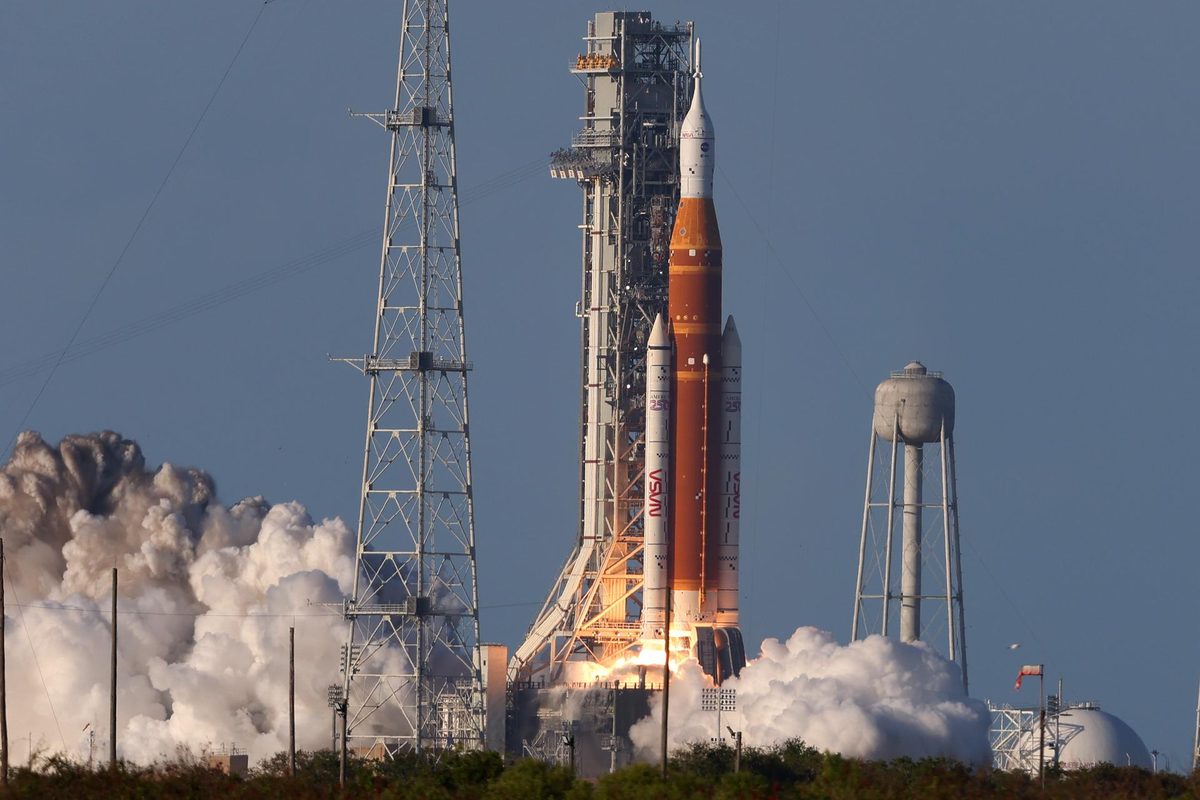
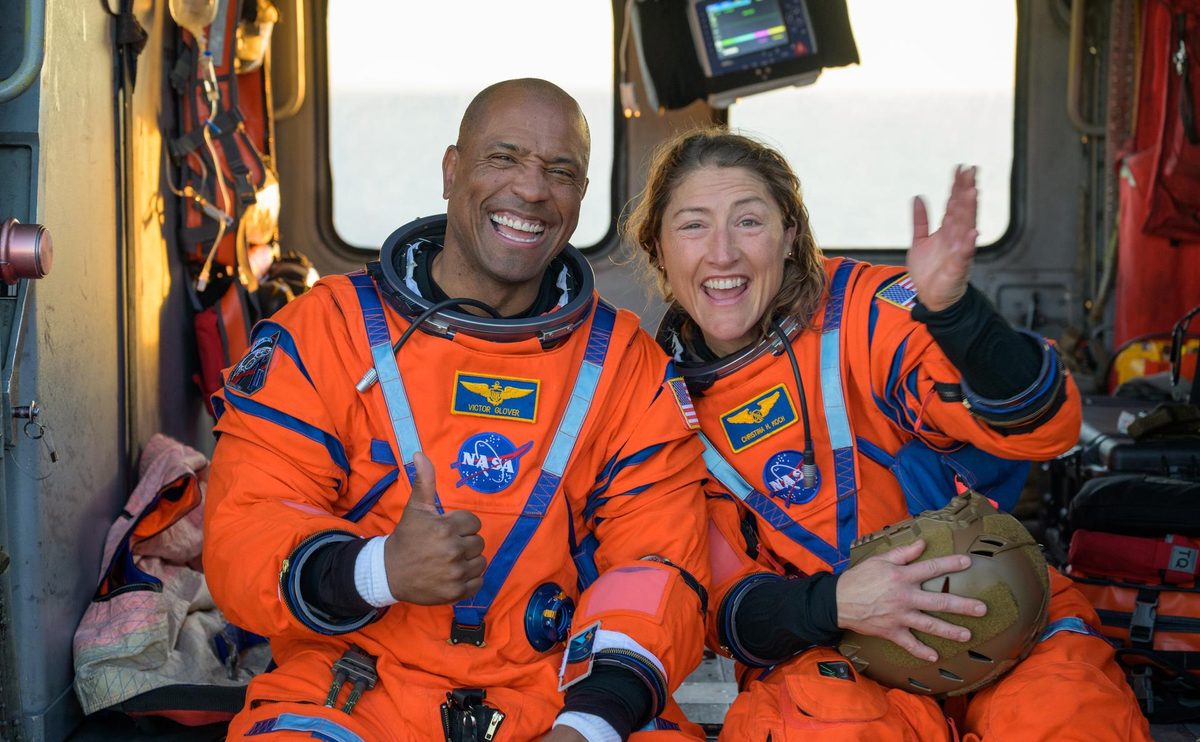
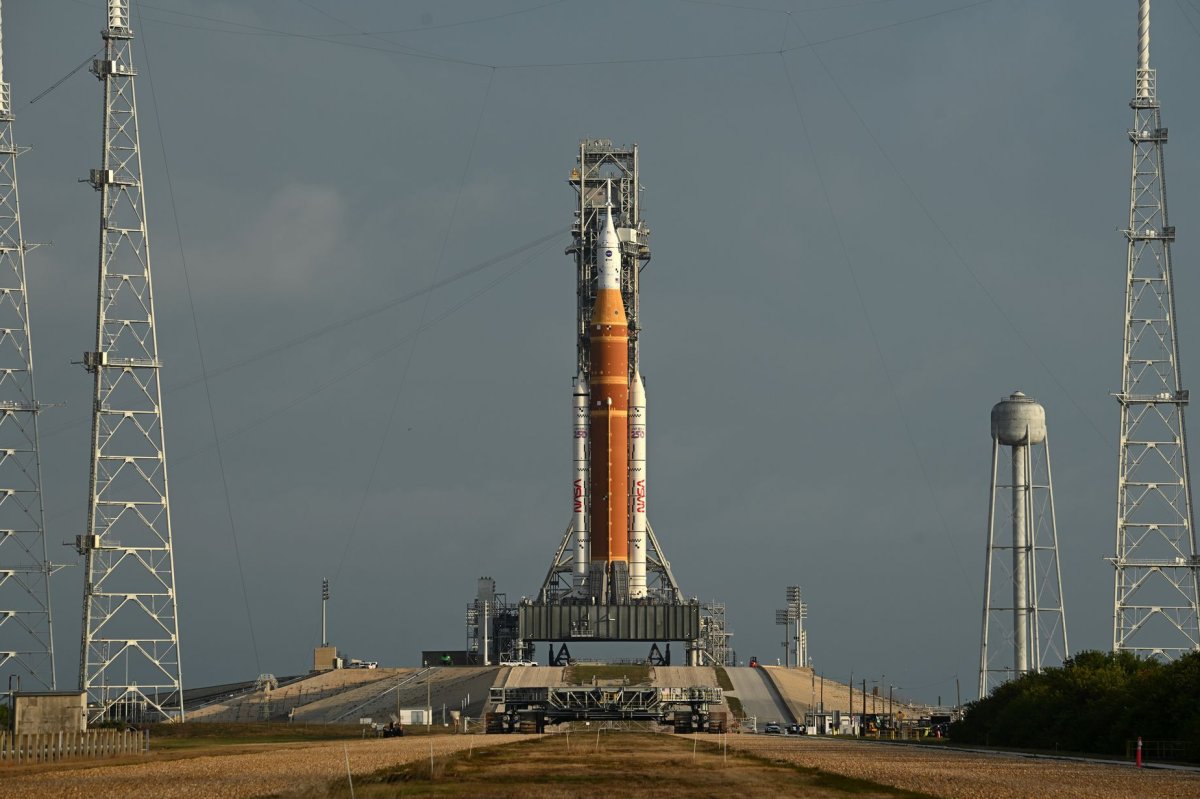
More than half a century later, NASA's Artemis II mission will send humans around the moon again in early 2026, this time deliberately. But the strategy going into Artemis II looks very different from that of 1970. The United States is no longer competing against a single rival in a largely symbolic race.