Frozen pipes in your home can be a minor inconvenience or an expensive catastrophe. In a best-case scenario, a frozen pipe may cause a brief interruption in your water supply — no big deal.
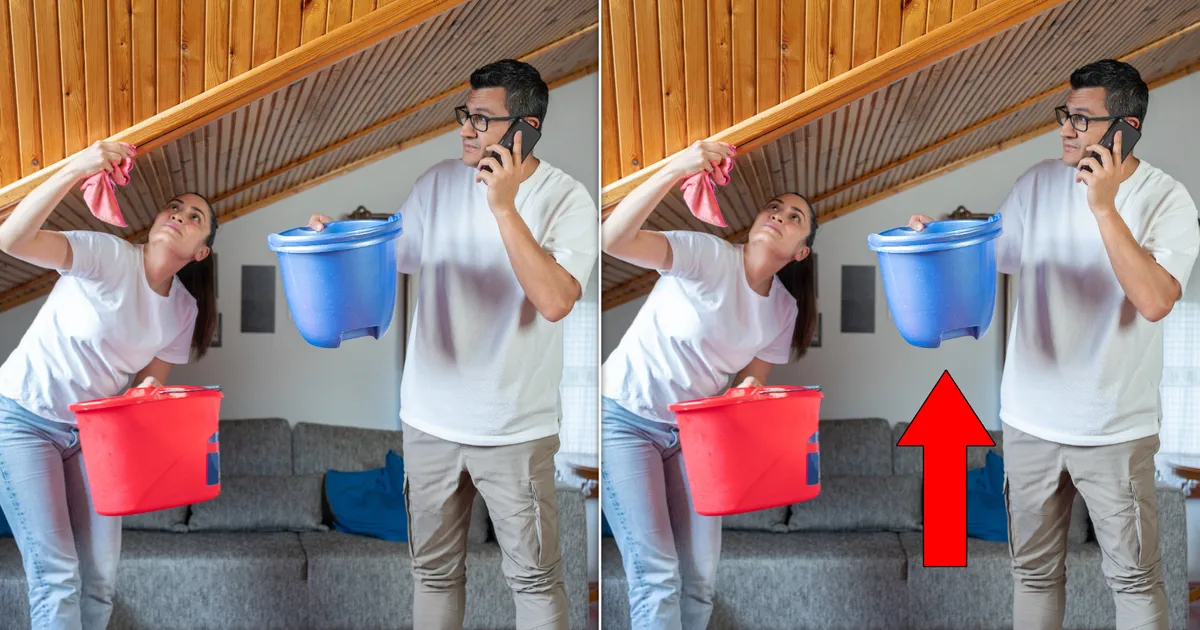
However, water expands when it turns to ice, and that pressure can cause a pipe to crack. If it does, you may be calling a plumber. And if the crack happens when you're away from home, you could be looking at thousands of dollars in water damage when the ice melts. There’s no doubt prevention is better than the cure.
Watch this video to learn how to prevent pipes from freezing in the winter.
It’s best to start thinking about protecting your pipes before temperatures dip. However, there’s no magic number at which your pipes will freeze. Generally, though, the risk increases when temperatures drop to around 20 degrees. Of course, the location of the pipes and the amount of insulation around them also factor in.
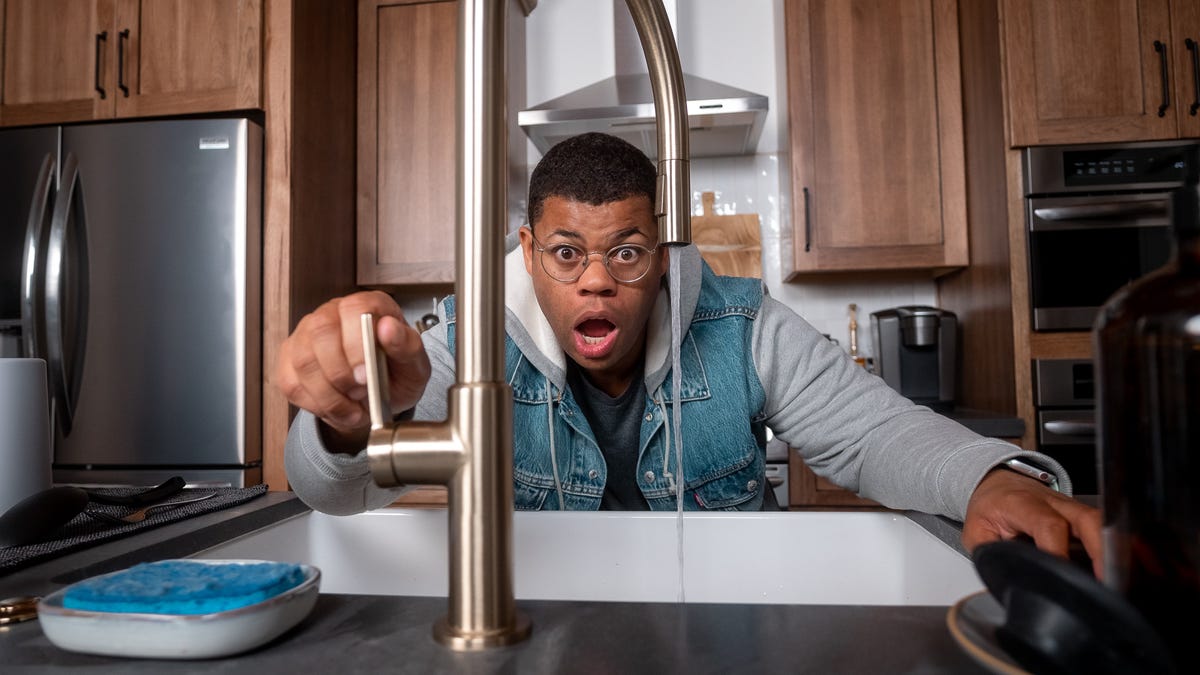
The simplest way to prevent your pipes from freezing is to keep the water moving. Once the mercury drops below 20 degrees, let your faucets drip cold water, especially overnight or if you won’t be home for an extended period. If you don’t want to run every faucet in your house, Mississippi State University's Extension for Real Life suggests dripping the faucet farthest from your water meter to keep water moving through your home.