ByJim Gorzelany,
Senior Contributor.
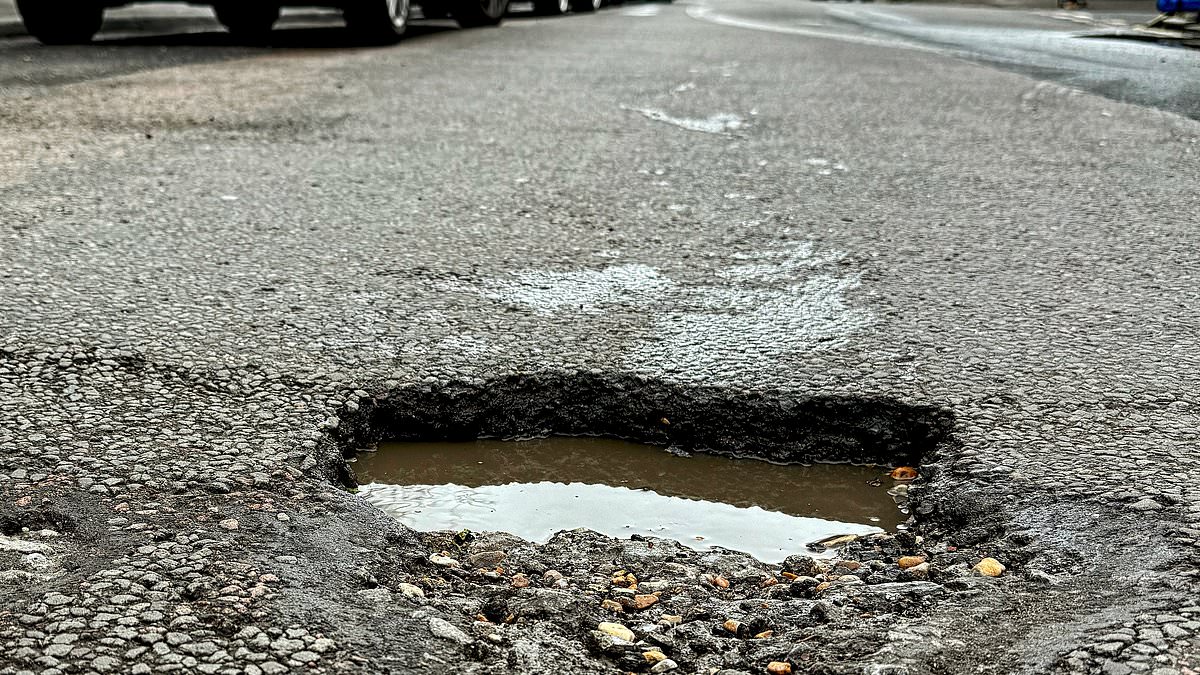
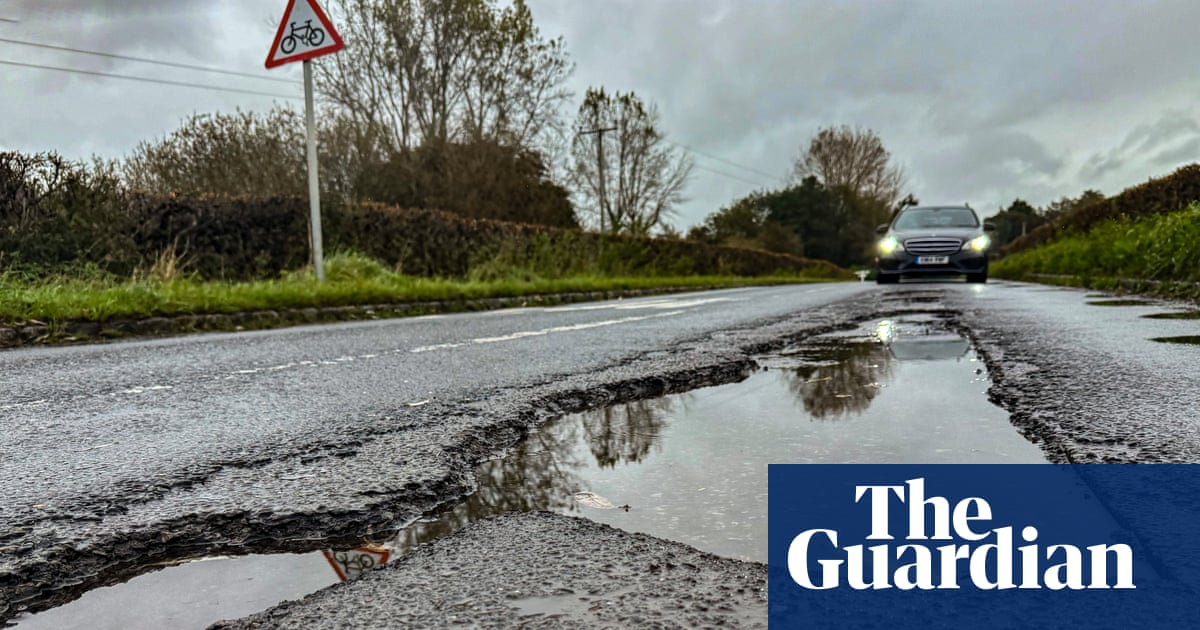
One of the most bothersome legacies of winter weather that a wide swath of the U.S. is encountering this week is a preponderance of potholes. Those roadway cavities, caused most often by seasonal freeze-thaw cycles and/or heavy rains, can make even the smoothest-riding luxury car jump and jolt like a Jeep Wrangler traversing a rock-strewn trail.
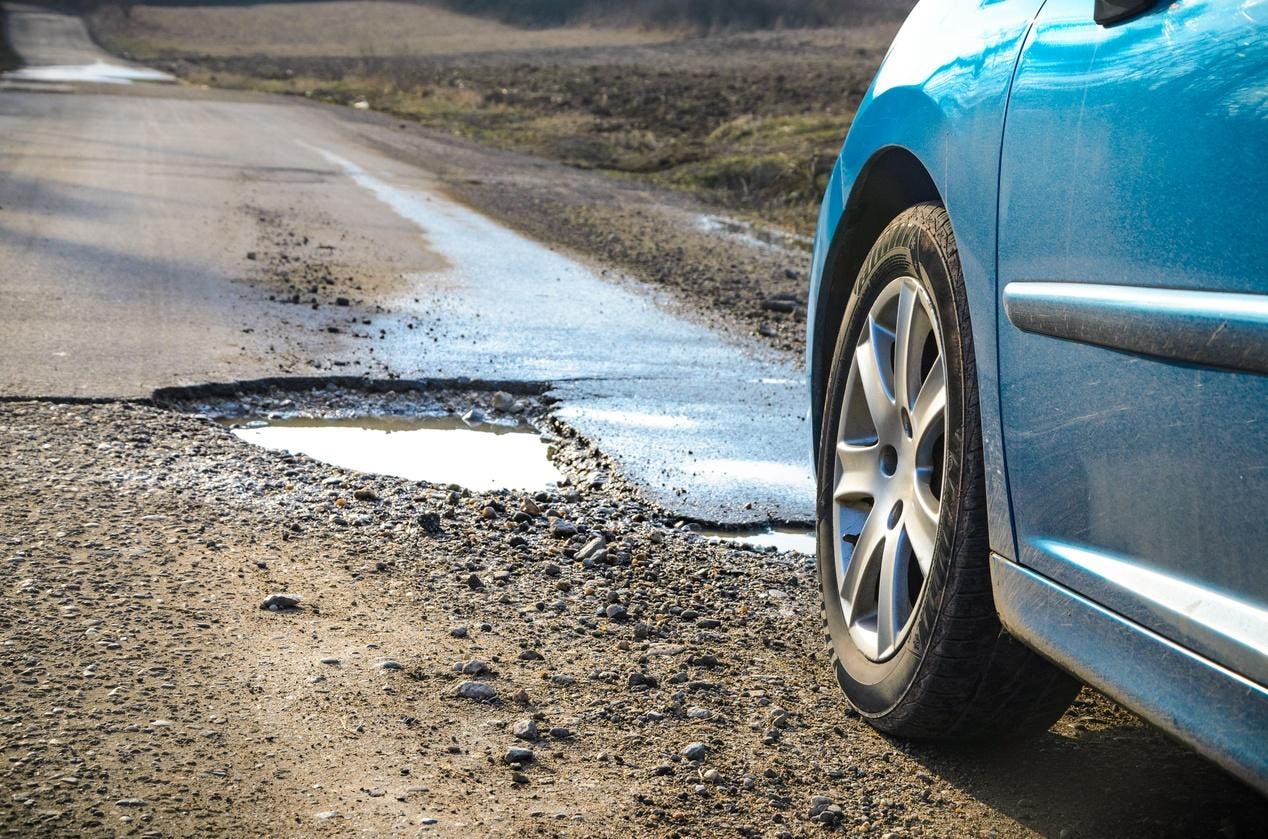
Worse, the AAA says potholes are responsible for $3 billion annually in vehicle damage. This includes blown tires, bent and/or misaligned wheels and both suspension and undercarriage damage from coming up too quickly on what are often hard-to-spot pavement irregularities. The term is said to date back to the Roman Empire when potters without the means to purchase clay would excavate divots from the era’s clay-surfaced roads.
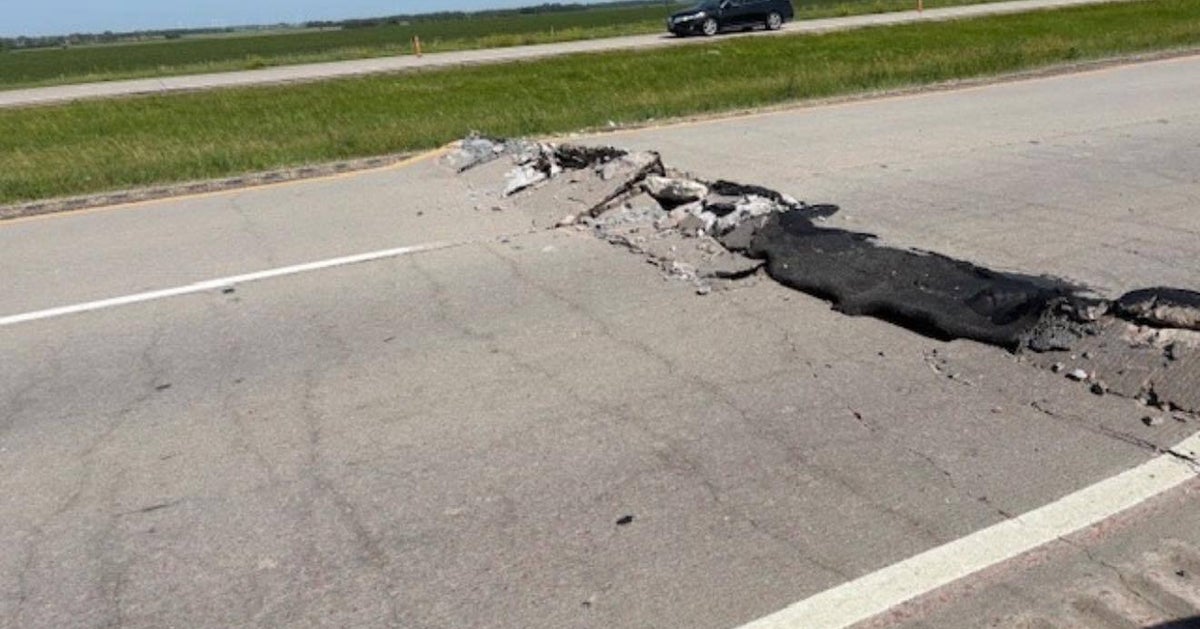
In modern times, a pothole is roadway damage that occurs when water seeps through the pavement and weakens the underlying soil. This in turn causes cracks that are exacerbated by cars and trucks and soon become deep divots. They’re especially prevalent on areas with dense traffic and with poor drainage, like dips in the road and passages under viaducts. Heavy trucks traversing residential and rural roads that were not originally engineered to support the weight of multiple-axle big-rigs can likewise accelerate pavement damage.