ByBernadette Boden Albala,
Contributor.
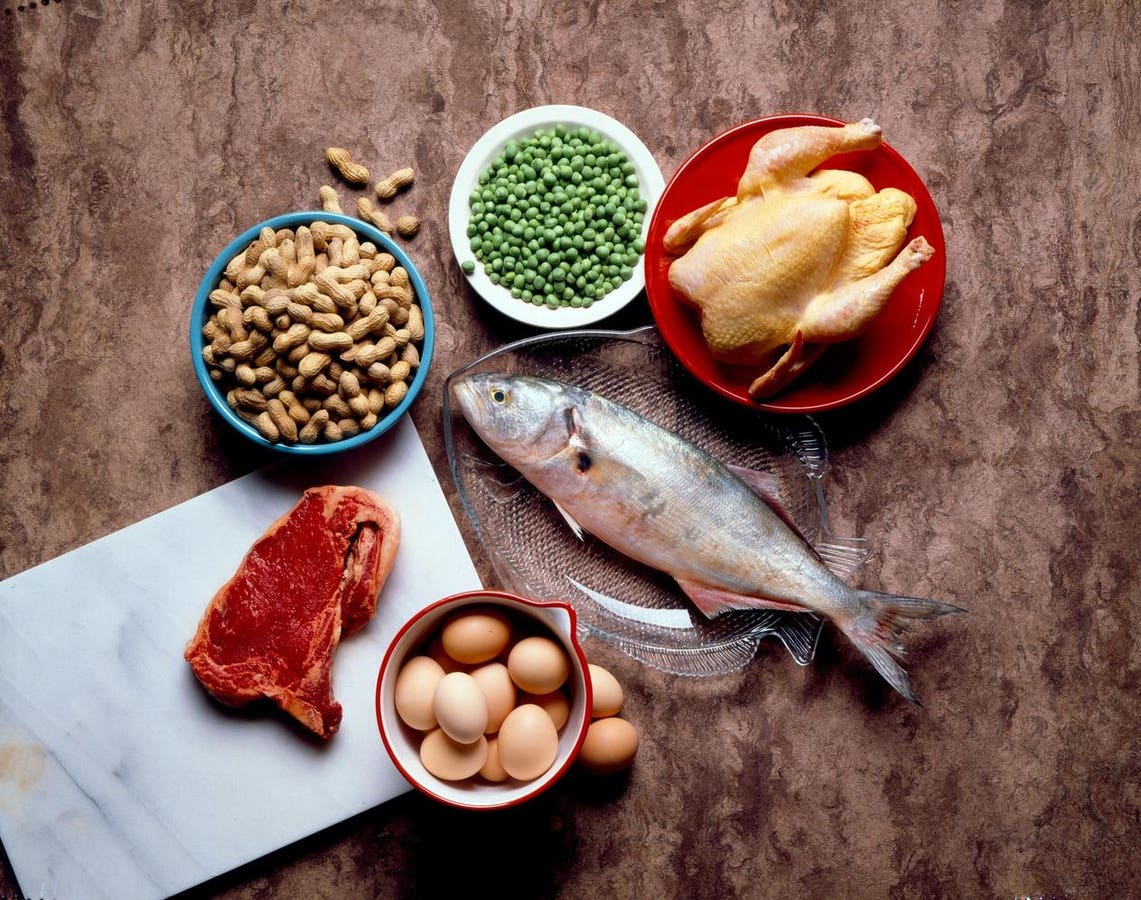
Few nutrition topics generate as much confusion as the topic of red meat. One week, headlines suggest we need more protein. The next, studies warn of links between red meat and heart disease. The new federal dietary guidelines, released two weeks ago, encourage higher protein intake, with a strong emphasis on red meat, while also advising Americans to limit their intake of saturated fat — an inherent contradiction, since red meat is a major source of both. It’s no wonder the public is left asking: Should we be eating more red meat or less?
As a public health practitioner and dean of a school of public health filled with nutrition scientists, health policy experts, epidemiologists and researchers who specialize in chronic disease, I don’t need to be a nutrition specialist to know the answer to the question is clear. For both health and health equity, we should reduce red meat consumption and replace it with healthier, more affordable protein options.
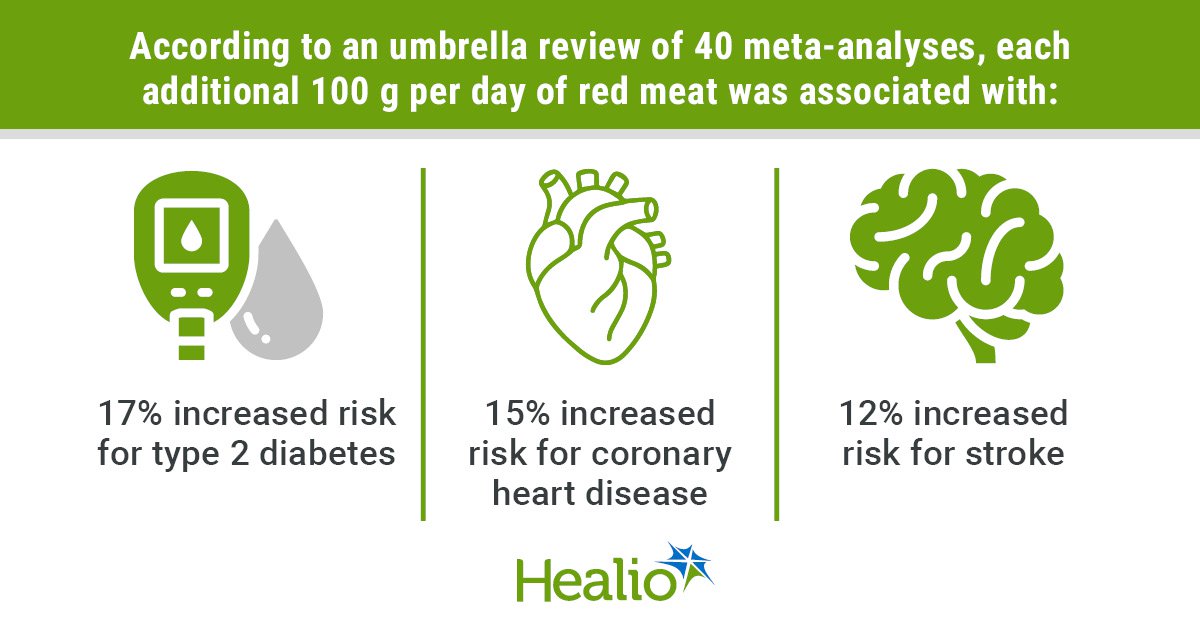
The reality is that most Americans already consume more red meat than recommended. Decades of research show that high consumption of red and processed meat is associated with increased risk of heart disease and Type 2 diabetes. That conclusion is reinforced by large-scale global evidence, including a recent meta-analysis collecting data from more than 6 million adults, which found that even modest daily increases in red or processed meat intake were linked to significantly higher risk of cardiovascular disease and diabetes.