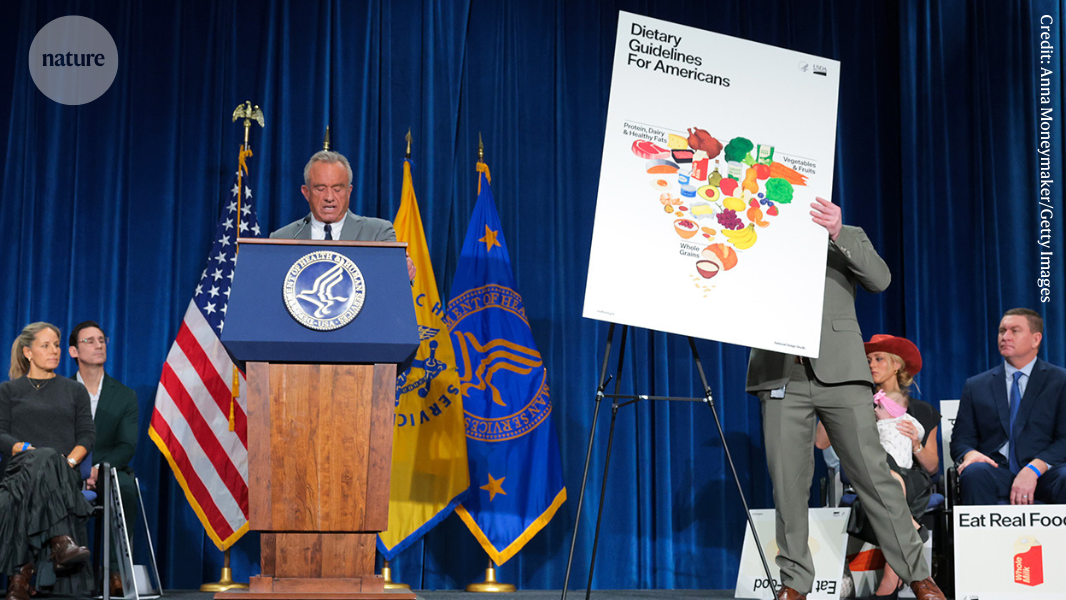
The “Make America Healthy Again” movement has already made sweeping changes to what consumers see at the grocery store. The Department of Health and Human Services last year announced plans to phase out artificial dyes, and major brands have followed suit: Campbell’s and General Mills have pledged to eliminate certain color additives from their snacks and cereals. PepsiCo offers “Simply NKD” versions of Doritos and Cheetos, which are colorless, dye-free alternatives to their neon orange counterparts.
But the implementation of updated dietary guidelines from HHS, introduced earlier this month, may make it harder for many Americans to abide by what the agency has deemed to be healthy. Economists and public health experts warned many of its recommendations are prohibitively expensive for lower-income Americans, laying bare how the K-shaped economy—of the rich thriving while the poor struggle—has found its way into pantries and fridges.
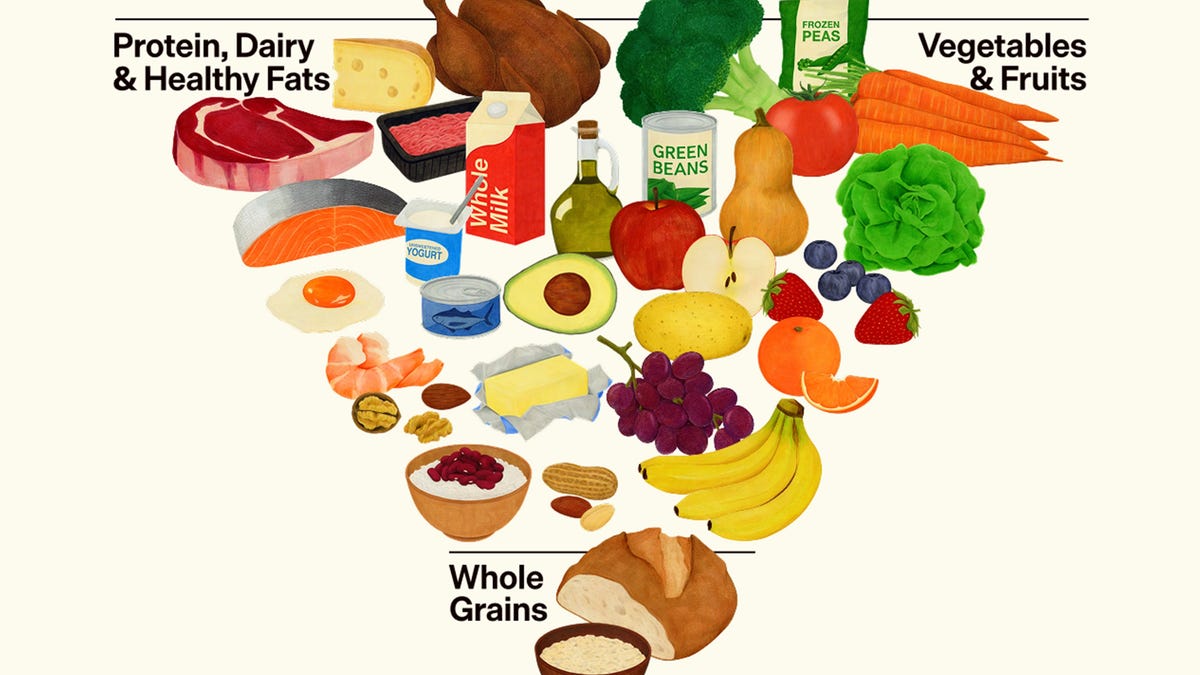
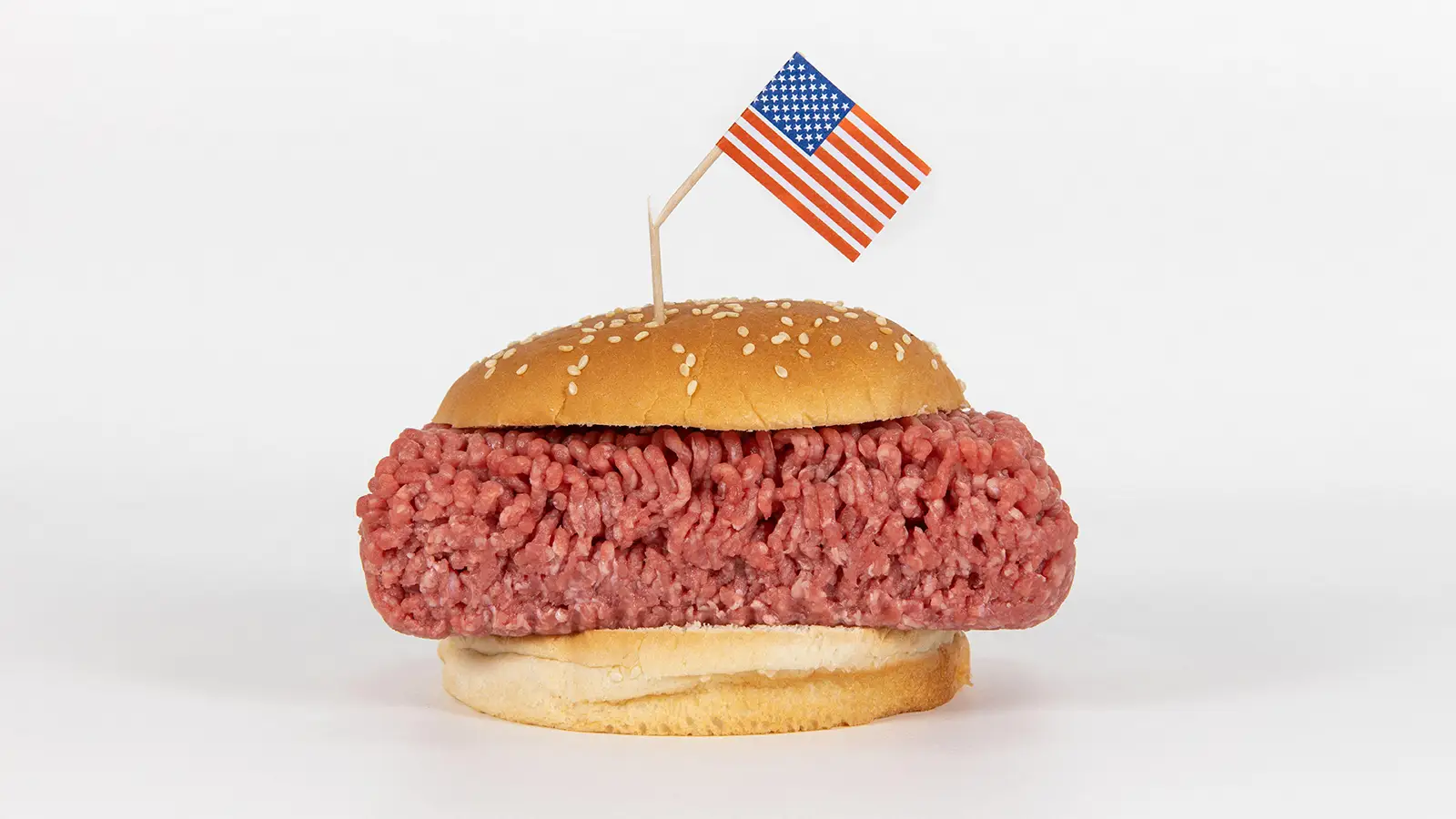
Like its 2025 predecessor, the updated guidelines prioritize less-processed foods, but now emphasize pricier red meat and whole-fat dairy products over plant-based diets. The new guidance also discourages more processed grain products such as white bread, crackers, and packaged breakfast items that many lower-income households rely on to fulfill their dietary needs.