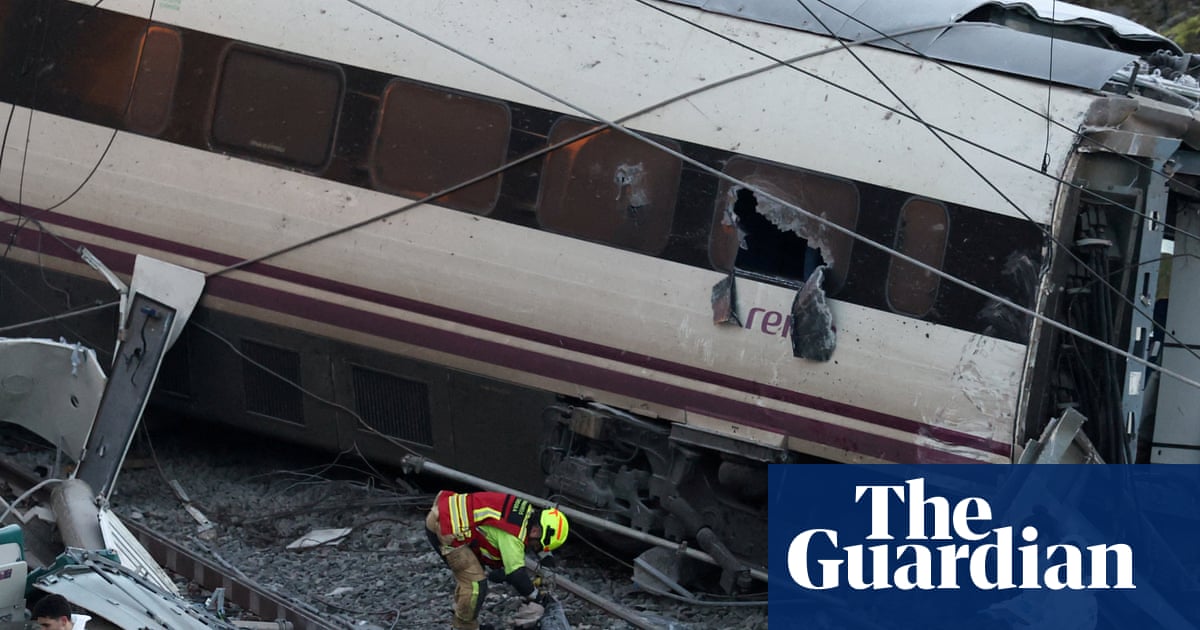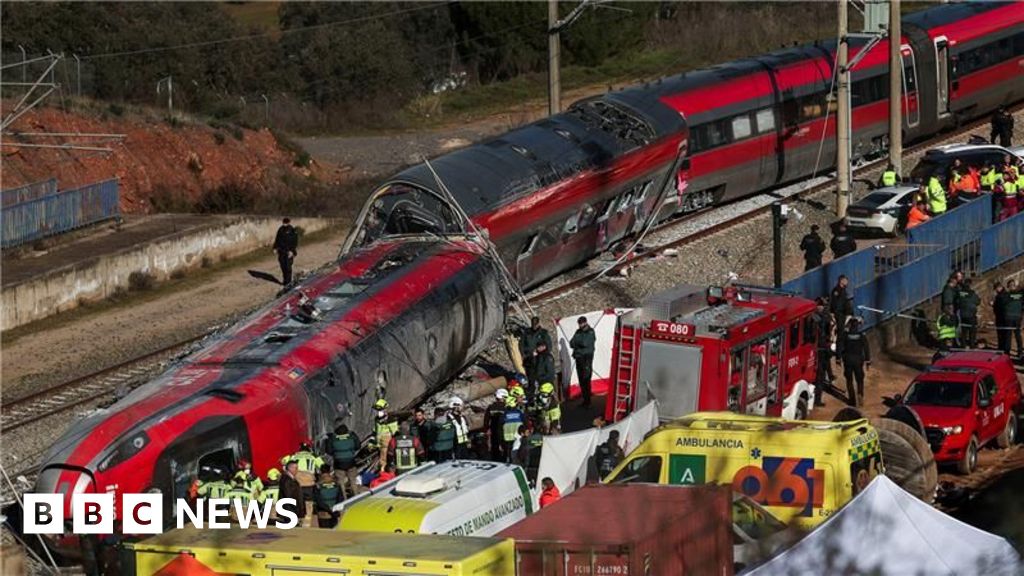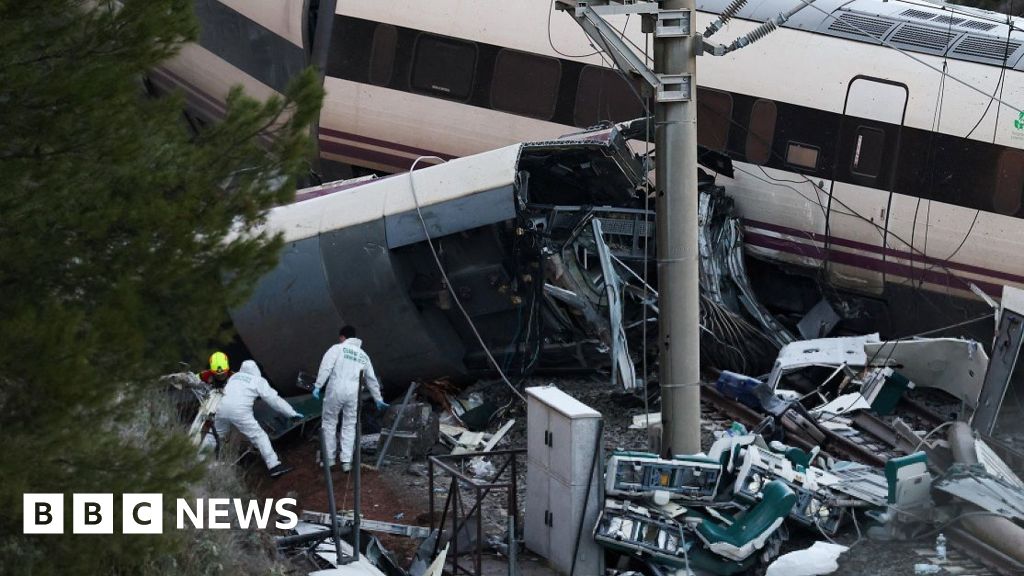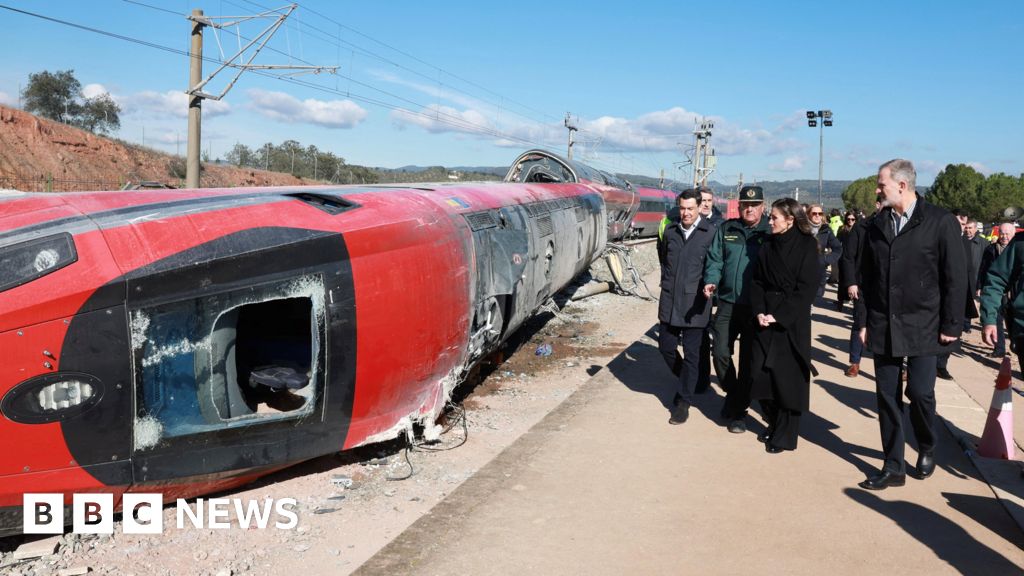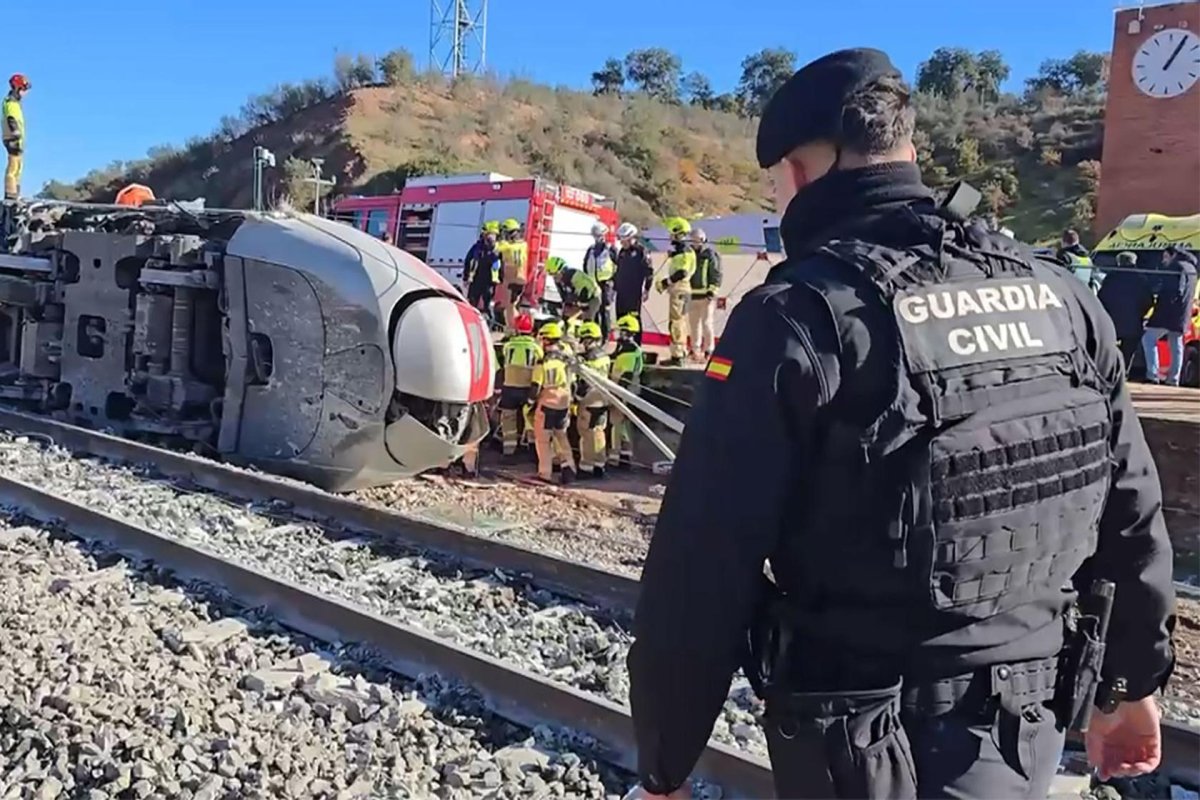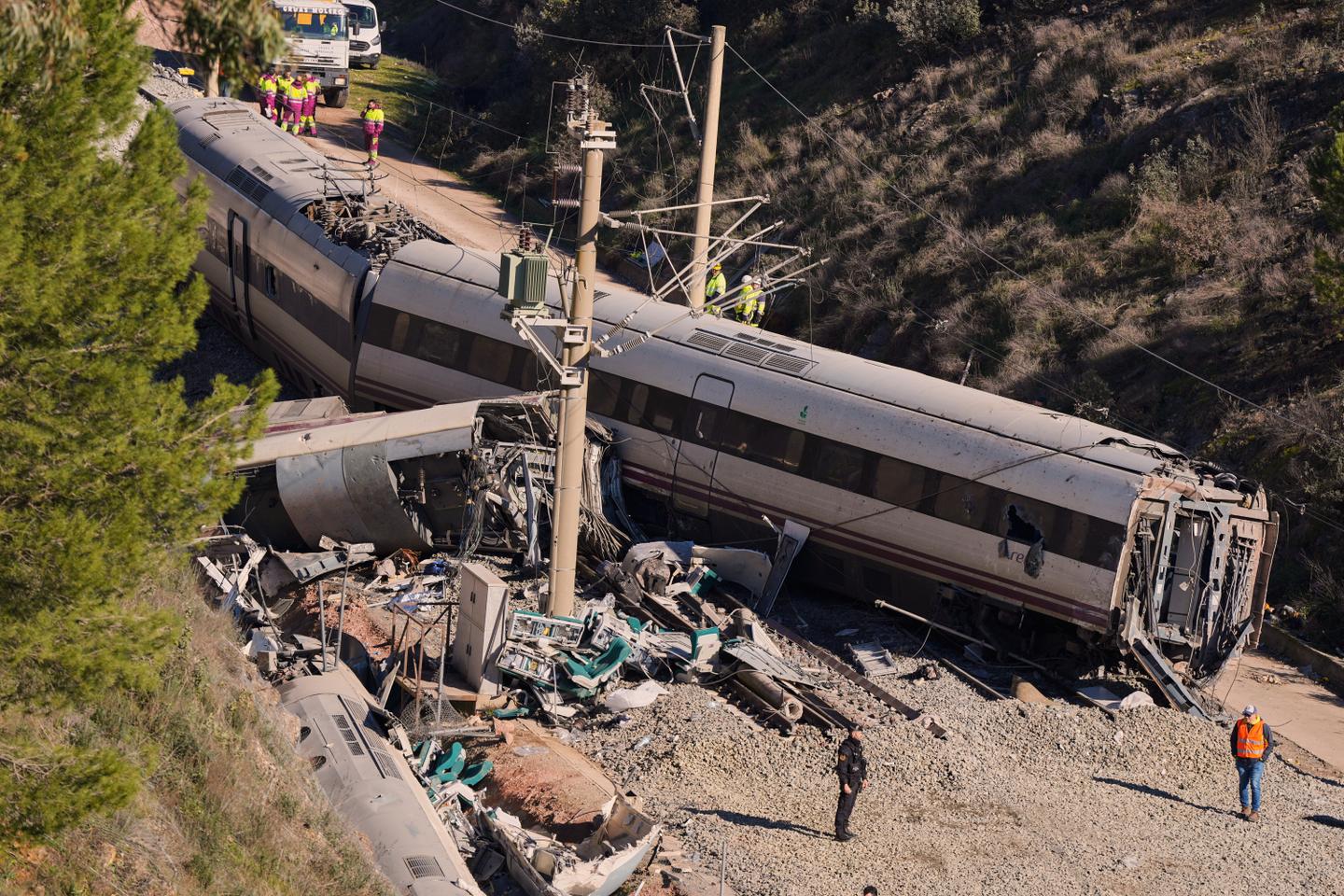
Civil officers collect evidence next to the wreckage of train cars involved in a collision in Adamuz, southern Spain, January 20, 2026. MANU FERNANDEZ / AP
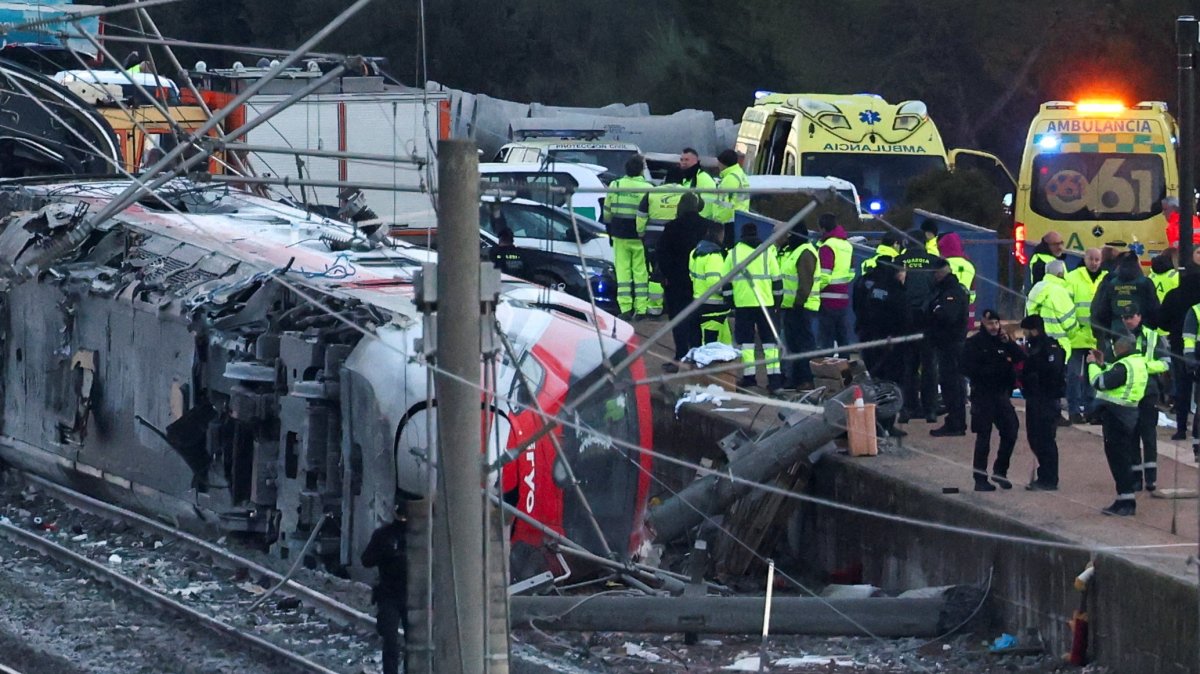
An investigation into last weekend's high-speed train collision in Spain that killed 45 people suggests the track was cracked before the catastrophe, according to a preliminary report published on Friday, January 23. The disaster struck in the southern region of Andalusia on Sunday evening, when a train run by private firm Iryo derailed and crossed onto the adjacent track, smashing into an oncoming service operated by state company Renfe.
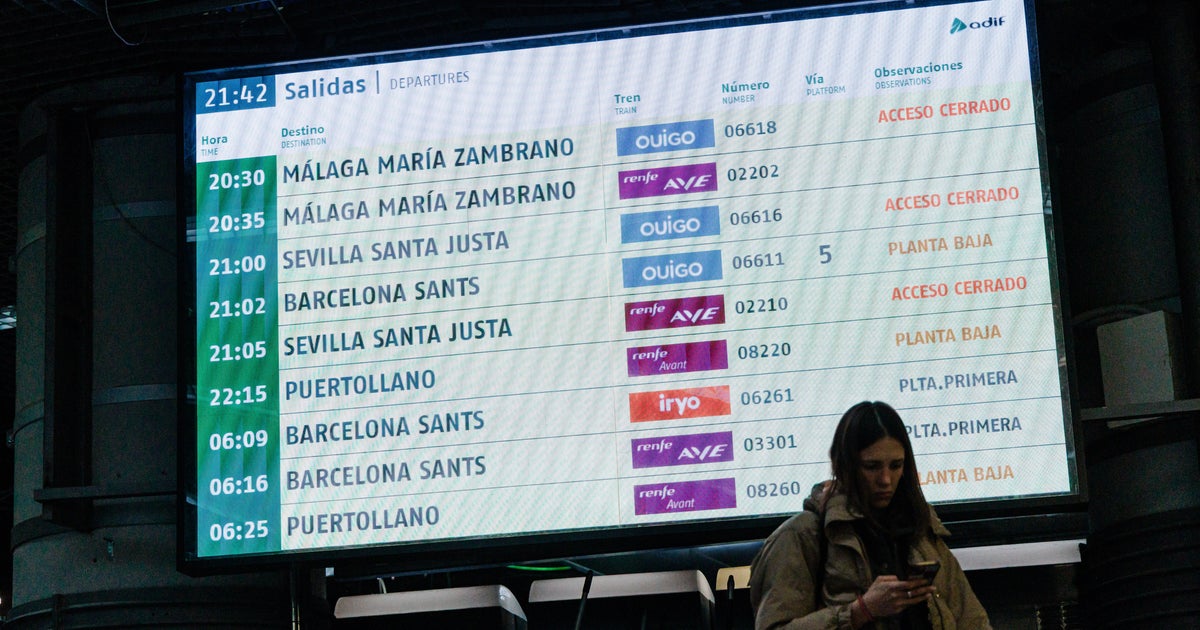
The shell-shocked country is searching for answers to one of Europe's deadliest such accidents this century, which has raised doubts about the safety of the world's second-largest high-speed rail network.
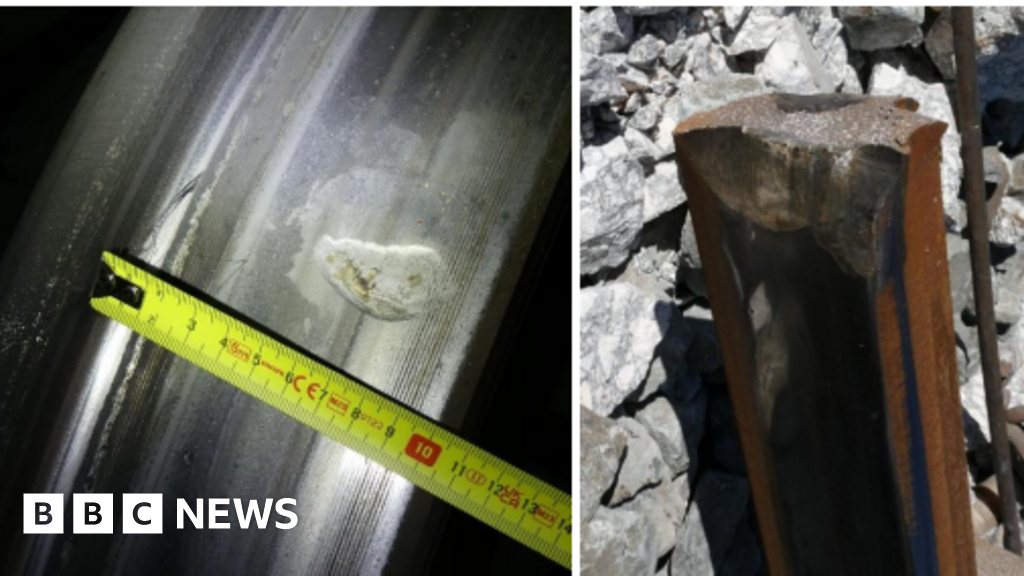
An inspection of the Iryo train "detected notches in the tread of the right-sided wheels" of four carriages, said the preliminary report by the CIAF rail accident investigation committee. "These notches in the wheels and the deformation observed in the track are compatible with the fact that the track was cracked," it wrote in what it called a "working hypothesis."
Notches "with a compatible geometric pattern" were also found on the right-sided wheels of three other trains that had traveled on the same track in the hours before the accident, the CIAF added. Based on the available information, "we can put forward the hypothesis that the cracking of the track took place before the passage of the Iryo train that suffered the accident, and therefore before the derailment," it wrote, adding that "this hypothesis (...) must be corroborated by later detailed calculations and analysis."