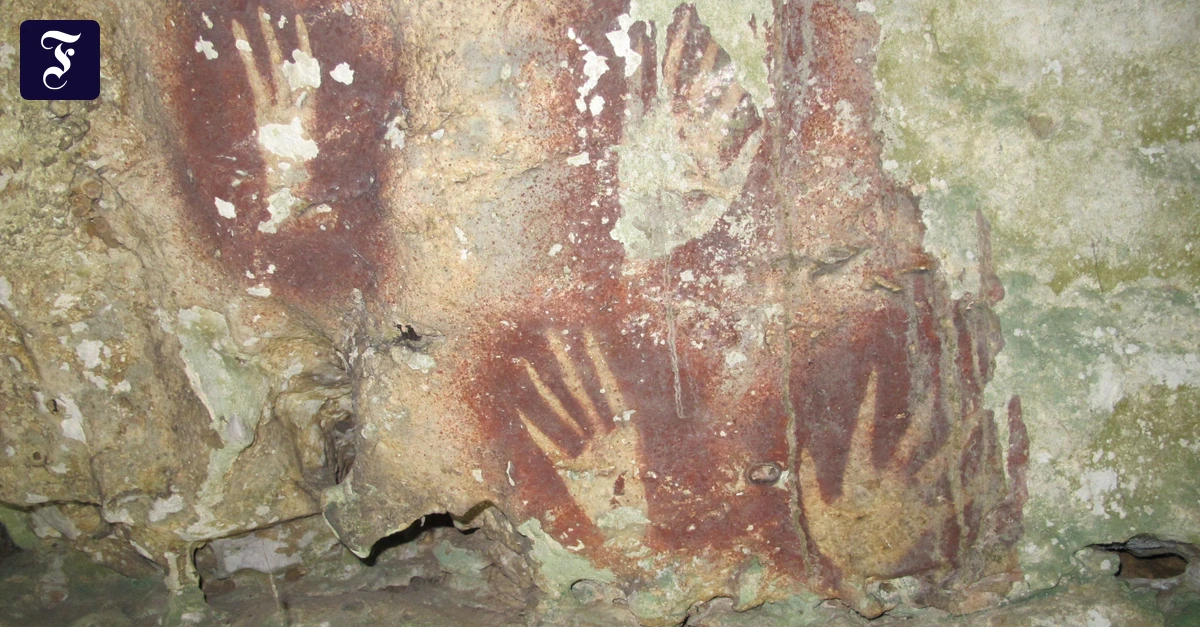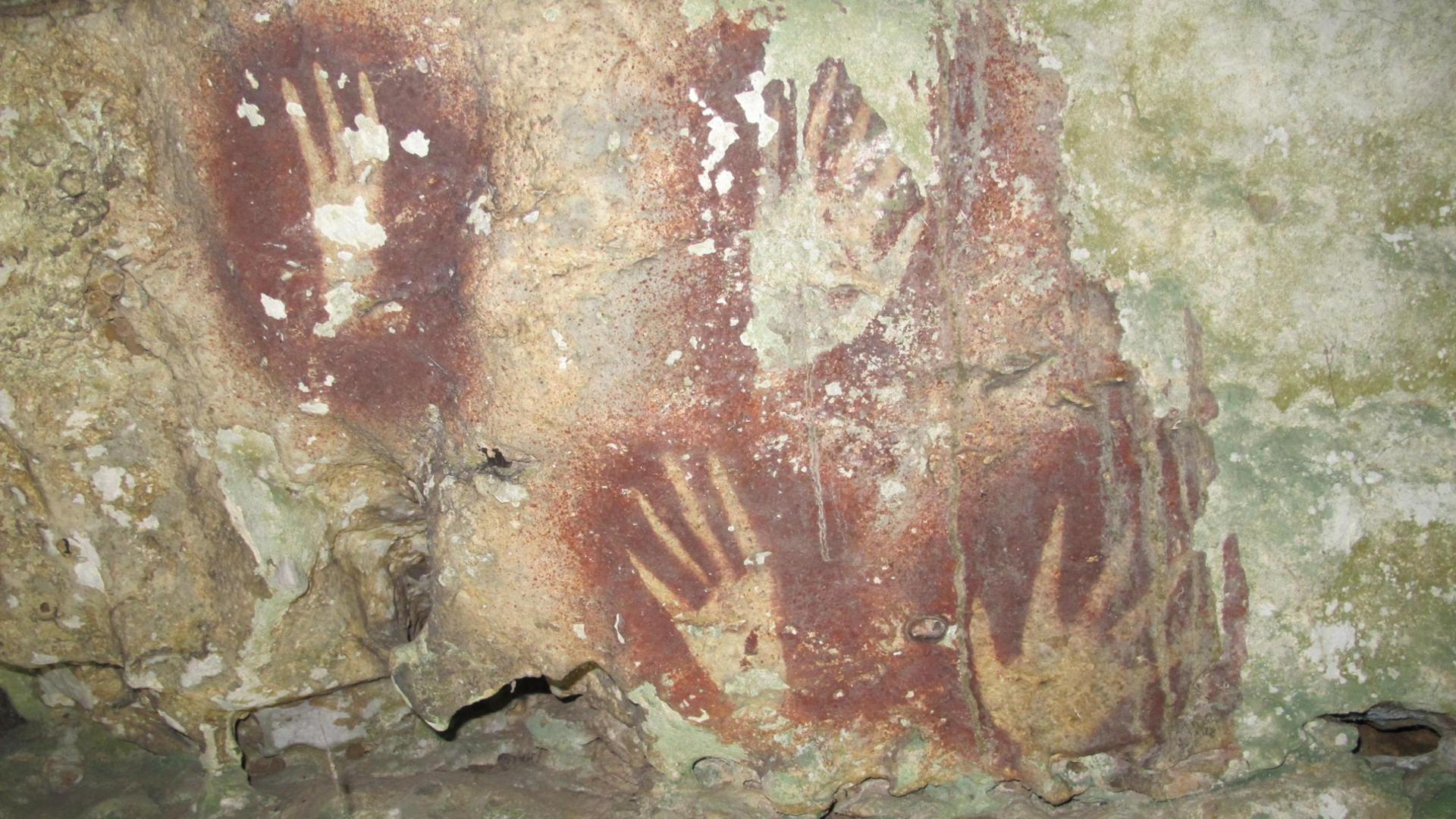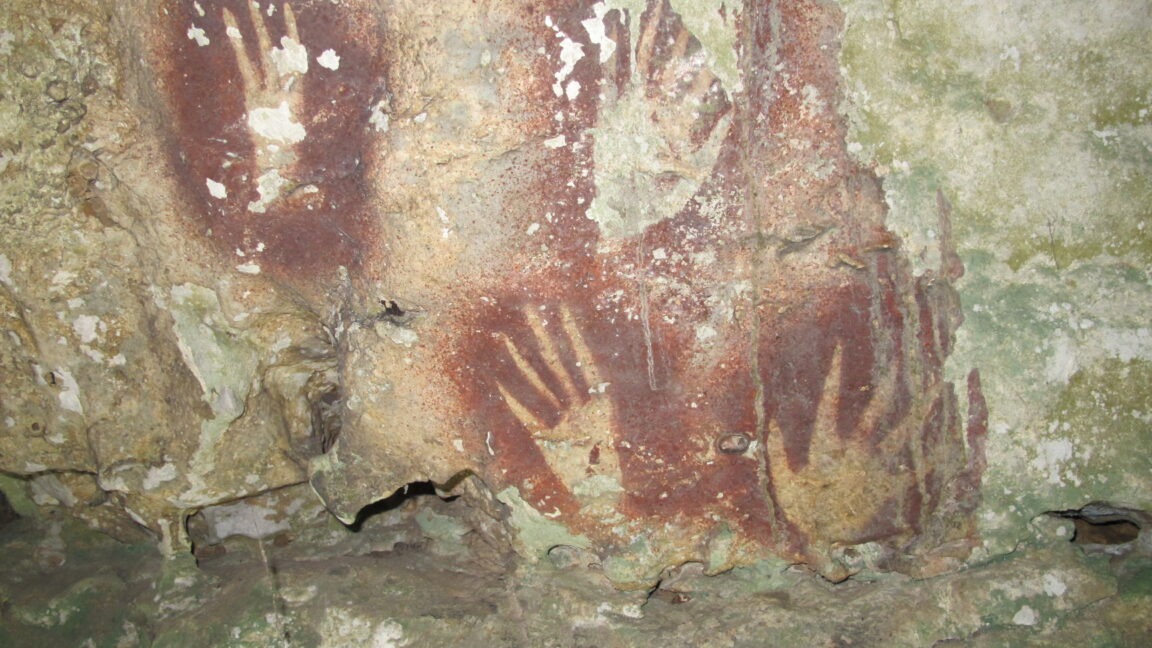
JAKARTA: Hand stencils found in a cave in Indonesia’s Sulawesi are the world’s oldest known artworks, Indonesian and Australian archeologists have said in a new study that dates the drawings back to at least 67,800 years ago.
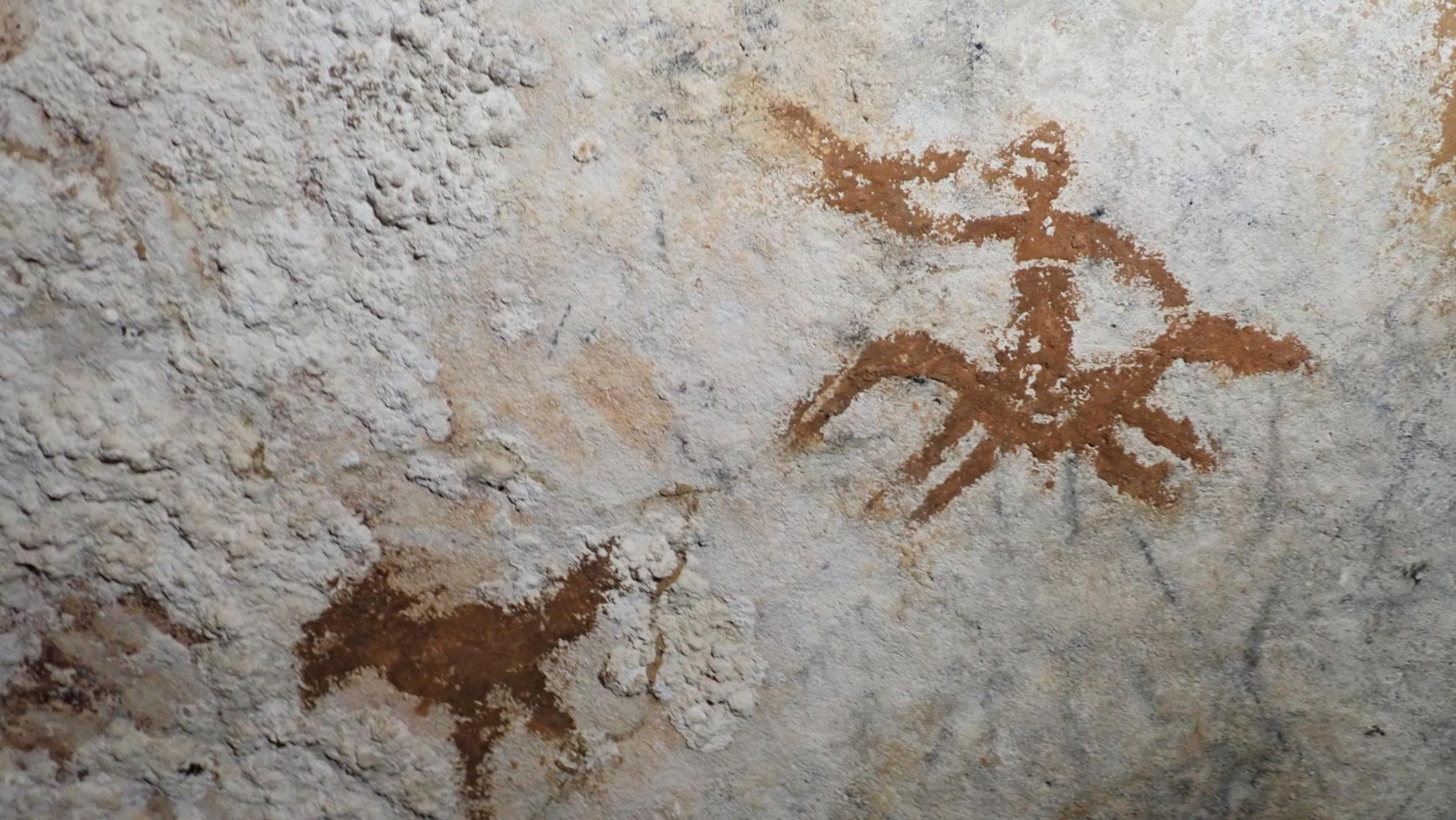
Sulawesi hosts some of the world’s earliest cave art, including the oldest known example of visual storytelling — a cave painting depicting human-like figures interacting with a wild pig. Found in 2019, it dates back at least 51,200 years.
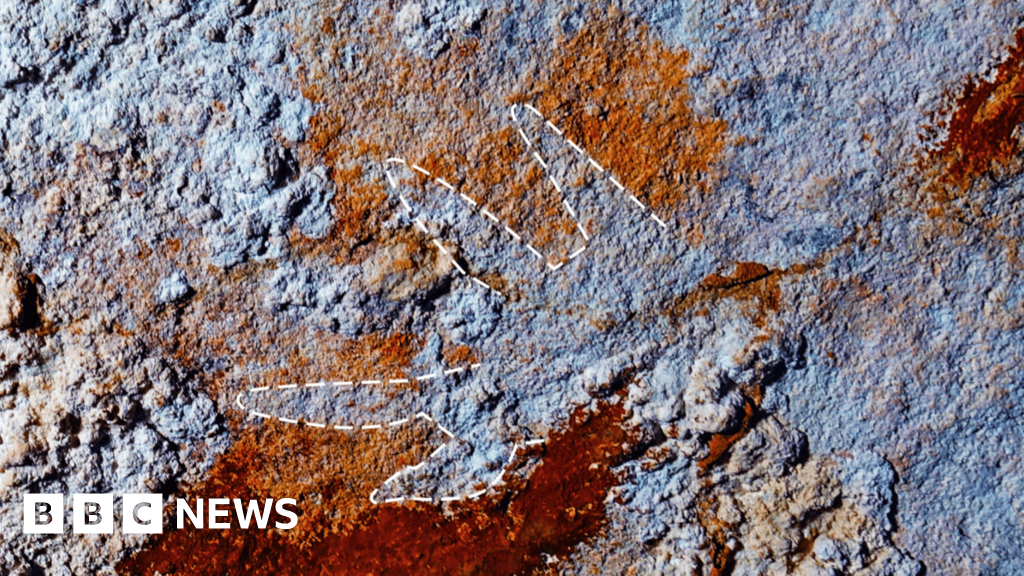
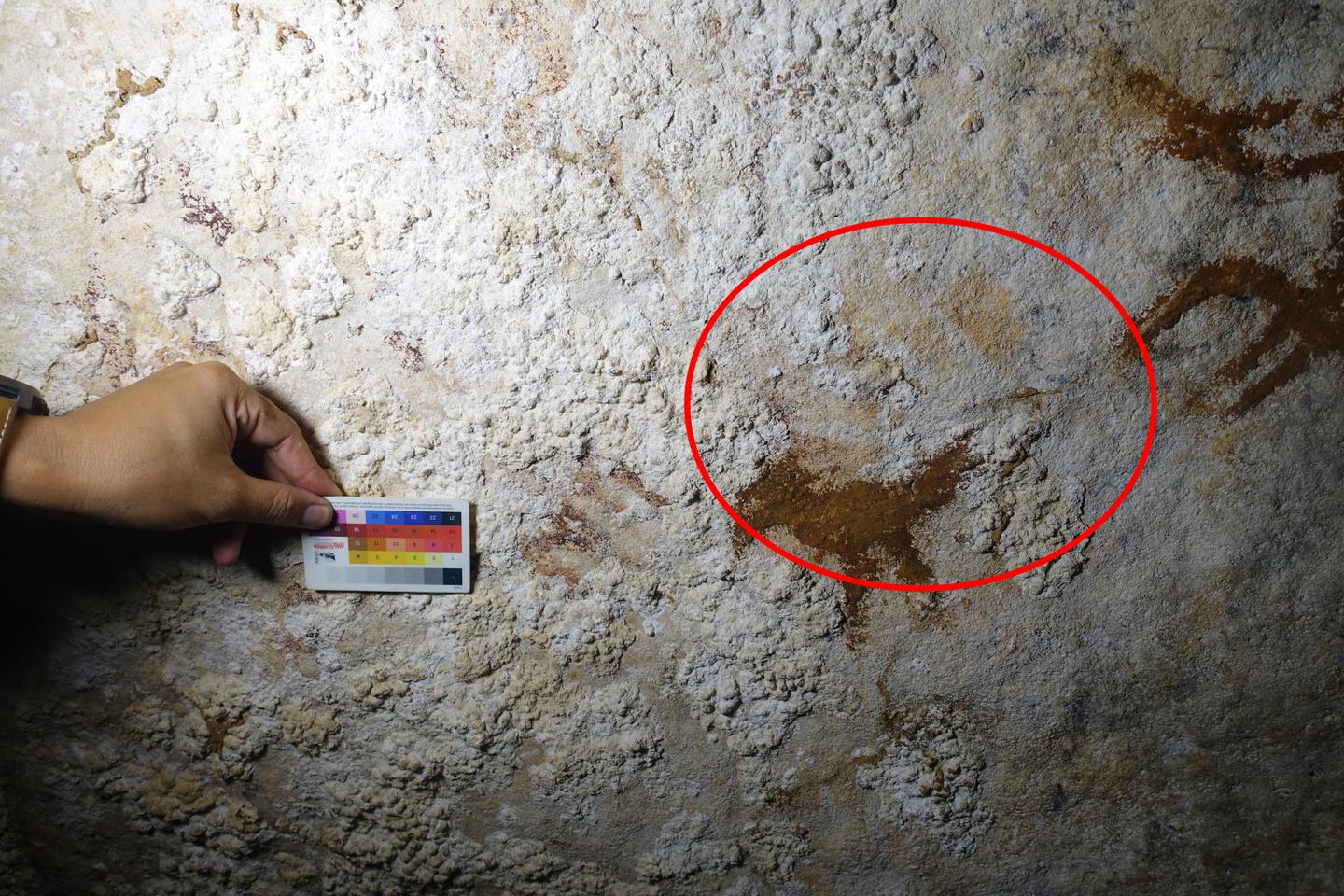
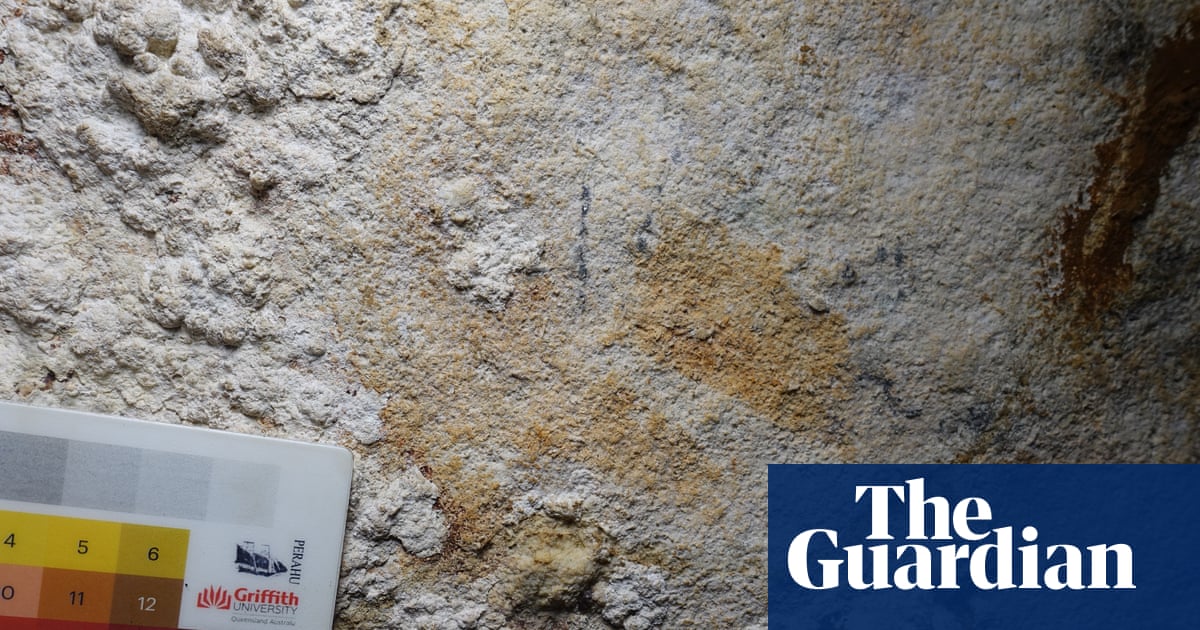
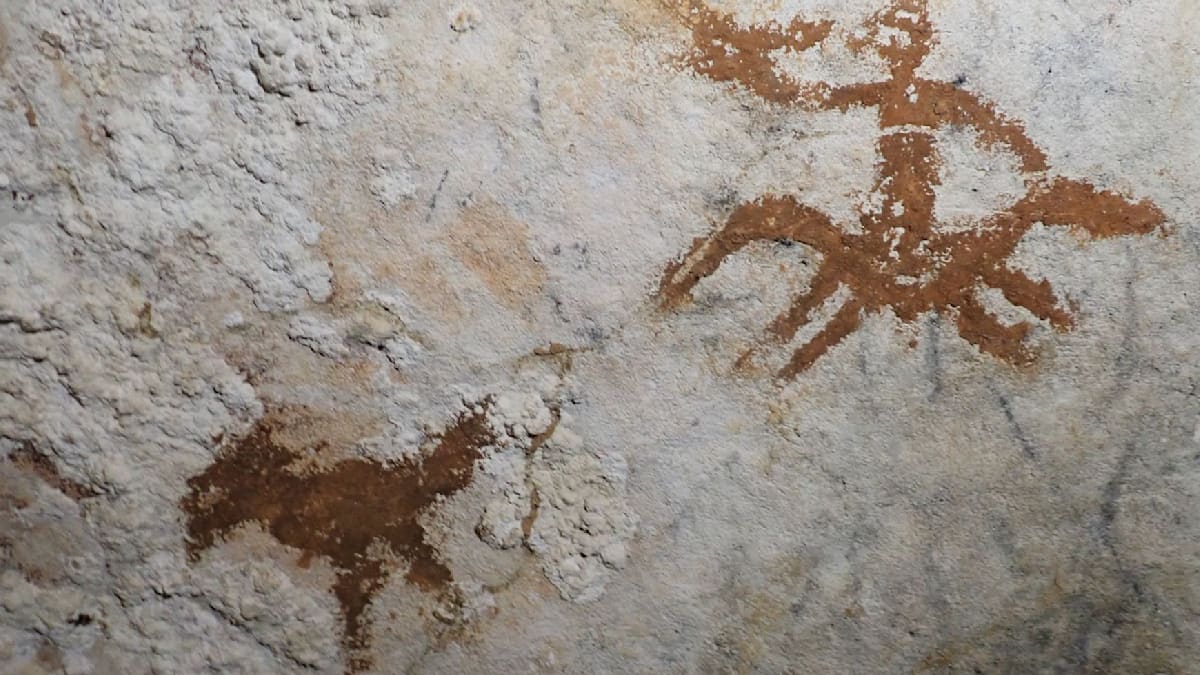
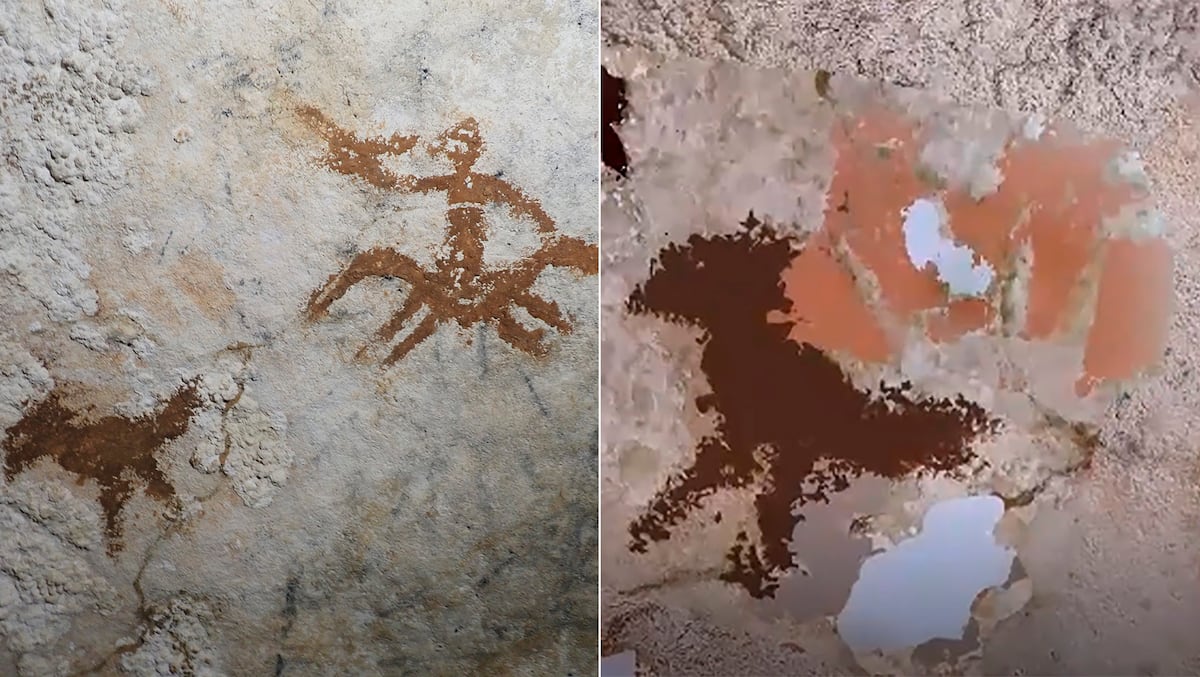
On Muna, an island off the province’s southeast, researchers have discovered new artworks which are faint and partially obscured by a more recent motif on the wall. They used a new dating technique to determine their age.
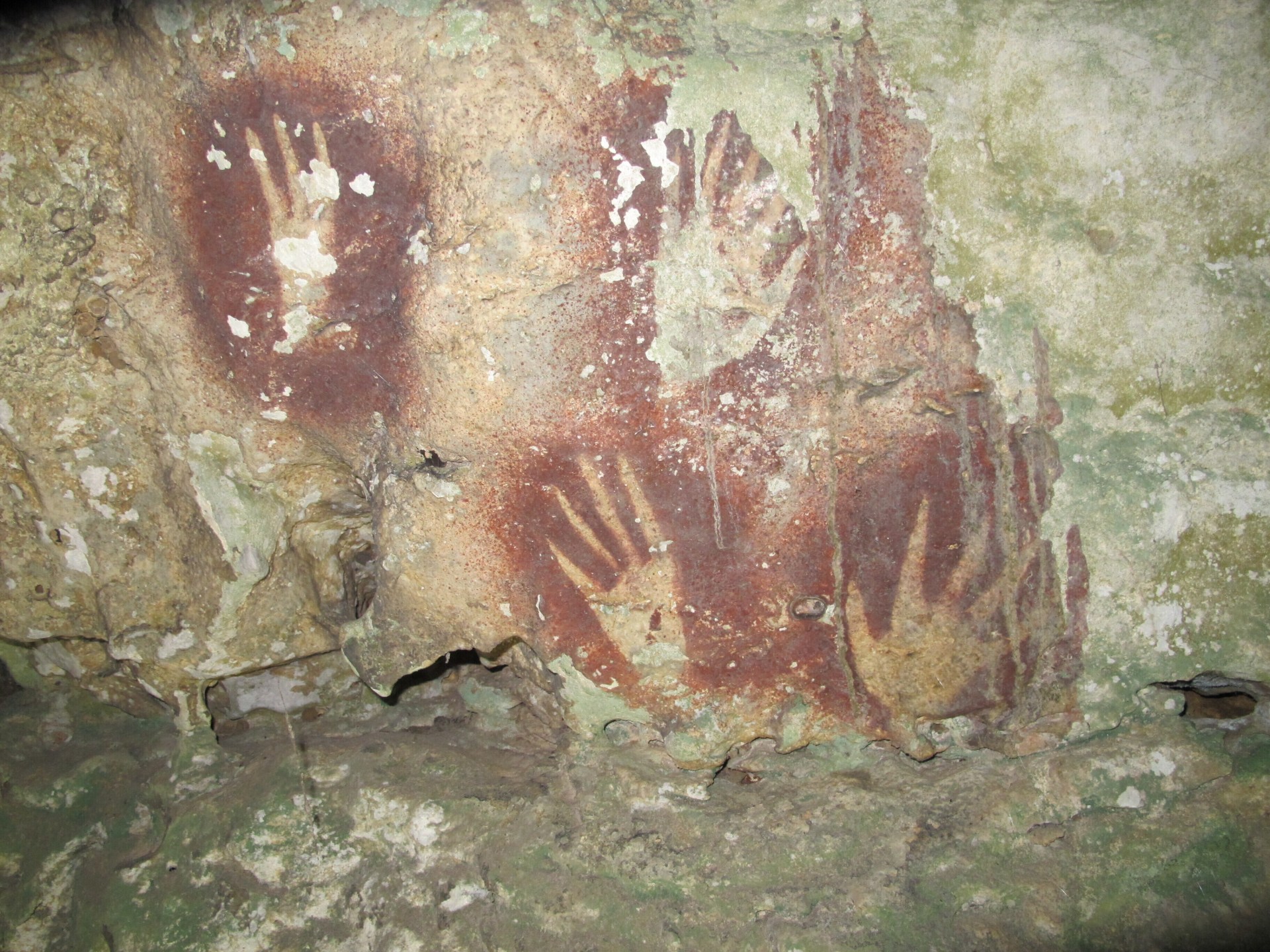
The cave art is of two faded hand stencils, one at least 60,900 years old and another dating back at least 67,800 years. This makes it the oldest art to be found on cave walls, authors of the study, which was published this week, said in the journal Nature.
Adhi Agus Oktaviana, a researcher at the National Research and Innovation Agency, or BRIN, and co-author, said this hand stencil was 16,600 years older than the rock art previously documented in the Maros-Pangkep caves in Sulawesi, and about 1,100 years older than stencils found in Spain believed to have been drawn by Neanderthals.