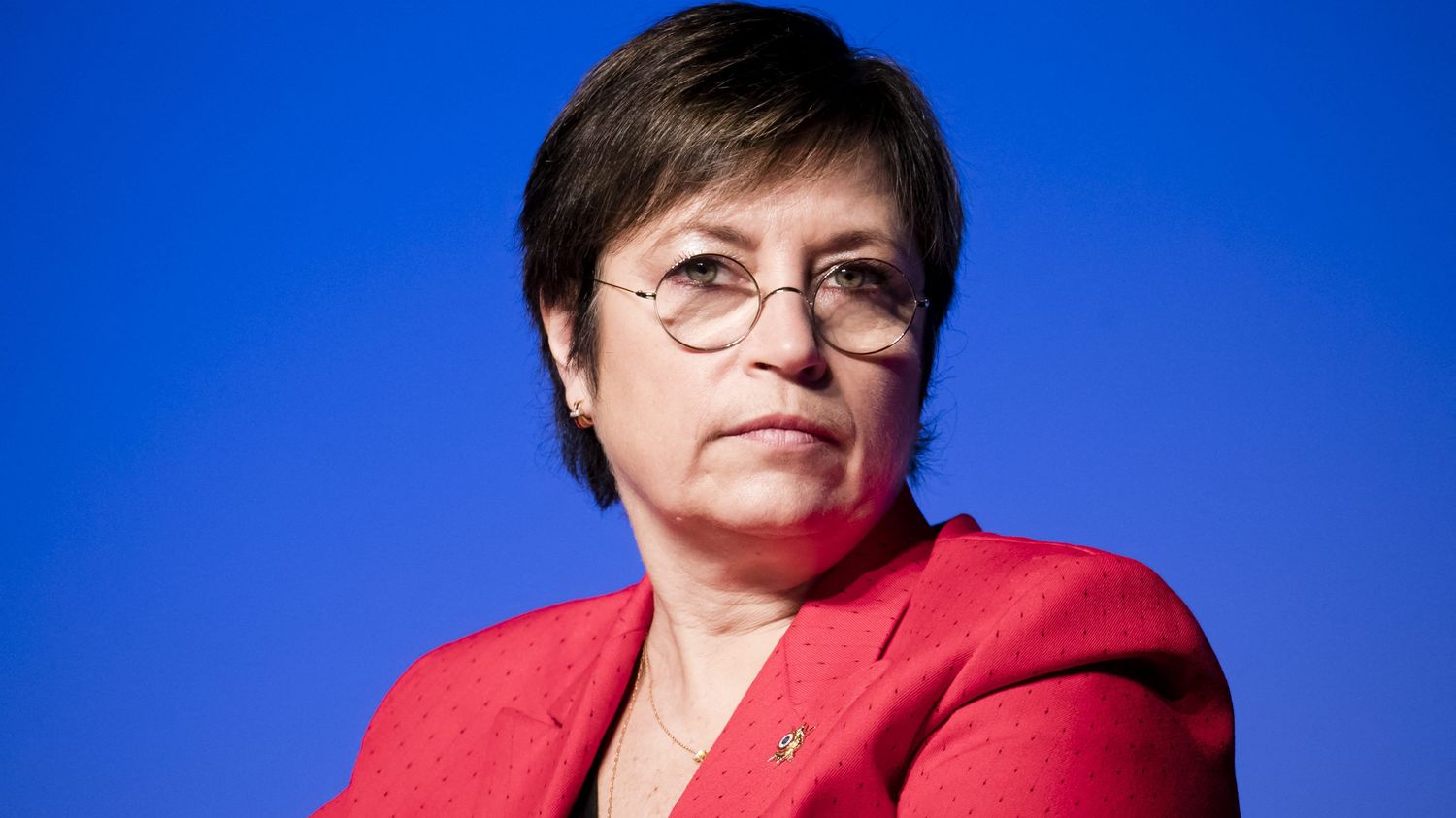
Bérangère Couillard, president of the High Council for Equality between Women and Men, in Paris, on January 12, 2024. THOMAS SAMSON / AFP
"Paternalistic" sexism, "hostile" sexism, masculinist radicalization: In its latest annual report, published on Wednesday, January 21, the High Council for Equality between Women and Men (HCE) explored the various forms of sexism present in France. To do so, the body based its findings on the results of a Toluna Harris Interactive survey, conducted on a representative sample of 3,061 people aged 15 and over. Based on their responses, the HCE, together with the National Center for Scientific Research (CNRS), developed a barometer of the state of sexism.
In the survey, 84% of the women polled reported having experienced at least one instance of sexism (harassment, sexual violence, crude jokes, etc.). The HCE concluded that, in all its varied and at times trivialized forms, sexism "is not limited to isolated behaviors: It constitutes a structuring system of inequality, deeply rooted in social norms, institutional practices, and collective representations."
The barometer highlighted differences in perception according to respondents' genders and ages: 54% of women surveyed considered it disadvantageous to be a woman in today's society, compared with 42% of men. This divide was especially pronounced among 15-to-24-year-olds: 75% of young women agreed with the above statement, compared to 42% of young men – a 33-point gap.